The Truth About Pet Starfish Everything You Wish Someone Had Told You Sooner
Most pet starfish don’t survive their first year in captivity. Learn exactly why — and how to give yours the best possible chance of thriving.
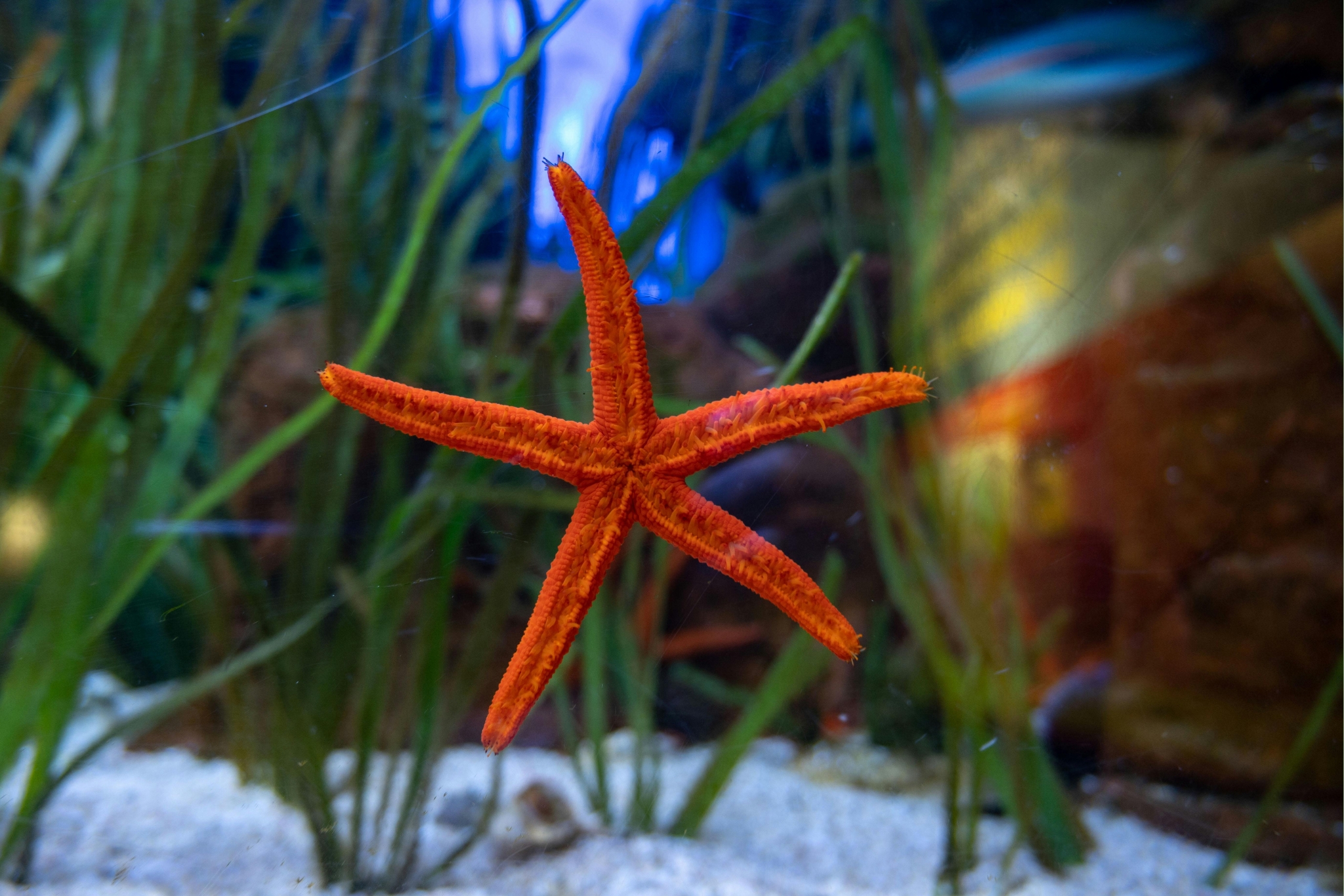
- Are Starfish Good Pets? The Honest Answer
- They Are Shockingly Sensitive to Water Quality
- Acclimating Them Takes Hours — Not Minutes
- Most Species Eat Corals, Clams, or Other Inverts (Not Just Algae)
- They Can Regenerate — But That Doesn’t Mean They’re Indestructible
- They Have Very Specific Space Requirements
- They’re Surprisingly Difficult to Feed in Captivity
- The Most Popular Ones Are Often the Hardest to Keep
- Wild Caught vs. Aquacultured Matters Enormously
- So, Should You Get a Pet Starfish?
It’s easy to see why so many aquarium hobbyists fall in love with starfish. With their unique shapes, vibrant colors, and graceful movements, they can add an incredible touch of beauty to a marine aquarium.
But before you bring one home, there are a few important things every prospective starfish owner should know.
While they may look simple and low maintenance, many species have very specific care requirements and can be surprisingly challenging to keep successfully.
If you’re considering adding a starfish to your saltwater setup, taking the time to understand their needs beforehand can make all the difference.
Consider this your behind the scenes look at the realities of starfish ownership—and what many beginner care guides don’t always mention, but every future starfish keeper should know.
Are Starfish Good Pets? The Honest Answer
Starfish—more accurately called sea stars, since they aren’t actually fish—can be incredible additions to a saltwater aquarium, but they’re definitely not beginner friendly.
These animals have very specific care needs, sensitive biology, and a shorter lifespan in captivity than many people expect.
If your tank isn’t already stable, mature, and thriving, a sea star is likely going to struggle.
But with the right setup and an experienced keeper, they can be absolutely magical to watch.
1. They Are Shockingly Sensitive to Water Quality
If there’s one thing you need to know about sea star care, it’s this: they are extremely sensitive to water quality.
There’s almost zero tolerance for ammonia, nitrites, or even elevated nitrates.
Sudden salinity shifts? Dangerous. Rapid temperature changes? Potentially fatal.
Sea stars don’t have a traditional circulatory system—they rely on a water vascular system, meaning seawater is literally used to help them move, breathe, and function. In other words, whatever is in your tank water is directly affecting their internal system.
A tank that’s “good enough” for most fish is often not suitable for a sea star.
Before adding a sea star, your aquarium should be fully cycled, well-established, mature, and ideally at least 6 to 12 months old, with stable, pristine parameters.
2. Acclimating Them Takes Hours (Not Minutes)
This is where many beginners unfortunately lose their sea star within the first 24 hours, simply due to rushed acclimation.
Starfish are invertebrates that lack a closed circulatory system and gills, which makes them extremely sensitive to changes in water chemistry. Because of this, drip acclimation isn’t optional—it’s absolutely essential.
A slow, steady 2 to 4 hour drip process allows your sea star to gradually adjust to your tank’s specific conditions. The “plop and drop” method is something you’ll definitely want to avoid.
They’re also highly susceptible to osmotic shock, meaning even small differences in salinity or water parameters between the store and your aquarium can cause serious stress or rapid decline.
Take your time, set up the drip properly, and let the process do its work—this is one of those moments where patience truly makes all the difference.
3. Most Species Eat Corals, Clams, or Other Inverts Not Just Algae
One of the biggest misconceptions about pet starfish is that they’re all peaceful little cleanup crew members, happily grazing on algae and leftover debris. That’s true for some species—like the Asterina sea star—but it definitely doesn’t apply to all species across the board.
Many of the most commonly sold and visually striking species are actually active predators.
The Chocolate Chip Sea Star, for example, will happily destroy corals, clams, and snails.
The beautiful Blue Linckia is notoriously difficult to keep alive in captivity and requires a very mature tank with abundant microfauna to survive.
And the Crown of Thorns sea star is a coral eating species that can grow to the size of a dinner plate.
The key takeaway: always research the exact species before you buy—“sea star” is a broad label for hundreds of very different animals with very different diets and care requirements.
4. They Can Regenerate But That Doesn’t Mean They’re Indestructible
Yes, it’s true that sea stars can regenerate lost limbs. Some species can even grow an entirely new body from a single arm (nature really does love a plot twist).
But this incredible ability doesn’t mean they’re hardy pets—it’s a survival mechanism, not a sign they handle stress or poor conditions well.
A sea star losing arms, turning pale, or developing lesions is not “normal regrowth”—it’s a serious warning sign.
Sea Star Wasting Disease, which causes rapid and severe tissue breakdown, can take an animal from seemingly healthy to critical in just a few days. It’s devastating to see and, unfortunately, not uncommon in captivity.
5. They Have Very Specific Space Requirements
Sea stars need space.
Even though they move slowly, they still roam, and many species require at least a 75 to 100 gallon tank with plenty of live rock, a sand bed, and room to explore in order to thrive.
A small sparse reef tank with a single sea star tucked in is a recipe for stress and poor health.
They also need proper surfaces to grip and navigate—so bare bottom tanks aren’t suitable.
A deep, fine live sand bed along with plenty of live rock helps create a more natural environment where they can move, hunt, and simply be a sea star.
6. They’re Surprisingly Difficult to Feed in Captivity
The honest reality is that feeding sea stars in captivity can be genuinely challenging.
Many species require meaty foods like mussels, clams, shrimp, or small pieces of seafood placed directly under them.
And because they feed very slowly (their stomach actually extends outside their body to digest food—nature is wild), tankmates can easily steal their meal before they’ve had a chance to start.
Other species rely on biofilm and microfauna to survive—resources that are difficult to consistently replicate in closed aquarium systems.
7. The Most Popular Ones Are Often the Hardest to Keep
Social media absolutely loves the Blue Linckia Sea Star. It’s breathtaking—vivid electric blue, striking in shape, and instantly recognizable in any tank.
It’s also one of the most difficult species to keep successfully long term in a home aquarium.
The sad truth is that most of these sea stars don’t survive past the first few months unless they’re placed in an exceptionally mature, large, established reef systems with abundant microfauna.
Similarly, Fromia species (often called Red or Orange Marble Sea Stars) are equally beautiful and slightly more forgiving—but even then they’re still very demanding.
For those newer to sea stars, Fromia species are often a better starting point than Linckia.
8. Wild Caught vs. Aquacultured Matters Enormously
Where your sea star comes from has a huge impact on its chances of surviving and thriving.
Wild caught sea stars go through stressful collection, shipping, and holding processes that can introduce disease, physical damage, and ongoing stress before they even reach your local fish store.
Whenever possible, choose a sea star from a reputable aquaculture source or an established hobbyist with a stable, well-documented setup.
It’s better for the animal, better for wild reef ecosystems, and honestly better for you too—since you’re not constantly replacing a $40 animal every few months.
So, Should You Get a Pet Starfish?
If you have a large, mature, stable saltwater tank, you’ve done your species specific research, you’re prepared for the acclimation process, and you’re ready for their specialized feeding needs—then yes.
But if you’re earlier in your saltwater journey, it may be worth waiting until your tank is truly ready. The sea star you’re dreaming of will still be there—and you’ll both be better off for the patience.
Found this article helpful? Save it for later and share it with your aquarium obsessed friends who’ve been eyeing that beautiful Blue Linckia at the fish store. They’ll thank you for it.