If you’re searching for a truly unique companion to add to your home, an exotic pet might be exactly what you’ve been dreaming of! From scaly sidekicks to feathered showstoppers, the world of exotic pet ownership is endlessly fascinating.
Whether you’re brand new to exotic pets or hoping to expand your animal family, let’s take a closer look at some of the most popular exotic pets, what their care involves, and what makes each one so wonderfully special.
What Exactly Is an “Exotic” Pet?
Before diving into the exciting world of exotic animals, it helps to understand what the term exotic really means.
Generally speaking, exotic pets are animals that aren’t traditionally domesticated like dogs or cats. This broad category can include reptiles, birds, small mammals, amphibians, and even invertebrates.
One important thing to keep in mind is that exotic pets come with very specific care needs. Their housing, diet, and environmental requirements differ greatly from those of more conventional pets, making research and preparation essential for successful ownership.
1. Bearded Dragons: The Friendly Reptile Everyone Adores
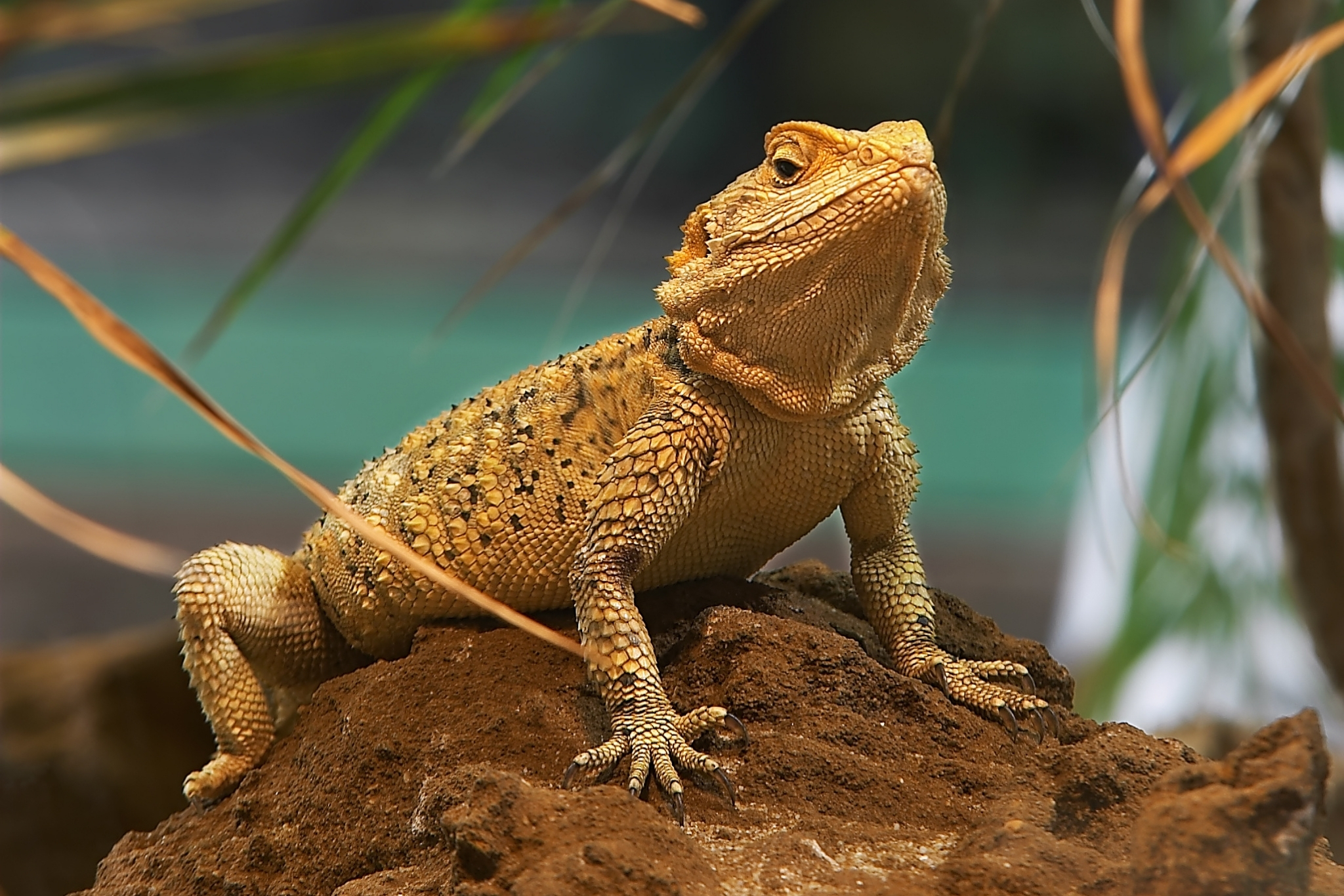
Bearded dragons have absolutely stolen the hearts of reptile enthusiasts everywhere, and for good reason! These Australian natives are known for their docile temperament and surprisingly social personalities.
Why They’re So Popular:
- Incredibly friendly and easy to handle
- Moderate size (18 to 24 inches)
- Easier care compared to many other reptiles
- Long lifespan of 10 to 15 years
Basic Care Requirements:
- A spacious terrarium, with at least 40 gallons recommended for adult enclosures
- Proper UVB lighting and a basking area maintained between 95°F to 105°F
- A balanced varied diet consisting of insects and fresh vegetables
- Naturally diurnal, meaning they’re active during the day – making them ideal for families who want a pet they can interact with during normal waking hours
2. Ball Pythons: An Ideal Beginner Snake
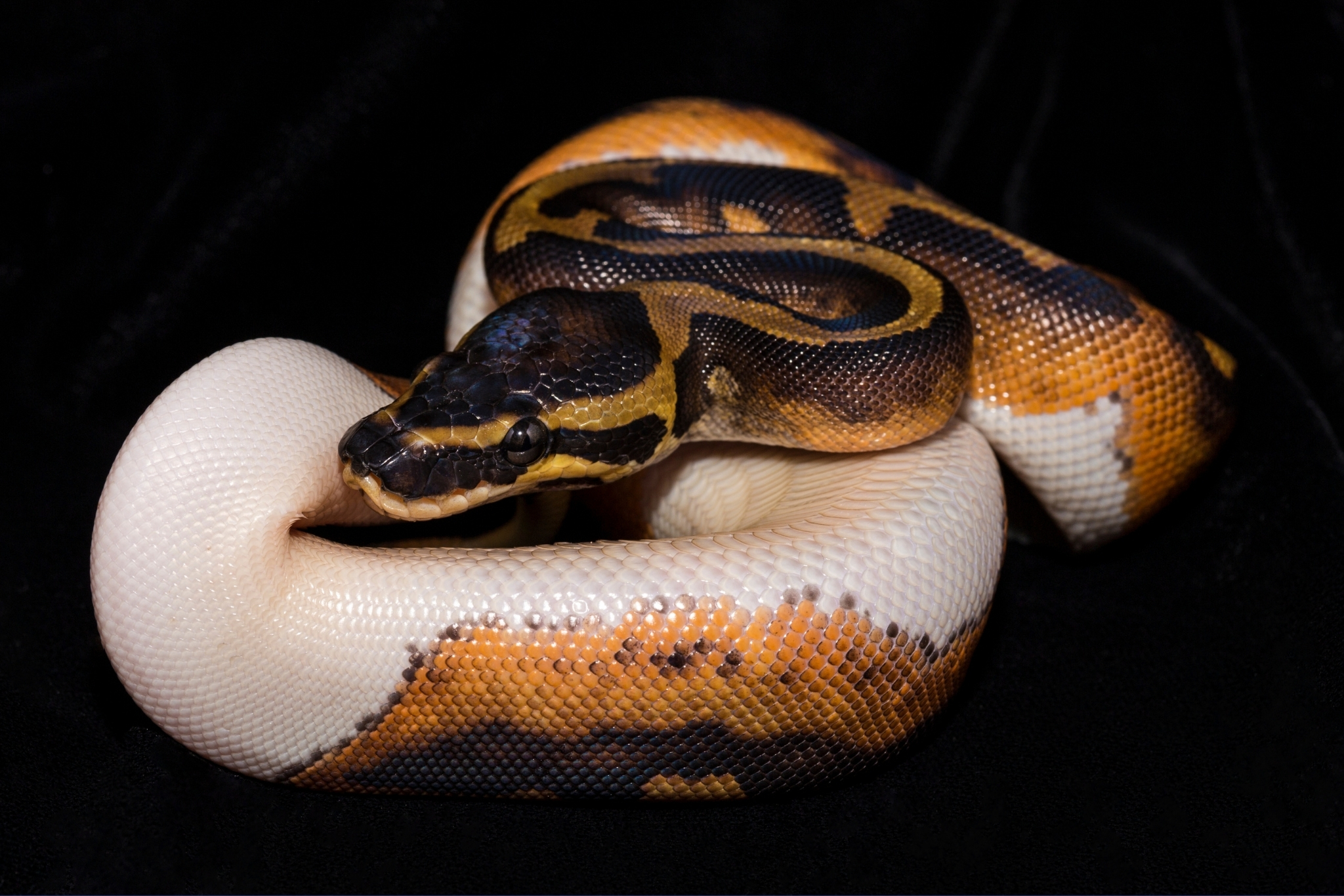
If you’re considering a pet snake, ball pythons are one the most beginner friendly option available! These gorgeous serpents are known for their calm demeanor and stunning color morphs.
Why They’re Beloved:
- Gentle, docile, and easy to handle
- Manageable adult size (3 to 5 feet)
- Low maintenance feeding schedule
- Long lifespan of 20 to 30 years with proper care
Care Essentials:
- Thrive in enclosures with proper temperature gradients ranging from 75°F to 95°F
- Require multiple secure hiding spots for comfort and stress reduction
- Need humidity levels kept between 50% to 60%
- Typically eat every 7 to 10 days, making their feeding schedule ideal for busy pet parents
3. Hedgehogs: The Adorable Insectivores
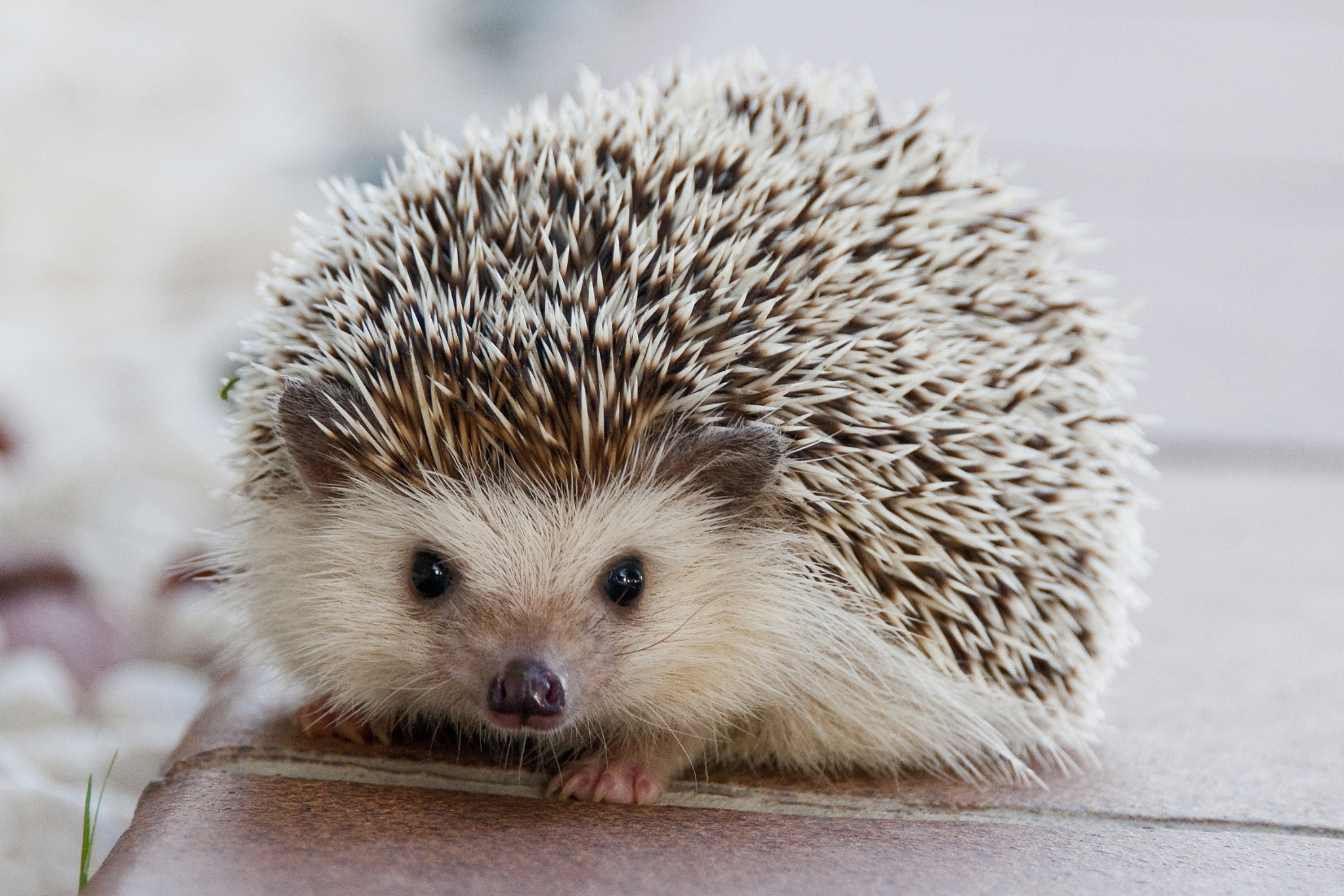
These tiny spiky sweethearts have taken the internet (and many homes) by storm. African pygmy hedgehogs have become internet sensations are the most commonly kept pet species.
What Makes Them Special:
- Irresistibly cute appearance
- Quiet and unobtrusive
- Compact size that’s ideal for apartments
- Curious and playful personalities
Care Considerations:
- Require a warm environment maintained between 72°F to 80°F
- Need a large enclosure with solid flooring and a running wheel for daily exercise
- Thrive on a diet of high quality food and insects
- Are nocturnal, meaning they’re most active during the evening and nighttime hours
4. Sugar Gliders: The Social Flying Squirrels
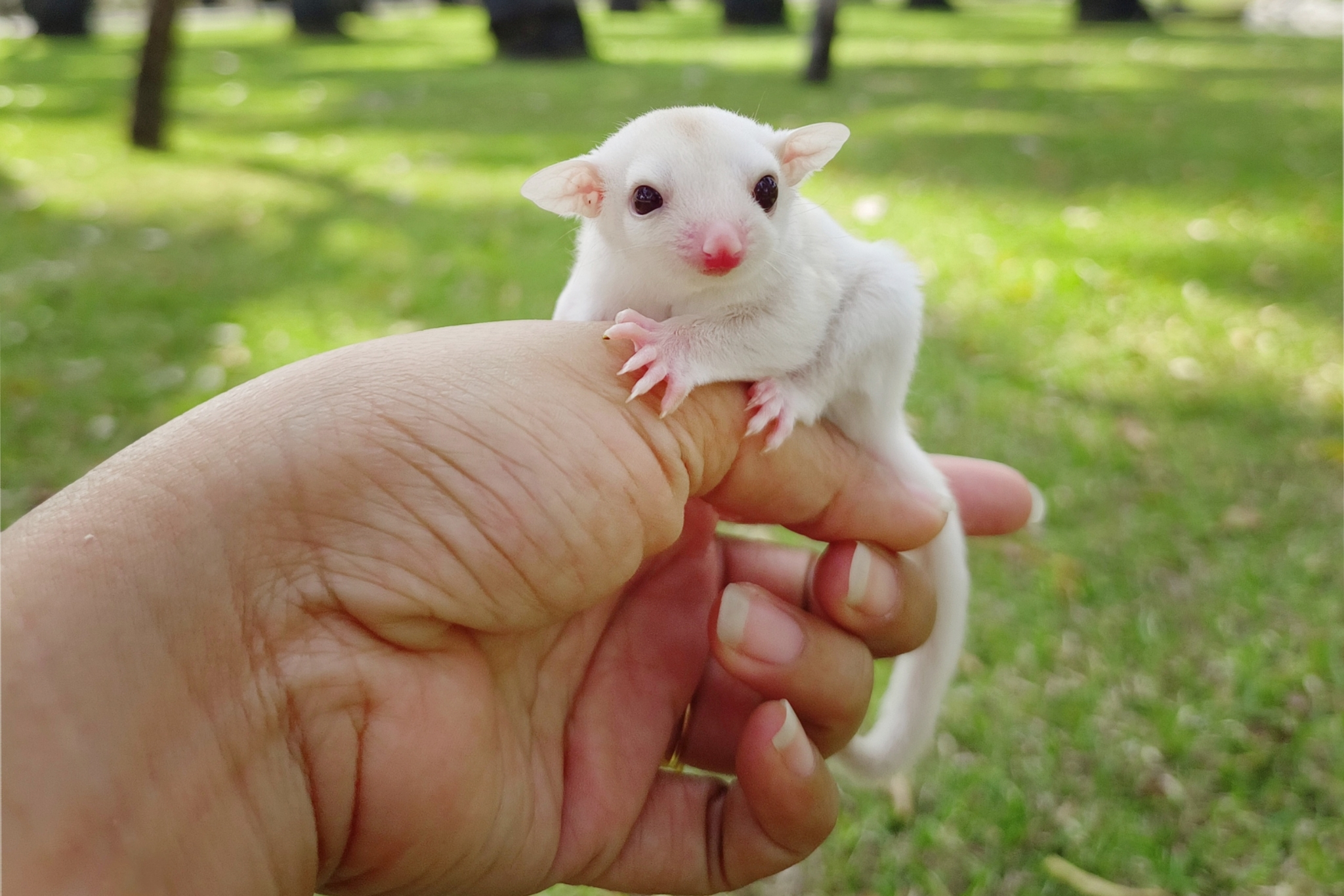
Sugar gliders these pocket sized marsupials are incredibly social and known for forming strong bonds with their owners.
Why Pet Parents Love Them:
- Extremely social and affectionate
- Fascinating gliding abilities
- Long lifespan of 12 to 15 years
- Very interactive and engaging
Important Care Notes:
- Require constant companionship, either through several hours of daily interaction with their owner or the presence of another sugar glider
- Need tall spacious cages designed for climbing and gliding
- Require a specialized well-balanced diet of sugar glider pellets, insets, and fresh produce
- Thrive with plenty of enrichment and stimulation to keep them happy and healthy
5. Leopard Geckos: The Ultimate Beginner Lizard
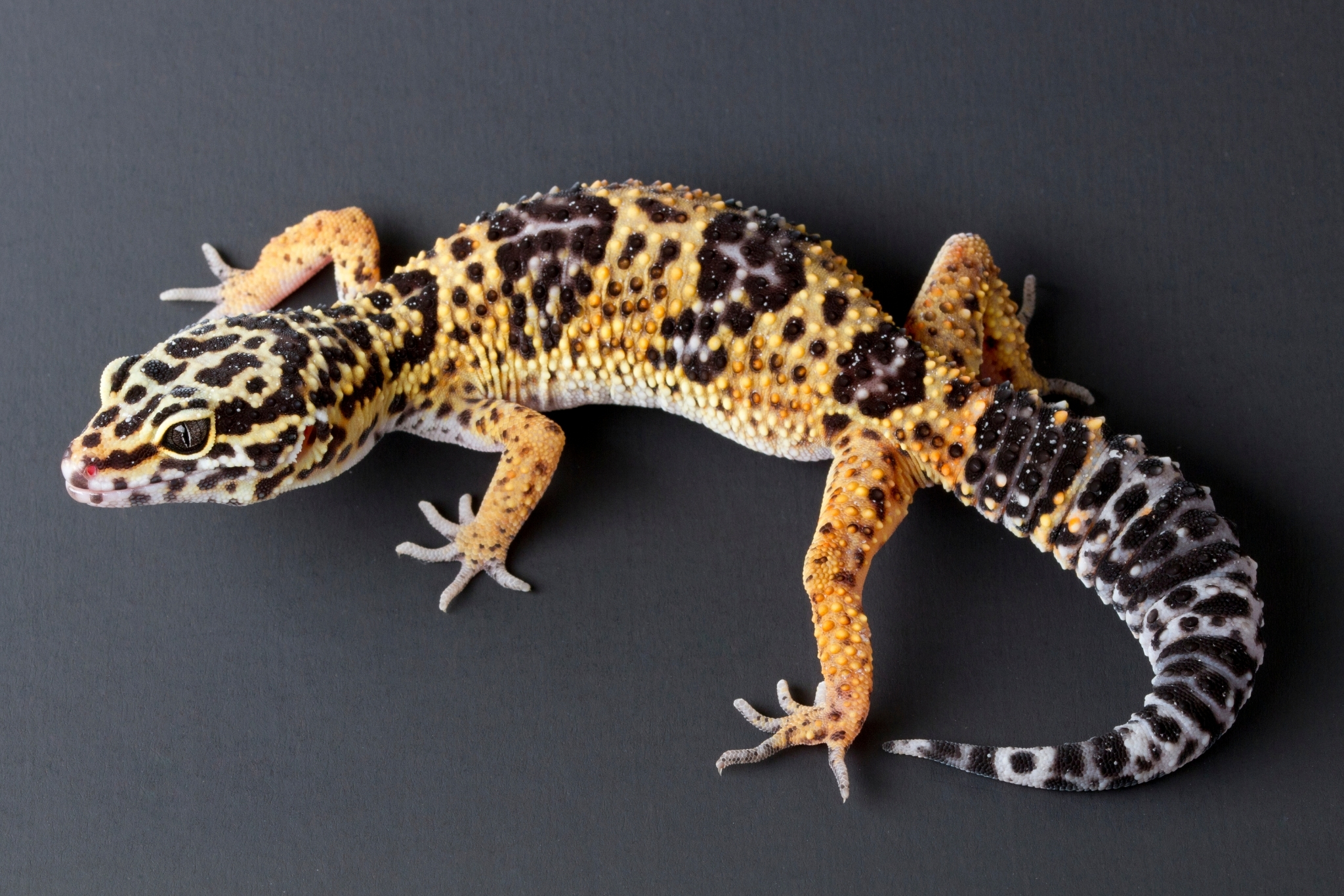
Leopard geckos are fantastic for first time reptile owners! These beautiful lizards are hardy, handleable, gentle, and absolutely charming.
Their Appeal:
- Very easy to care for
- Calm and docile temperament
- Compact size (8 to 10 inches)
- Available in stunning color morphs
Care Requirements:
- Require a minimum 20 gallon tank
- Need heat mats to maintain proper temperature regulation
- Must have multiple hiding spots for comfort and security
- Thrive on an insect based diet, including crickets and mealworms
6. African Grey Parrots: The Geniuses of the Bird World
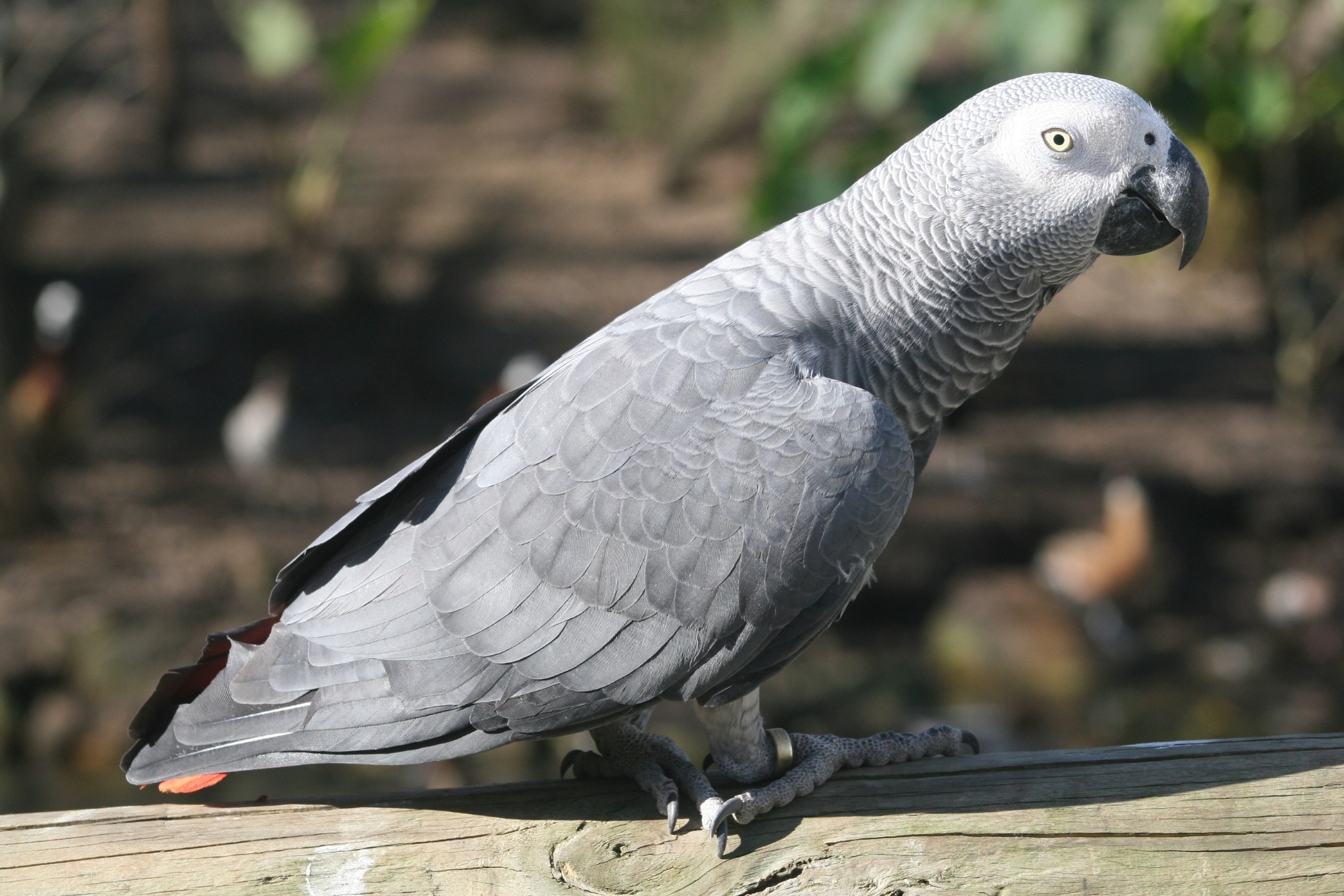
For those ready for a long term, highly intelligent companion, African Grey parrots are truly extraordinary! These birds are famous for their cognitive abilities and talking skills.
What Sets Them Apart:
- Exceptional intelligence
- Remarkable speech and mimicry skills
- Can form deep emotional bonds with owners
- Long lifespan of 40 to 60 years
Care Commitment:
- Require spacious cages that allow for movement and comfort
- Need plenty of daily out of cage time
- Depend on consistent mental stimulation through toys, puzzles, and enrichment
- Thrive on a varied diet of pellets, fruits, and vegetables
- Are highly social birds that require significant daily interaction and companionship
7. Chinchillas: The Softest Exotic Pet
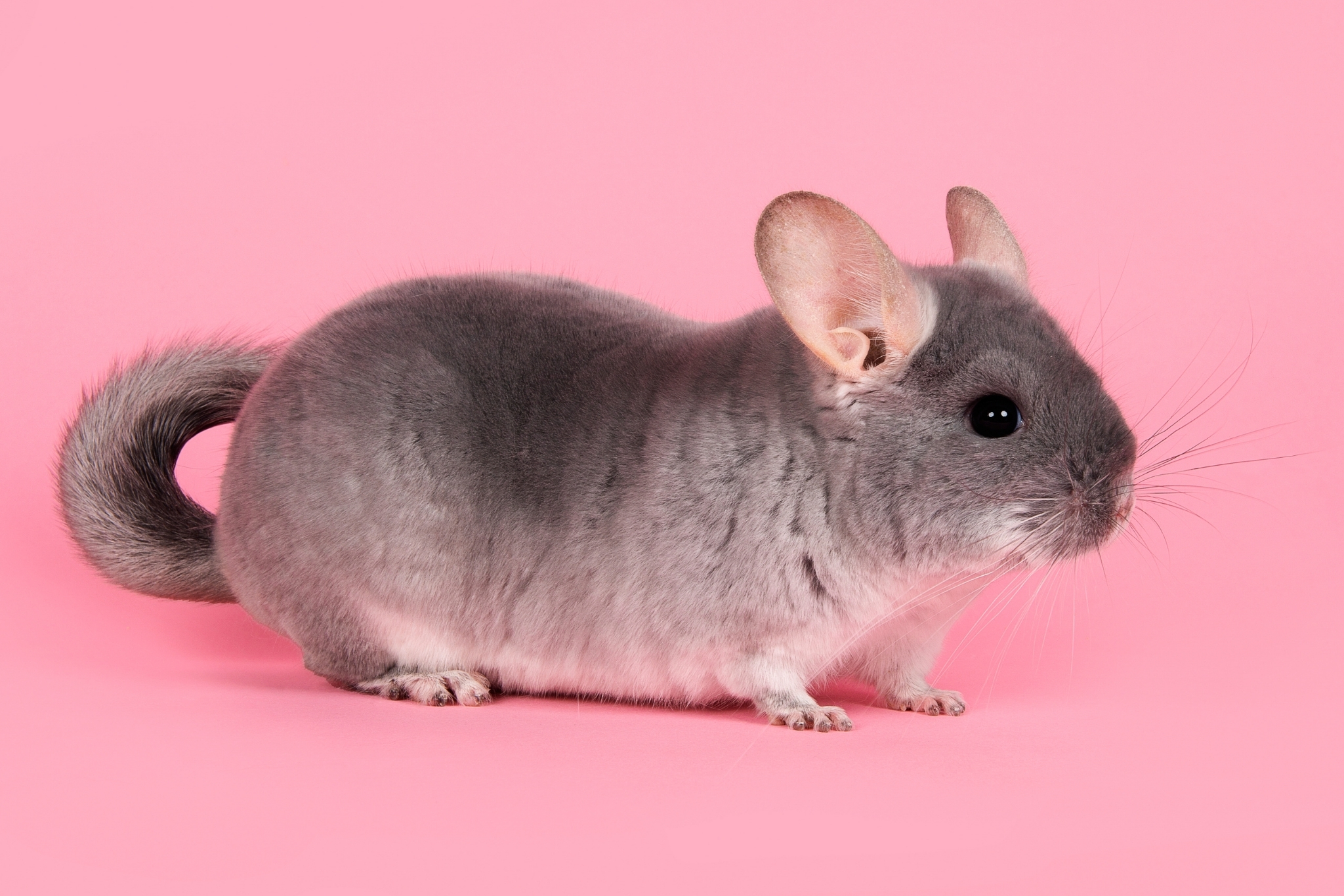
With the densest fur of any land animal, chinchillas are unbelievably soft, irresistibly cute, and wonderfully entertaining!
Why They’re Wonderful:
- Incredibly plush, soft, dense fur
- Playful and acrobatic behavior
- Relatively odorless
- Lifespan of 15 to 20 years
Care Essentials:
- Require cool environments kept below 75°F
- Need spacious multi-level cages for climbing and exercise
- Rely on regular dust baths for proper grooming
- Thrive on a diet of hay, pellets, and occasional treats
- Are crepuscular, meaning they’re most active at dawn and dusk
8. Axolotls: The Smiling Salamanders
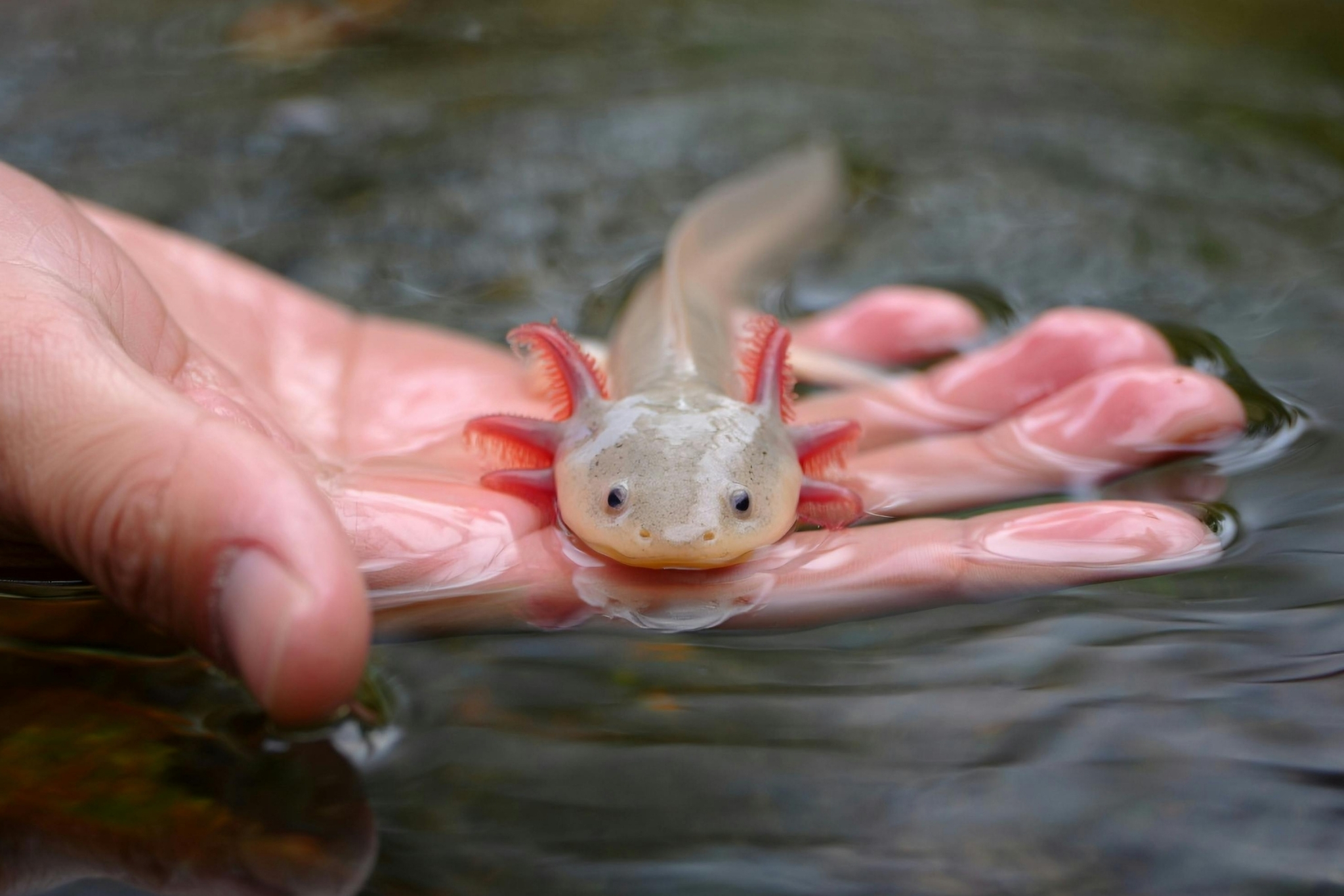
Native to Mexico, axolotls have captured hearts worldwide with their permanent “smile” and unique appearance.
Their Unique Qualities:
- Adorable and endearing appearance
- Fully aquatic lifestyle
- Fascinating regeneration abilities
- Low maintenance once established
Care Requirements:
- Require a minimum 20 gallon tank
- Need cool water maintained between 60°F to 64°F with excellent filtration
- Thrive on a diet of earthworms, bloodworms, and axolotl pellets
- Are highly sensitive to water quality, making regular tank maintenance essential
9. Ferrets: The Playful Mischief Makers
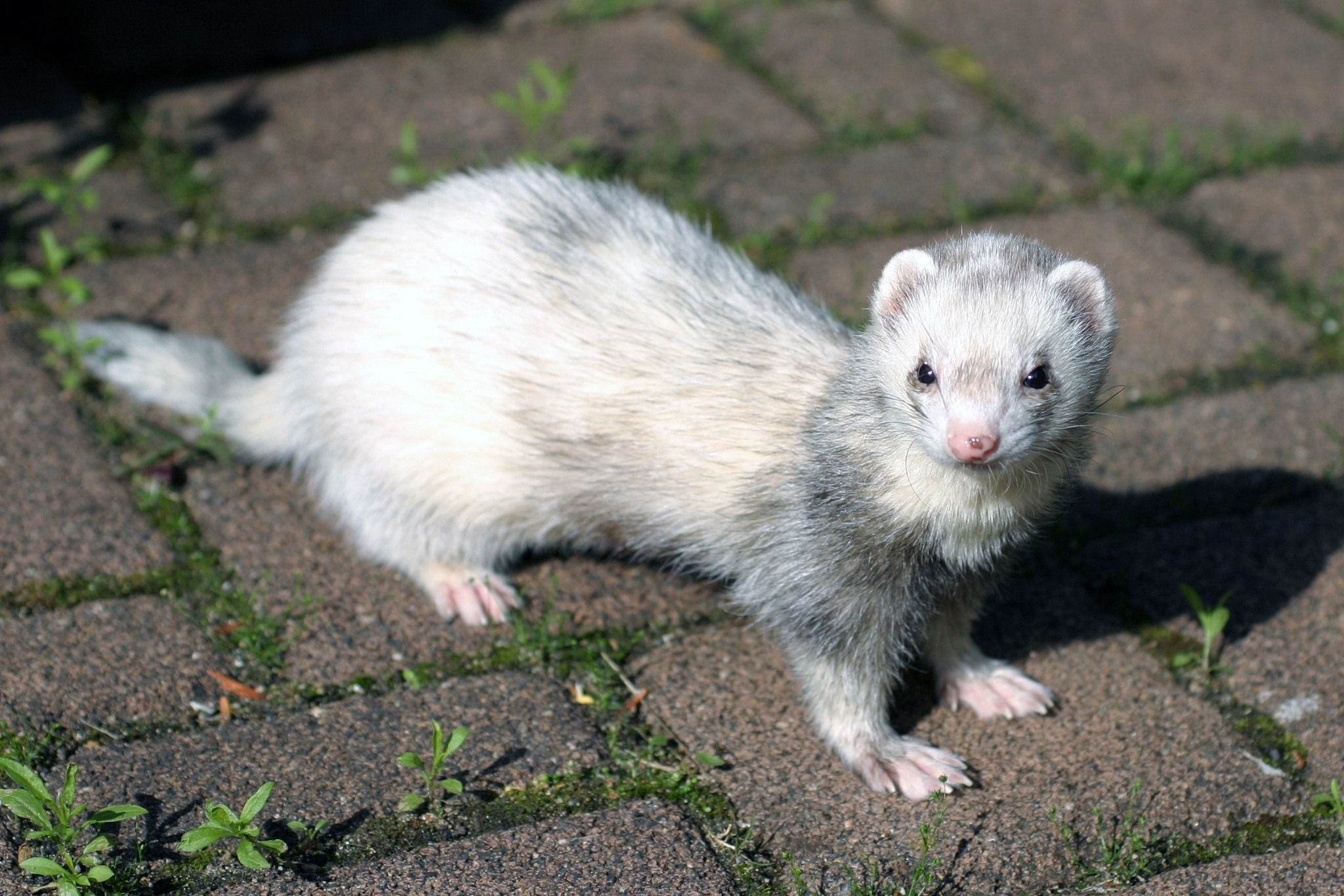
These energetic little carnivores are bursting with personality and absolutely love to play!
What Makes Them Fun:
- Incredibly playful and entertaining
- Social and interactive
- Trainable, including litter training!
- Compact yet still energetic
Care Considerations:
- Require a spacious multi-level cage
- Need several hours of supervised playtime each day
- Thrive on a high protein carnivorous diet
- Typically have a lifespan of 6 to 10 years
10. Fennec Foxes: The Desert Cuties with Big Ears
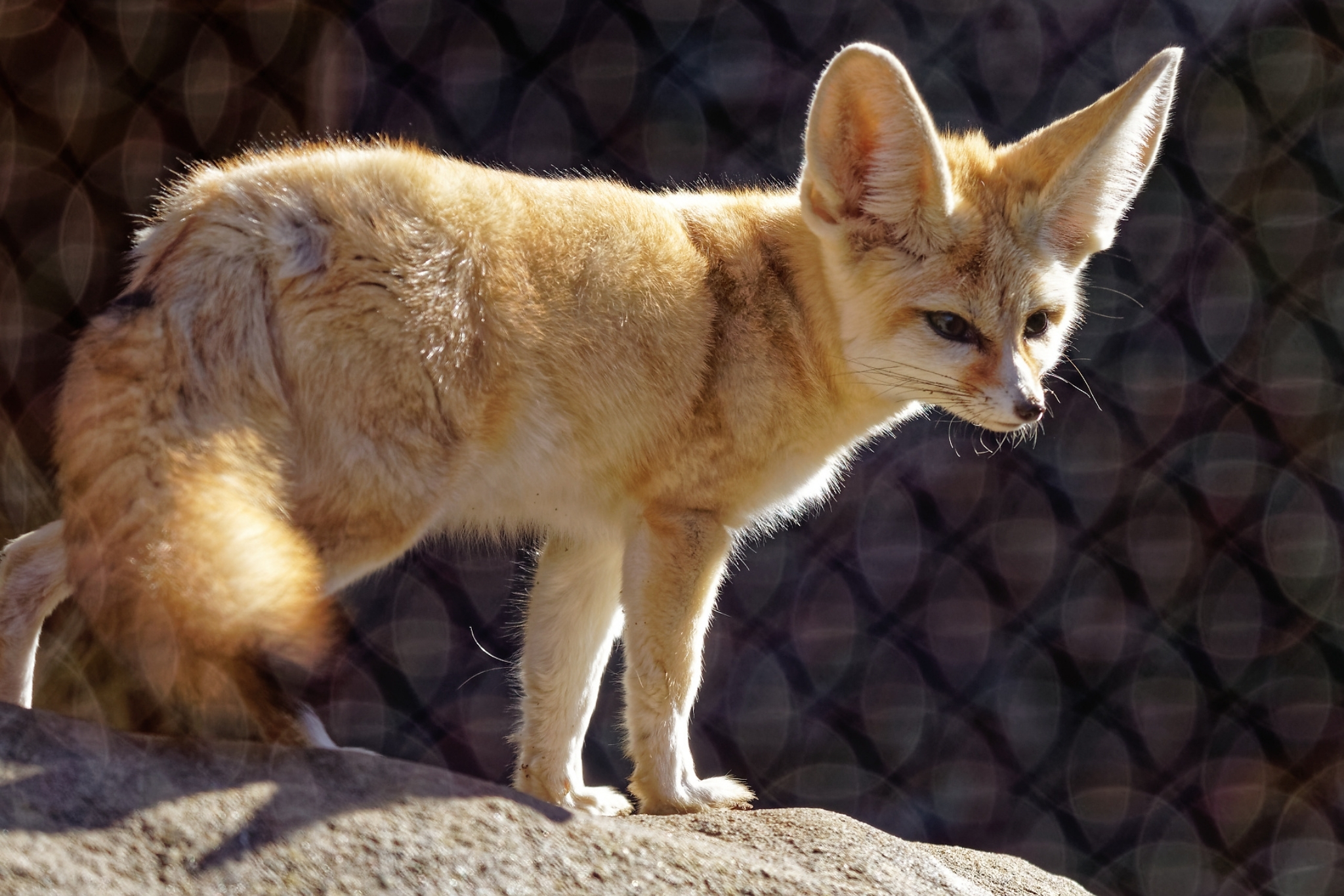
Fennec foxes are absolutely adorable mini foxes that have become increasingly popular – but they’re definitely not good pets for everyone!
Why They’re Irresistible:
- Incredibly cute appearance
- Playful and energetic
- Can be very interactive and social
- Unique vocalizations
Care Considerations:
- Require a very large secure enclosure or a fully fox-proofed room
- Need a high quality carnivore diet supplemented with insects and vegetables
- Thrive on extensive enrichment and significant daily interaction
- Are nocturnal and can be quite vocal
Important Note: Fennec foxes are illegal to own in many states and require special permits in others. Thorough research into local laws is absolutely essential before considering one as a pet!
11. Pet Skunks: The Surprisingly Sweet Companions
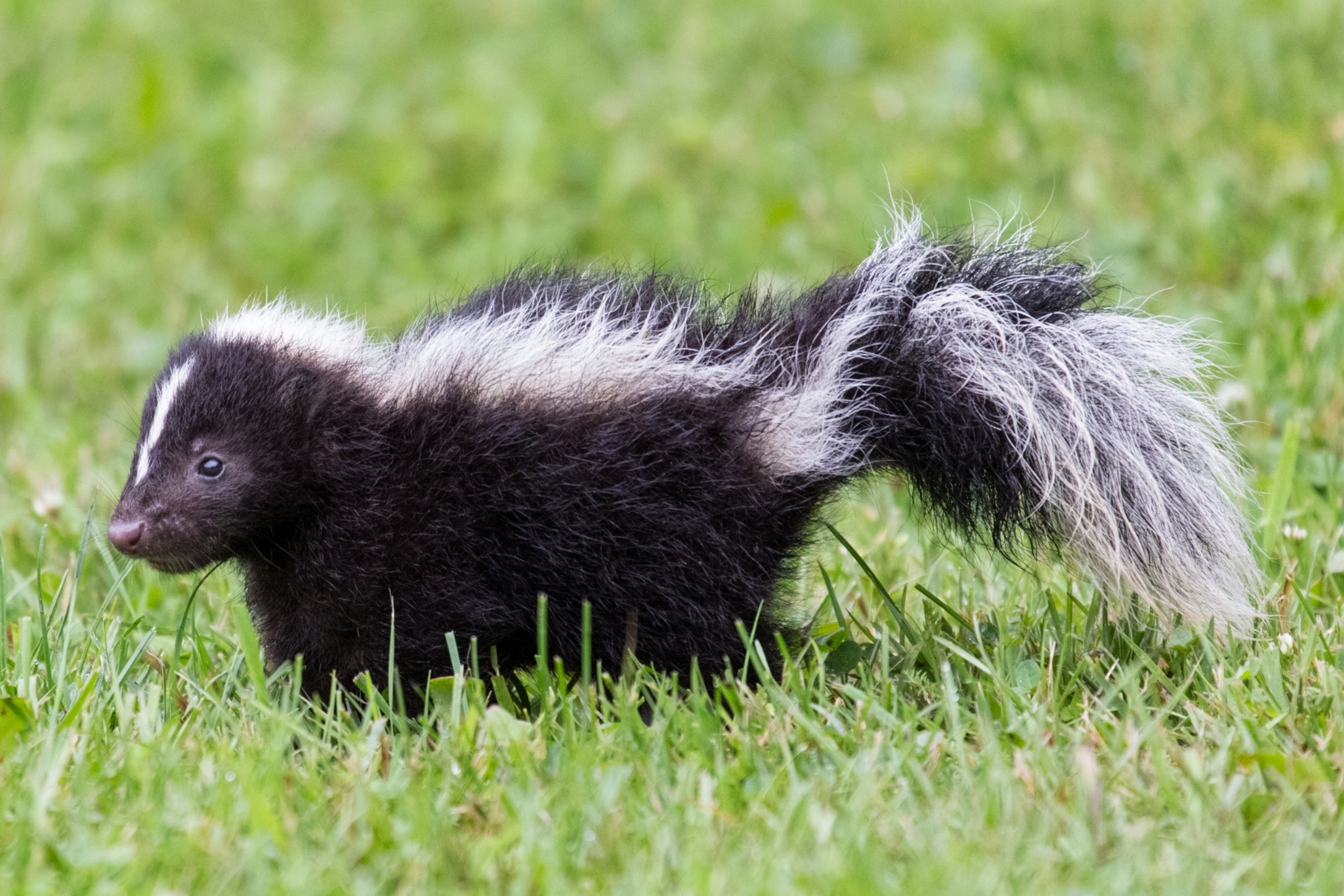
Yes, you read that right – domestically bred skunks (with scent glands removed) make surprisingly wonderful pets! They’re affectionate, playful, and absolutely full of personality.
What Makes Them Special:
- Dog-like loyalty and affection
- Playful and curious personality
- Can be litter trained
- Typically live 10 to 12 years
Care Requirements:
- Require skunk-proofed living spaces for safety and comfort
- Thrive on a varied omnivorous diet
- Need plenty of toys and enrichment to stay stimulated
- Form strong bonds with their human families
Important Note: Legal status varies significantly by state – many states prohibit pet skunk ownership, so thorough research is mandatory!
12. Tarantulas: The Eight Legged Marvels
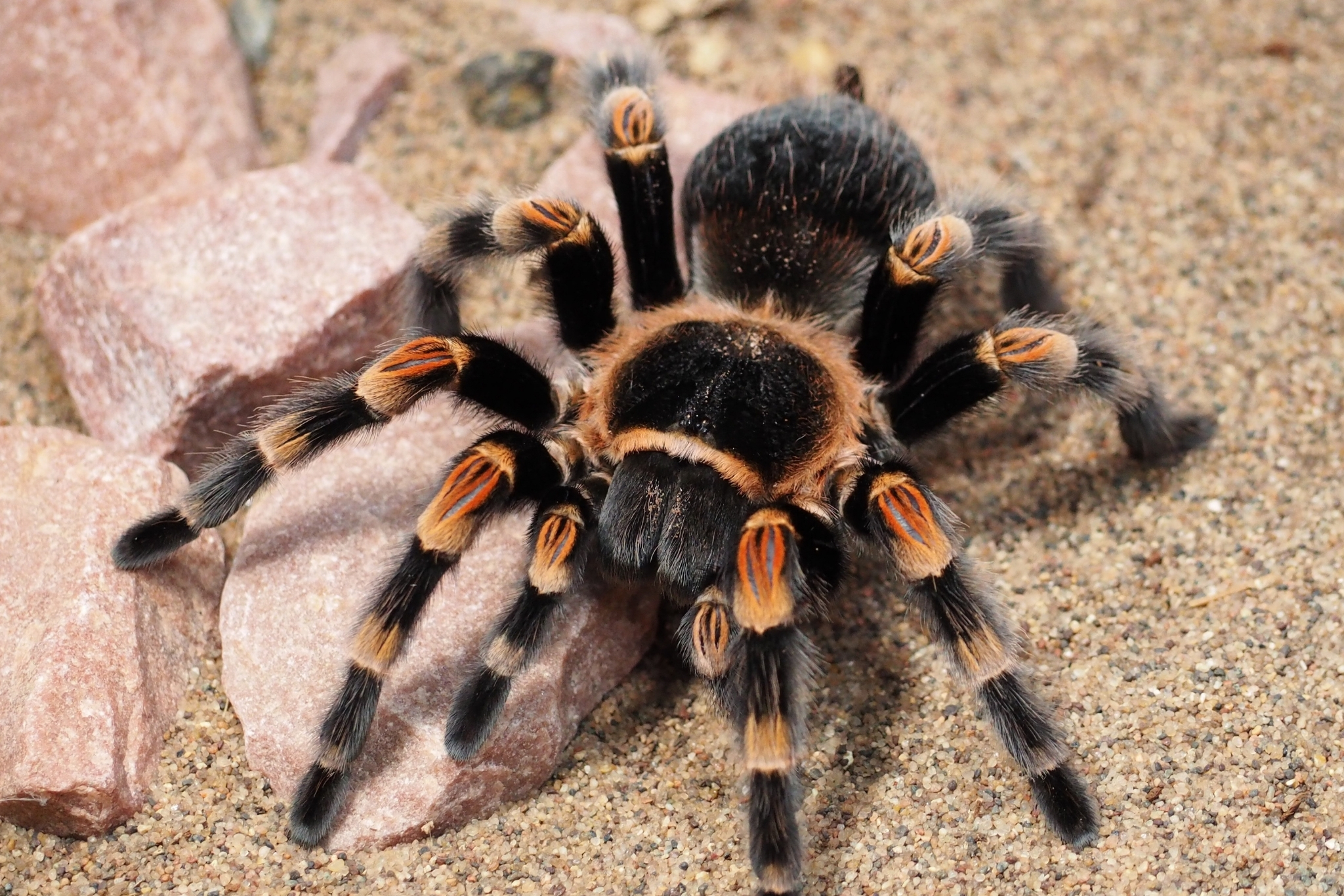
For those interested in something truly unique, tarantulas are fascinating low maintenance pets!
Why Enthusiasts Love Them:
- Very low maintenance
- Fascinating to observe
- Require very little space
- Extremely long lifespan (females can live 20+ years)
Care Needs:
- Require a secure terrarium with appropriate substrate and a shallow water dish
- Feed periodically with crickets or other suitable insects
- Generally handleable, though many keepers prefer to simply observe them rather than handle
Legal Considerations for Exotic Pet Ownership
Before falling head over heels for any exotic pet, it’s absolutely crucial to research your local and state laws!
Exotic pet regulations vary significantly by location. Some states and municipalities prohibit certain species entirely, while others require special permits. Always check with your local animal control, state wildlife agency, and homeowner’s association (if applicable) before bringing an exotic pet home.
Being a responsible pet parent means following all legal requirements!
Finding a Qualified Exotic Veterinarian
One of the most important steps in exotic pet ownership is locating a veterinarian who specializes in or has experience with your chosen species.
Not all veterinarians will treat exotic animals, so you’ll want to establish this relationship before emergencies arise.
Ask potential vets about their experience with your specific species, what emergency services they offer, and whether they have specialized equipment for exotic animals.
Cost Considerations Beyond the Initial Purchase
While exotic pets themselves may vary in price, remember that the initial cost is just the beginning! You’ll need to budget for:
- Appropriate housing and setup
- Heating, lighting, and humidity equipment
- Regular food, supplements, toys, enrichment, maintenance
- Veterinary care (including emergency visits)
- Ongoing supplies and enrichment items
- Potential pet sitting services
Some exotic pets have surprisingly high setup costs, so do thorough research and budget accordingly before committing.
Time Commitment and Lifestyle Considerations
Different exotic pets require vastly different time commitments.
While a tarantula might need attention just once or twice a week, a parrot demands several hours of daily interaction.
Sugar gliders are nocturnal and require daily nighttime bonding, while bearded dragons are active during the day.
Consider your lifestyle, work schedule, and living situation carefully.
- Are you home enough to meet your pet’s social needs?
- Can you maintain the required temperature and humidity?
- Do you travel frequently?
These questions are essential for ensuring both you and your future pet will be happy!
Ethical Sourcing and Conservation
When acquiring an exotic pet, always prioritize ethical sourcing! Choose captive bred animals over wild caught whenever possible.
Reputable breeders can provide health histories, proper documentation, and guidance on care.
Avoid supporting the illegal wildlife trade by purchasing animals of questionable origin. Many exotic species face conservation challenges in the wild, so responsible pet ownership includes making ethical purchasing decisions.
Preparing Your Home for an Exotic Pet
Before bringing your new companion home, you’ll want to have everything prepared! This includes:
- Fully set up and tested enclosure
- All necessary equipment running properly
- Appropriate food, supplements, toys, etc. on hand
- Emergency contact information for exotic vets
- A quiet and stable location for the enclosure
Common Mistakes to Avoid
Even with the best intentions, new exotic pet owners sometimes make preventable mistakes:
- Impulse Purchases: Never buy an exotic pet on a whim! These animals deserve careful consideration and preparation.
- Inadequate Research: Understanding your pet’s specific needs before acquisition is absolutely essential.
- Improper Housing: Cutting corners on enclosure size or equipment can seriously impact your pet’s health.
- Inappropriate Diet: Many exotic pets have very specific nutritional requirements that differ from common pets.
- Lack of Veterinary Care: Exotic pets need regular check-ups, not just emergency visits.
Conclusion: Your Exotic Pet Adventure Awaits!
The world of exotic pets is absolutely brimming with possibilities! Whether you’re drawn to the scaly charm of reptiles, the feathered intelligence of birds, or the furry cuteness of small mammals, there’s an exotic pet perfect for you.
Remember that exotic pet ownership is a serious commitment requiring research, preparation, and dedication. But for those willing to put in the effort, these remarkable animals provide companionship unlike anything you’ve experienced before.
So what are you waiting for? Start researching, connect with experienced keepers, find a qualified vet, and get ready to embark on the most exciting pet ownership journey of your life! Your perfect exotic companion is out there waiting to meet you! 🦎✨