How to Raise Quail in Your Backyard (Even in the Suburbs)
Thinking about keeping backyard quail? Here’s everything you need to know about space, coop setup, feed, noise, and legality — even in a small suburban yard!
- Why Quail Are the Suburban Homesteader’s Best Kept Secret
- Is It Legal to Keep Quail Where You Live?
- How Much Space Do Quail Actually Need?
- Setting Up the Coop: What Quail Actually Need
- What Do Backyard Quail Eat?
- The Noise Question: Will Your Neighbors Notice?
- Quail Eggs: What to Expect
- Common Beginner Mistakes to Avoid
- Is Keeping Quail Right for Your Backyard?
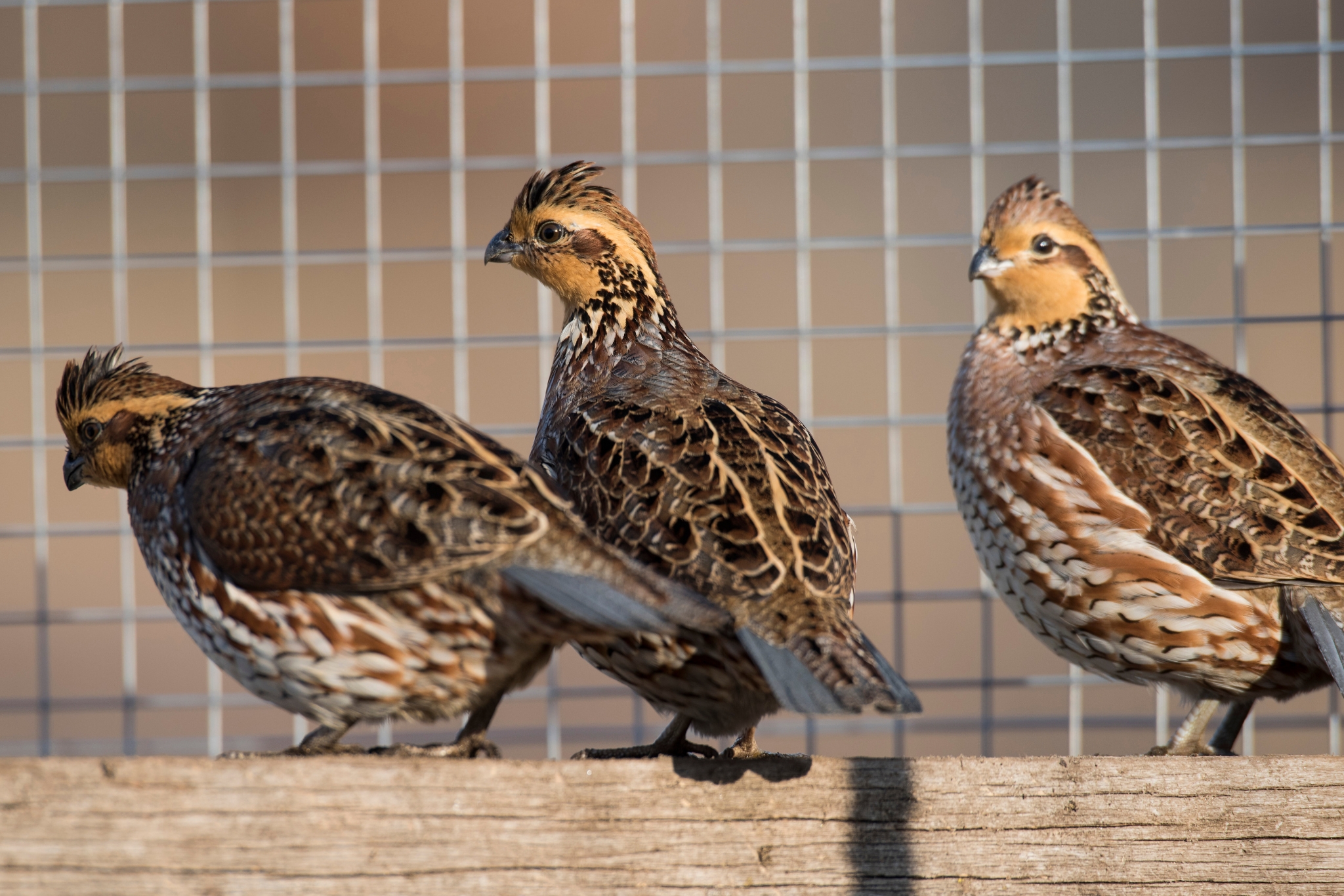
Quail have quietly become one of the most popular birds in the backyard homesteading world, and it’s not hard to see why. They’re small, relatively quiet, prolific egg layers, and they don’t require nearly as much space as chickens.
For people who have always wanted to keep poultry but don’t have a large property—or live somewhere with strict HOA or local rules—quail can be an appealing alternative.
But that doesn’t mean they’re completely hands-off. Like any livestock, quail need appropriate housing, food, clean water, protection from predators, and a safe environment where they can behave naturally.
You’ll also want to check your local regulations before bringing them home, since rules for keeping quail can vary depending on where you live.
If you’re considering adding a small covey to your backyard, this article covers the basics you need to know, from local legality and enclosure setup to feeding, egg production, and the everyday realities of keeping quail in a suburban setting.
Why Quail Are the Suburban Homesteader’s Best Kept Secret
Before getting into the practical side of raising quail, it helps to understand why so many backyard homesteaders are choosing them in the first place.
Coturnix quail are especially popular because they’re small, mature quickly, and can start producing eggs at a surprisingly young age.
A healthy Coturnix hen can begin laying at around 6 to 8 weeks old, which is considerably faster than chickens, which typically take several months to reach laying age. They also reach their mature size quickly, making them an appealing option for anyone interested in raising birds for eggs or meat without waiting through a long growing period.
Their small size is another major advantage, especially for suburban households. A properly designed quail enclosure can fit into a relatively compact space, such as a patio, shed, garage, or dedicated outdoor area. Some keepers even use indoor setups when they’re designed specifically for safe, clean, and well ventilated quail housing.
And unlike chickens, quail don’t have the same reputation for taking over the backyard. You don’t have to deal with a rooster crowing at dawn, a flock scratching through your flower beds, or large birds wandering into the neighbor’s yard.
Their compact size and contained lifestyle also make them a practical option for people who want to raise their own eggs without turning their entire backyard into a poultry yard.
Of course, being small and easy to house doesn’t mean quail can be overlooked. They still need secure housing, proper ventilation, good nutrition, and protection from predators. But when space is limited, their size and fast maturity are a big part of what makes Coturnix quail so appealing.
Is It Legal to Keep Quail Where You Live?
This is the first question you need to answer before you buy a single bird, or get too attached to the idea of keeping quail. The rules can vary by city, county, state, and HOA, and just because someone online keeps quail doesn’t mean the same setup is legal where you live.
Here are the main things to check:
Municipal codes:
Start with your city’s animal, zoning, and nuisance ordinances. Look for terms such as “poultry,” “fowl,” “game birds,” and “quail.”
Don’t assume quail are automatically treated the same way as chickens. Some animal code includes specific rules for poultry and livestock, including enclosure and location requirements, so local definitions and restrictions matter.
HOA restrictions:
If you live in an HOA, it’s important to read the rules carefully. An HOA may have its own restrictions on poultry, livestock, or outdoor animal enclosures even when your city allows them.
Keep in mind that A rule doesn’t have to mention “quail” by name to potentially apply to them.
State wildlife regulations:
This is another area where species matters. Domestic Coturnix quail aren’t necessarily regulated the same way as native or wild quail, but state wildlife rules can still apply to certain species or situations.
Don’t confuse domestic quail with wild quail:
The quail you see wandering around your neighborhood or desert landscape are not automatically the same thing as domesticated Coturnix raised for eggs.
Some states regulate wild quail species as game birds, so you shouldn’t assume that rules governing wild birds automatically apply to domesticated birds or vice versa.
Check before you build:
Even if quail are allowed, there may be rules about where your enclosure can sit, how close it can be to neighboring properties, how many birds you can keep, and how odors or waste must be managed. It’s much easier to verify those requirements before buying quails and building a hutch than to change everything afterward.
How Much Space Do Quail Actually Need?
This is one of the areas where quail really do have an advantage over chickens. They’re small, don’t need to free range, and can thrive in a well designed enclosure without taking over your backyard. That makes them especially appealing for suburban homesteaders who want to keep a small group of quails without needing a full size poultry setup.
As a general starting point, plan for:
- About 1 square foot of floor space per bird as a minimum, with additional space always being better when you can provide it.
- Around 10 to 12 inches of enclosure height can work for Coturnix quail, since they don’t need the same vertical space or roosting setup as chickens.
- 6 to 8 quail can fit comfortably in an enclosure roughly comparable to a large rabbit hutch, provided the design offers adequate floor space, ventilation, shelter, and enrichment.
One of the biggest advantages of quail is that they don’t need to roam around the yard to have a good quality of life. You can keep an entire covey in a relatively compact, secure enclosure that would be far too small for a comparable number of chickens.
A raised hutch can also make cleaning and waste management much easier, particularly when the enclosure is designed with a removable tray or other system for collecting droppings.
|
!
|
A Note About Flooring
Wire flooring can make cleanup convenient, but it shouldn’t be the only consideration when designing a long term enclosure. Quail have delicate feet, and poorly designed or overly coarse wire can contribute to foot and leg problems.
If you use wire, choose an appropriate size and construction, provide solid or well supported resting areas where practical, and check your birds’ feet regularly for irritation or injury.
|
Setting Up the Coop What Quail Actually Need
A backyard quail setup doesn’t need to be complicated or expensive, especially when you compare it with a full size chicken coop.
The key is creating a secure and comfortable enclosure that protects your birds from predators, gives them a place to hide, and makes daily cleaning and care easy.
Enclosure basics
- Secure walls: Use solid panels or appropriately sized wire to create a sheltered environment. Quail are prey animals, so having areas where they feel protected and out of sight can help reduce stress.
- A safe top: Quail can launch straight upward when they’re startled, and sudden flights can result in head injuries if they hit a hard ceiling. A flexible or padded top can reduce the risk. If you use netting or other soft material, make sure it’s securely attached and can’t create an entanglement hazard.
- Predator-proof construction: Secure every side of the enclosure, including the bottom. Raccoons, rats, snakes, and other predators can be surprisingly persistent and can reach through openings or dig underneath poorly protected housing. Use sturdy hardware cloth or another appropriately secure material rather than relying on flimsy chicken wire.
Bedding
- Pine shavings, straw, and hemp bedding can all work well when it is kept clean and dry.
- Avoid cedar shavings, since aromatic oils and dust can irritate the respiratory systems of birds.
- Whatever bedding you choose, replace soiled material regularly and make sure the enclosure stays well ventilated.
Nesting
- Quail aren’t particularly demanding when it comes to nesting boxes. Many hens will simply lay their eggs wherever they happen to be comfortable rather than consistently using a dedicated nest box.
- A soft layer of appropriate bedding across the floor can provide both cushioning and a comfortable place for hens to lay.
Dust bathing
- A shallow tray filled with clean dry sand gives your quail a place to dust bathe, which is an important natural behavior.
- Dust bathing helps birds maintain their feathers and can help reduce external parasites such as mites and lice.
- Keep the dust bath material dry and replace it when it becomes heavily soiled. If you’re adding wood ash, use only clean, untreated ash and avoid anything containing chemicals, charcoal lighter fluid, or other contaminants.
What Do Backyard Quail Eat?
Feeding quail is relatively straightforward, but their nutritional needs aren’t exactly the same as those of chickens.
|
Did You
Know? |
Quail generally need a higher protein diet, especially while they’re growing, so ordinary chicken feed isn’t always the best long term choice.
|
A basic feeding setup can include:
- Game bird starter feed: For growing chicks, a quality game bird or quail starter formulated around 24% to 28% protein is commonly used through the early growth period, often until around 6 weeks of age. Follow the specific feed manufacturer’s recommendations, since formulations and feeding schedules can vary.
- Game bird layer feed: Adult laying hens generally need a complete layer ration with appropriate protein, calcium, and other nutrients. A feed in the 20% to 24% protein range may be appropriate depending on the formulation and the birds’ needs.
- Fresh water: Clean water should be available at all times. Use a shallow, quail-safe waterer or a properly designed nipple system, and make sure chicks can easily access it without a drowning risk. Don’t forget to clean and refill waterers regularly.
- Occasional treats: Leafy greens, small amounts of chopped vegetables, and treats such as mealworms can add variety and enrichment.
The most important part of the feeding routine is making sure a complete, age appropriate quail or game bird feed remains the foundation of the diet. Treats are fun, but they shouldn’t become a substitute for a properly formulated ration.
Also keep in mind that chicks, laying hens, breeding birds, and meat birds can have different nutritional requirements. Choosing a feed specifically formulated for the stage of life your quail are in is one of the easiest ways to avoid nutritional problems.
The Noise Question Will Your Neighbors Notice?
For suburban keepers, noise is often one of the biggest questions—and the honest answer is that it depends heavily on which quail you keep.
- Hens are relatively quiet. They tend to make soft calls, trills, and occasional peeps rather than loud repetitive vocalizations. In a typical backyard setting, their sounds are unlikely to carry as far as a rooster’s crow.
- Males are the noisy ones. Male Coturnix quail can produce a distinctive crowing call that is surprisingly loud and repetitive. Unlike a rooster, a male quail doesn’t necessarily limit his calling to the early morning, so you may hear him throughout the day.
If noise is a serious concern, keeping an all female group is one of the simplest ways to keep the sound level down. You also won’t need a male if your goal is simply to collect eggs for eating, since hens will lay unfertilized eggs without a rooster.
However if you do want to hatch your own quail, you’ll need males for fertile eggs. In that case, consider the placement of the enclosure carefully and think about how much noise your neighbors are likely to tolerate. Even a small bird can become a neighborhood nuisance if a particularly vocal male is calling throughout the day.
|
The
Quiet Setup |
For most suburban households, the quietest setup is a small group of hens in a secure, well designed enclosure.
It’s one of the reasons quail can work so well where chickens (or especially roosters) wouldn’t be practical.
|
Quail Eggs What to Expect
One of the biggest reasons people decide to keep quail is for the eggs.
- A healthy Coturnix hen can lay very frequently once she reaches maturity, sometimes producing close to an egg a day under good conditions—and even a small flock can give you more eggs than you might expect from such a compact group of birds.
- Quail eggs are smaller than chicken eggs (roughly one third the size of a typical chicken egg) but they have a similar overall flavor and a relatively rich yolk compared with the amount of white.
- When cooking or baking, you’ll generally need several quail eggs to replace 1 chicken egg. As a rough guide, 5 to 6 quail eggs are often equivalent to 1 large chicken egg, although the exact ratio can vary by egg size and recipe.
- Quail eggs are versatile in the kitchen. They’re popular for pickling, appetizers, garnishes, salads, and specialty dishes where their small size makes them especially appealing. Their distinctive appearance can make an otherwise ordinary dish feel a little more special.
- If your hens are producing more eggs than your household can use, there may be an opportunity to put that surplus to work. Quail eggs can have appeal at farmers markets, specialty food events, or among local chefs, although you’ll need to check your local food safety and sales regulations before selling them.
Common Beginner Mistakes to Avoid
Quail may be relatively easy to keep compared with larger poultry, but there are a few common mistakes that can create unnecessary health, safety, and management problems.
Avoiding these issues from the start can make your backyard setup much easier to maintain:
1. Housing quail with chickens.
It’s best to keep quail and chickens in separate enclosures.
Chickens can carry and spread certain diseases and parasites that may not affect them severely but can be much more problematic for quail. Keeping the species separate also makes it easier to manage their different housing and nutritional needs.
2. Skipping the soft top cover.
Quail can launch straight upward when they’re startled, sometimes with surprising force. If they hit a hard enclosure ceiling, they can suffer serious head or neck injuries.
A flexible or padded ceiling can reduce this risk and is an important safety feature, particularly in smaller enclosures.
3. Overcrowding your birds.
Quail may be small, but they still need adequate space. Crowded conditions can increase territorial behavior, pecking, stress, and competition around food and water.
If you’re deciding between adding more birds or giving your existing birds more room, more space is usually the better choice.
4. Assuming quail can free range like chickens.
Quail are fast, nervous, and capable of disappearing into surprisingly small spaces. Once they’re loose in an open backyard, catching them can be extremely difficult, and they’re vulnerable to predators.
For most suburban setups, a secure enclosure or fully enclosed run is a much safer option than allowing quail to roam freely.
Is Keeping Quail Right for Your Backyard?
If you’re working with limited space, want a steady supply of eggs, and are looking for a relatively low noise way to get started with backyard poultry, quail can be a great option.
Their small size, quick maturity, and manageable housing requirements make them especially appealing for suburban homes, small lots, and people who aren’t ready to commit to a full chicken coop and run.
They’re also worth considering if you’re new to keeping livestock. A properly designed quail setup can be compact and relatively straightforward to maintain, and some enclosures can be moved if you’re renting or expect to change homes.
With that said, “low maintenance” doesn’t mean no maintenance—quail still need daily access to clean water, appropriate feed, secure housing, and regular care.
Before bringing your birds home, there are 3 things worth getting right from the beginning:
- Check your local regulations
- Choose an all female covey if keeping noise to a minimum is important
- And invest in a secure enclosure with a safe top
Those decisions can prevent many of the most common problems new keepers run into.
Get the basics right, give your birds enough space and protection, and quail can be a surprisingly rewarding addition to a backyard homestead.