Sea Lion vs Seal How to Tell Them Apart
Learn the key differences between sea lions and seals—from their visible ears to how they move on land and behave in the water. This complete guide will help you identify these charismatic marine mammals, with expert tips and fascinating facts along the way.
- The Quick Answer: What’s the Difference?
- Physical Differences: Spotting Sea Lions and Seals
- Behavioral Differences: How They Act in the Wild
- Where They Live: Habitat and Range
- Swimming and Diving Abilities
- Diet: What Do They Eat?
- Conservation Status: Protecting These Marine Treasures
- The Bottom Line on Sea Lions vs Seals
If you’ve ever watched a sleek marine mammal basking on coastal rocks or performing tricks at an aquarium, you might have wondered: “Is that a Seal or a Sea Lion?”
You’re not alone! These charming ocean dwellers often get confused, but once you know what to look for, telling them apart becomes second nature.
Let’s dive into everything you need to know about Sea Lions versus Seals, from their physical features to their fascinating behaviors.
What’s the Difference?
What’s the easiest way to distinguish Sea Lions from Seals? Check their ears and how they move!
Sea Lions have visible external ear flaps and can “walk” on land using their large front flippers, while Seals have no external ears and wiggle along on their bellies.
Think of Sea Lions as the more mobile, social butterflies of the pinniped world, while Seals are the quieter, more solitary swimmers.
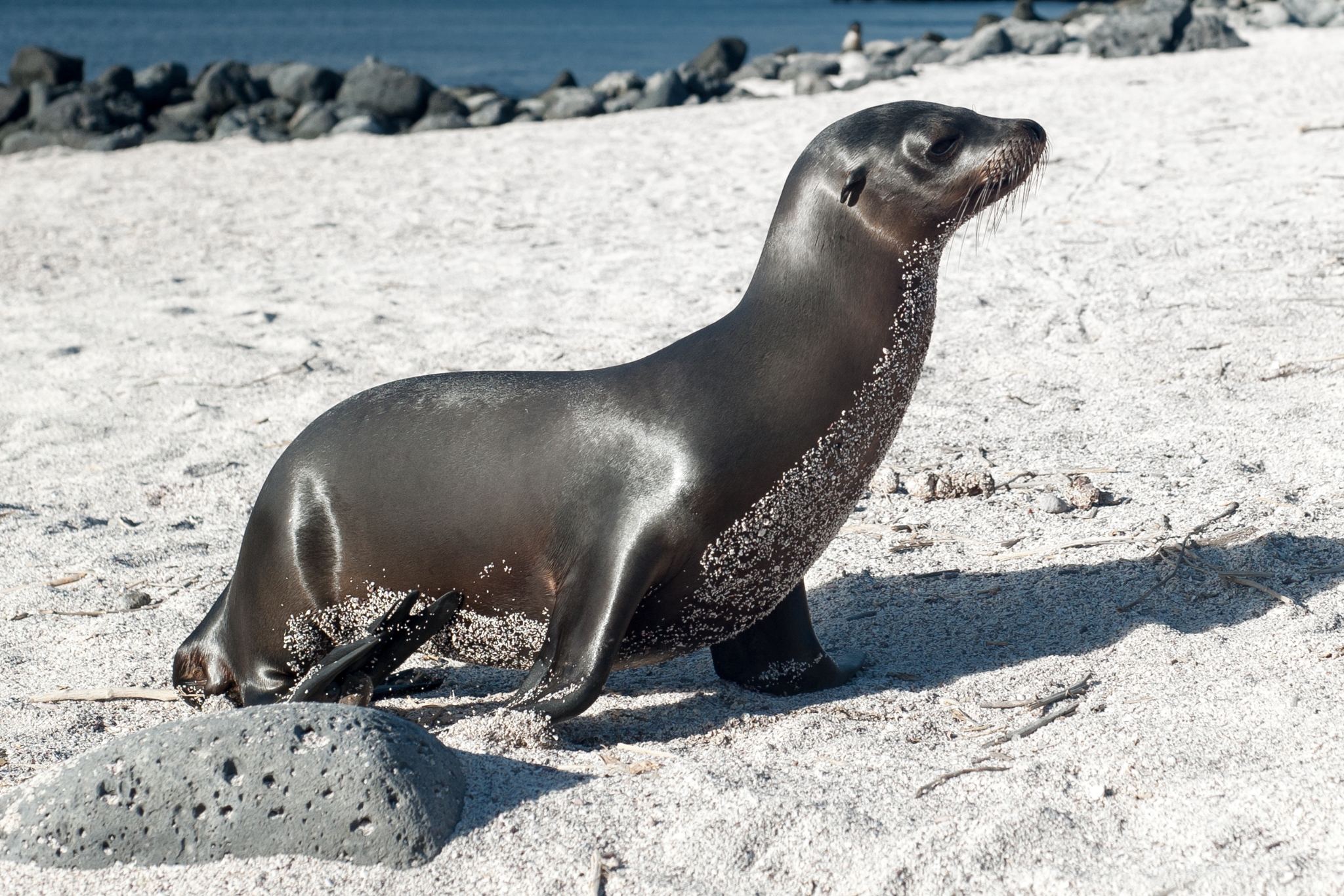
Has visible external ear flaps (pinnae), giving them a dog-like face. Large, powerful front flippers define their profile.
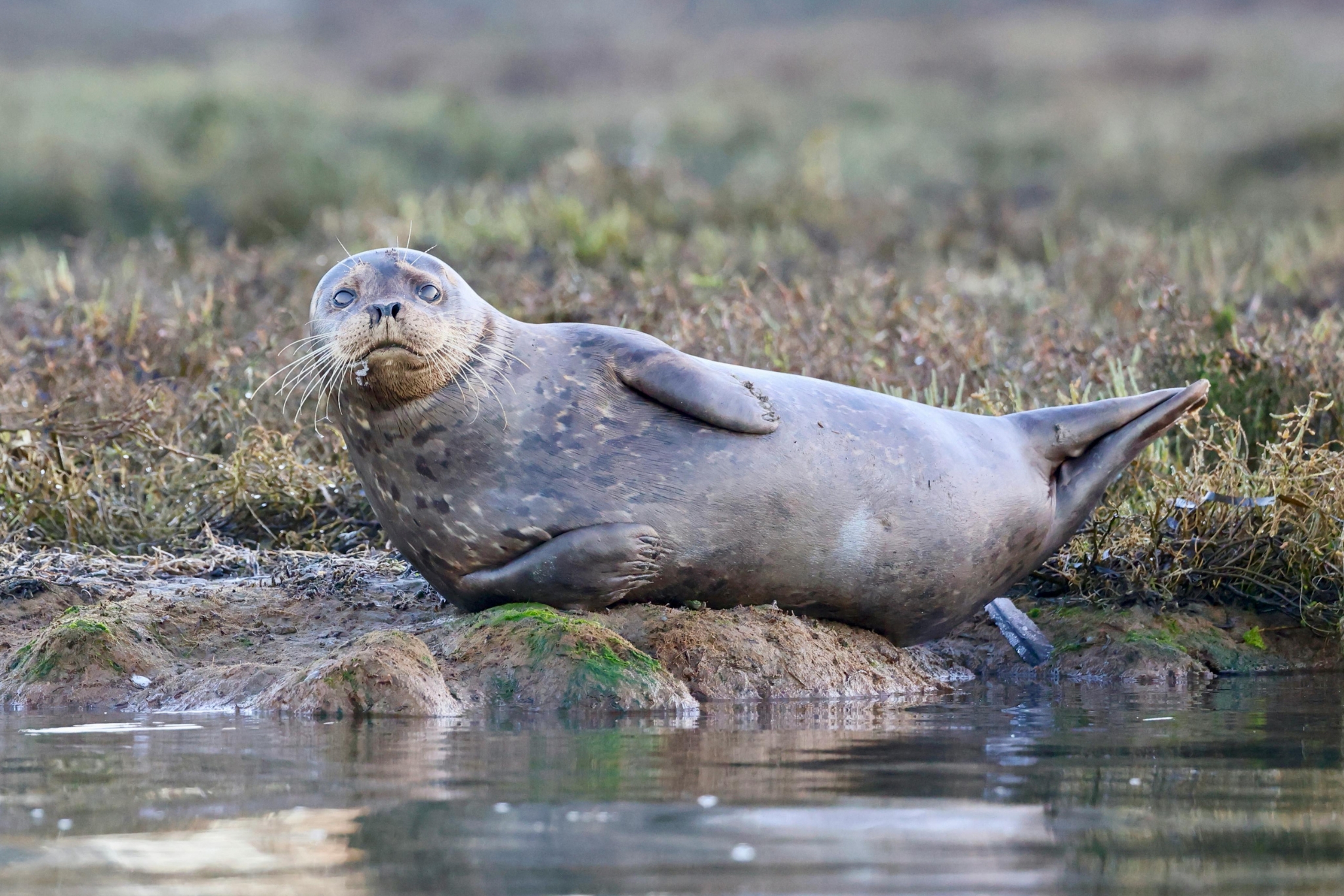
No external ear flaps — just small openings on the side of the head. Smoother, more streamlined body overall.
Can rotate their rear flippers forward and walk on all four limbs — agile and fast on shore.
Rear flippers cannot rotate forward, so they use an adorable belly-wiggling motion to move on land.
Propel themselves with powerful front flippers — a motion similar to underwater flying. Often hunt in groups.
Use rear flippers and lower body to generate thrust, moving like a fish. Elephant seals dive over 5,000 ft deep.
Highly social — gather in large, noisy rookeries. They bark, establish territories, and are the stars of most marine mammal shows.
Generally more solitary and quieter. Some species form groups during breeding season, but are far more reserved.
Primarily the Pacific Ocean — from California to South America, and around Australia and New Zealand. Not found in the Atlantic.
Wider global range — both Atlantic and Pacific Oceans, Arctic to Antarctic, and even some freshwater lakes.
Spotting Sea Lions and Seals
Sea Lions: The Performers
- Sea Lions are built for speed in the water and agility on land.
- They have visible external ear flaps (called pinnae), which give them a more dog-like appearance.
- Their front flippers are notably large and powerful, perfect for their signature “walking” gait on shore.
FAUNA FACT: California Sea Lions, one of the most recognizable species, have sleek torpedo shaped bodies, and can weigh anywhere from 200 to 850 pounds!
Seals: The Swimmers
- Seals have a smoother, more streamlined look and lack external ear flaps, instead having small ear openings on the sides of their heads.
- Their rear flippers are designed for powerful swimming strokes but can’t rotate forward, which is why Seals scoot along on land using an adorable belly wiggling motion.
How They Act in the Wild
Social Butterflies vs. Solo Artists
Sea Lions are incredibly social creatures who gather in large noisy colonies called “rookeries”. During breeding season, you’ll find them barking loudly (yes, they actually bark!) and establishing territories on beaches and rocky outcrops.
They’re also the stars of most marine mammal shows because they’re easier to train and more interactive.
Seals tend to be more solitary and quieter, though some species do form groups during breeding season. They’re generally more reserved and spend less time socializing compared to their Sea Lion cousins.
Habitat and Range
Both Seals and Sea Lions are found throughout the world’s oceans, but their distributions vary by species.
Sea Lions primarily inhabit the Pacific Ocean, from the coastal waters of California down to South America, and around Australia and New Zealand. You won’t find Sea Lions in the Atlantic Ocean.
Seals have a wider global distribution, living in both the Atlantic and Pacific Oceans, with some species even thriving in freshwater lakes. From the Arctic to Antarctic regions, different Seal species have adapted to various marine environments.
Swimming and Diving Abilities
When it comes to underwater performance, both animals are impressive, but they use different techniques.
Sea Lions propel themselves using their powerful front flippers in a motion similar to underwater flying.
Seals use their rear flippers and lower body to generate thrust, moving more like a fish.
Both can dive to impressive depths. Elephant Seals hold the record among pinnipeds, diving over 5,000 feet deep and staying underwater for up to 2 hours!
What Do They Eat?
Sea Lions and Seals share similar diets consisting mainly of fish, squid, octopus, and other marine creatures. However, their hunting techniques differ based on their physical adaptations.
Sea Lions often hunt in groups and use their excellent underwater vision and whiskers to locate prey.
Seals typically hunt alone and rely heavily on their sensitive whiskers to detect vibrations from fish in murky water.
Protecting These Marine Treasures
Many Seal and Sea Lion species face conservation challenges from habitat loss, climate change, fishing net entanglement, and pollution.
Organizations worldwide work to protect these amazing animals through rescue programs, habitat preservation, and public education.
If you’re lucky enough to encounter Seals or Sea Lions in the wild, remember to observe them from a safe distance. These are wild animals that are protected by laws, and approaching them can cause stress and potentially dangerous situations.
The Bottom Line on Sea Lions vs Seals
Whether you’re team Sea Lion or team Seal, both of these charismatic marine mammals deserve our appreciation and protection.
The next time you’re visiting the coast or watching a nature documentary, you’ll be able to confidently identify which adorable creature you’re admiring.
Sea Lions will be the ones with ear flaps, walking around and probably making noise, while Seals will be the earless ones doing their signature belly wiggle!