This Wild Dog Whistles Instead of Barks Meet the Amazing Dhole!
Ever heard of a dog that whistles? Meet the dhole! Discover why this endangered Asian wild dog is one of nature’s most incredible pack hunters.
- What Is a Dhole? Understanding This Unique Wild Dog
- Habitat and Range: Where Do Dholes Live?
- The Social Butterfly of the Canid World
- Whistling While They Work: Unique Vocalizations
- Master Hunters: Dhole Hunting Strategies
- Physical Features That Set Dholes Apart
- Reproduction and Family Life
- Conservation Status: Why Dholes Need Our Help
- Dhole vs. Other Wild Canids: How Do They Compare?
- Can Dholes Be Pets? (Spoiler: Please Don’t)
- Fun Facts to Impress Your Friends
- How You Can Help Protect Dholes
- Join the Dhole Fan Club
If you’re absolutely obsessed with canines like we are, you’re going to flip for the dhole!
This stunning wild canid is one of nature’s best kept secrets, and honestly? It’s about time more people knew about these incredible creatures.
Let’s dive into everything you need to know about the dhole dog, from their unique vocalizations to their impressive hunting strategies.
What Is a Dhole? Understanding This Unique Wild Dog
The dhole (pronounced “dole”), scientifically known as Cuon alpinus, is a wild canid native to Central, South, and Southeast Asia.
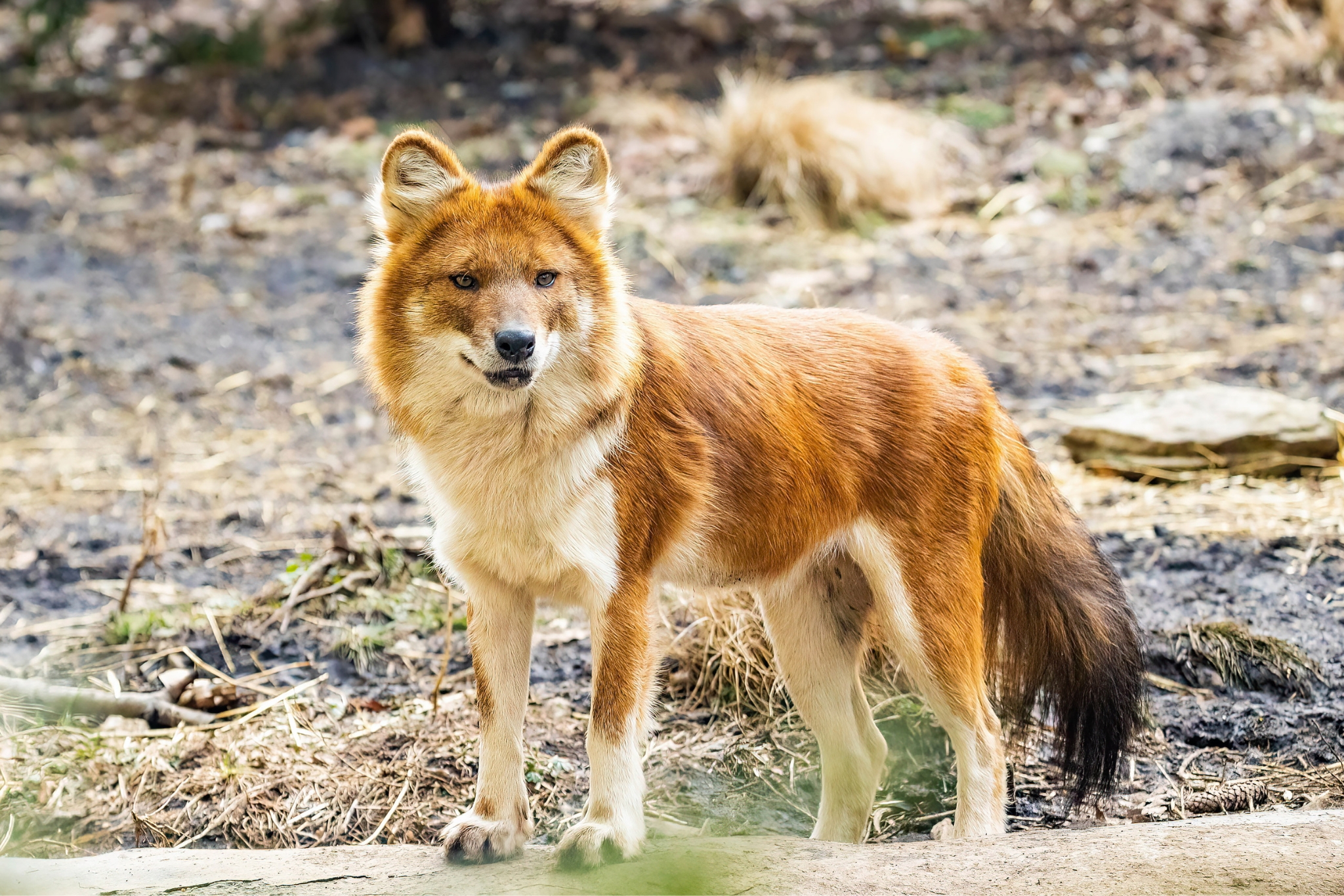
Often called the Asiatic wild dog, Indian wild dog, or whistling dog, dholes are neither true dogs nor wolves, but occupy their own distinct genus in the canid family tree.
With their gorgeous rusty red coats, bushy tails, and expressive rounded ears, dholes are absolutely stunning to look at. They typically weigh between 22 to 44 pounds and stand about 20 inches tall at the shoulder, making them medium sized canids that are built for endurance and agility.
Where Do Dholes Live?
Historically, dholes roamed across a vast territory spanning from Siberia to Java. Today, their range has sadly shrunk significantly due to habitat loss and human encroachment. You can still find dhole populations in:
- Indian subcontinent (including forests in Karnataka, Kerala, and Northeast India)
- Southeast Asian countries like Thailand, Myanmar, and Indonesia
- Parts of Central Asia and the Russian Far East
- Scattered populations in China and the Korean Peninsula
These adaptable canines thrive in diverse habitats including deciduous forests, evergreen rainforests, alpine regions, and even scrublands.
They’re incredibly versatile, which makes their declining numbers even more heartbreaking.
The Social Butterfly of the Canid World
Here’s where dholes really shine: their social structure is goals.
Unlike many other wild canids, dholes are extremely social animals that live in large cooperative packs. These packs typically consist of 5 to 12 individuals, but some supergroups can include up to 40 members!
What makes dhole society especially fascinating is their egalitarian approach. Unlike wolf packs with strict hierarchies, dhole packs exhibit less dominance based aggression and more cooperative behavior.
Multiple females in the pack may breed, and the entire group participates in raising the pups. Talk about a village raising a child!
Unique Vocalizations
One of the most distinctive features of dholes is their incredible vocal repertoire. These chatty canines can produce a wide range of sounds, including their signature whistle that earned them the nickname “whistling dog.” Their communication toolkit includes:
- High pitched whistles for long distance contact
- Clucking sounds during social interactions
- Screams and chatters while hunting
- Low whines and growls
This complex vocal system allows dholes to coordinate hunts with remarkable precision, even in dense forest environments where visual contact is limited.
Dhole Hunting Strategies
If you thought dholes were impressive before, wait until you hear about their hunting prowess!
These medium sized predators regularly take down prey much larger than themselves, including deer, wild boar, and even water buffalo. Their secret? Teamwork makes the dream work!
Dhole hunting strategies include:
- Coordinated Pack Hunting: Working together with military precision, dholes use relay tactics where fresh pack members rotate in to chase exhausted prey.
- Exhaustion Method: Rather than relying on a quick takedown, dholes pursue prey over long distances, wearing them down through stamina rather than speed alone.
- Strategic Communication: Those whistles and calls we mentioned? They’re constantly used during hunts to coordinate movements and share information about prey location.
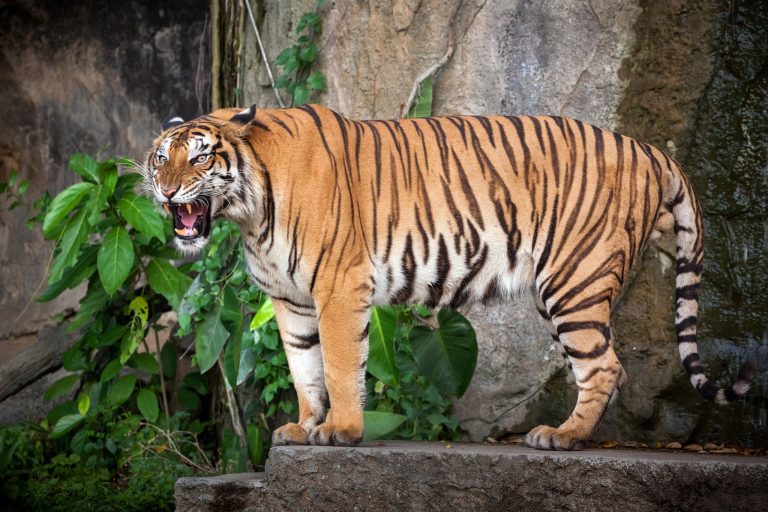
- Fearless Approach: Dholes have been observed taking on formidable predators like tigers and leopards when competing for food, showing remarkable courage for their size.
Physical Features That Set Dholes Apart
Beyond their striking rusty red coats, dholes possess several unique physical characteristics:
- Unique Teeth: Dholes have one less molar on each side of their lower jaw compared to other canids, giving them a total of 40 teeth instead of 42.
- Distinctive Tail: Their bushy black tipped tails are about half their body length and serve as important visual signals during hunting.
- Rounded Ears: Unlike the pointed ears of wolves, dholes have rounded erect ears that give them an endearing appearance.
- Shorter Legs: Proportionally shorter legs compared to wolves make them incredibly agile in dense forest environments.
Dhole Reproduction
Dhole reproduction is adorable and fascinating. The breeding season typically occurs between November and March, with females giving birth to litters of 4 to 6 pups after a gestation period of about 60 to 63 days.
The entire pack participates in raising the young, with non-breeding adults helping to feed, protect, and teach the pups.
This alloparenting behavior significantly increases pup survival rates and strengthens pack bonds. Pups are weaned at around 2 months and start participating in hunts by 6 to 7 months of age.
Why Dholes Need Our Help
Here’s the not so fun part: dholes are currently listed as Endangered on the IUCN Red List.
Their population has declined dramatically over the past century, with estimates suggesting fewer than 2,500 mature individuals remain in the wild.
The main threats facing dholes include:
- Habitat loss and fragmentation due to deforestation and human development
- Depletion of prey species
- Disease transmission from domestic dogs
- Persecution by humans protecting livestock
- Competition with other large predators
Conservation efforts are underway in several countries, including protected areas in India, Thailand, and Indonesia. However, more research and protection measures are desperately needed to ensure these magnificent animals don’t disappear forever.
Dhole vs. Other Wild Canids How Do They Compare?
Wondering how dholes stack up against their canid cousins? Let’s break it down:
- Dholes vs. African Wild Dogs: Both are highly social pack hunters, but dholes are generally more adaptable to different habitats and have that distinctive whistling communication.
- Dholes vs. Wolves: Wolves are larger and have more rigid pack hierarchies, while dholes are more egalitarian and rely more on endurance than power during hunts.
- Dholes vs. Domestic Dogs: Despite similar size to some domestic dog breeds, dholes are wild animals with entirely different social structures, communication methods, and survival strategies.
Can Dholes Be Pets? (Spoiler: Please Don’t)
30We know they’re adorable, but dholes are absolutely not suitable as pets.
They’re wild animals with complex social needs, specific dietary requirements, and natural behaviors that cannot be met in a domestic setting. Plus, it’s illegal in most places to keep dholes as pets, and for good reason.
If you love dholes, the best way to support them is through conservation organizations working to protect their habitats and populations in the wild.
Fun Facts to Impress Your Friends
Ready for some seriously cool dhole trivia?
- Dholes are excellent swimmers and have been observed hunting prey in water.
- They can jump over 6 feet high from a standing position.
- The name “dhole” possibly comes from the Kannada word “tōḷa,” meaning wolf.
- Dholes have been documented in folklore and literature across Asia for centuries.
- Unlike many canids, dholes rarely bark, preferring their signature whistles and clucks.
- They’re diurnal hunters, meaning they’re most active during daylight hours.
How You Can Help Protect Dholes
Want to make a difference for these amazing animals? Here’s how:
- Support wildlife conservation organizations working specifically with dhole populations.
- Spread awareness about dholes on social media and educate others about their importance in ecosystems.
- Support sustainable tourism in areas where dholes live, and choosing eco-friendly tour operators.
- Advocate for stronger wildlife protection laws in countries where dholes are found.
Join the Dhole Fan Club
Dholes are absolutely incredible creatures that deserve way more attention than they currently get. From their whistling communication to their cooperative hunting strategies and tight knit family groups, these wild dogs are truly one of nature’s most fascinating social carnivores.
As their populations continue to decline, it’s crucial that we recognize the importance of preserving these unique animals and their habitats.
Whether you’re a wildlife enthusiast, dog lover, or conservation advocate, learning about and supporting dhole conservation is something we can all feel good about.
So the next time someone asks you about your favorite wild canid, you know what to say: it’s definitely the dhole!
These rusty red hunters with their whistling calls and cooperative spirit represent everything that’s amazing about the natural world. Let’s make sure they’re around for generations to come.