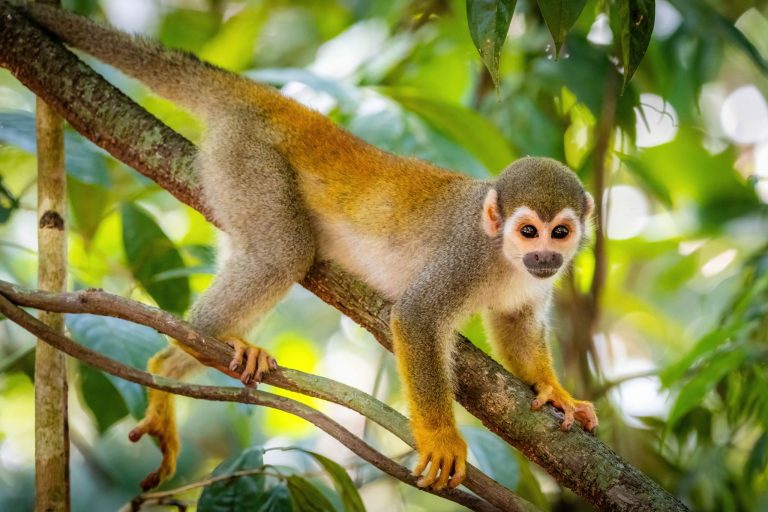
Why Exotic Pets Need Choices: The Complete Guide to Animal Agency
If you’re caring for an exotic pet – whether it’s a marmoset, a parrot, a fennec fox, or a serval – you might think providing food, water, and a clean enclosure is enough. But here’s something that might surprise you: one of the most important things you can give your exotic pet is the power to make choices.
Yes, you read that right! Giving your exotic pets choices isn’t just a nice bonus – it’s absolutely essential for their mental and physical wellbeing.
Let’s dive into why choice matters so much for exotic pets and how you can incorporate this game changing concept into your pet care routine.
What Does “Choice” Mean for Exotic Pets?
When we talk about giving exotic pets choices, we’re referring to animal agency – the ability for animals to have some control over their environment and daily experiences.
In the wild, animals constantly make decisions: where to forage, when to rest, where to hide from predators, which branch to perch on, and how to interact with their surroundings.
In captivity, we often inadvertently remove these opportunities for decision making. We decide when they eat, where they sleep, what temperature they experience, and how they spend their time. While we do this with the best intentions, this lack of control can actually harm our pets’ psychological wellbeing.
The Science Behind Why Choices Matter
Research in animal behavior and welfare has consistently shown that having choices reduces stress and improves quality of life for captive animals. Here’s why it’s so important:
Reduces Learned Helplessness
When animals have no control over their environment, they can develop a condition called learned helplessness. This psychological state occurs when an animal learns that nothing they do matters or makes a difference. The result? They may stop trying to engage with their environment altogether, leading to depression-like symptoms, decreased activity, and poor overall health.
Lowers Stress Hormones
Studies have demonstrated that animals who can make choices about their environment show lower levels of cortisol (the stress hormone) compared to those without such opportunities. Chronic stress in exotic pets can lead to weakened immune systems, digestive issues, behavioral problems, and shortened lifespans.
Promotes Natural Behaviors
Having choices allows exotic pets to express their natural behavioral repertoire. A parrot who can choose which perch to use, what toy to play with, or whether to interact with humans is more likely to display natural foraging, climbing, and social behaviors. This behavioral expression is crucial for psychological health.
Enhances Cognitive Function
Making decisions keeps your pet’s brain active and engaged. For intelligent species (such as primates and parrots), this mental stimulation is as important as physical exercise. Animals who regularly make choices show better problem solving abilities and less cognitive decline as they age.
Real World Examples: What Choice Looks Like for Different Exotic Pets
Let’s get practical! Here’s some ideas on how you can give your exotic pet choices:
For Exotic Cats (Bobcats, Servals, and Other Small Wild Cats)
Exotic cats are predators with strong territorial and hunting instincts that require sophisticated choice based care.
- Provide multiple elevated platforms and perches at various heights – cats should be able to choose high vantage points for surveying or lower spots for stalking.
- Create several hiding spots and den boxes in different locations and styles (enclosed, partially open, elevated, ground level).
- Offer varied terrain including rocks, logs, grass, and bare ground.
- Implement enrichment that allows hunting behaviors through choice – use puzzle feeders, food scattered in different locations, or prey mimicking toys they can choose to stalk.
- Include both sunny basking spots and shaded areas.
- Provide multiple scratching posts and surfaces of different textures.
- Ensure they can retreat to areas where they feel completely secure and away from human observation when they choose.
For Reptiles (Bearded Dragons, Snakes, Etc.)
- Create a thermal gradient in their enclosure with warm and cool zones, allowing them to thermoregulate by moving to their preferred temperature.
- Offer multiple hiding spots at different locations so they can choose where to feel safe.
- Provide various climbing structures and basking spots at different heights.
- During feeding time, offer food in different locations or use feeding enrichment that lets them “hunt” if they choose.
For Foxes (Red Fox, Fennec Fox, Etc.)
Foxes are incredibly intelligent and need extensive choice opportunities to thrive.
- Create a complex outdoor enclosure with multiple den sites they can choose between – some elevated, some at ground level, some with multiple entrances.
- Provide varied substrate areas including grass, dirt for digging, and sand.
- Offer extensive foraging enrichment where they can choose to hunt for hidden food or eat from bowls.
- Include climbing structures, tunnels, and water features they can interact with or avoid.
- Most importantly, create zones where they can completely remove themselves from human view when they choose privacy.
For Birds (Parrots, Cockatiels, Etc.)
- Offer multiple perch types (different widths, textures, and materials) at various heights.
- Provide a variety of toys and bird safe live plants, but let your bird choose which to interact with.
- Create foraging opportunities where they can decide whether to work for their food or eat from a bowl.
- Most importantly, practice consent based interaction – let your bird choose whether to step up or interact with you rather than forcing interaction.
For Primates (Capuchins, Marmosets, Lemurs, Etc.)
Primates are highly intelligent and social, making choice absolutely critical for their psychological wellbeing.
- Create a complex three dimensional environment with multiple levels and pathways so they can choose their travel routes.
- Provide various sleeping areas and nesting materials they can arrange themselves.
- Offer diverse food presentation methods (like whole fruits, puzzle feeders, scattered items, hanging food) and let them choose how to forage.
- Include multiple enrichment items like ropes, swings, mirrors, and manipulable objects, rotating but not removing favorites.
- Provide social choice where possible – areas where they can be near others or retreat for alone time.
- Offer varied substrates and textures throughout their space.
- Give them control over interaction by creating spaces where they can approach caregivers or retreat.
- Use choice based training where they can opt in or out of interactions, health checks, and enrichment activities.
For Small Mammals (Sugar Gliders, Hedgehogs, Ferrets, Etc.)
- Provide multiple sleeping areas and hiding spots.
- Offer different substrate types in various areas of the enclosure.
- Create an enrichment schedule that includes novel items, but don’t remove old favorites – let them choose.
- Allow them to decide when to come out for handling by opening the enclosure and waiting for them to approach.
For Amphibians and Aquatic Species
Even frogs, salamanders, and aquatic turtles benefit from choices!
- Provide varied terrain with both water and land areas (for semi-aquatic species)
- Plants of different heights and densities for hiding
- Varied substrates that allow different textures and digging opportunities.
How to Start Implementing Choice in Your Pet Care
Ready to give your exotic pet more control? Here’s how to begin:
1. Assess Your Current Setup
Walk through your pet’s enclosure with fresh eyes. Ask yourself: If I were this animal, how many different things could I choose to do? How many different places could I go? Are there options for different experiences?
2. Start with Environmental Enrichment
Begin by adding variety to the physical environment. This is often the easiest place to start. Add an extra hide box, another perch, or a different type of substrate in one area. You don’t need to overhaul everything at once.
3. Implement “Choice Testing”
Offer your pet options and observe their preferences. For example, place two different hiding spots in the enclosure and see which one your pet uses more. This tells you about their preferences and allows you to refine their environment based on what they actually want, not what we assume they want.
4. Practice Consent Based Handling
This is huge for building trust! Instead of simply picking up your pet when you want interaction, create opportunities for them to choose. Open the enclosure and let them come to you. If they don’t want to interact, respect that. Over time, this builds a relationship based on trust rather than force.
5. Create Foraging Opportunities
In the wild, animals spend significant time searching for food. Recreate this by hiding food in different locations, using puzzle feeders, or scattering food rather than always presenting it in a bowl. Your pet can then choose whether to forage or eat the “easy” food.
The Welfare Benefits You’ll Notice
When you start giving your exotic pet more choices, you’ll likely observe some amazing changes:
✔️ Increased Activity Levels
Pets who have choices tend to be more active and engaged with their environment rather than sitting passively in one spot.
✔️ Better Appetite
Reduced stress often leads to improved eating habits and better digestion.
✔️ More Natural Behaviors
You’ll see your exotic pet expressing species specific behaviors more frequently – like climbing, foraging, exploring, and vocalizing.
✔️ Improved Human-Animal Bond
When interactions are based on choice rather than force, exotic pets often become more trusting and willing to engage with their caregivers.
✔️ Reduced Stereotypic Behaviors
Those repetitive, purposeless behaviors like pacing, excessive scratching, or feather plucking often decrease when animals have more control.
Common Mistakes to Avoid
As you implement choice in your exotic pet care, watch out for these pitfalls:
❌ Too Many Changes at Once
Don’t completely redesign your pet’s entire world overnight. Sudden massive changes can be stressful. Introduce new options gradually and observe how your pet responds.
❌ Ignoring Safety
Choice is important, but safety comes first. Don’t provide options that could harm your pet. For example, don’t create a temperature gradient that includes dangerously high temperatures, even if your pet might choose to use it.
❌ Removing Old Options Too Quickly
Just because your pet hasn’t used something recently doesn’t mean they don’t value having it available. Keep multiple options available rather than constantly swapping everything out.
❌ Misinterpreting Preferences
Sometimes animals choose the “easy” option not because it’s their preference but because they’ve learned helplessness. Continue offering varied choices even if your pet seems to always pick the same thing at first.
The Bigger Picture: Ethics and Responsibility
Providing choices for exotic pets in captivity is ultimately about respecting them as sentient beings with their own preferences, personalities, and needs. When we keep exotic animals as pets, we take on the responsibility of providing not just for their physical needs, but for their psychological wellbeing too.
The conversation about exotic pet ownership is evolving. More owners and professionals are recognizing that basic survival isn’t enough – our pets deserve to thrive.
Giving animals choices is a practical, achievable way to dramatically improve their quality of life.
Moving Forward: A Choice-First Approach
As exotic pet owners, we’re constantly learning and improving. The concept of animal choice and agency is becoming increasingly central to modern animal welfare science, and incorporating it into your care routine positions you as a thoughtful informed caregiver.
Remember, you don’t have to be perfect. Start small, observe your pet’s responses, and gradually build more opportunities for choice into their daily life. Every small step toward giving your exotic pet more control over their environment is a step toward better welfare.
Your exotic pet can’t tell you in words what they need, but by giving them choices, you’re giving them a voice. And trust me – they’ll use it to show you exactly what makes them happiest and healthiest.
Key Takeaways on Animal Agency
- Choice reduces stress and improves psychological wellbeing in captive exotic pets
- Animals need control over their environment to avoid learned helplessness
- Simple changes like multiple hides, enrichment, and consent based handling make a huge difference
- Start slowly and observe your pet’s preferences to guide improvements
- Choice based care strengthens the human-animal bond and promotes natural behaviors
Ready to transform your exotic pet care? Start by adding just one new choice to your pet’s environment today. You might be amazed at the difference it makes!