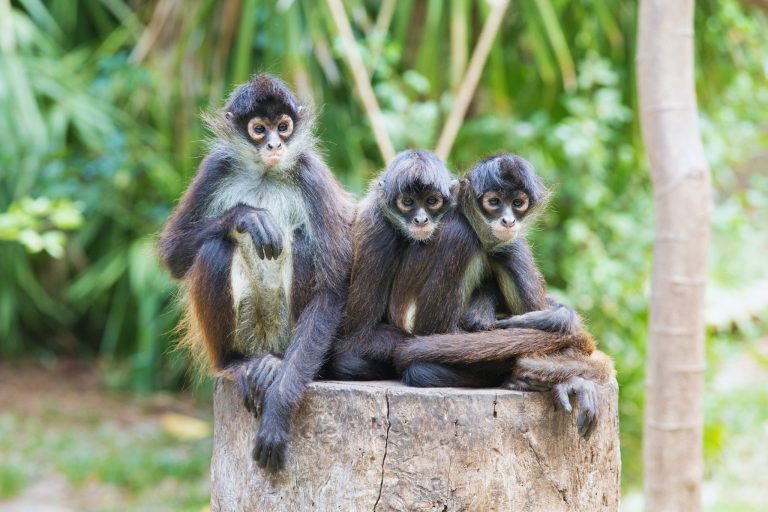
Why That Instagram Monkey Is Nothing Like the Reality of Primate Ownership
So you’ve seen those adorable videos of baby monkeys in tiny outfits, and you’re thinking a pet monkey might be the most amazing companion ever?
Trust me, I totally get the appeal! Those little faces are absolutely precious.
But as someone who has personally owned primates and cares deeply about animal welfare and helping people make informed choices, I want to share some important realities about what primate ownership is actually like.
Spoiler Alert: Primates are incredibly challenging and terrible pets for 99.9% of people, and here’s why…
The Irresistible Appeal (and Why It’s Misleading)
Let’s be honest – baby primates are ridiculously cute! Their tiny hands, expressive faces, and human-like behaviors make them seem like the ultimate exotic pet.
And social media only amplifies the fantasy, showcasing monkeys cuddling with their owners or doing cute playful tricks.
But here’s what those clips leave out: the day-to-day reality of sharing your home with a wild animal whose complex physical, social, and emotional needs are nearly impossible to meet in a typical household.
They’re Wild Animals, Not Domesticated Pets
This is the most important point: primates are not domesticated animals.
Dogs and cats have been selectively bred for thousands of years to live alongside humans. Primates? They’re still wild animals with wild instincts, no matter how young you get them or how you raise them.
Unlike your golden retriever who was literally bred to please humans, primates follow their own natural programming. That programming includes behaviors like:
- Aggressive behaviors
- Loud vocalizations
- Destructive tendencies
- Unpredictable mood swings
- Strong social hierarchies
The Aggression Problem Nobody Talks About
Here’s something most people don’t realize: even the sweetest baby monkey will become aggressive as it grows up.
Puberty hits primates hard, and suddenly that cuddly baby becomes a strong and unpredictable animal with:
- Incredibly sharp teeth capable of causing serious injuries
- Surprising strength – even small primates are much stronger than they look
- Sudden triggers that can cause unexpected attacks
Primate bites can cause severe injuries that may require reconstructive surgery, and they also carry risks of disease transmission.
While a very small number of owners manage to build strong communication, trust, and boundaries with their primate (resulting in very few, if any, biting incidents) these individuals are typically animal behavior professionals or people with extensive knowledge of primate behavior.
Their Complex Social Needs Are Practically Impossible to Meet
In the wild, primates live in complex social groups with hierarchies, grooming rituals, and intricate communication systems.
A typical human household (no matter how loving) simply can’t replicate that environment. As a result, pet primates often develop:
- Severe psychological issues caused by social deprivation
- Stereotypic behaviors such as rocking, thumb sucking, pacing, and self-harm
- Anxiety and depression that human attention alone can’t resolve
- Attachment disorders that lead to aggression or extreme clinginess
Unfortunately there are countless videos online of “animal influencers” showing pet monkeys displaying abnormal behaviors.
Primates raised in captivity are frequently treated like human children, and this kind of artificial social structure deeply and negatively affects their development and well-being.
The Intelligence Factor Works Against You
Primates are incredibly intelligent – something that sounds great at first, until you realize what that looks like in daily life. Their high intelligence means:
- They get bored easily and will tear apart your home looking for stimulation
- They outsmart childproofing and find their way into anything and everything
- They know how to manipulate and will push boundaries nonstop
- They need constant enrichment that’s nearly impossible to keep up with
Imagine living with a permanently curious toddler who never grows up, has the strength of an adult, will throw temper tantrums, and will be with you for 20 to 40 years. Exhausting, right?
The Financial Reality Check
Let’s talk money, because primate ownership is shockingly expensive:
- Initial Cost: $4,000 to $18,000 or more (depending on species)
- Specialized Veterinary Care: Limited vets treat primates, and costs are astronomical compared to cats and dogs
- Housing: $2,000 to $10,000+ for custom built caging that is appropriately sized
- Diet: Fresh fruits, vegetables, specialized primate food; $200 to $300+ every single month
- Enrichment: $100 to $300+ every month for toys, climbing structures, etc.
- Insurance: Varies
- Potential Legal Fees: Varies dramatically (if they injure, bite, or scratch someone)
We’re talking tens of thousands of dollars over their lifetime – and that’s if nothing goes wrong.
They Live a REALLY Long Time
Baby monkeys grow up. Depending on the species, primates can live 20 to 40+ years in captivity. That’s:
- Longer than most people keep the same job
- Longer than the average marriage
- Potentially longer than your kids will live at home
- Decades of daily care with no vacations or breaks
Can you honestly commit to that? Most people can’t, which leads to our next point.
The Rehoming Nightmare
When people realize they can’t handle their pet monkey, they face a devastating reality: there’s almost nowhere for these animals to go.
- Sanctuaries are full, often with waitlists that stretch for years
- Zoos won’t accept them because they’re not properly socialized for group living
- Qualified private owners are extremely rare
As a result, far too many pet monkeys end up confined to small cages, neglected, or ultimately euthanized. It’s an incredibly tragic outcome for animals that never belonged in a home to begin with.
Legal Issues Vary (But They’re All Complicated)
Primate ownership laws in the U.S.A. are a mess:
- Banned in many U.S. states entirely
- Require permits in others
- Can change without notice, leaving you stuck with an illegal animal
- Subject you to liability if the animal injures someone
Before you even consider a pet monkey, you’d need to research federal, state, and local laws – and even then, just because something is legal doesn’t make it ethical or wise.
What About “Ethical Breeders”?
Here’s an uncomfortable truth: there’s no such thing as an ethical monkey breeder for the pet trade.
Responsible conservation programs breed primates for species preservation or release, not for people’s living rooms.
Breeders who supply monkeys for the pet trade:
- Separate infants from mothers far too early (causing psychological trauma)
- Perpetuate an industry that causes immense suffering
- Make false promises about the animal’s temperament and care needs
Better Alternatives That’ll Actually Make You Happy
I promise there are amazing ways to satisfy your love of primates without the ethical nightmare of pet ownership:
- Support Conservation Efforts: Donate to organizations protecting primates in the wild. Many offer symbolic adoptions where you get updates and photos.
- Volunteer at Sanctuaries: Get hands-on experience with primates in appropriate settings where you’re helping, not harming.
- Wildlife Photography: Take amazing trips to see primates in their natural habitats – which is way more fulfilling than a cage in your house.
- Foster Dogs or Cats: Get that nurturing fix with an animal that actually thrives in human homes.
- Educate Others: Share what you’ve learned about why primates don’t make good pets.
Let’s Be Real About Pet Monkeys
Look, I know this post might burst some bubbles, but it comes from a place of genuine care – for both you and these incredible animals.
The fantasy of having a pet monkey is really appealing, but the reality is a heartbreaking combination of:
- Extremely complex care requirements
- Serious safety risks
- Massive financial burden
- Legal complications
- Ethical concerns
- Inevitable suffering for the animal
If you truly love primates, the best thing you can do is appreciate them from afar and support efforts to protect them in their natural habitats. That’s real love – not the kind that puts our desires above their welfare.

Still Have Questions?
If you’re researching this topic, I applaud you for doing your homework before making a decision! Here are some reputable resources for learning more:
- Explore resources on primate behavior and natural social structures
- Look into conservation organizations that protect primates in the wild
- Talk with exotic animal veterinarians about the realities of primate care
- Read scientific studies on captive primate welfare
The more you learn, the clearer it becomes: primates make terrible pets, and that’s totally okay. There are so many wonderful ways to appreciate these amazing creatures without bringing them into our homes