Why Won’t My Snake Eat Frozen Mice? 12 Reasons & Proven Solutions
Discover why your snake refuses frozen-thawed prey and how to fix it. Expert tips on temperature, scenting, presentation techniques, and species specific advice for successful feeding.
- Understanding Your Snake’s Hunting Instincts
- Common Reasons Snakes Refuse Frozen-Thawed Prey
- Proven Techniques to Encourage Acceptance of Frozen-Thawed Prey
- When to Be Concerned About Feeding Refusal
- Species Specific Feeding Preferences
- Creating the Ideal Feeding Environment
- The Bottom Line on Snake Feeding Preferences
Hey there, reptile enthusiasts! If you’re reading this, chances are you’ve found yourself staring at a perfectly good frozen-thawed mouse while your snake looks at you like you’ve just offered them stale cafeteria food.
Trust me, you’re not alone in this struggle! Let’s break down why your scaly companion might be rejecting frozen-thawed prey—and what you can do to encourage them to eat.
Understanding Your Snake’s Hunting Instincts
Before we get into troubleshooting, it’s super important to understand that snakes are hardwired predators.
In the wild, they hunt live prey that moves, has a natural body temperature, and gives off specific scents.
Frozen-thawed prey (while safe and nutritious) doesn’t perfectly mimic these cues.
You’re essentially asking your snake to override thousands of years of evolution and accept a meal that feels “off” to them. Some snakes adapt quickly, while others are more finicky and need a little extra encouragement.
Common Reasons Snakes Refuse Frozen-Thawed Prey
1. Temperature Issues
This is often the main reason! Many snakes have heat sensing pits that help them detect warm prey. If a frozen-thawed rodent isn’t warm enough, your snake might not recognize it as food.
The ideal temperature for thawed prey is around 98°F to 100°F, mimicking the body heat of a live rodent.
Use warm (not boiling!) water to thaw your prey thoroughly. You can also place the sealed prey in warm water for longer. Always check the temperature before offering it to your snake.
2. Previous Live Prey Diet
If your snake came from a breeder or previous owner who exclusively fed live prey, they might be genuinely confused and may struggle to accept frozen-thawed options.
These snakes have learned that food moves, squeaks, is warm, and acts a certain way. A motionless rodent doesn’t compute!
3. Incorrect Prey Size
Size absolutely matters in the snake world! Prey that’s too large can be intimidating, while prey that’s too small might not trigger a feeding response.
A good rule of thumb is that prey should be approximately the same width as the widest part of your snake’s body (or slightly smaller).
4. Stress and Environmental Factors
Snakes are sensitive creatures, and stress is a major appetite killer.
Recent moves, cage changes, incorrect temperatures or humidity levels, feeling exposed during feeding, or even too much handling can all make your snake lose interest in food.
Creating a calm and safe environment is key.
5. Shedding Cycle
Is your snake’s skin looking a bit dull or cloudy? They might be in shed!
Many snakes naturally refuse food during their shedding cycle, typically from a few days before until a day or two after shedding. This is completely normal behavior.
6. Breeding Season
Adult snakes (especially males) often fast during breeding season. If you have a mature snake refusing food during spring, this seasonal behavior might be the reason. They’re too focused on finding a mate to think about eating!
Proven Techniques to Encourage Acceptance of Frozen-Thawed Prey
👍 The Warming Method
Make sure your prey is properly warmed throughout (not just on the surface). Slow, even, and thorough warming works best.
After warming, let the prey rest at room temperature for a few minutes so the heat distributes evenly.
Some keepers use a heat lamp to maintain the warmth of frozen-thawed prey during feeding.
👍 Scenting Techniques
This is where things get creative! If your snake isn’t impressed, try enhancing the scent.
You can rub the prey with a natural food source your snake recognizes, such as a lizard (for species that eat them in the wild), a bit of chicken broth, or even tuna juice.
Lightly puncturing or roughing up the prey can also release more scent and make it more appealing.
👍 Movement and Presentation
Use feeding tongs to create the illusion of natural movement. Gentle wiggling, dragging the prey past a hide, or subtle “prey-like” motions can activate your snake’s hunting instincts.
Timing matters too—some snakes feed more readily in the evening when they’re naturally active.
👍 Brain Exposure Technique
This sounds a bit gruesome, but it’s super effective! Making a small opening in the prey’s skull releases strong scent cues that can trigger a feeding response (especially in stubborn eaters).
👍 The “Leave It and Walk Away” Approach
Sometimes snakes are just shy eaters! Leave the warmed prey in their enclosure overnight (ideally on a dish) and leave the room.
Check back later or the next morning—many snakes eat when they feel undisturbed.
👎 Assist Feeding vs. Force Feeding
As a last resort, assist feeding (gently guiding prey into the mouth and letting the snake do the rest) may help in rare cases, but only if a snake hasn’t eaten for an extended period.
Force feeding should be strictly avoided by inexperienced individuals, and should only be performed by a veterinarian or very experienced professional, as it can cause serious stress or injury.
When to Be Concerned About Feeding Refusal
Skipping a meal now and then is completely normal for snakes, but persistent refusal can signal a problem. You should contact a reptile veterinarian if your snake shows any of the following signs:
- Rapid or noticeable weight loss
- Visible ribs or a prominent spine
- Lethargy or reduced activity
- Unusual or labored breathing
- Signs of mouth rot or other visible health issues
- Refusal to eat for several months (the exact timeframe depends on the species)
Early intervention can make a big difference, so don’t hesitate to seek professional help if something feels off.
Species Specific Feeding Preferences
Not all snakes eat the same way—each species has its own quirks:
- Ball pythons are famously picky and often fast during certain seasons.
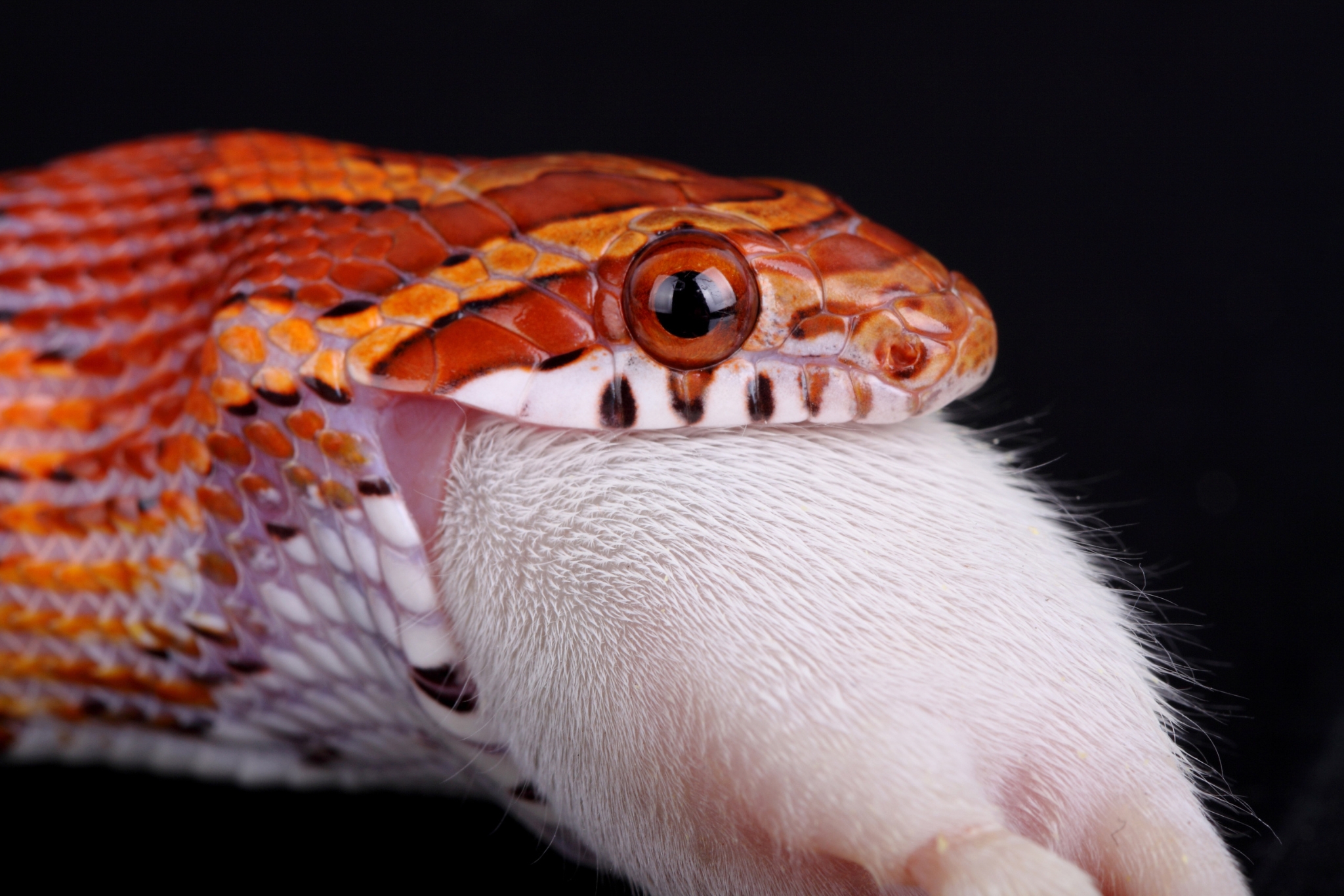
- Corn snakes are usually enthusiastic feeders but may be sensitive to prey temperature.
- King snakes typically accept frozen-thawed prey easily but can be highly food driven, so they’re best fed separately.
- Boa constrictors are generally reliable eaters, but they may refuse food during breeding season.
Taking the time to research your snake’s natural feeding habits will help you recognize what’s normal and respond appropriately when appetite changes.
Creating the Ideal Feeding Environment
You can greatly improve feeding success by setting up your snake’s enclosure correctly.
Make sure your snake has proper temperature gradients, secure hiding spots to feel safe, minimal disturbances during feeding, a consistent feeding routine, and humidity levels suited to the species.
A calm and predictable environment helps snakes feel confident enough to eat.
The Bottom Line on Snake Feeding Preferences
Look, switching a snake to frozen-thawed prey isn’t always smooth sailing, but it’s well worth the effort.
Frozen-thawed prey is safer for your snake (no bites or scratches from live rodents), more humane for the prey animal, easier to store, and often more affordable over time.
Remember, patience is absolutely key! Some snakes adjust quickly, while others may take weeks or even months to fully accept frozen-thawed meals.
Don’t get discouraged or panic if your first few attempts don’t work. Experiment with different techniques, stay consistent, and pay close attention to what works for your individual snake.
Most importantly, ensure your snake’s overall health and husbandry are on point. A healthy, stress free snake in a proper environment is much more likely to accept frozen-thawed prey readily.
And if you’re ever unsure or concerned, don’t hesitate to reach out to an experienced reptile veterinarian or herpetologist.
Your snake’s feeding journey is unique to them, and with some trial and error, you’ll figure out exactly what makes them tick. Before you know it, feeding time will be a breeze, and you’ll wonder why you ever stressed about it in the first place.
Happy feeding, and here’s to smooth, confident strikes and steady appetites! 🐍