New York Wildlife 50+ Native Animals You Can See in the Empire State
Discover 50+ native animals in New York State! From black bears and bald eagles to deer and butterflies, explore the Empire State’s incredible wildlife.
Hey there, nature lovers! Whether you’re a lifelong New Yorker or just visiting the Empire State, you might be surprised to learn just how incredible the wildlife scene is here.
From the bustling streets of NYC to the serene Adirondack Mountains, New York is absolutely teeming with amazing animals.
Let’s dive into the wonderful world of New York wildlife!
Why New York is a Wildlife Haven
New York State is honestly such a special place for wildlife. With over 54,000 square miles of diverse habitats including forests, wetlands, coastlines, and mountains, our state provides homes for an incredible variety of species.
The Adirondack Park alone is larger than Yellowstone, Everglades, Glacier, and Grand Canyon National Parks combined! Pretty impressive, right?
Mammals of New York State
– White-Tailed Deer
Let’s start with probably the most recognizable mammal in New York: the white-tailed deer. These graceful creatures are found throughout the entire state, from suburban backyards to deep forests. You’ll spot them most often during dawn and dusk when they’re most active.
Fun fact: New York is home to an estimated 1 million white-tailed deer!
– Black Bears
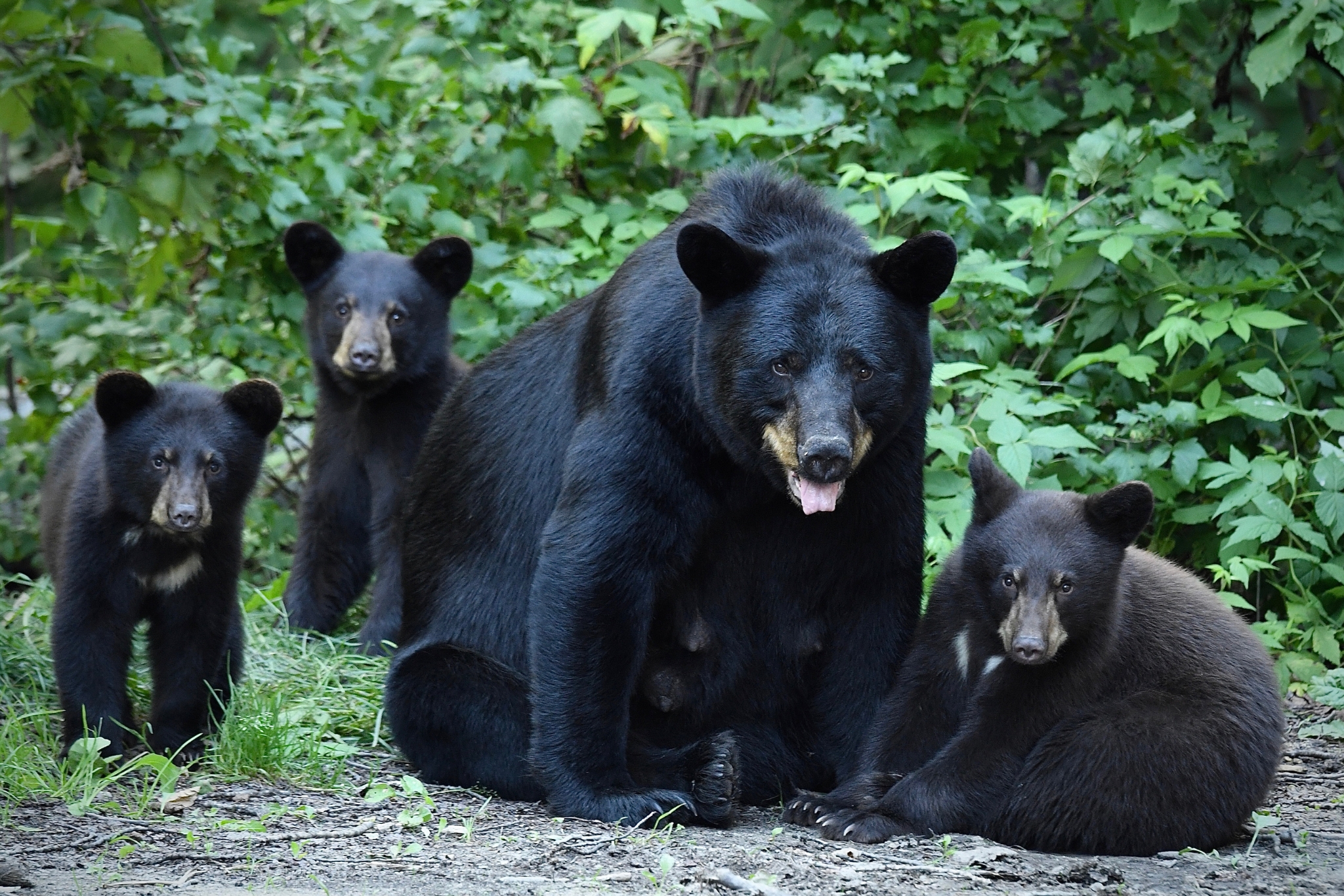
Yes, we have bears! The American black bear population in New York has actually been growing, with most bears living in the Adirondacks, Catskills, and Allegany regions. These mostly shy creatures are typically more interested in berries and insects than they are in people. Just remember to store your food properly when camping!
– Eastern Coyotes
The adaptable eastern coyote has made itself right at home across New York, including in urban and suburban areas. These intelligent canines are larger than their western cousins and play an important role in controlling rodent populations.
– Beavers
New York’s state mammal, the beaver, is a keystone species that is making a fantastic comeback after near extinction in the 1800s. These industrious engineers create wetlands that benefit countless other species. You can find their lodges and dams in waterways throughout the state.
– River Otters
If you’re lucky enough to spot a river otter, you’re in for a treat! These playful and social members of the weasel family are absolute joys to watch. River otters were nearly eliminated from New York by the early 1900s due to unregulated trapping and pollution, but thanks to reintroduction efforts starting in the 1990s, they’ve made an amazing comeback.
Today, you can find them in clean rivers, lakes, and streams throughout the state. Your best chance of spotting them is near the water’s edge during early morning or late evening hours, especially in the Adirondacks, Finger Lakes region, and along the St. Lawrence River.
– Bobcats
The bobcat is New York’s only native wild cat, and these elusive felines are masters of staying hidden. About twice the size of a house cat with distinctive tufted ears, a short “bobbed” tail, and beautiful spotted coats, bobcats are absolutely stunning animals. They were nearly eliminated from New York by the mid 1900s due to habitat loss and persecution, but conservation efforts have allowed them to make a steady comeback.
Today, bobcats are found throughout New York, particularly in the Adirondacks, Catskills, and Southern Tier regions, but they’re slowly expanding their range. Bobcats are mostly nocturnal and extremely secretive – most New Yorkers will never see one in the wild, even in areas where they’re common. If you do spot one, consider yourself incredibly fortunate! Look for their tracks in snow or mud, which resemble oversized house cat prints.
– Other Notable Mammals
- Red and Gray Foxes: Common throughout the state
- Eastern Chipmunks and Gray Squirrels: Your friendly backyard neighbors
- Fisher: A large weasel species found in forested areas
- Raccoons: Clever and adaptable urban survivors
Birds of New York State
– The Eastern Bluebird
New York’s state bird, the eastern bluebird, is an absolute delight to spot with its vibrant blue and russet coloring. These cavity nesters love open fields and woodland edges. Put up a nest box, and you might just attract a family!
– Bald Eagles
Talk about a comeback story! Bald eagles were nearly extinct in New York in the 1970s, but conservation efforts have brought them back strong. You can now spot these majestic raptors near large bodies of water throughout the state, especially along the Hudson River and in the Adirondacks.
– Common Loons
The haunting call of the common loon echoing across an Adirondack lake is quintessentially New York. These diving birds need pristine lakes to thrive, making them excellent indicators of water quality.
– Peregrine Falcons
Here’s another incredible comeback story that’ll blow your mind! Peregrine falcons were completely wiped out in the eastern United States by the 1960s, thanks to DDT pesticide poisoning. But through dedicated conservation efforts, including captive breeding and reintroduction programs, these magnificent raptors have made a stunning return to New York.
Today, peregrine falcons nest on cliff faces in the Adirondacks and – get this… on skyscrapers, bridges, and tall buildings throughout New York City! They’ve totally adapted to urban life, treating buildings like the natural cliffs they’d use in the wild. These are the fastest animals on Earth, capable of diving at speeds over 200 miles per hour when hunting. They primarily catch other birds mid-flight, including pigeons, which makes NYC a perfect hunting ground.
You can watch nesting peregrines on webcams set up at various locations around the state, or look for them soaring around tall buildings in Manhattan, especially near the towers of the Throgs Neck Bridge and the Verrazzano-Narrows Bridge. Spring and summer are the best times to observe their dramatic aerial displays and nesting behaviors.
– Year Round Residents
- Northern Cardinals: Bright red beauties at your feeder
- Blue Jays: Intelligent and vocal corvids
- Black-Capped Chickadees: Cheerful and friendly
- Red Tailed Hawks: Commonly seen soaring overhead
- Wild Turkeys: Making a strong comeback across the state
- Great Blue Herons: Elegant wading birds
– Seasonal Visitors
New York’s location along the Atlantic Flyway makes it a prime spot for migratory birds. Watch for warblers in spring, shorebirds in summer, and massive waterfowl migrations in fall!
Reptiles and Amphibians
– Snakes of New York
Don’t worry – of the 17 snake species in New York, only three are venomous, and they’re quite rare. The most common snakes you’ll encounter are completely harmless:
- Eastern Garter Snake: The most common, found in gardens and parks
- Northern Water Snake: Often mistaken for a water moccasin (which we don’t have!)
- Eastern Milk Snake: Beautiful and beneficial rodent controllers
The venomous species (timber rattlesnake, eastern massasauga, and northern copperhead) are shy and prefer to avoid humans.
– Turtles
New York is home to 11 native turtle species! The painted turtle is probably the most commonly seen, basking on logs in ponds throughout the state. The impressive snapping turtle lurks in muddy pond bottoms, while the threatened Blanding’s turtle needs our conservation help.
– Salamanders and Frogs
New York’s forests and wetlands are hopping with amphibians! The spotted salamander emerges on rainy spring nights for massive breeding migrations. The spring peeper’s chorus signals winter’s end, and the American bullfrog provides the classic “jug-o-rum” call of summer nights.
Fish and Aquatic Life
– Freshwater Fish
New York’s lakes, rivers, and streams support over 160 native fish species. Anglers love pursuing:
- Brook Trout: The only native trout, found in cold, clean streams
- Smallmouth and Largemouth Bass: Thriving in lakes statewide
- Northern Pike: Aggressive predators in weedy waters
- Yellow Perch: Delicious panfish
– Saltwater Species
Long Island’s waters host amazing marine life including striped bass, bluefish, flounder, and even occasional visits from whales and dolphins!
Insects and Pollinators
– Butterflies
New York supports over 160 butterfly species! The iconic monarch butterfly passes through on its incredible migration, while swallowtails, fritillaries, and skippers brighten our summers. Creating a pollinator garden helps these essential creatures thrive.
– Bees and Other Pollinators
Beyond honeybees, New York hosts hundreds of native bee species including bumblebees, mason bees, and sweat bees. These hardworking pollinators are crucial for our ecosystems and agriculture.
– Fireflies
Is there anything more magical than fireflies lighting up a summer evening? New York is home to several firefly species that create those enchanting light shows we all love.
Where to See Wildlife in New York
1. Adirondack Park
This six million acre park is wilderness goals! Prime spot for bears, moose, loons, and countless other species.
2. Hudson River Valley
Incredible for bald eagle watching, especially during winter months.
3. Montezuma National Wildlife Refuge
A must visit for bird watchers, especially during migration season.
4. Fire Island National Seashore
Amazing for shorebirds, marine life, and white-tailed deer.
5. Central Park, NYC
Yes, even in Manhattan! Over 200 bird species have been recorded here, plus raccoons, turtles, and fish.
How to Be a Responsible Wildlife Watcher
Let’s keep New York’s wildlife wild and healthy! Here are some tips:
- Keep Your Distance: Use binoculars or a zoom lens
- Never Feed Wildlife: It’s harmful to them and dangerous for you
- Leave No Trace: Pack out everything you bring in
- Stay On Trails: Protect sensitive habitats
- Respect Nesting Seasons: Give birds and animals space during breeding
- Report Injured Wildlife: Contact a licensed rehabilitator
- Support Conservation: Join organizations protecting New York’s natural spaces
Best Countries for
Wildlife Photography
From the savannahs of East Africa to the rainforests of Borneo — a guide to the world’s most rewarding destinations for wildlife photographers at every level.