Meet the Clydesdale The Gentle Giant of the Equine World
Discover everything about the majestic Clydesdale horse — its rich history, stunning appearance, gentle temperament, and why this beloved draft breed continues to capture hearts worldwide.
- Clydesdale Horse History and Origins
- Physical Characteristics
- Temperament and Personality
- What Are Clydesdale Horses Used For?
- Draft Horse Care and Feeding
- How Long Do They Live?
- How Much Does a Clydesdale Horse Cost?
- Fun Facts About Clydesdale Horses
- Is this Horse Breed Right for You?
- Final Thoughts on the Clydesdale Horse
The Clydesdale is one of the most recognizable horses in the world—it’s a powerful yet elegant draft horse known for they’re strength, presence, and notably gentle temperament.
Here’s a closer look at what makes the Clydesdale so remarkable—from their history and physical traits to their personality and modern day roles.
Clydesdale Horse History and Origins
The Clydesdale traces its roots to Clydesdale, Scotland—modern day Lanarkshire—in the early 18th century. Breeders crossed powerful Flemish stallions with hardy local mares, aiming to create a horse strong enough to handle the region’s demanding terrain and heavy workloads.
By the 1800s, Clydesdales had become indispensable across Britain, powering agriculture, hauling goods through city streets, and playing a central role in an industrializing world. The formation of the Clydesdale Horse Society in 1877 helped formalize the breed, setting standards that still guide breeding today.
Like many draft breeds, the Clydesdale faced a sharp decline during the early 20th century. World War I alone saw vast numbers of horses sent into service, dramatically reducing the population, and for years afterward, the breed was considered at risk.
Today, thanks to dedicated breeders and renewed appreciation, Clydesdales have rebounded—but they’re still a breed that benefits from ongoing conservation and care.
Physical Characteristics
One of the first things you notice about a Clydesdale is their sheer scale—these are not small horses.
Height and Weight
- Height: typically 16 to 18 hands (64 to 72 inches at the shoulder)
- Weight: 1,800 to 2,200 pounds on average, with some stallions exceeding 2,400 pounds
Coat Colors
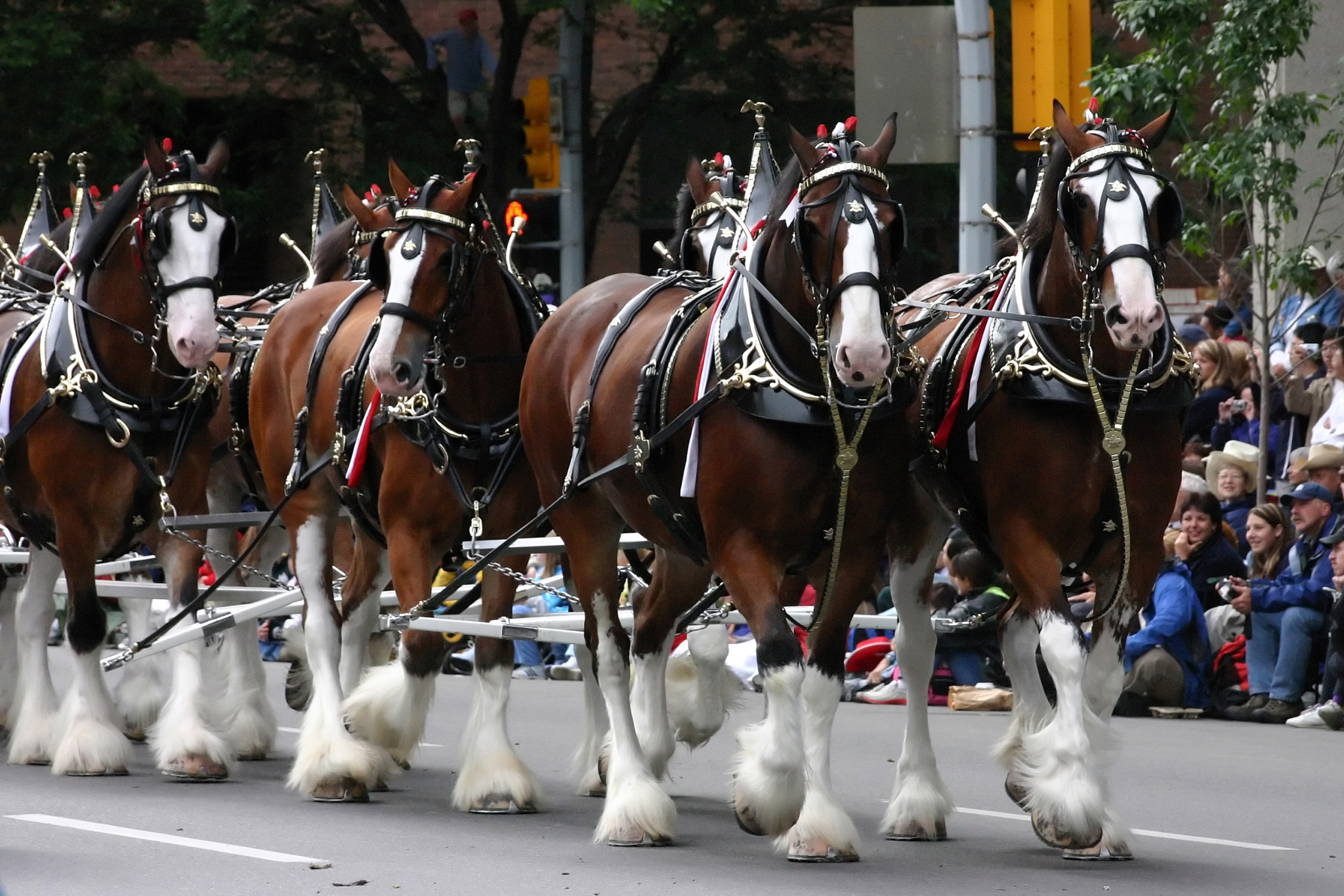
They come in a range of striking shades, including bay (the most common), brown, black, roan, and grey. Bold white markings are especially common and highly prized, particularly on the face and lower legs.
The Iconic Feathering
One of the breed’s most recognizable features is the long, silky feathering that flows from the knees and hocks down over the hooves. This dramatic hair gives Clydesdales their signature look—but it does require regular grooming to keep the skin beneath clean and healthy.
Overall Build
Clydesdales have broad foreheads, wide muzzles, and large nostrils, paired with strong, arched necks and powerful, well-muscled hindquarters. Their backs are short, solid, and built for strength, yet their movement is surprisingly light and expressive for such a large draft breed—and they’re often described as high stepping and almost showy in motion.
Temperament and Personality
Ask any Clydesdale owner about their horse’s personality, and you’ll likely hear the same phrase: gentle giant. Despite their towering size, Clydesdales are known for being calm, intelligent, and remarkably people-oriented. This horse breed tends to be:
- Willing workers: eager to please and responsive to training
- Social animals: happiest with regular interaction, both with people and other horses
- Surprisingly sensitive: they respond best to soft, confident handling rather than force
- Curious and intelligent: they’re quick learners who often enjoy mental stimulation and routine work
This blend of immense size and steady temperament is what makes the Clydesdale such a standout breed—and its why they’re suitable for a wide range of handlers, provided they’re given consistent training and clear ground manners from the start.
What Are Clydesdale Horses Used For?
Historically bred as working horses, today Clydesdales fill a wide range of roles that highlight both their strength and their temperament:
Agricultural and Logging Work
In some regions, Clydesdales are still used in sustainable farming and low impact forestry. Their power and sure footedness make them especially valuable in areas where machinery would damage the land.
Parades and Show Competitions
Clydesdales are a standout presence at agricultural shows, parades, and breed exhibitions around the world. Judges evaluate conformation, movement, and the quality of their distinctive feathering, while their expressive, high stepping trot makes them natural show ring favorites.
Recreational Riding
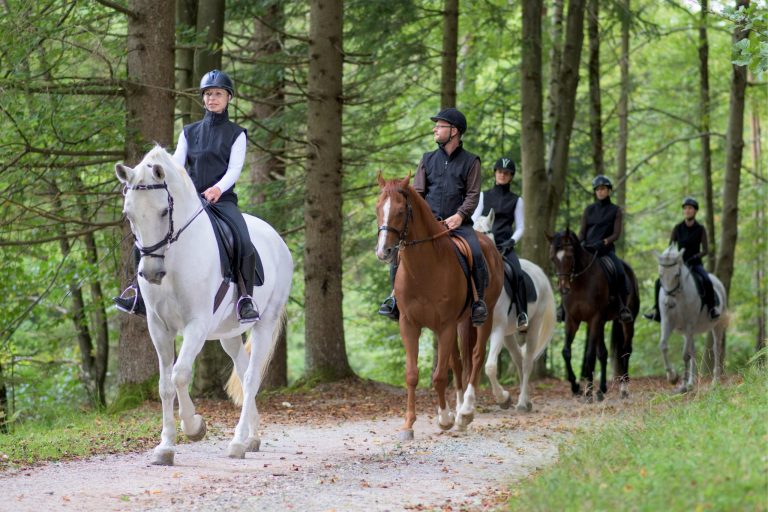
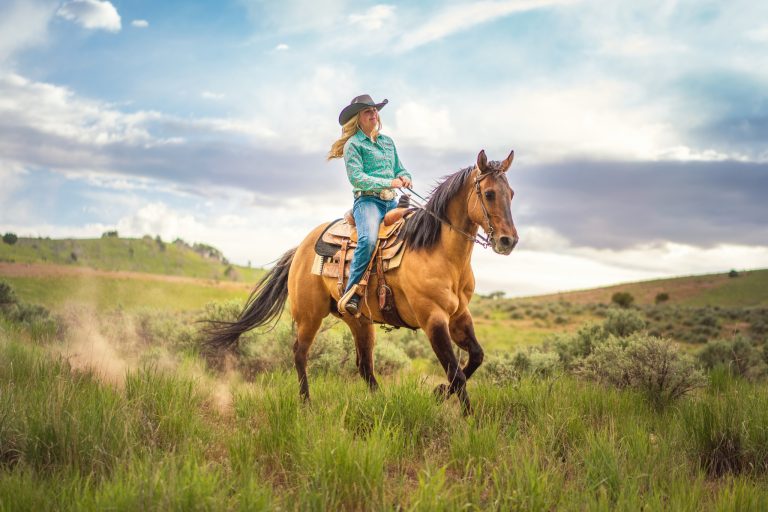
Yes, you can ride a Clydesdale! While they’re not built for speed, these horses offer a steady, comfortable ride and are strong enough to carry larger adult riders with ease. Trail riding on a Clydesdale is a unique and memorable experience.
Therapeutic Programs
Their calm, steady nature makes them a strong fit for equine assisted therapy work. Many programs incorporate Clydesdales for individuals who benefit from a predictable, reassuring equine partner.
Brand Ambassadors
Perhaps their most famous modern role is as the Budweiser Clydesdales—these horses are an iconic team that has appeared in commercials and public events since 1933. They’ve played a major role in introducing the breed to a global audience and remain one of the most recognizable horse teams in the world.
Draft Horse Care and Feeding
Caring for a Clydesdale is rewarding, but it does come with real responsibility—and a feed bill to match their size.
Feeding Requirements
Because of their size, Clydesdales consume significantly more than the average horse:
- Hay: roughly 25 to 50 pounds per day, depending on workload
- Grain: added as needed for working or higher energy horses
- Fresh water: up to 30 gallons per day
Keep an eye out for health conditions like Equine Metabolic Syndrome (EMS), since draft horse breeds can be more susceptible to developing it. Regular veterinary checkups, a balanced diet, and appropriate exercise can help reduce the risk.
Grooming their Feathering
The breed’s signature feathering is striking, but it requires consistent care. Regular brushing helps prevent matting, and keeping the skin underneath clean and dry is essential to reduce the risk of chronic progressive lymphedema (CPL), a condition seen in draft horses that can lead to swelling and thickened skin.
Hoof Care
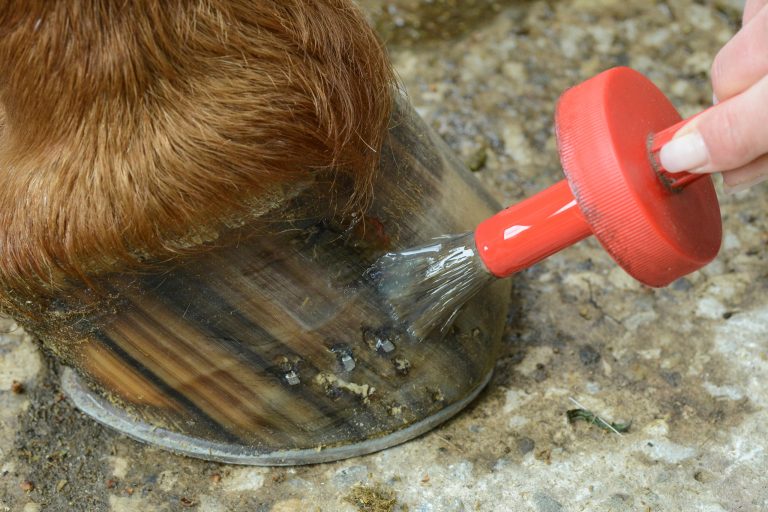
With their large, broad hooves, Clydesdales need routine trimming every 6 to 8 weeks. Depending on workload and terrain, some may require shoes, while most horses can go barefoot. Working with a farrier experienced in draft horses is especially important.
Exercise Needs
Clydesdales aren’t high strung horses, but they still benefit from regular movement. Daily turnout combined with consistent, moderate work helps maintain healthy weight, muscle tone, and joint function.
Veterinary Considerations
Routine vaccinations, dental care, and parasite control are essential, just like any horse. Because of their size, proper dosing and handling during veterinary care also require experienced professionals and appropriate facilities.
How Long Do They Live?
The average Clydesdale lifespan is about 20 to 25 years, which is similar to most horse breeds. With excellent care, some individuals can even live into their late twenties.
As with many draft horses, Clydesdales can remain active and productive into their teenage years, making them a long term commitment that rewards consistent care and attention.
How Much Does a Clydesdale Horse Cost?
Clydesdale prices can vary quite a bit depending on age, training, pedigree, and overall conformation:
- Untrained foals: $1,000 to $7,000+
- Young horses in basic training: $5,000 to $10,000+
- Trained, show quality adults: $10,000 to $20,000+
- Elite breeding or show horses: $25,000 and above
Beyond the purchase price, it’s important to factor in ongoing costs like boarding, feed, farrier work, veterinary care, and properly sized equipment. Clydesdales require draft sized tack and gear—standard horse equipment simply won’t fit their large frame.
Fun Facts About Clydesdale Horses
- A Clydesdale’s horseshoe is about 5 pounds and roughly the size of a dinner plate—and around five times heavier than a typical Thoroughbred shoe.
- The famous Budweiser Clydesdales follow strict standards: they must stand at least 18 hands tall, weigh between 1,800 and 2,300 pounds, and have a bay coat with four white stockings, a blaze, and a black mane and tail.
- During the 19th century, Scotland exported thousands of Clydesdales to places like Australia, New Zealand, and North America, where they became instrumental in building agricultural industries and working farms across the world.
- Despite their massive build, Clydesdales are known for moving with surprising lightness. Their gait is often described as both powerful and graceful, combining strength with an unexpectedly elegant presence.
Is this Horse Breed Right for You?
The Clydesdale isn’t the right horse for everyone—they require plenty of space, a substantial feed budget, and a meaningful financial commitment.
But for the right owner, they’re truly remarkable animals—their blend of strength, smooth movement, and steady, people focused temperament sets them apart from nearly every other breed.
Whether you’re drawn to their history, their striking appearance, or their famously gentle nature, the Clydesdale is a horse that tends to leave a lasting impression on anyone lucky enough to spend time with one.
Final Thoughts on the Clydesdale Horse
From the coal fields of 18th century Scotland to the bright lights of the Super Bowl, the Clydesdale has earned its place as one of the world’s most beloved horse breeds.
These gentle giants embody the best qualities of a working horse—they’re powerful yet willing, striking yet approachable, and have a history that still feels very much alive today.
If you ever have the chance to stand next to a Clydesdale, take it. There’s something quietly humbling—and genuinely memorable—about being in the presence of one of these magnificent horses.