Is Your Pet Fox Happy? 10 Signs You’re Doing It Right & Expert Tips for Better Fox Welfare
Wondering if your pet fox is happy? Discover 10 key signs to look for and helpful tips to improve their enrichment, health, and daily welfare.
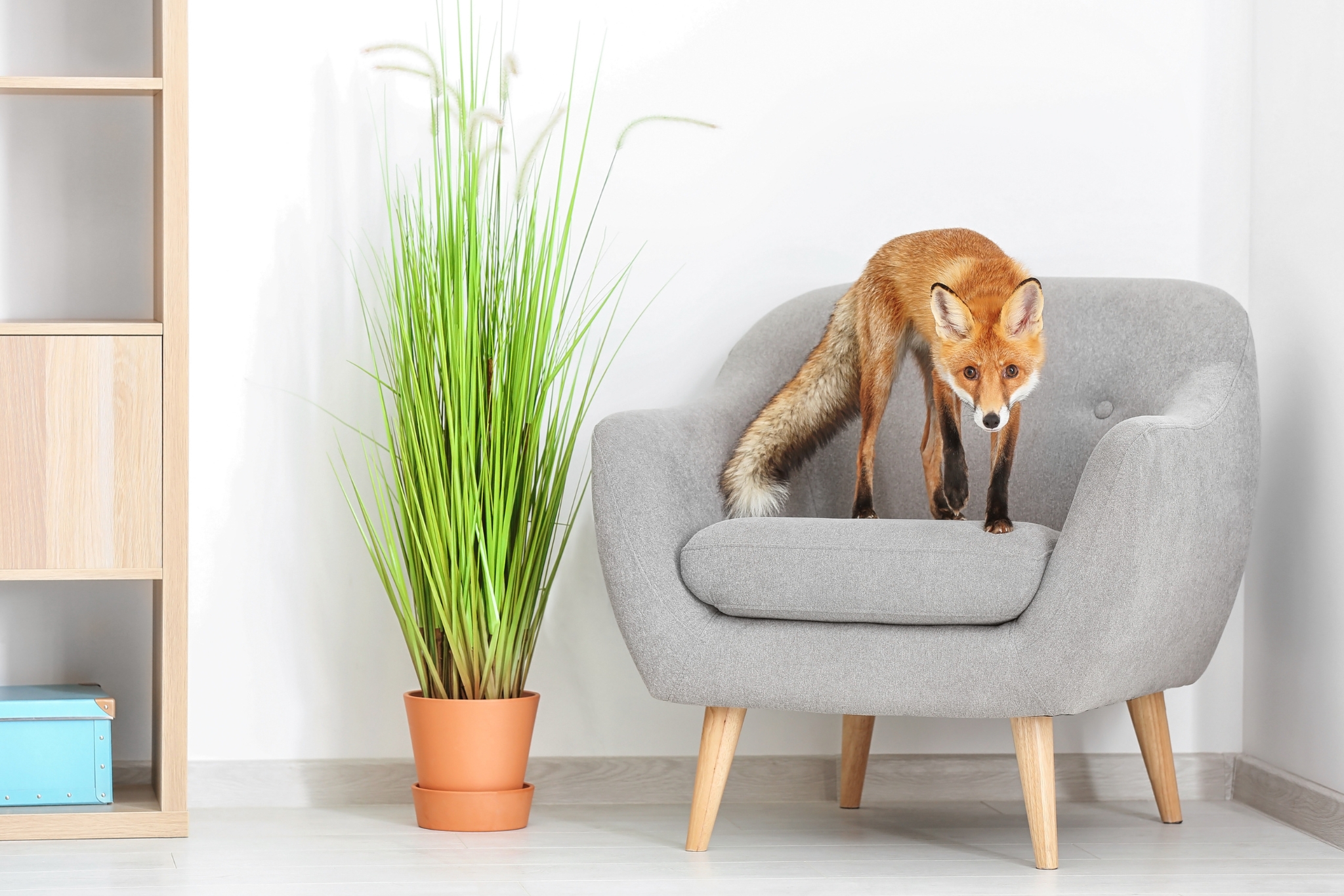
If you’re the proud parent of a pet fox, you already know there’s nothing quite like them. Foxes are quirky, clever, and packed with personality—but because they aren’t your typical household pet, understanding how they’re feeling can sometimes feel like a bit of a mystery.
So how can you tell if your fox is truly happy? And what can you do to help them thrive?
We’ve got you covered. Let’s dive into a fun, informative guide to understanding fox happiness.
Why Fox Welfare Matters More Than You Think
Foxes are exotic pets, and with that wild side comes real responsibility. Unlike dogs and cats, which have been domesticated for thousands of years, foxes still retain many of their natural instincts.
Without the right care, structure, and environment, a fox can become stressed, anxious, destructive, or difficult to manage.
But pet foxes don’t have to be a nightmare. With proper care, a well supported fox can be an incredible companion—you just need to understand their needs, recognize the signs they’re giving you, and go in with realistic expectations.
10 Signs Your Pet Fox Is Happy
Think your fox is happy? These 10 behaviors are what experienced fox owners and experts tend to look for first.
How many does your fox show?
1. They “Dook” and Chortle at You
Happy foxes are vocal foxes. If your fox makes soft, clucking sounds—sometimes called dooking or chortling—that’s pure fox for “I am having the time of my life right now.”
This sound is distinctly different from the distressed screaming foxes are also known for, so once you hear it, you’ll never confuse the two.
2. They Initiate Playtime
A happy, comfortable fox will often try to engage you in play. They might bring you toys or paw at your legs as an invitation to have some fun together.
When your fox actively seeks you out for games and interaction, that’s a strong sign they feel secure and are genuinely enjoying your company.
3. They Roll Over and Show Their Belly
This is the fox equivalent of total trust. When a fox exposes their belly to you without any hesitation, they feel completely safe in your presence. Don’t take that for granted—it’s genuinely one of the highest compliments a fox can give.
4. Their Tail Is Relaxed
A loose, gently moving tail signals a relaxed and cheerful fox. Watch out for a tucked tail or puffed-up fur, which can indicate fear or stress.
5. They Eat Enthusiastically
A fox that eagerly runs to food, eats well, and shows interest in treats is usually doing well overall. Appetite can be a simple but helpful window into their wellbeing.
6. They’re Curious, Not Anxious
Happy foxes are incredibly curious. They explore their environment, investigate new smells, and approach novel objects with excitement rather than fear. A fox that hides constantly or startles at everything may be dealing with chronic stress.
7. They Groom Themselves Regularly
Self-grooming is a sign of comfort and security. A clean, well-kept coat—and no signs of obsessive scratching or over-grooming—often indicates that a fox that feels secure.
8. They Seek Out Your Company (On Their Own Terms)
Foxes are independent by nature, so don’t expect them to be velcro pets. But a happy fox will choose to hang out near you, nap in the same room, or curl up beside you—on their own schedule. That voluntary closeness is everything.
9. They Sleep Soundly
Pet foxes that sleep deeply and peacefully—especially in open, exposed areas rather than constantly hiding—feel safe in their home. Restless sleep, excessive hiding, or constant alertness can be signs of an anxious fox.
10. They Play Fight Without Escalating
Healthy play that includes mock wrestling, chasing, and gentle nipping—that stops before it becomes intense—shows a well-adjusted, socially comfortable fox. If play frequently escalates to genuine aggression, something may be off.
How to Improve Your Pet Fox’s Welfare
Now that you know what happiness looks like, here’s how to actively cultivate it:
🏡 Give Them Plenty of Space
Foxes need room to roam. A cramped or bare indoor setup can quickly lead to stress and frustration.
Ideally, provide a large, secure outdoor enclosure—at least 100 square feet—where they can run, dig, and explore safely. When it comes to fox habitats, bigger is always bet.
🧩 Prioritize Mental Enrichment Every Single Day
Foxes are incredibly intelligent, and a bored fox is a destructive, unhappy fox.
Daily enrichment is absolutely essential.
Rotate puzzle feeders, hide treats around their enclosure for “foraging” sessions, introduce new textures and scents, and offer a rotating selection of toys. Think of it as curating a constantly changing enrichment experience—and the entertainment must never stop.
🥩 Feed a Species Appropriate Diet
Wild foxes are omnivores with a strong focus on protein. A pet fox typically does best on a balanced diet that includes high quality meats, eggs, vegetables, and some fruits.
Highly processed dog or cat food shouldn’t be the main staple.
|
🏥 Find a Vet — Before You Need One
Regular care from a veterinarian experienced with exotic animals is essential. Foxes are experts at hiding illness due to instinct, so routine wellness checks are key for catching issues early.
Stay current on vaccinations and parasite prevention to keep them healthy long term.
🤝 Socialize Thoughtfully and Consistently
If your fox didn’t receive early socialization as a kit, building trust takes patience and consistency.
- Spend calm, low pressure time near them daily.
- Let them come to you.
- Use high value treats to create positive associations.
- Never force handling—it will backfire.
🌿 Create a Sensory Rich Environment
Foxes experience the world largely through smell. Rotating safe natural materials, herbs, and textures keeps their environment engaging.
A designated digging box or sandbox is especially important, giving them a healthy outlet for one of their strongest instincts.
😴 Give Them Safe Hiding Spots
Even a happy, secure fox needs places to retreat. Cozy dens, covered sleeping areas, and quiet corners aren’t signs of an anxious fox—they’re essential comfort zones.
A fox that has a safe space to decompress is a fox that can engage more confidently with the rest of their world.
The Bottom Line
Owning a pet fox is one of the most rewarding—and demanding—experiences an animal lover can have. These incredible creatures really do give so much in return when their needs are truly met.
Learning to read their signals, investing in their environment, staying on top of their health, and giving them the space to act like a real fox makes all the difference.
Remember, when your fox is happy, it isn’t just good for your fox—it makes the entire experience of fox ownership everything it’s meant to be: wild, wonderful, and unforgettable.