Poison Dart Frog Care Tips 20 Expert Insights for Healthier, Happier Frogs
Thinking about a poison dart frog? These expert care tips cover humidity, feeding, enclosure setup, and the mistakes beginners make most.
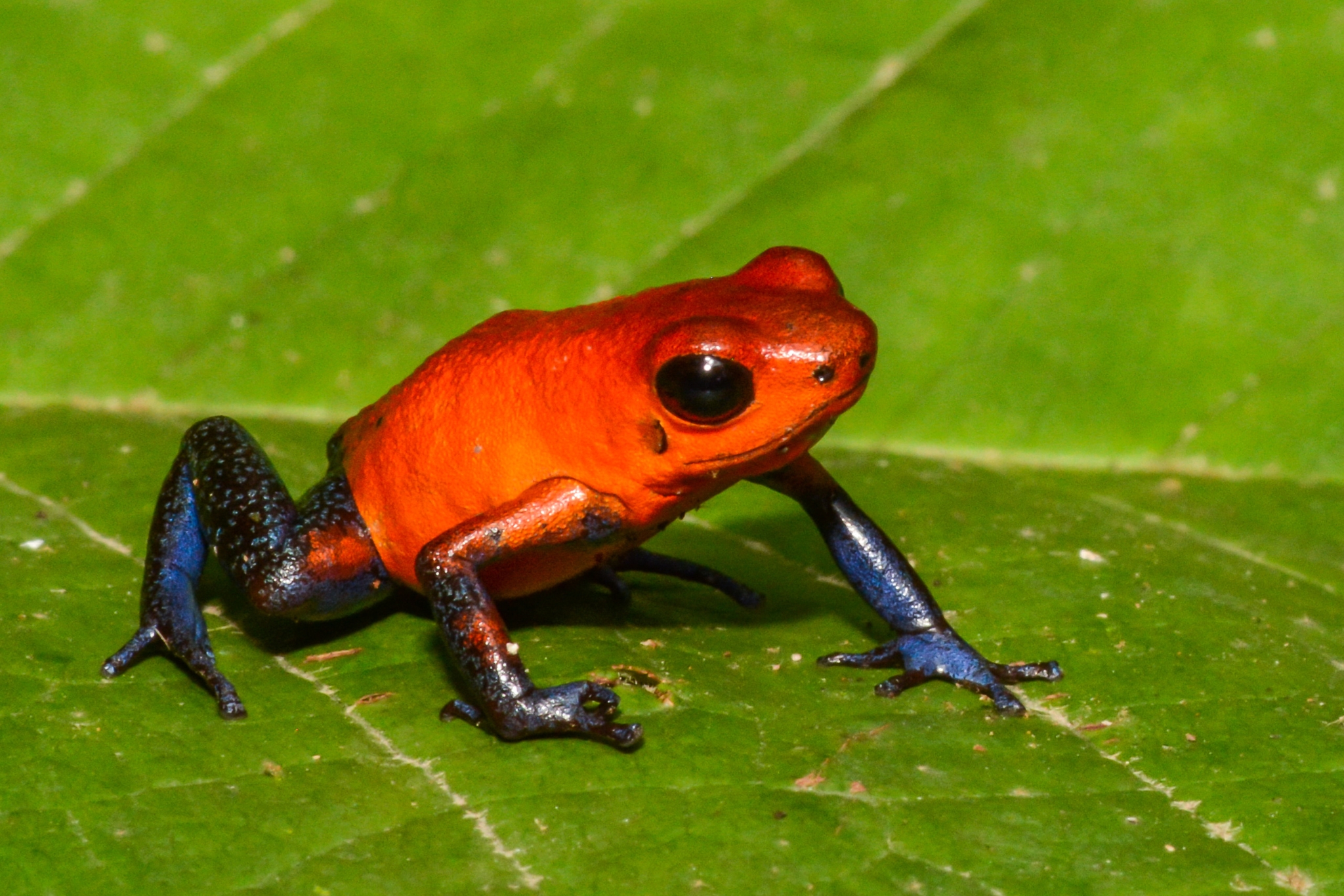
If you’re looking for poison dart frog care tips that go beyond “mist the enclosure and hope for the best,” you’re in the right place.
These tiny, jewel toned amphibians may look like they require a complicated setup, but they’re actually incredibly rewarding for keepers who focus on consistency, detail, and creating the right environment.
Their care comes down to understanding their natural behaviors, fine tuning their habitat, and paying attention to the little things that make a big difference.
Here’s what experienced frog keepers know that many beginner guides leave out.
Do Captive Bred Poison Dart Frogs Stay Toxic?
One of the most common questions about poison dart frog care is whether these colorful little amphibians are actually dangerous to keep as pets.
The short answer: no.
In the wild, their famous toxicity comes from a specialized diet of alkaloid rich insects, including certain ants, mites, and other tiny invertebrates found in their native Central and South American environments. Captive bred dart frogs raised on common feeder insects like fruit flies and springtails do not maintain that same toxicity.
For pet keepers, caring for dart frogs is far less about worrying about their toxins and much more about creating the right environment. A properly designed habitat, consistent conditions, and an understanding of their natural behaviors are what truly help these fascinating amphibians thrive.
That said, “non-toxic” doesn’t mean “hands-on pet.”
Poison dart frogs have delicate, highly absorbent skin that helps them regulate moisture and exchange gases, but it also makes them sensitive to things like lotions, soaps, oils, and even the natural residue on human hands.
Handling should be kept to a minimum and reserved for necessary situations. If you do need to move your frog, wash your hands thoroughly first, avoid hand sanitizer, and make sure your hands are clean and dry. Gloves are usually unnecessary—good hygiene and gentle care are the real essentials.
Getting Poison Dart Frog Humidity Right
If there’s one factor that can make or break a poison dart frog enclosure, it’s humidity.
These little rainforest natives rely on consistently high humidity to stay healthy, hydrated, and comfortable. Because dart frogs absorb moisture and exchange gases partially through their skin, proper humidity isn’t just a preference—it’s an essential part of their care.
Aim for a consistently humid environment, typically around 80% to 100%, rather than relying on occasional misting alone.
To help maintain the right humidity levels, a few thoughtful setup choices can make a big difference:
1. Use an automated misting or fogging system
Consistency is key, and a timer based system is much more reliable than trying to hand mist throughout the day. Many experienced keepers use multiple misting cycles daily to help recreate the natural moisture patterns of a rainforest environment.
2. Create a true bioactive enclosure
A successful dart frog habitat is more than just a glass box with plants. A proper substrate layer, such as an ABG style mix made with materials like tree fern fiber, peat, charcoal, and orchid bark, combined with live plants and leaf litter, helps maintain humidity and creates a more natural microclimate.
3. Add a cleanup crew
Springtails and isopods are tiny but incredibly helpful additions. They assist with breaking down waste, reducing mold buildup, and supporting the healthy ecosystem inside the enclosure.
4. Monitor humidity with a reliable hygrometer
Guessing isn’t a care routine. A digital hygrometer with a probe placed near where your frogs spend their time will give a much better idea of the conditions they’re actually experiencing.
5. Remember that airflow matters too
A humid enclosure still needs ventilation. Too little airflow can create stagnant conditions that encourage mold and bacteria, while gentle cross ventilation helps maintain a healthier long term environment.
Remember: The goal isn’t simply a wet enclosure—it’s a balanced little ecosystem that supports your frogs, plants, and the tiny organisms that help keep everything running smoothly.
Poison Dart Frog Feeding Tips
Diet is one area where many new keepers underestimate the details. Because poison dart frogs are so small, they rely on a consistent supply of properly balanced nutrition, and variety plays a major role in keeping them healthy.
A few feeding habits can make a big difference:
6. Dust feeders with calcium and vitamin D3 supplements
Regular supplementation is essential for supporting strong bones and helping prevent nutritional deficiencies, including metabolic bone disease, which is one of the more common preventable health concerns in captive amphibians.
7. Offer a variety of feeder insects
Fruit flies, such as Drosophila melanogaster and D. hydei, along with springtails and occasional appropriately sized insects, help provide a broader nutritional profile. Relying on only one feeder source over time can create gaps in their diet.
8. Feed smaller amounts more consistently
Dart frogs do best with frequent access to appropriately sized food rather than large, occasional meals. Many keepers offer food daily or every other day to support their natural foraging behaviors.
9. Gut-load feeder insects before feeding
The nutrition your feeder insects receive directly impacts the nutrition your frogs receive. Providing quality food for insects before offering them helps maximize the value of each feeding.
10. Pay attention to body condition
A healthy appetite is a good sign, but it isn’t the only one. Watch for changes in weight, body shape, or a sunken appearance around the hips, as these can indicate underlying health or husbandry issues.
Enclosure Setup What Most Care Guides Get Wrong
Many poison dart frog care guides focus heavily on height, but these little amphibians are primarily ground dwellers. Unlike some reptiles and other frog species, dart frogs spend much of their time exploring the forest floor, so a successful enclosure should prioritize horizontal space, cover, and a secure environment.
A few habitat choices can make a major difference:
11. Create plenty of floor-level hiding spots
Leaf litter, cork bark, broad leaf plants like pothos and bromeliads, and natural hides help frogs feel secure. A well-planned layer of cover doesn’t just give them places to retreat—it usually encourages them to become more comfortable and visible as they explore.
12. Keep temperatures stable
Aim for a consistent range around 72°F to 80°F and place the enclosure away from direct sunlight, vents, and drafts. Stability matters more than chasing a perfect number—a steady environment is far healthier than one that experiences frequent temperature swings.
13. Limit handling and avoid unnecessary disturbances
Dart frogs are best appreciated as observation pets. While they don’t rely heavily on hearing, they are sensitive to vibrations, meaning things like tapping the glass, heavy foot traffic near the enclosure, or nearby loud sounds can become ongoing sources of stress.
14. Use bromeliads as functional features
Bromeliads add more than just visual appeal. Their natural water holding leaves can provide enrichment and mimic aspects of the environments where many dart frog species live.
15. Include proper drainage
A healthy bioactive enclosure needs a way for excess water to escape. A drainage layer, such as a false bottom with materials like LECA or hydroballs, helps prevent waterlogged substrate and reduces the risk of mold, bacteria, and other issues.
The best dart frog habitats are about more than creating a beautiful display—they’re about building a balanced, natural environment that supports the frogs’ instincts, behaviors, and everyday needs.
Quarantine and Compatibility Tips
Two care details are easy to overlook, even for keepers who are otherwise doing everything right:
16. Quarantine new frogs before introducing them to your collection
Even frogs from trusted breeders should be quarantined for at least 30 days. A simple setup with a bare bottom tank or paper towel substrate makes it much easier to monitor important details like appetite, activity levels, and waste.
Health issues such as parasites or bacterial concerns may not be immediately obvious, so a quarantine period gives you the opportunity to catch potential problems early.
17. Be thoughtful about community housing
Not every dart frog species—or every individual frog—will thrive in a group setting. Some species are more social and tolerate cohabitation well, while others can be surprisingly territorial despite their small size. Overcrowding can create ongoing stress and competition that may not be obvious until it begins affecting health.
For the best results, keep new arrivals completely separate during quarantine, ideally with their own supplies such as feeding tools, misting equipment, and cleaning items. This helps reduce the chance of accidentally spreading issues between enclosures.
Health Signs Every Keeper Should Recognize Early
Beyond quarantine, regular observation is one of the most valuable habits a dart frog keeper can develop. These colorful amphibians can be subtle when something is wrong, so noticing small changes early can make a big difference.
18. Watch for changes in skin appearance
Unusual discoloration, excessive shedding, or changes in skin condition can sometimes indicate stress, water quality issues, or the early stages of a health concern.
19. Pay attention to activity and appetite
Dart frogs are typically active, curious, and eager to feed. A noticeable decrease in movement or appetite—especially during their usual active hours—can be an important sign that something may be off.
20. Monitor body condition regularly
Changes in weight, particularly a sunken appearance around the hips or pelvic area, may appear before other obvious symptoms. Regularly observing your frogs makes it easier to catch these subtle changes and address potential issues sooner.
Final Thoughts
Poison dart frog care becomes much more manageable once you focus on what these fascinating amphibians truly need rather than getting overwhelmed by complicated setups or endless equipment lists.
The fundamentals matter most: consistent humidity, stable temperatures, proper nutrition, and a thoughtfully designed habitat will have a far greater impact on your frogs’ long term health than any single expensive upgrade.
Many of the “advanced” dart frog care tips really come down to one simple thing—paying attention. Notice changes in body condition, monitor the stability of the enclosure, and learn the small behavioral cues that can tell you when something needs adjusting.
Build the right foundation from the beginning, stay consistent, and give your frogs time to settle into their environment. With proper care, poison dart frogs can become one of the most rewarding and visually stunning additions to an experienced keeper’s collection.