What It’s Really Like Living With a Pet Galah Cockatoo
Pink feathers, big personality, and an even bigger commitment. Here’s an honest look at what it’s really like sharing your home with a pet galah.
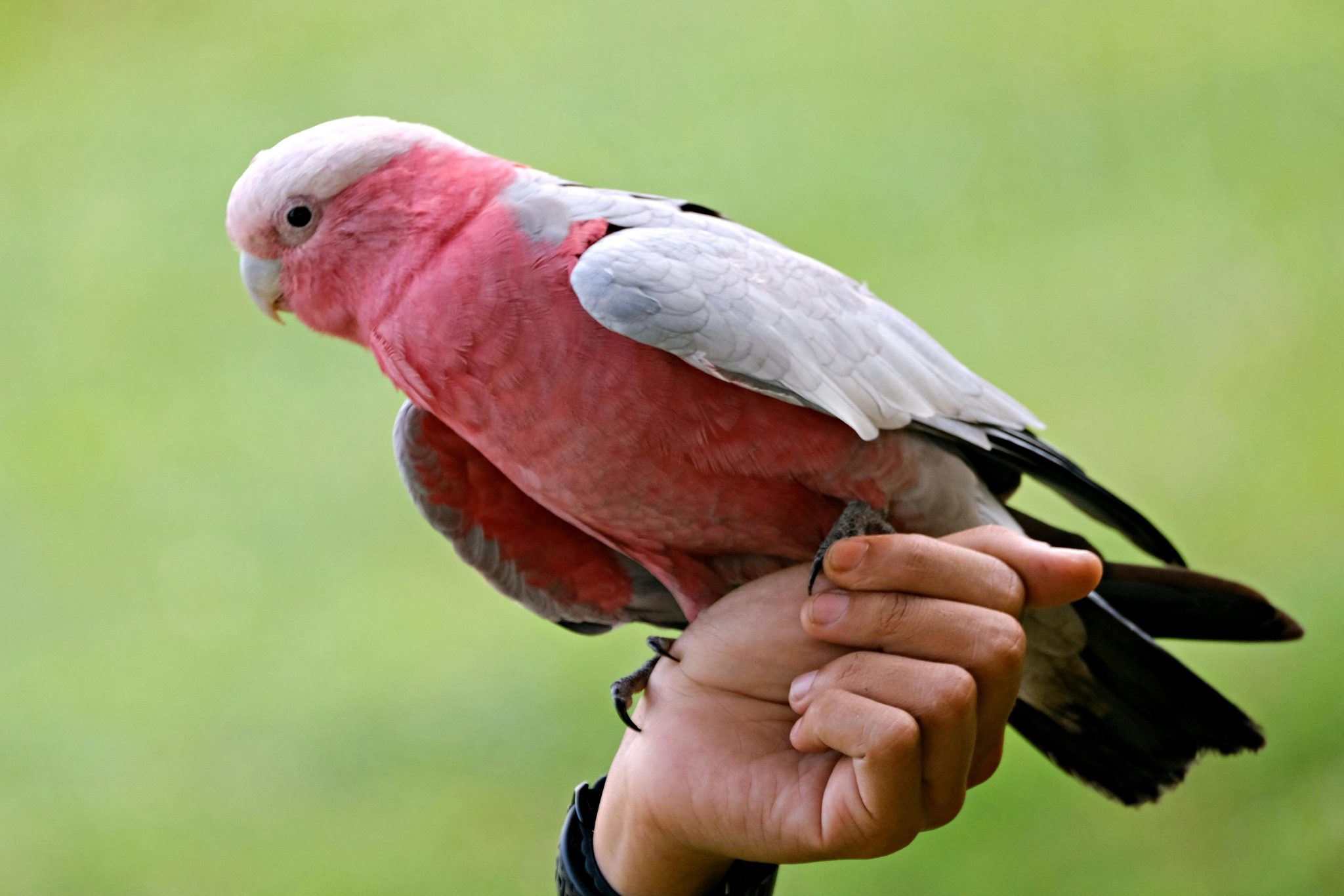
If you’ve ever seen a galah cockatoo, you probably understand the appeal right away. Their soft rose pink chest paired with those beautiful dove grey wings makes them truly gorgeous. Galahs are some of the most striking parrots around, but they’re also among the most misunderstood when it comes to life as a pet.
It’s easy to fall in love with their beautiful colors and goofy almost clown-like personalities. But a few months in, reality can start to sink in… and you realize you’ve brought home a perpetual two year old with a beak powerful enough to crack macadamia shells and tear through wood.
So, what’s it really like living with a pet galah? Let’s take a closer look at what daily life with a galah is actually like.
What Exactly Is a Galah Cockatoo?
The galah (Eolophus roseicapilla), also known as the rose breasted cockatoo or pink and grey cockatoo, is native to Australia. They’re so common there that many Australians jokingly think of them as the “pigeon of parrots” and you’ll often see huge flocks of them sweeping across the sky over farmland. But outside Australia, galahs are popular exotic pets thanks to their intelligence, goofy personalities, and generally gentler temperament.
Compared to cockatoos and other parrots, galahs are medium sized, usually measuring around 13 to 15 inches long. Their lifespan is another thing potential owners needs to seriously consider—they can live 40 to 60 years in captivity, and sometimes even longer.
A galah isn’t just a pet you bring home for a few years. You’re potentially taking on a companion for most of your adult life—and depending on your age, possibly a responsibility that will outlive you and eventually be passed on to someone else.
The Personality Equal Parts Comedian and Toddler
Many galah owners are surprised by just how funny these birds can be. Galahs are natural born entertainers and are always finding new ways to keep you amused. They’ll hang upside down from their cage bars simply because they enjoy it, dance along to a good beat, and even play dead just to keep things interesting. They’re also incredibly talented mimics, and will copy everyday sounds around the house with surprising accuracy—from the microwave beeping and the dog barking to, eventually your own laugh.
But beneath all that goofy energy is a surprisingly complex little personality. Galahs can form incredibly strong bonds with their people, often picking one person in particular as their favorite. They can also be moody, jealous, and stubborn in ways that can catch new owners completely off guard. And when a galah is having a bad day, you’ll definitely know about it.
Living with a galah cockatoo means learning a whole new language. You’ll start to recognize what different crest positions, fluffed feathers, and pinned eyes are telling you, often before you’ve even figured out what all their different calls and noises mean.
The Noise Let’s Talk About It
No honest article about living with a galah can skip the fact that they can be pretty loud. They aren’t noisy all the time, and their calls generally aren’t as piercing as those of an Amazon or sun conure. But galahs have a natural “flock call”—a loud sharp screech they use to keep in touch with other birds. And if you’re part of their flock, they’ll use it to call for you too, especially around dawn and dusk, when wild galahs would naturally be calling to one another.
Galahs also tend to have a little screaming session once a day… and for some birds, it can happen more often. During these moments, your galah might hang upside down, screaming and flapping their wings with pure excitement, or they might find another favorite spot to let the whole world know they’re living their best life.
If you live in an apartment, this is definitely something worth thinking about before bringing a galah home. They tend to do best with owners who have a detached home, understanding neighbors, or ideally both.
It’s important to keep in mind that their noise isn’t a training failure, and it doesn’t mean you have a “bad” bird, it’s simply part of being a galah. These birds are naturally vocal, and there may be times when they just need to make themselves heard.
Understanding and accepting this before bringing one home can make a huge difference—not only for you and your neighbors, but for the galah too. It can also help prevent a situation where they eventually need to be rehomed because their natural noise was more than their family expected.
Intelligence That Demands a Job
Galahs are incredibly smart, and that intelligence can be both a blessing and a challenge. They need a lot of mental stimulation, and when they don’t get enough, they can quickly become bored and frustrated. That boredom can sometimes show up as destructive behaviour—chewing furniture, shredding books, or even feather plucking.
For galah owners, enrichment really isn’t an optional extra. It’s a big part of keeping them happy, healthy, and engaged.
That usually means:
- Plenty of time outside the cage: ideally several hours each day, rather than just a quick 20 minute outing
- Puzzle feeders, shreddable toys, and things they’re actually allowed to destroy: giving them appropriate things to chew and shred is more important than you might think!
- Regular training sessions using positive reinforcement: galahs are clever learners and can pick up new behaviours surprisingly quickly
- Rotating toys and activities: so things stay interesting and they don’t get bored with the same setup day after day
A bored galah can quickly become a handful.
An engaged galah, on the other hand, can be one of the most interactive, playful, and responsive companion birds you’ll ever have.
The Physical Reality of Sharing Your Home With One
Cockatoo dust is another thing that doesn’t always get mentioned when people are thinking about bringing a galah home. Galahs naturally produce a fine powdery dust from their feathers as they preen. It’s completely normal and part of what gives their feathers that soft, almost velvety appearance—but be warned, that dust has a way of finding its way everywhere!
It can settle on furniture, shelves, electronics, dark clothing, and pretty much anything else nearby. If you’re sharing your home with a galah, a little extra cleaning is simply part of the package.
If you or anyone in your household has respiratory sensitivities, it’s definitely something worth considering and ideally testing out beforehand rather than discovering it after you’ve brought your new feathered friend home.
Then there’s their beak—galahs aren’t quite as destructive as some of the larger cockatoos, but they’re still enthusiastic chewers. Wood furniture, skirting boards, phone chargers, and pretty much anything within reach of an out of cage galah can become a chew toy if you’re not watching.
Basically, if you don’t want it chewed, it’s best to keep it out of beak range!
Diet More Involved Than a Seed Cup
One of the most common mistakes new galah owners make is relying on a diet of just seeds. In the wild, galahs enjoy a really varied diet and spend their time foraging for things like seeds, grasses, roots, and even insects.
At home, you can recreate that variety with a daily mix of good quality pellets, plenty of fresh vegetables, a little fruit, and a controlled amount of healthy seeds as a treat rather than a main food.
Getting their diet right makes a big difference. Good nutrition shows up in healthier feathers, better energy, and even calmer and more settled behavior. A well fed galah that also gets plenty of mental stimulation is generally going to be much happier and more content than one who’s relying on empty calories and not getting enough enrichment.
The Emotional Payoff
Despite all the noise, mess, and decades long commitment, people who live with galahs often talk about the relationship they have with their bird with a surprising amount of affection. These are birds that would try to climb into your lap without being invited, pick up on your household’s routines and even your little inside jokes, and seem to genuinely miss you when you’ve been gone all day. Then, when you walk through the door, they’ll greet you with unmistakable excitement.
It’s important to remember that living with a galah is really a relationship—not just having a pretty bird or decoration around the house.
It’s a bit like sharing your home with a highly verbal, occasionally destructive, endlessly curious toddler… except this one is covered in pink and grey feathers and could still be part of your family in 2070.
Is a Pet Galah Cockatoo Right for You?
Before you bring a pet galah home, it’s worth being honest with yourself about a few things:
- Can your living situation handle a bird that is genuinely noisy?
- Are you ready to give them hours of interaction every day for potentially several decades?
- Can your budget handle an avian vet who actually specializes in exotic birds?
- Have you thought through, ideally in writing, who would care for your bird if something ever happened to you?
Galahs can be incredibly rewarding when they’re with the right person… but they also don’t do well with neglect. What gets labeled as “aggression” or a “bad temperament” is usually a just smart social bird acting out because their needs aren’t being met.
But if you go in with your eyes open and understand what you’re signing up for, then a galah can become one of the most rewarding companion birds you’ll ever share your home with.