Otters and Wetland Health Why It Matters
Discover how otters play a vital role in maintaining healthy wetland ecosystems. Learn why their presence helps keep habitats balanced and what conservation efforts are working to protect these charismatic animals.
- What Are Wetlands?
- Why Otters Are Key Indicators of Wetland Health
- How Otters Contribute to Ecosystem Balance
- Threats to Otters and Wetlands
- Scientific Research Supporting the Otter-Wetland Connection
- Conservation Efforts Supporting Otters and Wetlands
- What You Can Do to Help
- Otters are Guardians of Wetland Ecosystems
Wetlands are among the most productive and biodiverse ecosystems on the planet and provide a vital habitat for an incredible variety of plants, fish, birds, and mammals. Among the most charismatic (and ecologically significant) inhabitants of these aquatic environments are otters.
Otters may be best known for their playful charm, but they are far more than adorable ambassadors for conservation – they’re actually a vital keystone species whose presence signals a healthy well-functioning ecosystem. Many are surprised to learn just how crucial otters are to the balance and stability of wetland environments.
So, what exactly is the connection between otters and wetland health? What role do they play in maintaining ecological balance? And why is protecting otters so important for the long-term survival of wetlands across the globe? Let’s take a closer look!
What Are Wetlands?
Wetlands are unique ecosystems where water saturates the land, either on a permanent basis or during certain seasons of the year. This constant or periodic presence of water creates distinct soil conditions that supports a wide variety of plant and animal life specially adapted to thrive in these environments.
Wetlands encompass a diverse range of water-rich environments, each with its own unique characteristics and ecosystems. These include:
- Swamps
- Marshes
- Mangroves
- Bogs
- Riverbanks and floodplains
- Coastal estuaries
- Peatlands
Wetlands perform a wide range of essential ecological functions that are critical to both the environment and human well-being. Some of the key functions of wetlands include:
- Filtering pollutants and improving water quality
- Storing carbon and reducing greenhouse gases
- Providing flood control and storm protection
- Supporting biodiversity and food webs
Unfortunately, wetlands are disappearing at an alarming rate – up to 35% of the world’s wetlands have been lost since 1970 due to development, agriculture, and pollution.
Why Otters Are Key Indicators of Wetland Health
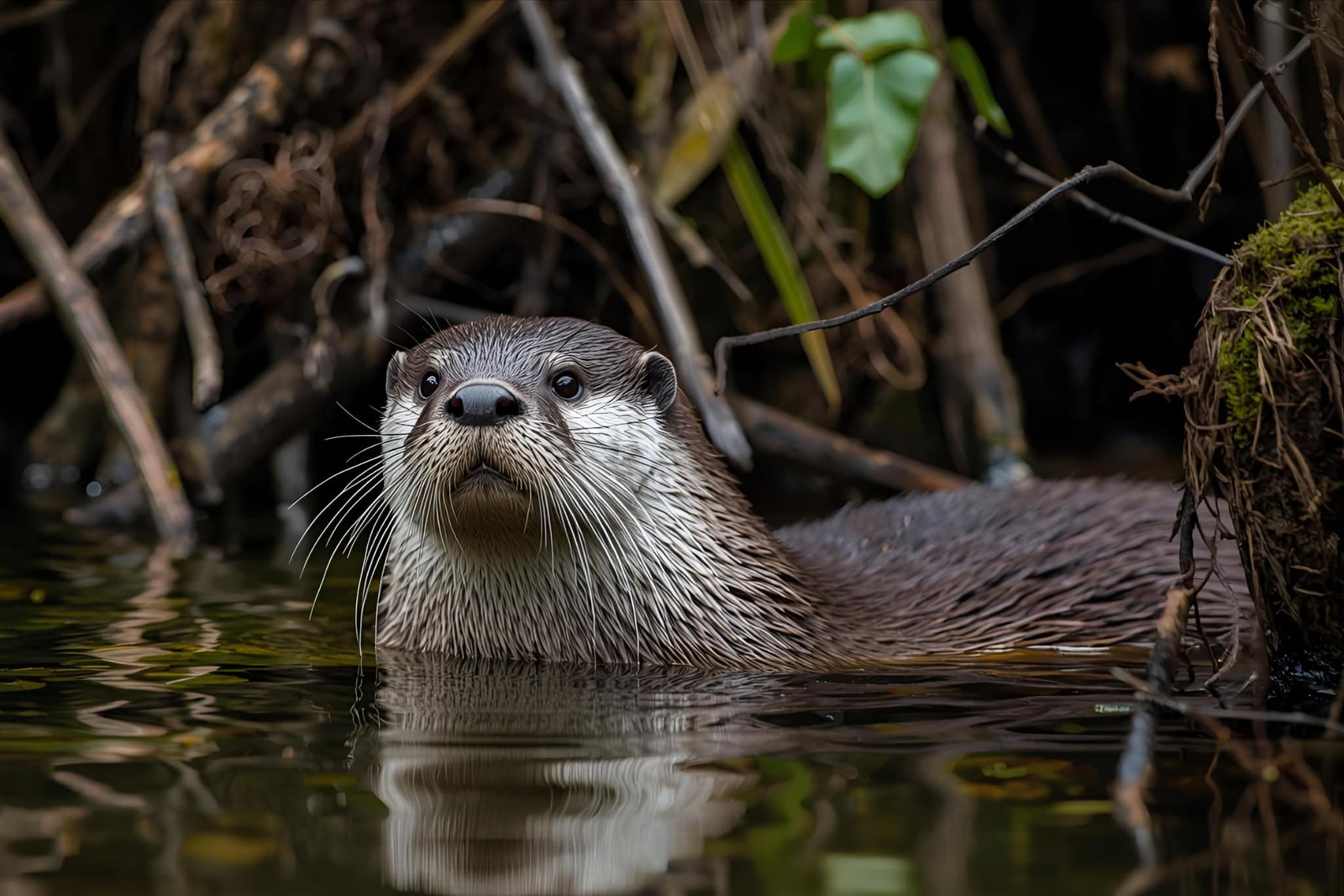
Otters – particularly species like the Asian small clawed otter and the Eurasian otter – rely heavily on healthy wetland ecosystems for their survival. These habitats provide clean water, abundant food sources, and natural shelter that otters need to survive.
Since otters are highly sensitive to changes in water quality, prey availability, and habitat conditions, scientists consider them important bioindicators of environmental health. Their presence (or absence) can reveal a great deal about the overall condition of a wetland ecosystem.
Healthy Otter Populations Suggest:
- Clean unpolluted water
- Abundant aquatic prey like fish, crabs, amphibians, etc.
- Intact riverbanks and vegetation
- Low human disturbance
When otters are thriving in an environment, it’s a strong sign that the surrounding ecosystem is healthy and well-balanced. Their presence often indicates a functioning ecosystem and resilient wetland habitat.
How Otters Contribute to Ecosystem Balance
Otters play a vital and multifaceted role in maintaining the ecological balance of wetland ecosystems. As active predators and highly interactive species, their behaviors directly influence food webs, population dynamics, and habitat health. Some of the key ways otters help sustain the natural balance within wetlands include:
1. Regulating Prey Populations
Otters help control populations of:
- Crabs
- Fish
- Mollusks
- Insects
By helping to keep certain prey populations in check, otters help prevent overpopulation of species like crabs, fish, and mollusks. This natural regulation is essential for maintaining balance within aquatic food chains and ensures that no single species dominates the ecosystem and disrupts the delicate relationships that support the overall biodiversity.
2. Promoting Biodiversity
Otters play a crucial role in boosting the overall biodiversity of wetland environments. Their feeding habits directly support the resilience and long-term health of the habitats they call home.
By targeting dominant prey species, otters create opportunities and resources for less common and more vulnerable species to flourish. This selective predation promotes a more diverse and balanced ecosystem, which in turn enhances the stability and sustainability of wetland habitats over time.
3. Supporting Vegetation Health
An otter’s diet is essential for maintaining vegetation health. Aquatic plants play a crucial role in producing oxygen, stabilizing sediments, and preventing erosion along shorelines. By feeding on populations of herbivorous species (such as certain fish and invertebrates) otters help prevent overgrazing of underwater vegetation.
Without this natural control, excessive grazing could degrade habitats and trigger algal overgrowth. By keeping these dynamics in balance otters help to reduce the risk of harmful algal blooms and support a healthier more resilient aquatic ecosystem.
4. Enhancing Water Quality
In addition to their role as predators and nutrient distributors, otters also play an important role in keeping the water they inhabit clean and healthy. As they move and forage, they play a vital role in dispersing nutrients across these ecosystems.
Their movement through various layers of the water column helps to mix and aerate it, which helps to improve the oxygen circulation in the water. This natural process enhances water quality, supports a diverse range of aquatic life, and fosters a more balanced and resilient ecosystem overall.
Threats to Otters and Wetlands
Despite their importance, both otters and wetlands face increasing threats:
Wetland Threats:
- Drainage for agriculture and development
- Damming of rivers
- Pollution from pesticides and industrial waste
- Invasive species and habitat fragmentation
Otter Specific Threats:
- Habitat loss
- Water pollution
- Illegal wildlife trade
- Human-wildlife conflict with fisherman and farmers
- Road mortality and drowning in fishing nets
Scientific Research Supporting the Otter-Wetland Connection
Numerous studies have highlighted a strong connection between otter populations and the overall health of wetland ecosystems. The presence, absence, or decline of otters is often used as an indicator of water quality, biodiversity, and ecological balance within these habitats.
- Photographic Evidence of Incidental Sightings of the Vulnerable Asian Small‑Clawed Otter – shows recent decline in otter sightings and mentions threats like habitat destruction, water pollution, and prey depletion
- Eurasian otter (Lutra lutra) as sentinel species for the long‑term biomonitoring of the Guadiamar River after the Aznalcóllar mine spill – shows how otters are used to track recovery and contamination in river ecosystems
- North American River Otter Diet Includes Invasive Sacramento Pikeminnow and Herpetoafauna on South Fork Eel River, Northern California – documents otters eating invasive fish species
These studies underscore the vital role otters play and highlight the need to incorporate their protection into wetland conservation strategies.
Conservation Efforts Supporting Otters and Wetlands
To protect otters and the wetlands they depend on, conservationists are implementing a range of important measures and strategies. Several key actions include:
1. Wetland Restoration Projects
Rehabilitating degraded wetlands by:
- Replanting native vegetation
- Removing invasive species
- Restoring natural water flow
- Reintroducing otters where populations have vanished
2. Protected Areas and Wildlife Corridors
Creating nature reserves, national parks, and riparian buffer zones helps to provide safe habitats for otters and other aquatic species. These protected ecosystems help ensure otters have clean water, shelter, and the food sources they need to thrive.
3. Community Involvement
Educating local communities on the ecological and economic value of wetlands and involving them in:
- Habitat monitoring
- Sustainable fishing practices
- Eco-tourism projects
4. Legislation and Enforcement
To help safeguard otter populations from exploitation and habitat loss, stronger laws are being enacted to protect wetlands and regulate pollution, accompanied by increased enforcement efforts to combat the illegal wildlife trade.
What You Can Do to Help
Everyone has the power to make a meaningful difference in protecting otters and their wetland habitats by supporting conservation initiatives and adopting environmentally responsible choices.
- Support organizations working in otter and wetland conservation like the IUCN Otter Specialist Group and Wetlands International
- Reduce water pollution by choosing eco-friendly products
- Avoid illegal wildlife trade – never buy wild caught otters
- Get involved locally by supporting wetland cleanups or restoration efforts
- Spread awareness by sharing resources and educating others
Otters are Guardians of Wetland Ecosystems
Otters are much more than adorable creatures – they are vital guardians of aquatic ecosystems. Their presence signals clean water, thriving prey populations, and well-balanced food webs. By protecting otters, we’re not just preserving a cherished species – we’re also safeguarding the wetlands that sustain countless forms of life on Earth.
The health of our wetlands matters, and otters help reveal just how important these ecosystems truly are.