Scientists Put Anxious Mice in Nature… What Happened Next Will Change How You Care for Exotic Pets
Is your exotic pet anxious? Cornell study shows natural habitats reverse stress in one week. Learn how to ditch boring cages for enriching enclosures.
- The Study That’s Shifting Animal Welfare Thinking
- What Happened When Mice Touched Grass
- The Secret Ingredient: Agency
- What This Means for Your Exotic Pet
- The Problem with “Clean and Simple” Setups
- The Indoor-Only Dilemma for Larger Exotic Pets
- The Natural Enrichment Revolution
- The Bioactive Enclosure Advantage
- Common Bioactive Objections Addressed
- Red Flags: Signs Your Pet Needs More Enrichment
- Taking Action: Start Small, Think Big
- The Bigger Picture
- The Bottom Line
Hey there, exotic pet parents! Let’s talk about something that could completely reshape the way you think about your pet’s enclosure.
A fascinating study from Cornell University has revealed something pretty incredible: when lab mice living in simple standard cages were moved to naturalistic outdoor enclosures, their anxiety showed a dramatic reduction or completely disappeared in just seven days.
And yes… this finding has MAJOR implications for how we care for exotic pets in our homes.
The Study That’s Shifting Animal Welfare Thinking
In a 2 year study, Cornell researchers “rewilded” several groups of lab mice by releasing them into large enclosed outdoor fields.
These weren’t your average mouse cages either! Each enclosure was more than 9,000 times larger than a standard mouse cage and included real grass, soil, changing weather, and rich sensory stimulation – all the sounds, smells, textures, and challenges mice would naturally experience in the wild.
The results? Absolutely stunning.
Within a week, the mice showed clear behavioral changes that indicated significantly lower stress and anxiety levels… despite being animals that had spent generations in laboratory conditions.
The findings were truly eye-opening and reinforced what we’ve believed all along, prompting an important question:
If just a brief exposure to natural complexity can have such a powerful effect on mice, what might exotic pets be missing in simplified captive environments?
What Happened When Mice Touched Grass
After living in natural outdoor environments, the mice showed significantly reduced (and sometimes even fully reversed) fear responses, and this happened in as little as one week.
Even mice with long established anxiety behaviors returned to normal stress levels.
No medication.
No complex treatments.
Just access to a natural environment where they could engage in natural species typical behaviors.
Lead researcher Matthew Zipple explained that the naturalistic environment “both blocks the formation of the initial fear response, and it can reset a fear response that’s already been developed in these animals in the lab”.
The Secret Ingredient: Agency
This is where the findings become especially meaningful for exotic pet owners.
The researchers believe the key factor is agency – an animal’s ability to control their own experiences through choice and behavior.
Associate professor Michael Sheehan noted that animals exposed to a wide range of daily experiences develop better judgment about what’s actually threatening.
Think about it: if you’ve only encountered a handful of situations in your entire life, anything new is going to seem pretty frightening. But if you’ve experienced hundreds of different situations, you develop context, confidence, and resilience.
What This Means for Your Exotic Pet
Whether you care for a ball python, serval, hedgehog, sugar glider, parrot, fennec fox, or another exotic companion, this research sends a clear message:
Sterile minimalist enclosures aren’t just boring… they might actually be contributing directly to anxiety, stress, and behavioral problems in exotic pets.
Providing environments that allow choice, exploration, and natural behaviors isn’t a luxury. It’s a fundamental component of true animal welfare.
The Problem with “Clean and Simple” Setups
Many pet owners (and yes, even some pet stores) still promote bare bones enclosures under the guise of being “hygienic” or “easy to clean.”
You know the setup: smooth plastic walls, minimal substrate, one hide, one water bowl, and maybe a single decoration. It looks neat and tidy, but for your pet? It’s basically solitary confinement in a sensory deprivation chamber.
Just like those lab mice living in shoebox sized cages, exotic pets in basic enclosures have limited experiences. They can’t dig, burrow, climb varied surfaces, forage for food, or make meaningful choices about their day.
And just like the anxious mice in the Cornell study, this lack of enrichment and natural behaviors can manifest as stress, aggression, fear, and anxiety related behaviors.
The Indoor-Only Dilemma for Larger Exotic Pets
Here’s where things get even more complicated: many exotic pets like servals, fennec foxes, kinkajous, and other exotic pets are being kept strictly indoors in home settings that couldn’t be further from their natural habitats.
These animals have powerful instincts to engage in behaviors that are, let’s be honest… pretty incompatible with your living room.
Servals need to sprint at full speed, leap vertically to catch prey, and mark their territory.
Fennec foxes instinctively dig elaborate tunnel systems that can extend several feet underground.
The problem? Most of these natural behaviors are incredibly messy (or destructive). Digging destroys flooring and landscaping. Scent marking ruins furniture, your walls, and creates odors. High speed sprinting knocks over everything in sight. Climbing and jumping can damage walls and décor.
So what happens? Well-meaning owners restrict these behaviors entirely, confining active and intelligent wild animals to indoor spaces where they can’t fully be themselves.
This is the equivalent of those lab mice in sterile cages, but scaled up dramatically. A serval confined to a spare bedroom or a fennec fox living in a large dog crate isn’t just bored… they’re being prevented from expressing every single natural behavior evolution designed them for.
The Cornell study’s message is crystal clear: animals need environments where they can make choices, take action, and engage with complexity.
For larger exotic pets, this often means providing more than just an indoor enclosure – a dedicated outdoor space is also necessary where “messy” natural behaviors aren’t merely tolerated, but actively encouraged.
The Natural Enrichment Revolution
Ok, animals need choices… but what exactly does this all mean in practice?
Here’s how you can apply these insights to improve the lives of your exotic pets:
1. Substrate Matters
Natural substrate isn’t just about aesthetics – it’s about allowing natural behaviors. Digging, burrowing, scratching, foraging, and exploring are all important activities for many species.
Providing appropriate naturalistic substrates (whether that’s bioactive soil, coconut coir, grass, sand, or paper based bedding) gives your pet meaningful control over their environment and the freedom to interact with it as they choose.
2. Complexity Builds Confidence
The study showed that animals gained confidence by encountering and navigating challenges on their own.
Your pet’s enclosure should reflect that principle. Include varied terrain, multiple levels, and a range of textures. Add branches, rocks, plants (live when appropriate), tunnels, hiding spots, climbing structures, and platforms at different heights.
Complexity encourages exploration and problem solving.
3. Sensory Stimulation Is Essential
In the wild, animals experience shifting temperatures, natural light cycles, various sounds, and visual variety.
While we obviously can’t replicate nature perfectly, exotic pet owners can provide proper UVB lighting (for species that need it), temperature gradients, different visual barriers, and safe environmental changes.
When appropriate, supervised time outside the main enclosure can also provide valuable stimulation.
4. Foraging and Food Enrichment
Simply dropping food in a bowl is the equivalent of having all your meals delivered in plain cardboard boxes. How awfully boring!
Instead, encourage natural feeding behaviors by letting your pet work for their food in safe species appropriate ways.
Use puzzle feeders, hide food within the substrate, provide foraging toys, or scatter meals throughout the enclosure.
These approaches add mental challenge, promote natural instincts, and transforms feeding time into an enriching and engaging experience rather than a routine chore.
5. Social Enrichment (When Appropriate)
For naturally social species, companionship is a necessity (not a bonus). This doesn’t apply to all exotic pets, as many reptiles are solitary, but for species like parrots, rats, guinea pigs, primates, and many other animals, appropriate social interaction is a fundamental need (not a luxury).
The Bioactive Enclosure Advantage
If you really want to level up your exotic pet’s quality of life, a bioactive enclosure is one of the most effective upgrades you can make.
These naturalistic habitats include live plants, beneficial microfauna (such as springtails and isopods), and a functioning ecosystem that mimics your pet’s natural environment.
Bioactive enclosures offer powerful benefits, including:
- Constant sensory stimulation from moving cleanup crew organisms
- Live plants that create security, hiding spots, cover, and visual barriers
- Natural soil systems that support digging, burrowing, and foraging
- Diverse microclimates within a single enclosure
- Subtle ongoing environmental changes that reduce boredom and stress
Common Bioactive Objections Addressed
“But won’t a complex enclosure be harder to clean?“
Actually, naturalistic enclosures (especially bioactive ones) can be easier to maintain long term. Plus, your pet’s mental health is worth the extra effort.
Surprisingly, no. Well-designed naturalistic enclosures (especially bioactive ones) often require less intensive maintenance over time thanks to living cleanup crews and stable ecosystems.
And even if upkeep takes a bit more effort, the payoff in your pet’s mental and behavioral health is well worth it.
“My pet seems fine in their simple setup.“
This is a common and understandable thought. Much like the lab mice that appeared to cope in basic cages, many animals don’t show obvious distress in minimal environments.
But when given richer, more natural options, their behavior can change dramatically.
The Cornell mice didn’t appear overtly depressed in their cages, but once given natural environments, their behavior transformed completely.
“Natural setups are too expensive.”
While the initial cost can be higher, bioactive enclosures often save time and money in the long run. They typically reduce the need for frequent deep cleaning and complete substrate replacement. More importantly, the long term benefits to your pet’s wellbeing are invaluable.
Signs Your Pet Needs More Enrichment Red Flags
Pay attention to behaviors that can signal boredom, stress, or unmet needs:
- Repetitive or stereotypic behaviors – like pacing, circling, or bar biting
- Excessive sleeping or lethargy
- Defensive or fearful reactions to routine handling
- Little interest in exploring or interacting with the enclosure
- Obsessive grooming or self-destructive behaviors
- Loss of appetite or changes in eating patterns
These signs don’t mean you’re failing as a caretaker – they’re valuable feedback from your animal.
Taking Action Start Small, Think Big
You don’t need to completely redesign your exotic pet’s habitat overnight. Meaningful improvement can happen step by step.
- Assess Current Enrichment: Take an honest look at what your pet can actually do in their enclosure. Can they climb, dig, hide, forage, or experience different textures and levels?
- Research Species Specific Needs: Every species has unique natural behaviors. Learn how your animal lives in the wild and aim to support those instincts in captivity.
- Add Complexity Gradually: Introduce new elements slowly to avoid stress. Observe how your pet responds and give them time to adjust.
- Rotate Enrichment Items: Even excellent enrichment becomes boring and loses value if it never changes. Regularly switch out branches, decor, hides, and toys to keep the environment fresh.
- Observe and Adapt: Let your pet guide your decisions. They’ll show you what they enjoy most – sometimes a simple cork bark or foraging box filled with soil gets more use than the fanciest accessory. Adapt the setup based on what actually engages them.
The Bigger Picture
The Cornell research suggests that some fear and anxiety responses may stem less from inherent issues and more from limited life experience.
This insight has the power to fundamentally change how we think about exotic pet care.
As pet owners, our responsibility goes beyond meeting basic survival needs. True welfare means providing environments rich enough to support psychological health.
Those lab mice didn’t need medication or behavior therapy… they needed what had been missing all along: a natural environment that allowed them to behave like mice.
Your exotic pet deserves the same consideration. They need environments that allow them to be themselves, to express their natural behaviors, and to develop the confidence that comes from navigating a complex and engaging world.
The Bottom Line
If cage raised mice can overcome established anxiety in seven days through environmental enrichment alone, imagine the impact thoughtful habitat design could have on an exotic pet whose entire world depends on you.
It’s time we moved beyond boring minimalist setups and embraced naturalistic and enriching environments that respect our animals’ biological need.
Your bearded dragon doesn’t want to live in a glass box with paper towels.
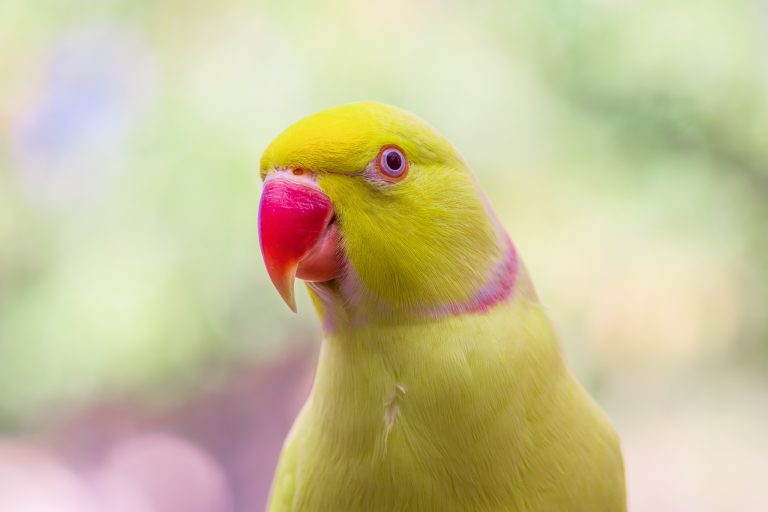
A parrot doesn’t flourish with four bare perches and a mirror.
A hedgehog isn’t fulfilled by a plastic bin and only fleece lining.
They want (and need) environments that challenge them, engage them, and allow them to express the full range of their natural behaviors.
Because apparently, all any of us really need to overcome anxiety is the opportunity to touch grass, dig in the dirt, and actually live.