Can Squirrels Get Rabies? Separating Fact from Fiction
Wondering if squirrels carry rabies? Learn why squirrel rabies is extremely rare, which animals actually pose rabies risks, and what to do if you’re bitten.
If you’ve ever spotted a squirrel acting strangely in your backyard, you might have wondered: “Can squirrels get rabies?”
It’s a totally valid question, especially if you’re a homeowner, parent, or outdoor enthusiast who wants to keep your family safe.
Let’s dive into everything you need to know about squirrels and rabies.
Can Squirrels Carry Rabies?
Here’s the good news: while squirrels technically can contract rabies, it’s extremely rare.
According to the Centers for Disease Control and Prevention (CDC), small rodents like squirrels are almost never found to be infected with rabies and have not been known to transmit rabies to humans.
In fact, documented cases of rabid squirrels are so uncommon that health officials don’t consider squirrel bites a significant rabies risk.
When squirrels do encounter a rabid animal, they’re more likely to become prey than to survive and spread the disease.
Why Squirrels Rarely Get Rabies
There are a few reasons why squirrel rabies is so uncommon:
- Size matters. Squirrels are small mammals, and if they’re attacked by a rabid animal, they typically don’t survive the encounter. The rabies virus needs time to incubate and spread through the nervous system, but squirrels often succumb to their injuries before the virus can take hold.
- Natural behavior. Squirrels are generally skittish and avoid larger predators that might carry rabies. Their instinct is to flee rather than fight, which limits their exposure to potentially rabid animals.
- Low transmission rates. Even in areas where rabies is present in wildlife populations, transmission to small rodents remains exceptionally rare.
What About Other Rodents?
The same principle applies to other small rodents. Chipmunks, mice, rats, hamsters, guinea pigs, and gerbils are also rarely infected with rabies.
The CDC notes that these animals have never been known to cause rabies in humans in the United States.
Animals That Do Commonly Carry Rabies
While squirrels are low risk, it’s important to know which animals are the primary rabies carriers in North America:
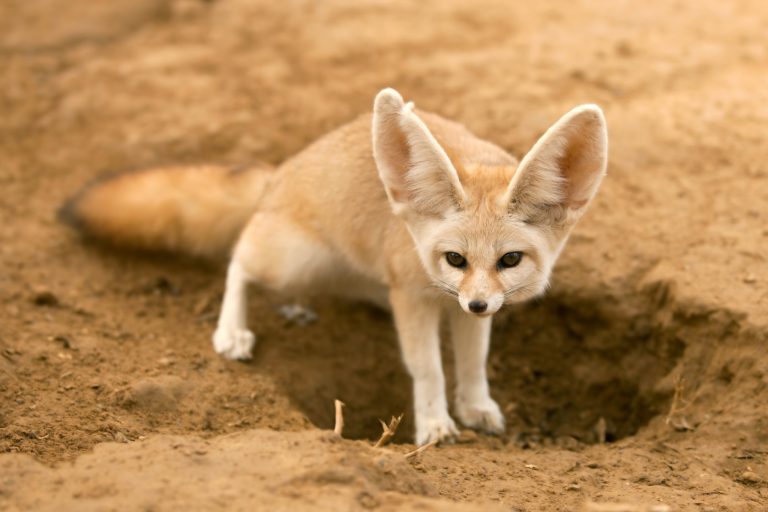
Raccoons, Bats, Skunks, and Foxes account for the vast majority of rabies cases in wildlife. Unvaccinated Cats and Dogs can also contract and transmit rabies.
If you encounter any of these animals acting strangely, keep your distance and contact your local animal control.
Should You Worry About a Squirrel Bite?
Even though rabies is unlikely, squirrel bites still require proper care.
Squirrels have sharp teeth and can deliver painful bites that may become infected with bacteria. If a squirrel bites you, you’ll want to wash the wound thoroughly with soap and water and consult your healthcare provider.
Your doctor will assess whether you need antibiotics or other treatment. While they probably won’t recommend rabies post exposure prophylaxis for a squirrel bite, it’s always best to get professional medical advice.
Signs of Rabies in Wildlife
Whether you’re observing squirrels or other wildlife, here are some behavioral red flags that might indicate rabies or another illness:
- Animals that are unusually aggressive, disoriented, or appear to have lost their natural fear of humans should be avoided.
- Excessive drooling, difficulty walking, paralysis, or seizures are also warning signs.
- Nocturnal animals appearing during daytime hours can sometimes indicate illness, though this isn’t always the case.
If you see any wildlife exhibiting these symptoms, don’t approach the animal. Contact your local wildlife control or animal services department right away.
Preventing Wildlife Encounters
The best way to avoid any potential issues with squirrels and other wildlife is to prevent unwanted encounters:
- Secure your garbage in animal-proof containers and don’t leave pet food outside.
- Seal any openings in your home’s exterior where animals might enter.
- Trim tree branches that touch your roof and windows.
- If you feed birds, use squirrel-proof feeders and clean up fallen seeds regularly.
The Bottom Line on Squirrels and Rabies
So, can squirrels get rabies? Yes… but it’s incredibly rare.
You’re far more likely to encounter rabies in raccoons, bats, skunks, or foxes than in squirrels or other small rodents.
That said, wild animals should always be observed from a safe distance and never handled (regardless of rabies risk).
Enjoy watching those adorable backyard Squirrels! But remember, they’re wild animals that deserve respect and space.
If you’re ever bitten by any wild animal, seek medical attention promptly. And if you spot wildlife behaving strangely, contact the professionals rather than investigating yourself.
Stay safe out there, and happy wildlife watching!