Tiny Prey, Big Results Feeding Fruit Flies to Reptiles, Frogs & Insects
Discover why flightless fruit flies are a must-have feeder for dart frogs, nano geckos, mantis nymphs & more — plus how to culture them at home!
- What Are Flightless Fruit Flies? (And Why That Matters!)
- Which Pets LOVE Fruit Flies?
- The Nutritional Value of Fruit Flies
- How to Culture Fruit Flies at Homes
- How Often Should You Feed Fruit Flies?
- Tips for Feeding Fruit Flies Successfully
- Troubleshooting Common Fruit Fly Culture Problems
- Fruit Flies Are a Total Vibe
Alright, let’s dive into something that might sound a little “ick” at first—but is actually one of the absolute best feeder options for your miniature exotic pets: fruit flies.
If you care for dart frogs, tiny geckos, baby mantises, or juvenile chameleons, you’ve probably already heard about Drosophila as a staple feeder insect. And yes… the buzz is completely justified.
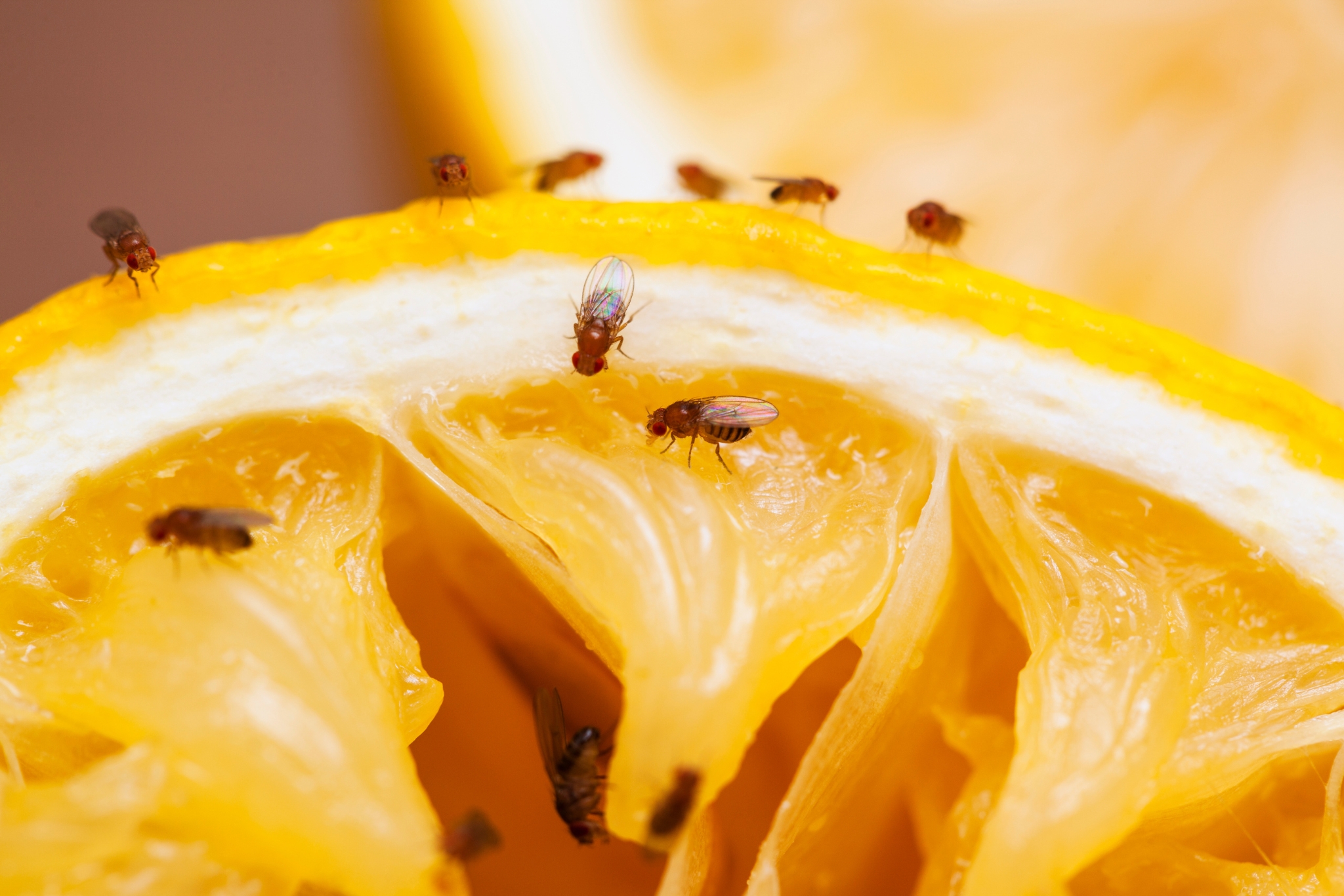
Fruit flies (especially Drosophila melanogaster and Drosophila hydei) are packed with nutrition, simple to culture at home, perfectly sized for small species, and incredibly budget friendly.
Whether you’re an experienced herp keeper or just starting out, this guide will cover everything you need to know to confidently use fruit flies as part of your feeding routine.
What Are Flightless Fruit Flies? (And Why That Matters!)
Before we get into the details, let’s clear up a common concern: feeder fruit flies are flightless or wingless strains.
That means no escape artists circling your kitchen—huge win!
There are two main species you’ll typically see:
- Drosophila melanogaster – The smaller option, measuring about 1/16 of an inch. Ideal for hatchlings, baby dart frogs, spiderlings, and tiny mantis nymphs.
- Drosophila hydei – A bit larger at roughly 1/8 of an inch. Perfect for juvenile reptiles, small amphibians, and bigger invertebrates.
Both are widely available as flightless cultures, making them simple to keep and easy to manage.
Which Pets LOVE Fruit Flies?
Fruit flies are a true staple for many popular exotic pets. Here’s a quick breakdown of who benefits most:
Amphibians
Dart frogs (especially species in the genera Dendrobates and Phyllobates) are practically synonymous with fruit fly diets. They’re the classic Drosophila enthusiasts. Thumbnail frogs, reed frogs, mantella frogs, and other micro-amphibians also thrive on them.
If your frog is under 1.5 inches, fruit flies should be a core part of its feeding routine.
Reptiles
Baby chameleons, hatchling day geckos, and nano geckos like those in the genus Sphaerodactylus do exceptionally well on fruit flies. Juvenile anoles and even some adult nano lizards happily consume them throughout their lives. Baby crested geckos and small skinks can also benefit from fruit flies as a supplemental protein source.
Praying Mantises
Mantis nymphs in their earliest instars (L1 to L3) depend on very small, manageable prey. Drosophila melanogaster is one of the most recommended first foods for newly hatched mantises thanks to its ideal size.
Tarantulas and Spiders
Tiny spiderlings often aren’t ready for larger prey items. Fruit flies make an excellent starter feeder for species like Brachypelma hamorii and Grammostola pulchripes slings.
Predatory Insects
Assassin bugs, small predatory beetles, scorpions, and even centipedes can also take advantage of fruit flies as a convenient and appropriately sized feeder option.
The Nutritional Value of Fruit Flies
So what makes fruit flies nutritionally legit? Let’s break it down:
Fruit flies provide a healthy balance of protein, fat, and moisture—the trifecta small exotic animals need to grow and thrive.
When they’re properly gut-loaded (fed a nutritious diet before being offered as prey), their value increases even more. Most commercially available cultures are raised on nutrient dense media, which helps enhance their overall nutritional profile from the start.
For best results, dust your fruit flies with a calcium and vitamin D3 supplement right before feeding. A simple way to do this is to gently shake them in a small container with a light pinch of supplement powder.
That extra step is essential for supporting strong bone development and helping prevent metabolic bone disease in reptiles and amphibians.
How to Culture Fruit Flies at Home
Here’s where things get really fun—culturing your own fruit flies!
It’s easier than most people expect, far more cost effective than constantly buying new cultures, and honestly pretty satisfying once you get the hang of it.
What You’ll Need
- Small plastic deli cups or mason jars with lids
- Lids – you can use mesh, fabric lids, or lids with small ventilation holes
- Fruit fly media (store bought or DIY)
- Excelsior (wood wool) or coffee filters for climbing surfaces
- A starter culture of flightless fruit flies
How to Set Up a Culture: Step-by-Step
Step 1: Prepare the Media
- Pour about 1 inch of media into the bottom of your container
- Mix your dry fruit fly media with water according to the package directions
- You’re aiming for a thick consistency—think oatmeal or dense mashed potatoes
Step 2: Let It Cool
- If the media is warm, allow it to cool completely before adding flies
- Warm media can harm or kill them, and you definitely don’t want to start off on the wrong foot
Step 3: Add Climbing Material
- Place a crumpled piece of excelsior or a coffee filter on top of the media
- This gives the flies surface area to climb, breed, and pupate (and keeps them from getting stuck)
Step 4: Add the Starter Culture
- Gently tap your starter culture to knock the flies to the bottom, then transfer them into the new container
- Secure the lid and label it with the date so you can track production
Step 5: Maintain Proper Temperature
- Fruit flies thrive at 75°F to 80°F (24°C to 27°C)
- Warmer temperatures speed up their life cycle
- Under optimal conditions, you can expect new flies to emerge in about 10 to 14 days
How Often Should You Feed Fruit Flies?
Feeding frequency will vary based on species, age, and growth rate, but here are some general guidelines to follow:
Baby Dart Frogs
- Feed daily or every other day
- Offer as many fruit flies as they can consume within 5 to 10 minutes
- A typical range is about 20 to 50 flies per frog per feeding, depending on size and appetite
Baby Chameleons and Nano Geckos
- Provide fruit flies 5 to 7 days per week for juveniles
- Young reptiles benefit from frequent access to small feeders, and many do best with near daily offerings during their first few months of growth
Mantis Nymphs
- Feed every 2 to 3 days
- Offer 2 to 5 flies per nymph, adjusting the number based on their size and how quickly they consume prey
Spiderlings
- Feed every 5 to 7 days
- Offer a small number of flies and remove any uneaten prey afterward to minimize stress and maintain a clean enclosure
Tips for Feeding Fruit Flies Successfully
1. Dust Every Time
Calcium and vitamin supplementation is non-negotiable for most reptiles and amphibians. Dust your flies before every feeding!
2. Don’t Overfeed
While it might be tempting to dump a whole culture in at once, overfeeding can stress your animals and create hygiene issues in the enclosure. Portion it out!
3. Keep Cultures in a Warm Spot
A shelf near a heat source or a small seedling heat mat can help maintain optimal culture temperatures.
4. Introduce Flies Strategically
Lightly coating the sides of the enclosure with fruit flies (by tapping the cup against the glass) or scattering them across the substrate and plants gives your pet the chance to forage and hunt!
Troubleshooting Common Fruit Fly Culture Problems
Culture Crashed: Mold, Mites, or Die-Off
This happens! Mold is the #1 enemy of fruit fly cultures. Make sure your media isn’t too wet, your container is well-ventilated, and your culture is stored in a clean area. Starting fresh with a new culture is often the easiest fix.
Flies Aren’t Producing
Check your temperature! Cold environments are the most common reason cultures underperform. Also ensure your starter culture was active and healthy to begin with.
Fruit Flies Escaping the Enclosure
Double check that your enclosure lid or screen is secure. A thin strip of Fluon (PTFE lubricant) painted around the upper interior walls of the enclosure creates a “escape barrier” that fruit flies and many other small insects can’t climb—a game changer for dart frog keepers!
Fruit Flies Are a Total Vibe
Whether you’re raising a tiny frog, caring for a baby panther chameleon, or watching a praying mantis nymph stalk its very first meal, fruit flies are one of the most valuable feeders you can have in your rotation.
They’re nutritious, easy to manage, and (once you start culturing them) surprisingly simple to produce at home.
The real secret is consistency: keep your cultures on a steady rotation, always dust before feeding, and choose the appropriate fly species for your pet’s size.
Nail those basics, and you’re setting yourself (and your animals) up for long term success.