How to Start Liberty Training Your Horse A Complete Beginner’s Guide
Liberty training transforms how horses and humans communicate. Learn the foundations, avoid common mistakes, and earn the connection every horse person dreams of.
If you’ve ever watched a horse follow its handler at liberty—no halter, no lead rope, no pressure—and felt something catch in your chest, you already understand the appeal. Liberty training is one of the most rewarding disciplines in the equestrian world, but it’s also one of the most misunderstood.
It’s not a trick. It’s not magic. It’s a language, and like any language, it takes time, consistency, and a willingness to listen as much as you speak.
This guide will walk you through everything you need to know to begin liberty training your horse from the ground up.
What Is Liberty Training?
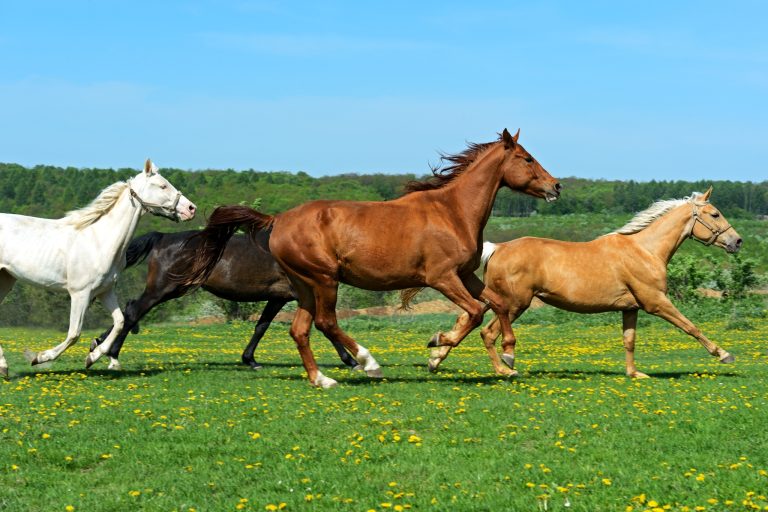
Liberty training is the practice of working with your horse in an open or enclosed space without any physical restraints—no halter, no rope, no whip contact. The horse is free to leave at any moment, which means every moment it chooses to stay, engage, or respond is entirely voluntary.
This is what makes liberty work so powerful and so humbling. You cannot fake connection at liberty. Horses are honest communicators, and a horse that chooses to be with you has decided, on its own terms, that your company and leadership are worth its time.
Liberty work draws from natural horsemanship principles, classical equitation traditions, and modern equine behavior science. While it looks effortless when practiced by experienced trainers, the foundation is built through hours of patient, consistent groundwork.
Why Liberty Training Matters
Beyond the aesthetic appeal, liberty training offers real, measurable benefits for both horse and handler.
For the horse, it builds confidence, emotional regulation, and willingness. A horse that has learned to work at liberty is typically calmer, more attentive, and more responsive under saddle and in hand. The training process rewards curiosity and engagement, which supports a healthier psychological state overall.
For the handler, liberty work is the ultimate test of your feel, timing, and body language. It strips away every tool you might lean on as a crutch and forces you to become a more precise, aware, and empathetic communicator. Riders who invest in liberty training almost universally report improvements in their ridden work.
What You Need Before You Begin
1. The Right Space
You don’t need a large arena. In fact, starting in a small, safe space—a round pen between 40 and 60 feet in diameter is ideal—gives you an advantage. Smaller spaces make it easier to maintain proximity to your horse without chasing, and they reduce the chance of the horse simply wandering off.
Don’t forget to make sure that the footing is safe, the fencing is solid, and there are no hazards that could startle your horse or compromise its movement.
2. The Right Foundation
Typically liberty training isn’t where you’d start with an unhandled horse. Before introducing liberty concepts, your horse should:
- Be comfortable with basic halter work and leading
- Understand pressure and release at a foundational level
- Be able to disengage its hindquarters and forehand on a lead rope
- Have some exposure to working in a round pen or enclosed space
If your horse doesn’t have these basics, build them first. Liberty is the graduation, not the starting point.
2. The Right Mindset
This is, frankly, the most important tool you’ll bring into the pen. Liberty training requires patience measured not in minutes but in weeks and months. Progress is rarely linear. Some days your horse will be with you entirely—other days it will be elsewhere mentally, and that’s information, not failure.
Approach every session with curiosity rather than agenda. Ask yourself what your horse is telling you and be willing to adjust.
Core Principles of Liberty Training
1. Pressure and Release Still Apply—Just Differently
Many people assume that liberty work means abandoning all pressure—it doesn’t! Pressure at liberty is simply spatial and energetic rather than physical. You use your body position, movement, eye contact, and energy to create pressure that your horse perceives and responds to.
The key is that pressure must always be fair, readable, and followed by an immediate release the moment your horse gives the correct response. Sloppy releases are one of the most common reasons liberty training stalls.
2. Make Leaving Uncomfortable and Staying Rewarding
This is the central logic of liberty work. When your horse disengages and walks away, you don’t get angry—but you do follow up with consistent, calm pressure that makes wandering the less attractive option. When your horse returns its attention to you, you immediately become soft, still, and rewarding.
Over time, the horse learns that being with you means rest, calm, and good things. Being away from you means work and energy expenditure. The horse makes the connection and begins to choose you.
3. Read the Whole Horse
At liberty, your primary job is observation. Watch your horse’s ears, eyes, nostrils, tail, and posture. Is it breathing freely? Is it chewing and blinking, signs of relaxation? Or is its neck tight, its eye hard, its tail clamped? These signals tell you whether you’re moving too fast, whether your horse is stressed, and whether your session is building trust or eroding it.
Never push past clear signs of stress or shutdown. End the session, give your horse time, and return the next day.
4. Reward the Try
Liberty horses thrive on positive reinforcement, whether that’s food, rest, a scratch in a favorite spot, or simply a softening of your energy. You don’t need to use food rewards, but many trainers find them extremely effective for capturing and shaping new behaviors.
What matters most is that you catch the try—the small try, the partial try, the almost-there try—and reward it before asking for more. This builds a horse that offers behavior willingly rather than waiting to be told.
Common Mistakes to Avoid
❌ Moving too Fast – The most universal error in liberty training is rushing. Spend more time on each stage than you think you need to.
❌ Using too Much Pressure – Liberty horses are sensitive. Looming, chasing, and overfacing a horse with big energy will create anxiety, not compliance. Think subtle first—you can always add more later.
❌ Ending Sessions on a Negative Note – Always try to end with something your horse can succeed at. Even if a session is difficult, find a small win and close on it.
❌ Training an Unwilling or Unwell Horse – If your horse is consistently disengaged, resistant, or unable to focus, consider whether something physical, environmental, or social is affecting it before assuming it’s a training problem.
❌ Confusing Compliance with Connection – A horse that moves where you direct it is not necessarily one that wants to be with you. True liberty connection is built over months and feels qualitatively different—it’s soft, mutual, and responsive.
How Long Does It Take?
There is no honest answer to this question. Some horses with strong foundations and naturally curious temperaments begin showing genuine liberty connection within a few weeks of consistent work while other horses can take months. Horses that have had difficult handling histories, high anxiety, or deep-rooted distrust may take even longer still.
What you can control is the consistency and quality of your sessions. Even 15 minutes of focused, fair work 3 or 4 times a week will build more than sporadic 1 long sessions driven by frustration.
Taking Your Liberty Training Further
Once you and your horse have a solid liberty foundation, you can take the work in many directions: advanced liberty patterns and choreography, obstacle liberty work, bridleless riding transitions, and integrating liberty principles into your everyday handling.
Many riders find that liberty training fundamentally changes their relationship with their horse and their approach to riding. The principles—clear communication, earned trust, voluntary participation—translate directly to every other aspect of working with their horses.
Yes, You CAN Do This
Liberty training is a practice in patience, presence, and genuine partnership. It asks more of you than most other disciplines because it removes every shortcut and forces you to earn what you want through communication alone.
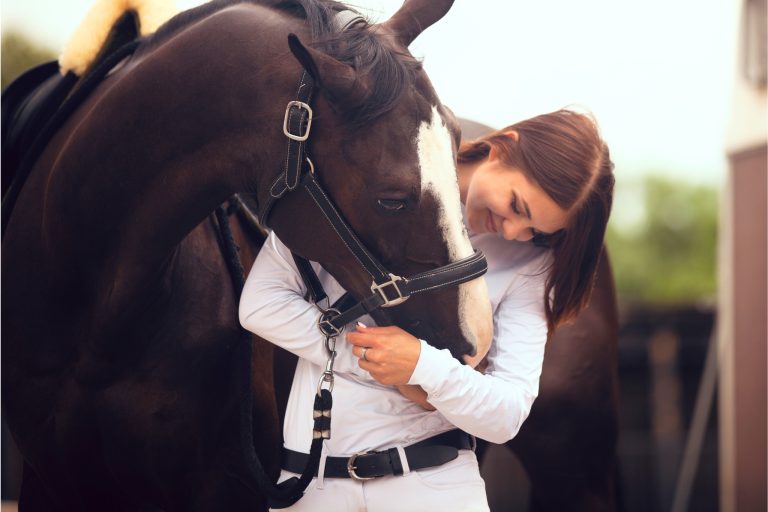
But when a horse turns toward you freely, follows your steps across an open pen, and rests its nose against your shoulder not because it has to but because it chooses to—that is an experience with no equivalent in the equestrian world.
Start slow. Stay curious. Trust the process. Your horse will show you the way.