How Much Water Do Sulcata Tortoises Need? Full Care Breakdown
Most people unintentionally get sulcata tortoise water care wrong — learn the correct hydration tips, soaking schedules, and common care mistakes to avoid.
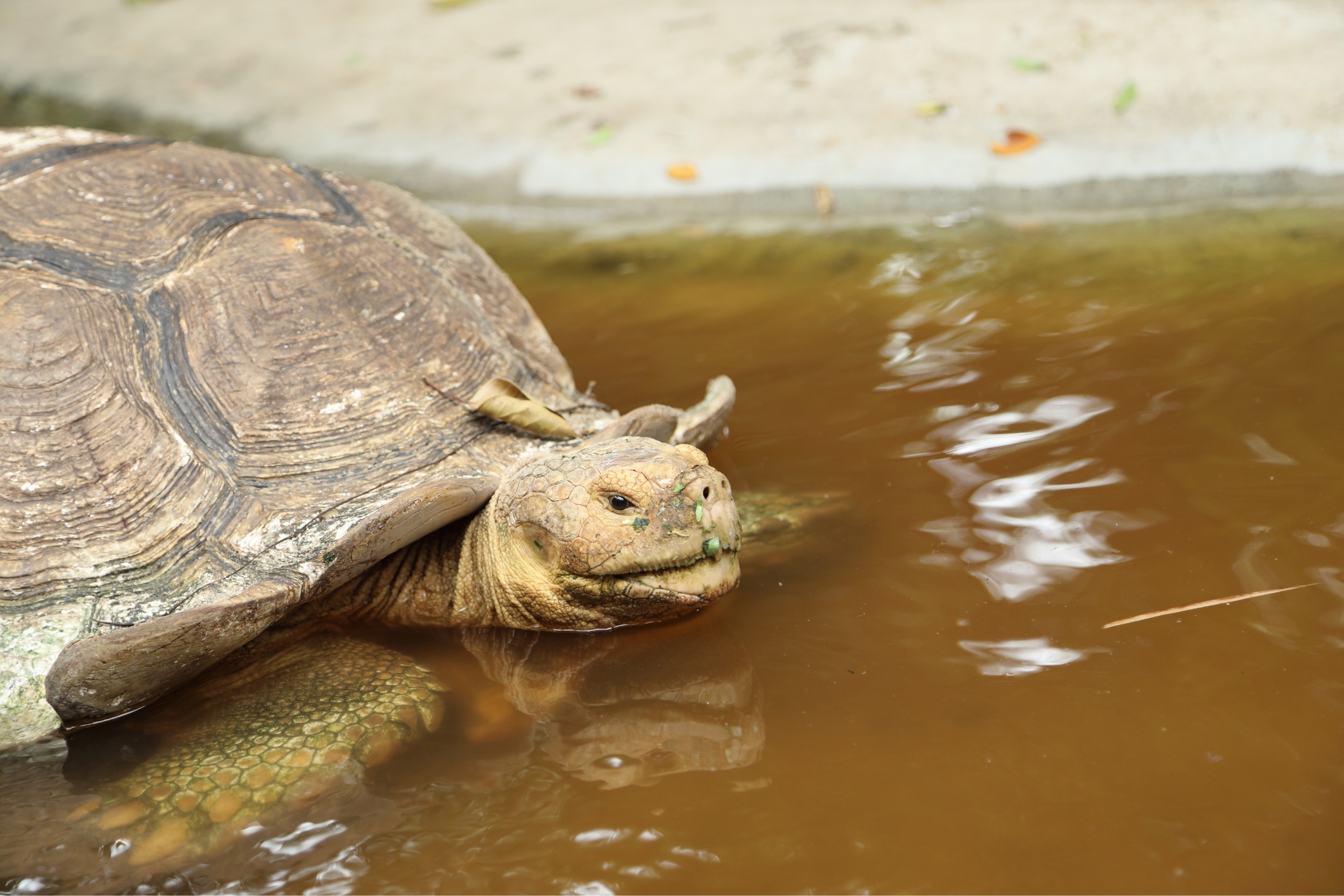
Despite being native to the hot, arid regions of the Sahara and Sahel, sulcata tortoises (Centrochelys sulcata) have surprisingly important hydration needs in captivity. Many new keepers assume these desert giants can thrive with minimal water—but in reality, proper hydration is one of the most critical factors in their long-term health, growth, and shell development.
This guide breaks down exactly how much water sulcata tortoises need, how they drink, how often should be provided, and the most common hydration mistakes to avoid.
Do Sulcata Tortoises Need Water?
Yes—absolutely. Sulcata tortoises require regular access to fresh water, even though they are adapted to arid environments.
In the wild, they obtain moisture from seasonal rain and puddles, dew and plant moisture, and naturally hydrated grasses and vegetation.
In captivity, that natural cycle must be intentionally replicated through a constant water source, routine soaking (especially for juveniles), and hydration-rich foods.
Without proper hydration, dehydration can lead to serious health issues, including poor growth, kidney strain, and shell deformities
How Sulcata Tortoises Drink Water
Sulcata tortoises do not always “drink” in the way many owners expect. They hydrate by:
- Actively drinking from shallow water dishes
- Soaking and absorbing water through their cloaca and skin
- Rehydrating during warm water soaks
- Absorbing moisture from leafy greens
Many keepers never actually witness their tortoise drinking, but that does not mean hydration is not taking place
How Often Should You Provide Water?
✔️ Daily Access (Non-Negotiable)
Adult sulcatas should always have fresh, clean water available every day.
- Change water daily, as they often soil or soak in it
- Clean the dish frequently to prevent bacteria buildup
- Use fresh, dechlorinated water whenever possible
✔️ Soaking Schedule (Age Dependent)
Hatchlings & juveniles:
- Soak 4 to 7 times per week
- 15 to 30 minutes per session
- Warm, shallow water (around chin level)
Adults:
- 1 to 3 soaks per week (more in dry climates or hot climates)
- Soaking is still important for hydration and kidney health
Soaking helps tortoises fully hydrate and often encourages drinking and elimination, supporting their overall internal health.
Ideal Water Dish Setup
A proper sulcata water station is simple, but it must be set up correctly.
✔️ Must-Have Features:
- Very shallow depth (around 1 to 2 inches max for adults)
- Wide, stable base since sulcatas are strong and can easily tip lightweight bowls
- Easy entry and exit, with no steep or slippery sides
- A design that is heavy or partially sunk into the substrate to prevent movement
- Non-toxic, easy-to-clean materials
Sulcatas often sit in their water dishes rather than simply drink from them, so stability and safety are essential.
Why Hydration Is So Important
Proper water intake supports:
- Kidney function
- Healthy digestion
- Smooth shell growth
- Prevention of dehydration and lethargy
- Proper urate (waste) elimination
Dehydration in sulcatas can develop gradually and is often only noticed once symptoms become more severe, including sunken eyes, reduced appetite, or sluggish movement.
Common Hydration Mistakes
❌ Mistake 1: “They’re desert animals, so they don’t need water”
They do—just not in the same way as aquatic reptiles. Sulcata tortoises are indeed adapted to arid environments, but that does not mean they thrive without regular hydration. In the wild, they take advantage of seasonal rains, moisture-rich vegetation, and natural water sources whenever available. In captivity, this cycle must be actively replaced. Assuming they “don’t need much water” is one of the most common and harmful misconceptions in sulcata care.
❌ Mistake 2: No soaking for juveniles
Young sulcatas are especially vulnerable to dehydration because their bodies are still developing. Routine soaking is essential for proper kidney function, digestion, and shell growth. Without it, juveniles can become chronically dehydrated even if they have access to food and a water dish. Regular warm soaks also encourage natural drinking and healthy elimination.
❌ Mistake 3: Deep water bowls
Unlike aquatic turtles, sulcata tortoises cannot swim and should never be treated as semi-aquatic animals. Deep water dishes pose a serious drowning risk, especially for smaller or weaker individuals. Water should always be shallow, stable, and easily accessible to ensure safe hydration without risk of injury or panic.
❌ Mistake 4: Dirty water left for days
Sulcatas frequently soil their water by soaking, urinating, or defecating in it. Because of this behavior, stagnant water can quickly become unsanitary and a breeding ground for bacteria. Fresh water should be provided daily, and bowls should be cleaned regularly to maintain hygiene and prevent health issues.
❌ Mistake 5: Relying only on food for hydration
While leafy greens and vegetables do contribute moisture, they cannot fully meet a sulcata’s hydration needs on their own. Food-based water intake should be seen as a supplement rather than a primary source. Without direct access to water and routine soaking, even a well-fed tortoise can slowly become dehydrated over time.
Extra Hydration Tips
- Offer high-moisture greens such as romaine, cactus pads, and leafy grasses to naturally support hydration through diet.
- Provide shaded water areas outdoors, especially in warm climates, to help keep water cool and prevent overheating or evaporation.
- Encourage regular soaking sessions during hot weather or in dry environments, as this helps maintain proper hydration levels and supports overall health.
- Use warm water during soaking to make the experience more comfortable and to help stimulate natural drinking and elimination behaviors.
Signs of Dehydration in Sulcata Tortoises
Watch for signs of dehydration such as:
- Sunken or dull eyes
- Low energy or reduced activity
- Dry or flaky skin
- Reduced urination or urates production
- Loss of appetite
These symptoms often develop gradually, making them easy to miss in the early stages. Prompt intervention is important—simple steps like soaking and improved hydration support can often help reverse mild dehydration before it becomes more serious.
Final Thoughts on Sulcata Water Needs
Sulcata tortoises may originate from dry environments, but in captivity they rely heavily on consistent, intentional hydration care. A proper water setup and regular soaking routine make a significant difference in their health, growth rate, and long-term wellbeing.
If you remember one thing, let it be this: a hydrated sulcata is a healthy sulcata.💧🐢