How to Get Chameleon Humidity Right (Without Drowning Your Setup in Mold)
Chameleons evolved in humid forests — not deserts. Here’s how to recreate that rainforest rhythm with misting, drippers, and the right hygrometer readings.
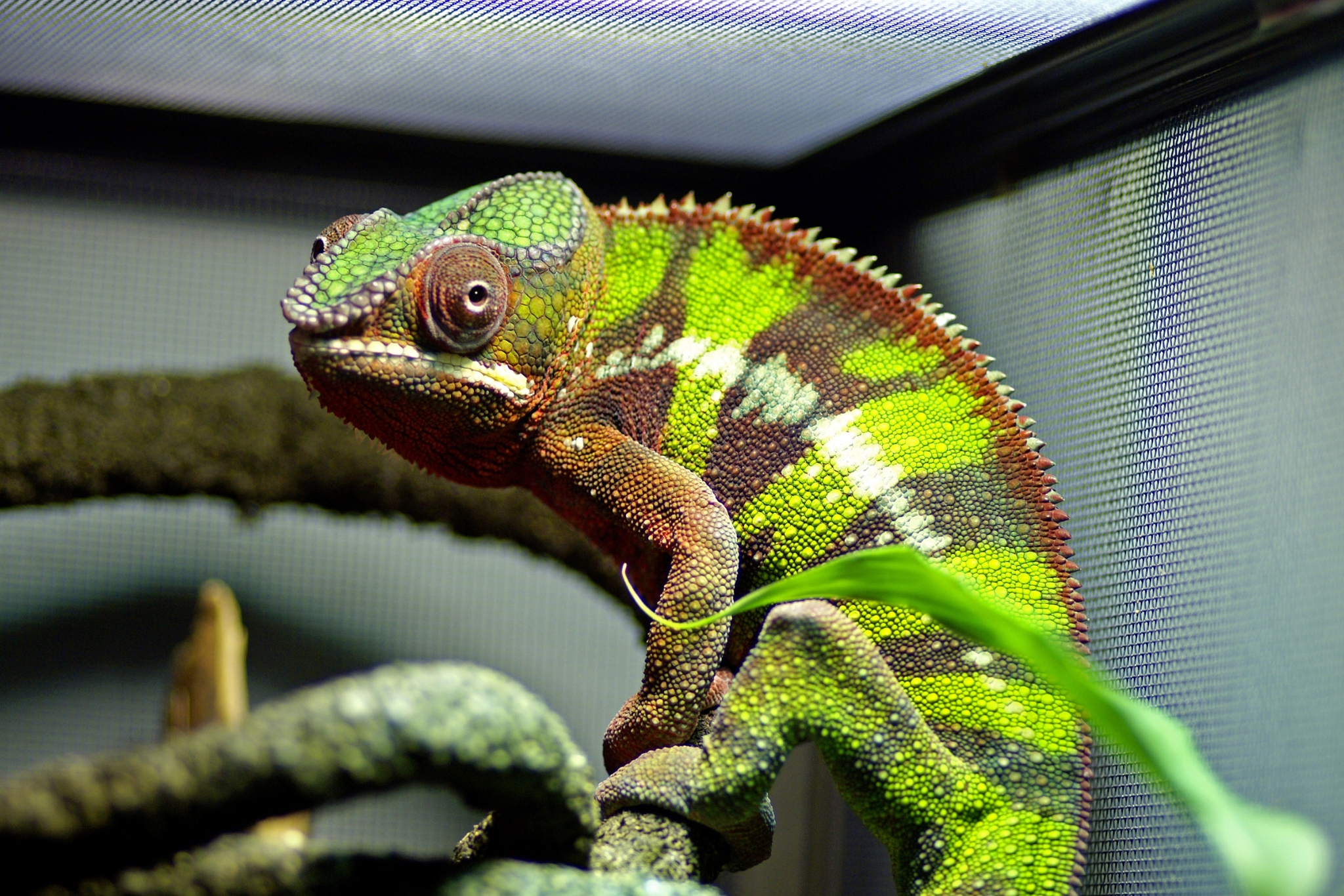
If you’ve ever found yourself standing in front of your chameleon’s enclosure with a mister in hand, wondering if you’re creating the perfect tropical paradise or just making yourself, the cage, and the floor a little more damp—you are definitely not alone.
Humidity is one of the most talked about (and often misunderstood) parts of chameleon care, but it plays a huge role in their overall health and well-being.
When humidity is balanced, your chameleon will usually show you healthy signs—like bright, alert eyes, smooth sheds, and a more comfortable, active personality. But when the levels are too high or too low, it can create challenges like respiratory issues, retained shed, and other health problems over time.
So let’s take a closer look at what your chameleon’s enclosure really needs and how to create the right balance of humidity, moisture, and airflow to mimic the natural rainforest environment they’re built for.
Why Humidity Matters So Much
Chameleons come from naturally humid environments like the forests and woodlands of Madagascar, parts of East Africa, and the misty mountain regions of the Arabian Peninsula.
Their bodies are designed for a very specific rhythm of moisture, fresh airflow, rainfall, and morning dew. Unlike many reptiles that are comfortable in dry desert environments, chameleons depend on a more humid, balanced habitat to keep their skin, eyes, and respiratory systems healthy.
This balance is important for two major reasons: hydration and shedding.
|
Did You Know?
Most chameleons don’t instinctively drink from a water bowl. Unlike some pets that will simply walk over to a dish of water, chameleons are naturally designed to drink moving droplets on plants. |
That’s why misting, drip systems, and maintaining proper humidity levels are such important parts of keeping these lizards healthy and properly hydrated.
Humidity also plays a key role during shedding. Without enough moisture in the air, old skin can become stuck, especially around delicate areas like toes and tail tips, which may create bigger problems if left unresolved.
The General Range (With a Caveat)
For many of the most popular pet chameleon species—like veiled chameleons, panther chameleons, and Jackson’s chameleons—a good daytime humidity range is typically around 50% to 70%.
At night, humidity can naturally increase to around 80% to 100%, helping recreate the overnight dew and fog that chameleons experience in their native habitats. This nighttime rise plays an important role in supporting hydration and helps provide the type of environment their bodies are naturally adapted to.
Of course, humidity needs aren’t one size fits all. Different species come from different habitats, so their ideal ranges can vary.
Chameleons from drier regions may do better with slightly lower humidity and can struggle in constantly wet conditions, while species from cooler, misty mountain forests often prefer a higher humidity environment.
Before choosing your target humidity level, it’s always best to look at your specific chameleon species and the environment they naturally come from.
How to Actually Hit Your Target
Creating the right humidity balance isn’t just about adding moisture—it’s about recreating the natural rhythm your chameleon’s body is built for.
In the wild, chameleons experience a natural rhythm of rainfall, water droplets, changing humidity levels, and fresh airflow throughout the day. A successful enclosure recreates that same balance, giving them the moisture they need while still providing the ventilation necessary for a healthy, stable environment.
1. Misting Systems
Misting systems are the foundation of many chameleon setups. Whether you use a simple spray bottle or an automated mister on a timer, the goal is to recreate the natural rainfall patterns your chameleon would experience in the wild.
Aim for a thorough misting session a few times a day, allowing water droplets to collect on leaves for your chameleon to drink from.
Just as important, give their enclosure enough time to dry between sessions. That drying period is part of the balance—it helps prevent the constant damp conditions that can lead to mold and bacterial growth while still maintaining the humidity your chameleon needs.
2. Drippers
Drippers help recreate the gentle, steady water movement chameleons naturally respond to. These systems create a slow drip that mimics water droplets collecting and falling from leaves in their natural environment, giving your chameleon another opportunity to drink throughout the day.
Many keepers run a dripper in the morning and evening alongside their regular misting schedule to help maintain a more natural hydration routine.
3. Live Plants
Live plants are one of the simplest ways to create a healthier, more natural chameleon enclosure. A well-planted setup can:
- Hold moisture in the leaves and substrate to support a more stable humidity level
- Release humidity gradually throughout the day for a more natural environment
- Provide climbing opportunities and extra places for your chameleon to explore
- Create a lush, jungle-like atmosphere that helps your chameleon feel more secure
- Mimic their wild habitat far better than a bare enclosure ever could
4. Ventilation
Ventilation is the final piece of the puzzle—and it’s one that’s easy to overlook.
Humidity works best when it’s paired with fresh airflow, allowing moisture levels to naturally rise and fall. The goal isn’t just to create a humid enclosure—it’s to create a clean, fresh, and balanced environment where your chameleon can feel comfortable and thrive.
Proper ventilation also helps prevent the space from becoming overly damp or stagnant, reducing the risk of mold and bacteria while creating a cleaner, healthier environment for your chameleon.
Reading the Room (Or the Cage)
A hygrometer is one piece of equipment you’ll definitely want in your chameleon setup. Guessing humidity by looking at the enclosure can be tricky, since glass, plants, and enclosure materials can change how the environment feels compared to what’s actually happening.
A digital hygrometer takes the guesswork out of humidity care by giving you accurate, real time readings. This makes it much easier to adjust your misting routine based on your chameleon’s actual environment—not just what it looks or feels like.
Your chameleon will also give you little clues along the way. Signs like cloudy or sunken eyes, lower energy, or shed that seems stuck may mean the humidity is too low. On the other hand, mold showing up on decor or substrate, or your chameleon avoiding areas that stay consistently wet, can be a sign that the enclosure is holding too much moisture.
At the end of the day, humidity isn’t something you simply set once and forget—it’s an ongoing part of your pet chameleon’s daily care routine.
The goal is to recreate the natural rhythm their bodies are built for: moisture, hydration, fresh airflow, and time to dry.