Ball Python Humidity Ideal Range, Tools & Fixes
Everything you need to know about ball python humidity — ideal levels, best substrates, humid hides, troubleshooting shed issues, and more.
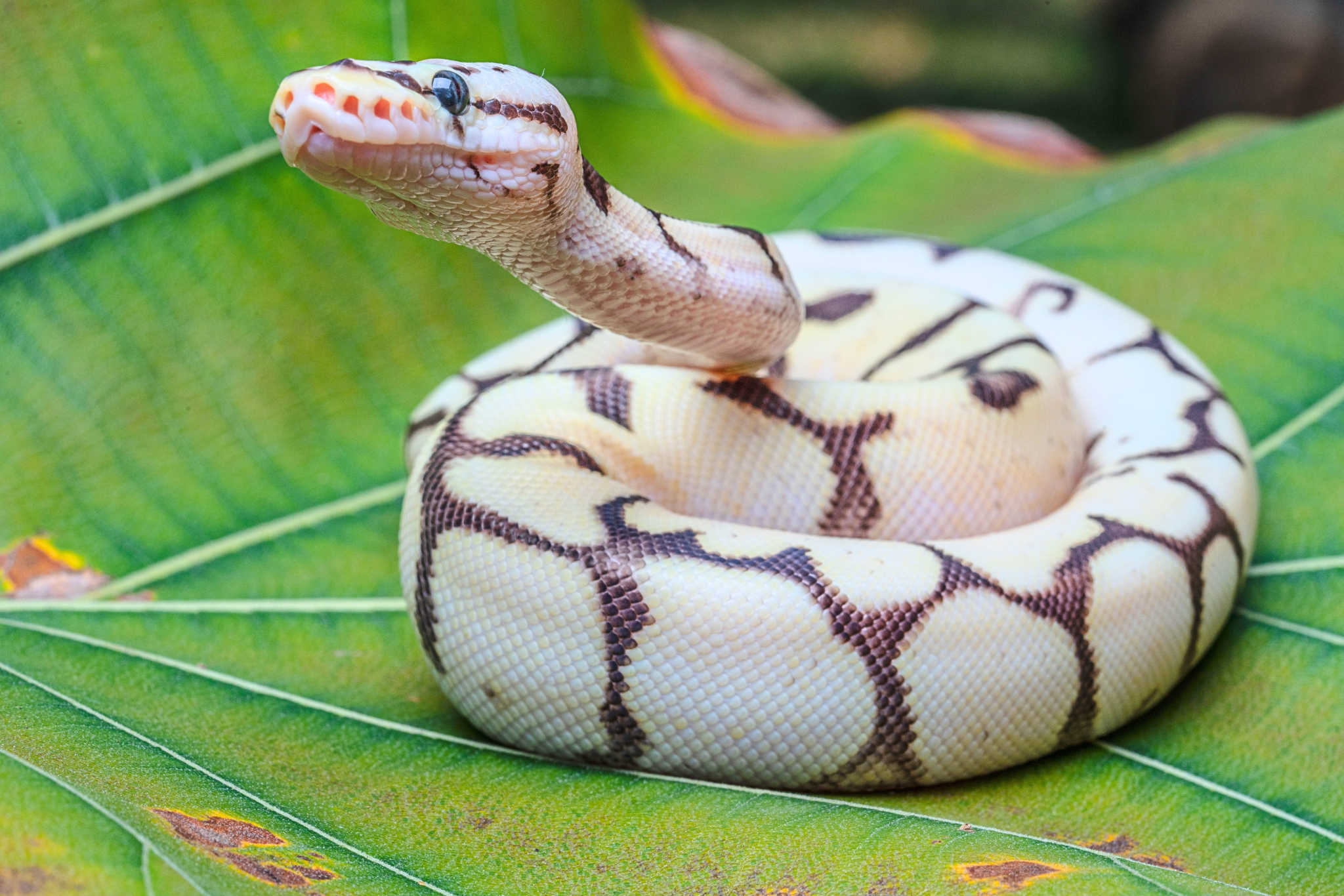
Maintaining the right humidity is one of the most important parts of caring for a ball python. It plays a key role in healthy sheds, proper hydration, and your snake’s overall well-being.
When humidity is too low—or even too high—it can lead to shedding issues, respiratory problems, and unnecessary stress.
In this article, we’ll cover everything you need to know about ball python humidity, including the ideal humidity range, how to monitor it, and simple ways to keep your snake’s enclosure at the perfect moisture level.
Why Humidity Matters for Ball Pythons
Ball pythons are native to the grasslands and open forests of West and Central Africa, where they spend most of their time resting in humid burrows and termite mounds.
To help your ball python thrive in captivity, it’s important to recreate those conditions as closely as possible.
One of the best ways to recreate their natural habitat is by maintaining the proper humidity. The right moisture level supports healthy sheds, proper hydration, and normal respiratory function, helping your ball python stay healthy and comfortable.
When humidity is too low, your snake may struggle with incomplete sheds, including retained eye caps or patches of old skin that don’t come off completely.
On the other hand, consistently high humidity—especially in an enclosure with poor ventilation—can encourage bacterial growth and increase the risk of respiratory infections and scale rot.
That’s why keeping humidity within the recommended range is such an important part of ball python care. The right balance helps your snake thrive, supports healthy body functions, and can prevent many common health issues before they begin.
Ideal Range
Most reptile keepers and veterinarians recommend keeping ball python humidity within these general ranges:
Ball Python Humidity
Everyday Humidity
50% to 60%
During Shedding
60% to 70%
Avoid
Below 40% or above 70% for extended periods
Don’t worry if humidity levels shift a bit throughout the day—a little natural fluctuation is completely normal and can actually be beneficial for your snake.
Small changes in humidity help mimic the conditions they experience in the wild, creating a more natural and comfortable environment than trying to maintain a perfectly static number at all times.
How to Measure Humidity Accurately
A reliable digital hygrometer is one of the most important tools for monitoring your ball python’s enclosure.
The inexpensive analog dial gauges often included in starter kits are known for being inaccurate and may read significantly higher or lower than the actual humidity level.
For the most accurate readings:
- Choose a digital hygrometer with a probe for better accuracy and easier monitoring.
- Place the probe at mid-enclosure height, rather than directly on the substrate or against the glass, to get a more realistic reading of the air your snake is breathing.
- Use 2 hygrometers in larger enclosures—one on the warm side and one on the cool side—as humidity levels can vary throughout the habitat.
Keeping an accurate eye on humidity makes it much easier to create a stable, comfortable environment for your ball python.
Best Substrates for Humidity Retention
The substrate you use makes a big difference when it comes to maintaining stable humidity in your ball python’s enclosure. Some materials hold moisture better than others, so choosing the right option can help create a more comfortable and consistent environment.
Popular substrate choices include:
- Coconut husk/coir — excellent moisture retention, affordable, and easy to maintain
- Cypress mulch — holds humidity well while giving the enclosure a natural, forest-like appearance
- Bioactive soil mixes — a great long term option that works well with live plants and cleanup crews to create a more natural ecosystem
- Aspen shavings — a drier substrate that works better for lower humidity setups but may require more frequent adjustments
For best results, aim for a substrate depth of at least 3 to 4 inches. A deeper layer helps buffer humidity changes, holds moisture more evenly, and gives your ball python plenty of room to burrow and feel secure.
How to Raise Humidity
If your ball python’s humidity readings are consistently too low, there are several ways to gently increase moisture levels and create a more comfortable environment:
1. Increase substrate depth and add moisture directly to the substrate rather than simply misting the air. A deeper, slightly damp substrate layer helps humidity last longer.
2. Add a humid hide—an enclosed hide lined with damp sphagnum moss that gives your snake a higher humidity retreat. Place it near a warm area of the enclosure so it stays comfortable and accessible.
3. Reduce excess ventilation by partially covering a screen top with materials like plastic wrap, foil tape, or an enclosure background. This helps slow moisture loss while still allowing proper airflow.
4. Use a larger water bowl and place it on the warm side of the enclosure to encourage gentle evaporation and naturally raise humidity.
5. Consider a fogger or humidifier for larger enclosures or setups that consistently struggle to maintain moisture levels.
6. Mist as needed by hand once or twice daily, or use an automated misting or fogging system to help maintain consistent humidity.
Practical Ways to Lower Humidity
If your snake’s humidity levels are consistently too high, a few simple adjustments can help bring the enclosure back into balance:
1. Improve ventilation by opening more of the screen top or increasing airflow to encourage moisture to escape.
2. Choose a faster drying substrate if your current bedding holds too much moisture or stays damp for extended periods.
3. Reduce misting frequency and allow the enclosure to dry slightly between moisture adjustments.
4. Check for excess water by looking for standing water, overly wet substrate, or poor drainage, and make changes as needed.
You don’t want their enclosure to be constantly damp. A well-balanced setup should provide humidity while still allowing proper airflow and preventing excess moisture buildup.
Common Mistakes to Avoid
Maintaining the right humidity level is all about finding balance. These common mistakes can make it harder to create a stable, healthy environment for your ball python:
1. Relying on the included hygrometer or thermometer
Starter kit gauges are usually inaccurate. Upgrade to a quality digital unit so you can monitor conditions with confidence.
2. Chasing humidity numbers with excessive misting
Heavy misting may cause a quick spike, but humidity can drop just as quickly afterward. Consistent, stable humidity is better than constant swings.
3. Skipping the humid hide
A properly set up humid hide is one of the simplest and most effective tools for helping with shedding issues and giving your snake a moisture rich retreat when needed.
4. Overlooking ventilation
A warm, stagnant, overly humid enclosure can create bigger health concerns than slightly low humidity. Good airflow helps prevent problems like bacterial growth and respiratory issues.
The goal is a balanced habitat: humid enough to support your ball python’s needs, but well-ventilated enough to keep the enclosure clean and healthy.
The goal is a balanced habitat — humid enough to support your ball python’s needs, but well-ventilated enough to keep the enclosure clean and healthy.
Signs Your Humidity Is Off
Finding the right humidity balance is an important part of keeping your ball python healthy. While small fluctuations are normal, consistently low or high humidity can lead to discomfort and potential health concerns.
Knowing what signs to watch for can help you make adjustments before small issues become bigger problems.
Signs Humidity May Be Too Low:
- Retained eye caps or incomplete sheds — dry conditions can make it harder for your ball python to remove old skin completely
- Spending excessive time soaking in the water bowl — frequent soaking may be your snake’s way of seeking extra moisture
- Dull, wrinkled-looking skin between sheds — healthy skin should appear smooth and well-hydrated
Signs Humidity May Be Too High:
- Wet or moldy substrate — constantly damp bedding can create an unhealthy environment and encourage bacterial growth
- Blister-like spots on the belly — these can be an early warning sign of scale rot and should be addressed quickly
- Breathing issues — labored breathing, clicking sounds, or nasal discharge may indicate a respiratory problem and should be evaluated
The Bottom Line on Humidity
Consistency is key when it comes to ball python humidity. A steady environment with around 55% humidity and a well-maintained humid hide is far better for your snake’s long term health than constantly fluctuating levels.
Invest in a reliable hygrometer, provide a dedicated humid hide, and make small adjustments to substrate and ventilation over time instead of making sudden changes.
Your ball python’s sheds, behavior, and overall well-being will help guide you toward the right balance.