The Good, Bad, and Ugly Truth About Indian Ringnecks
Learn the truth about Indian Ringneck parakeets: their talking ability, lifespan, aggression, and the hormonal “beak of doom” phase every owner should know.
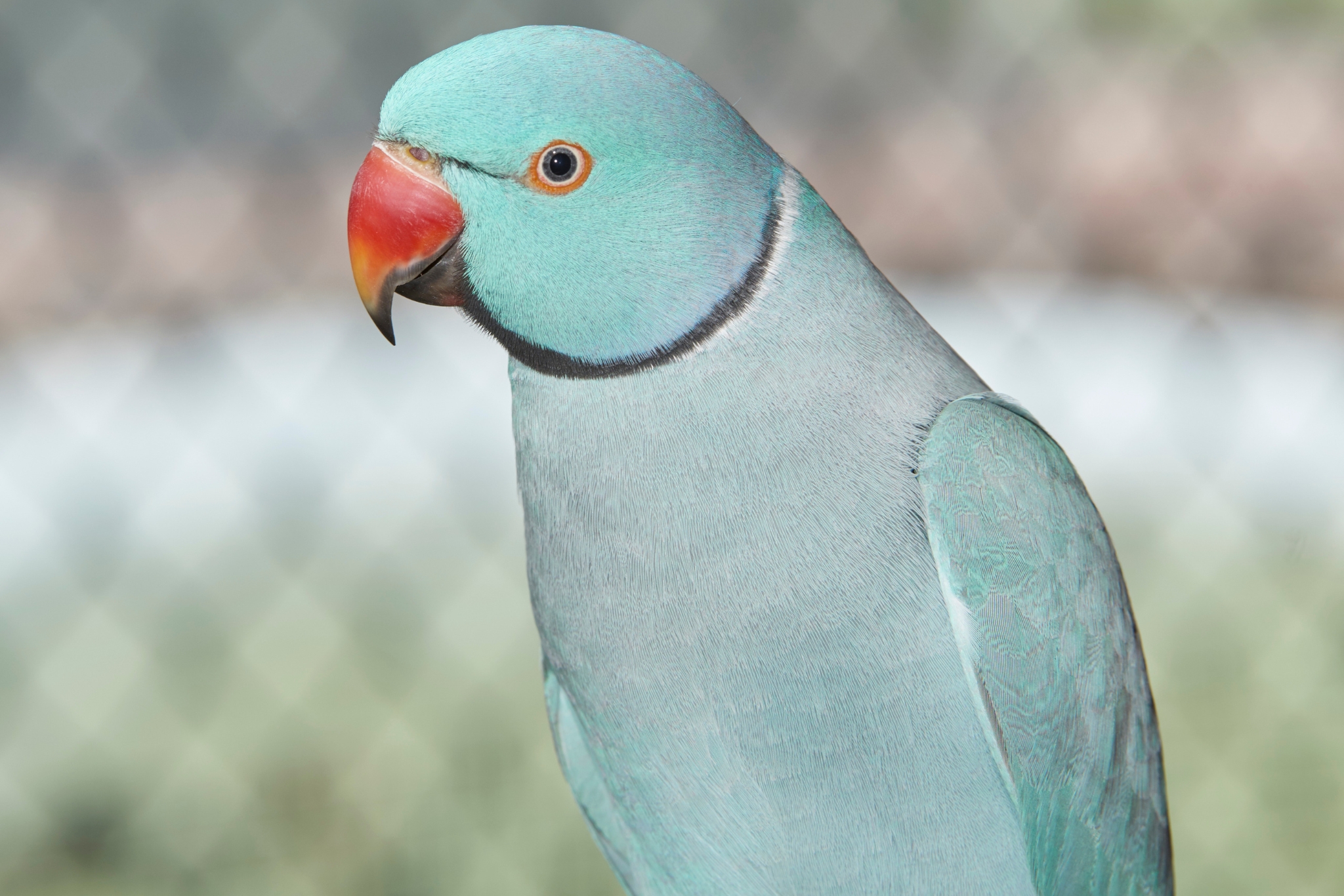
Indian Ringneck parakeets are some of the most beautiful and captivating birds you can welcome into your home—but they’re also one of the most misunderstood.
A quick look online often shows two very different sides of life with a Ringneck: the charming, confident bird perched on a shoulder, chatting away in full sentences, and the frustrated owners navigating the challenges of the famous “Ringneck puberty” phase.
The honest reality is that both sides are real—these intelligent, independent birds can be incredibly rewarding companions, but they also come with unique personalities, strong opinions, and a few surprises along the way.
In this article, we’ll take an honest look at what it’s really like to live with an Indian Ringneck (Psittacula krameri)—from their playful personalities and talking abilities to their more challenging behaviors—so you can decide if this remarkable parrot is the right fit for you.
What Is an Indian Ringneck Parakeet?
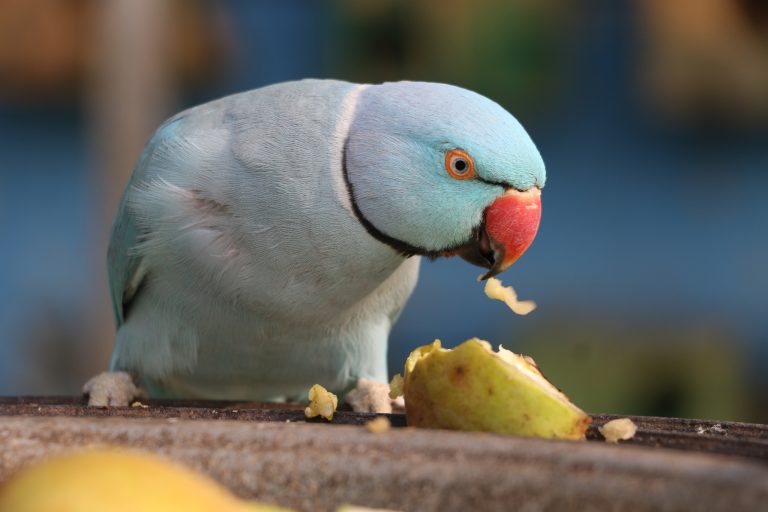
The Indian Ringneck is a stunning medium sized parakeet native to parts of South Asia and Africa.
They get their name from the distinctive colored ring that develops around the neck of mature males, adding to their already eye-catching appearance.
These elegant parrots typically measure 14 to 17 inches from beak to tail (with much of that length coming from their long, graceful tail feathers) and usually weigh around 100 to 150 grams.
They come in a beautiful variety of colors and patterns, including the classic green, blue, lutino, cinnamon, pied, and many other popular mutations.
While Indian Ringnecks are sometimes promoted as easy starter parrots, they’re not quite the same as more beginner friendly birds like budgies or cockatiels.
These clever, independent birds have big personalities and do best with owners who understand parrot behavior, provide plenty of enrichment, and are ready for the long term commitment that comes with caring for such an intelligent companion.
The Good Why People Fall in Love With Ringnecks
Indian Ringnecks are more than just beautiful birds—they’re intelligent, playful, and full of personality.
Their unique combination of talking ability, curiosity, and confidence makes them a favorite among experienced parrot owners.
1. Exceptional Talking Ability
These birds are considered some of the best talkers in the parakeet family, often impressing their owners with their clear, expressive voices.
Many Ringnecks learn dozens of words and phrases, and their speech can sound surprisingly crisp and human-like compared to some smaller parakeets.
2. Stunning Color Variety
One of the most exciting things about Indian Ringnecks is their incredible range of colors. Thanks to years of careful breeding, these parrots are available in many beautiful mutations, including lutino, albino, cinnamon, pied, violet, blue, grey, and more.
3. Long Term Companionship
Indian Ringnecks are truly a long term commitment. With proper nutrition, veterinary care, and enrichment, they can live 25 to 30 years or more.
For owners looking for a lifelong companion, their long lifespan can be incredibly rewarding—but it also requires thoughtful planning and dedication.
4. Highly Intelligent and Trainable
These clever parrots are quick learners and love having a challenge. Indian Ringnecks often pick up tricks, target training, and recall commands quickly with positive reinforcement.
With the right enrichment, they can be curious problem solvers who enjoy figuring out new games, puzzles, and activities.
5. Confident and Active Personalities
Unlike some parrots that are naturally timid, these parrots are often bold, curious, and confident. They enjoy exploring, learning, and showing off their athletic abilities. Their graceful flight, playful nature, and independent spirit really do make them fascinating birds to watch and interact with.
6. Strong Bonds With Their Owners
Indian Ringnecks may have independent personalities, but they are also capable of forming incredibly strong relationships with their favorite people.
With patience, trust, and consistent positive interactions, many Ringnecks become affectionate, engaged companions who enjoy spending time with their owners.
Their intelligence and curiosity make daily interaction especially rewarding. Whether they’re learning new words, practicing tricks, or simply hanging out nearby, a well-socialized Ringneck can develop a unique bond and become a truly special part of the family.
The Bad What Nobody Tells You Before You Buy
Indian Ringnecks are incredible companions, but they also come with a few challenges that every potential owner should understand.
Their intelligence, independence, and strong personalities are part of what makes them special—but those same traits can sometimes surprise new owners.
1. “Ringneck Puberty” Is Real (And It Can Be Tough)
This is one of the most talked about stages of Indian Ringneck ownership for a reason. Between roughly 5 months and 2 years of age, many young Ringnecks go through a hormonal maturity phase where a sweet cuddly baby bird may suddenly become more nippy, moody, or territorial.
Many owners jokingly refer to this as the “beak of doom” stage, but it’s important to remember that this behavior is a normal part of development—not a sign of a bad bird or poor ownership.
With patience, consistency, and positive reinforcement, most birds move through this phase.
Unfortunately, the surprise of these changes is also one of the reasons some Ringnecks are rehomed.
2. Loud, Attention Seeking Vocalizations
That impressive talking ability also comes with a big voice. Indian Ringnecks naturally have a loud, high pitched contact call that they use to communicate, especially in the morning, evening, or when they want interaction.
With that said, they can be wonderful apartment companions with the right setup and training, but owners should have realistic expectations about noise levels and be prepared to work on healthy routines around quiet times.
3. Strong (and Sometimes Changing) Bonds
Indian Ringnecks are known for forming deep connections with their favorite people. However, their independent personalities can sometimes mean they become selective about who they want to interact with.
Some birds may strongly prefer one person and become less interested in others in the household. Their favorite person can even change over time, especially during hormonal periods.
Building trust with consistent, positive interactions helps create a more balanced relationship.
4. Space and Enrichment Needs
Despite their medium size, Indian Ringnecks need plenty of room to move, climb, and explore. Their long tails and active personalities mean they benefit from a spacious cage, along with daily supervised time outside of the enclosure.
A bird with limited space or too little mental stimulation can become bored, frustrated, or develop unwanted behaviors.
Providing toys, training sessions, foraging opportunities, and regular interaction helps keep these intelligent parrots happy and engaged.
The Ugly The Hard Truths Before You Commit
While Indian Ringnecks can be amazing companions, they’re not the right fit for every household.
Their intelligence, strong personalities, and long lifespan make them rewarding birds—but they also come with responsibilities that potential owners should understand before committing.
1. Bites Can Be Serious
Indian Ringnecks have strong sharp beaks, and a bite from a frightened, frustrated, or hormonal bird can break skin.
This doesn’t mean they are naturally aggressive birds. In many cases, biting is connected to fear, poor socialization, unclear boundaries, or a bird struggling through a hormonal phase.
Understanding their body language and building trust through positive interactions can make a huge difference.
2. High Rehoming Rates
Unfortunately, Indian Ringnecks are often rehomed when owners aren’t prepared for their more challenging stages. The combination of their teenage phase, loud vocalizations, independent nature, and long lifespan can catch people off guard.
When a bird moves through multiple homes, it can make trust and behavior challenges even harder.
Taking the time to understand their needs before adoption can help create a more stable, lifelong relationship.
3. A 25+ Year Commitment
Bringing home an Indian Ringneck is a commitment that can last decades. A bird adopted in your 20s may still be with you well into middle age, meaning major life changes—such as moves, relationships, careers, and family changes—should be considered.
Their long lifespan is one of their greatest qualities, but it also means they require thoughtful planning and dedication.
4. Feather Plucking and Stress Related Behaviors
Like many intelligent parrots, Indian Ringnecks need plenty of mental stimulation and social interaction. Birds that are bored, stressed, or lacking enrichment may develop behaviors like feather plucking or other self-destructive habits.
Providing a consistent routine, engaging toys, training opportunities, and plenty of positive interaction is one of the best ways to support their emotional well-being.
5. Legal and Regional Considerations
Before bringing home an Indian Ringneck, it’s a good idea to check local regulations. In some areas, established wild populations have led to restrictions or permit requirements related to owning or breeding this species.
A little research ahead of time can help ensure you’re prepared to provide a safe and responsible home for your new companion.
So—Should You Get an Indian Ringneck?
Indian Ringnecks can be incredible companions for owners who understand what they’re signing up for.
Indian Ringnecks are intelligent and affectionate birds that can form deep bonds with their people. From learning words and tricks to showing off their unique personalities, they have a way of becoming a beloved part of the family for many years to come.
But they are also a big commitment. These birds may test boundaries during adolescence, fill your home with their big voices, and require daily attention, training, and enrichment throughout their lives.
An Indian Ringneck May Not Be the Best Fit For:
- Noise sensitive households or small apartments with limited sound control
- First time bird owners expecting a simple, low maintenance pet
- Anyone who isn’t prepared for 20 to 30 years of consistent care
- Families looking for a bird that will naturally bond equally with every person in the home
An Indian Ringneck Can Be a Great Fit For:
- Experienced bird owners or dedicated first time owners who have done their research
- People who can provide daily interaction, training, and supervised out of cage time
- Owners looking for an intelligent companion with a big personality
- Homes with enough time and space for a properly sized cage, enrichment, and an active lifestyle
With the right owner and environment, an Indian Ringneck can be a truly rewarding companion—but the best relationships start with understanding their needs before bringing one home.
Frequently Asked Questions about Indian Ringnecks
1. Do all Indian Ringnecks go through an aggressive phase?
Most Indian Ringnecks experience some level of a hormonal or “teenage” phase as they mature. This behavior is a natural part of development—not a sign that you’ve failed at training.
The intensity can vary from bird to bird and depends on factors like personality, sex, socialization, and how consistently you maintain calm, positive interactions during this stage.
2. Are Indian Ringnecks good for beginners?
Indian Ringnecks can make wonderful companions, but they are usually best suited for owners who understand parrot behavior and are prepared for their strong personalities.
First time bird owners can succeed with proper research and commitment, but should be ready for their intelligence, vocal nature, bite strength, and long term care needs.
3. How long do Indian Ringnecks live?
With proper nutrition, regular veterinary care, and plenty of mental stimulation, Indian Ringnecks typically live 25 to 30 years. Bringing one home is a long term commitment that can span several decades.
4. Can male and female Ringnecks both learn to talk?
Yes! Both male and female Indian Ringnecks can become talented talkers. While some people believe one sex talks better than the other, personality, individual ability, early socialization, and consistent interaction play a much bigger role in a bird’s speech development.
The Bottom Line
The truth about Indian Ringnecks is that they aren’t simply “good birds” or “bad birds”—they’re intelligent, complex companions with unique needs, strong personalities, and an incredible ability to form meaningful bonds when given the right care.
The owners who have the best relationships with their Ringnecks are the ones who do their research, understand the challenges, and appreciate the full picture.
By preparing for the difficult moments, you’ll be able to truly enjoy all of the amazing qualities that make these birds so special.