I Know Lemurs Are Adorable, But Here’s Why They’re Awful Pets
Lemurs might look cute, but they’re terrible pets. From destructive behavior to serious health risks, here’s why you shouldn’t get a lemur — no matter how adorable.
- The Reality Check You Need About Pet Lemurs
- Lemurs Are Illegal to Own in Most Places
- Lemurs Are Critically Endangered
- Lemurs Have Specialized Dietary Needs
- They’re Destructive Little Tornadoes
- Lemurs Carry Serious Health Risks
- They’re Extremely Social Animals Who Need Their Own Kind
- Lemurs Become Aggressive as They Mature
- What You Should Do Instead
- The Bottom Line on Lemurs as Pets
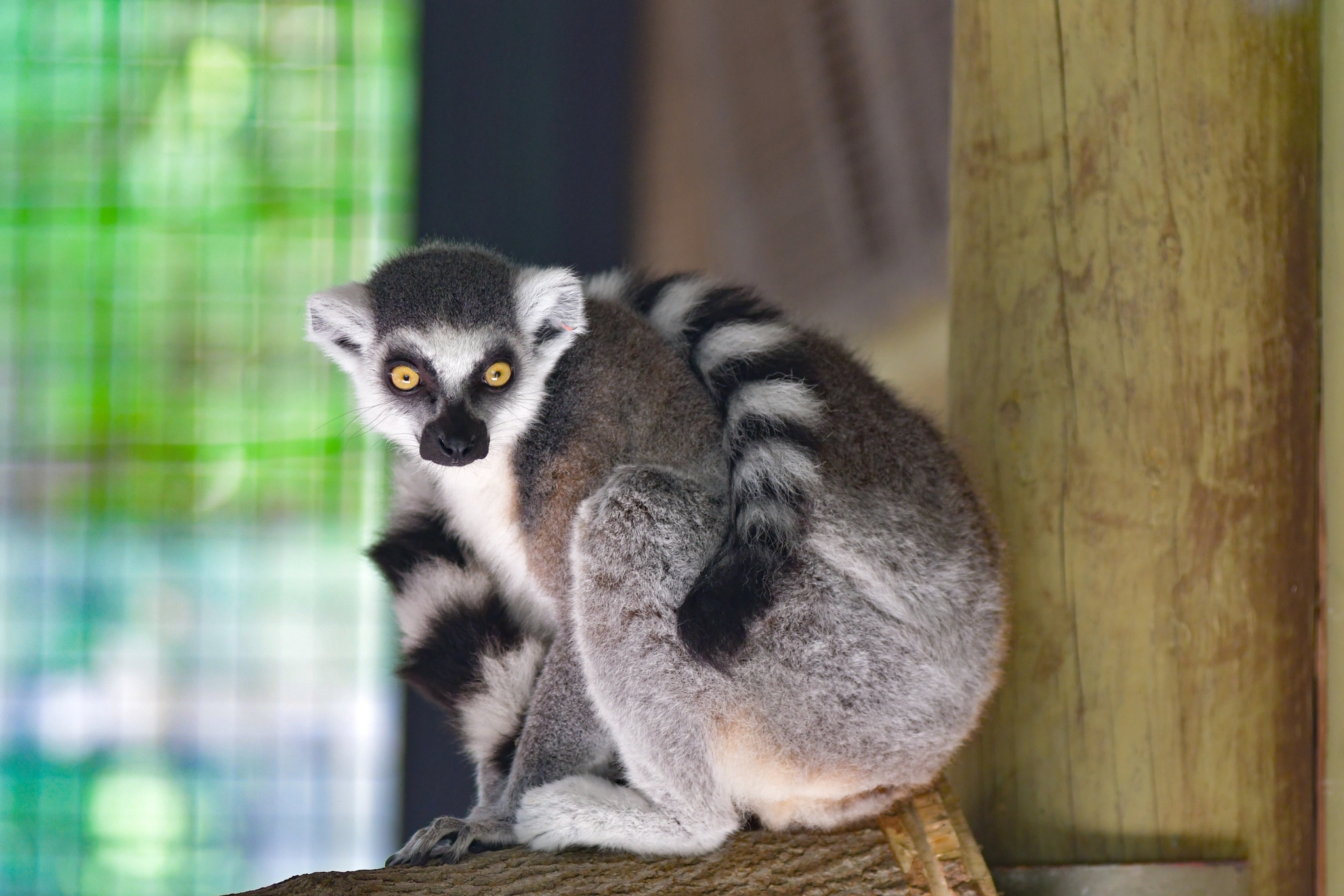
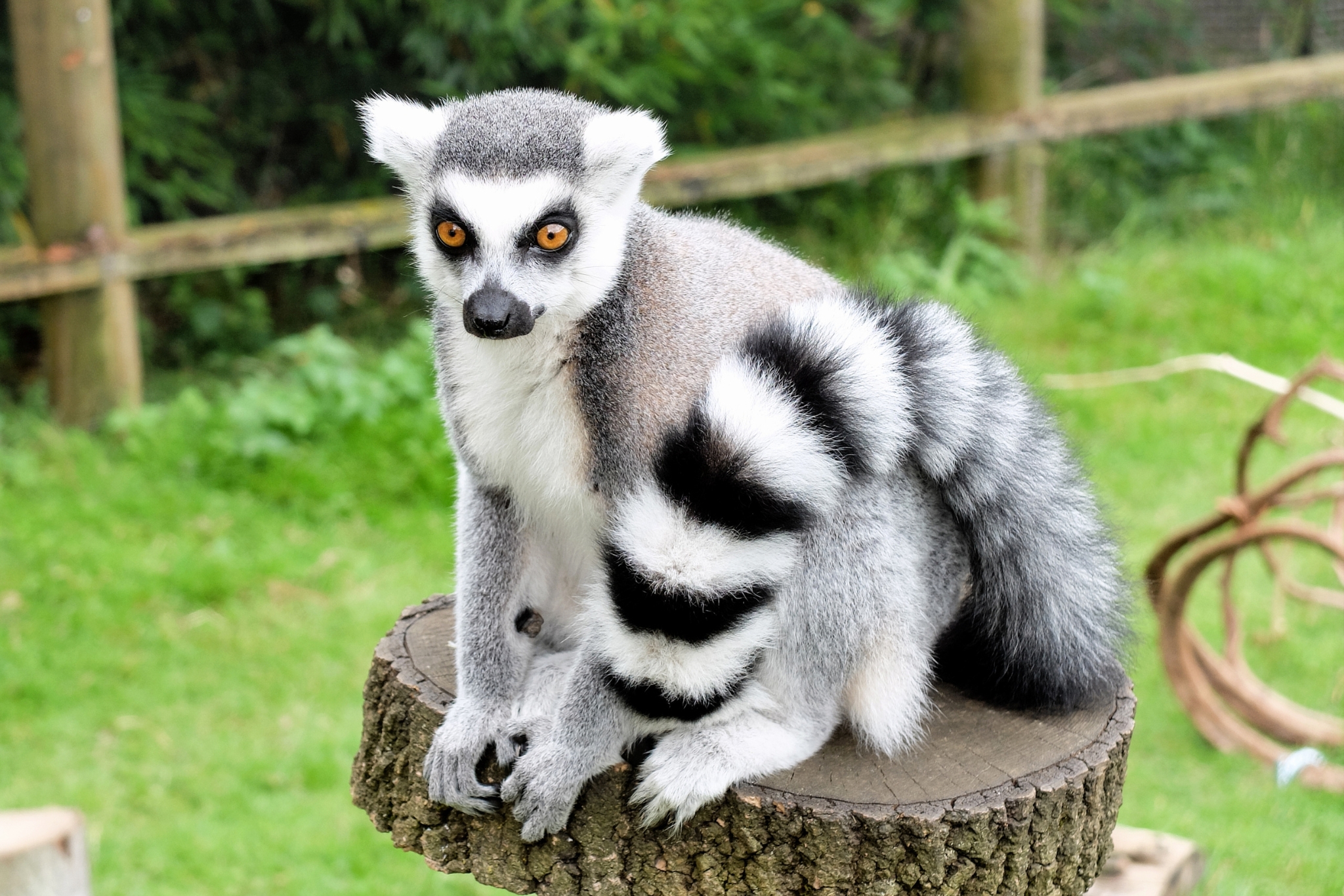
Look, I get it. You watched Madagascar, fell absolutely head over heels for King Julien, and now you’re wondering if you could have your very own lemur at home. Those big eyes! That fluffy tail! The adorable bouncing!
But here’s the thing: lemurs make absolutely terrible pets, and I’m going to tell you exactly why.
If you care about the welfare of animals and you’re not some heartless jerk, keep reading to know exactly why these high maintenance primates are not pet material.
The Reality Check You Need About Pet Lemurs
Before we dive in, let’s get one thing straight: lemurs are wild animals, not domesticated companions.
While they might look cuddly and manageable, keeping a lemur as a pet is not only a bad idea for you but it’s also harmful to these incredible primates. Let’s break down exactly why bringing a lemur into your home would be a disaster.
1. Lemurs Are Illegal to Own in Most Places
First things first: in most of the U.S.A. owning a pet lemur is completely illegal.
Even in states where exotic pet ownership is less restricted, you typically need special permits, licenses, and facilities that meet state requirements.
Getting caught with an illegal pet lemur can result in hefty fines, criminal charges, having the animal confiscated, and even jail time. Not exactly the cute pet situation you were imagining, right?
2. Lemurs Are Critically Endangered
Here’s the most important reason: lemurs are among the most endangered mammals on Earth.
Nearly all lemur species are threatened with extinction, primarily due to habitat loss and the illegal pet trade. By purchasing a lemur, you’re directly contributing to the devastating decline of wild populations.
Every lemur taken from the wild or bred for the pet trade is one less lemur contributing to the survival of their species. Madagascar’s lemur populations are in crisis, and the exotic pet industry is making things worse.
3. Lemurs Have Specialized Dietary Needs
Think feeding a lemur is as simple as tossing them some fruit? Think again!
In the wild, different lemur species eat specific combinations of leaves, fruits, flowers, bark, and even insects.
Getting their nutrition wrong can lead to serious health problems including metabolic bone disease, obesity, and organ failure.
You’d need to source exotic fruits, commercial lemur food, provide proper supplements, and prepare meals that change seasonally. This isn’t just expensive, it’s also incredibly time consuming.
4. They’re Destructive Little Tornadoes
Lemurs are incredibly active and athletic animals that need tons of space to climb, jump, forage, and explore.
In your home, this translates to destroyed furniture, torn curtains, knocked over lamps, and general chaos. They’re naturally curious and will investigate everything with their hands and mouths.
Lemurs also can’t be reliably house trained like dogs or cats. Imagine coming home to find lemur poop smeared on your favorite couch. Not so cute anymore, is it?
5. Lemurs Carry Serious Health Risks
Here’s something that might surprise you: lemurs can carry diseases that are transmissible to humans, including parasites, bacteria, and viruses.
They can bite when stressed or frightened, and lemur bites can become seriously infected.
Additionally, lemurs are highly susceptible to human diseases. A simple cold that you might shake off in a few days could be deadly to a pet lemur. This creates a health risk that’s genuinely dangerous for both you and the animal.
6. They’re Extremely Social Animals Who Need Their Own Kind
In the wild, lemurs live in large social groups called troops. They need interaction with other lemurs to thrive mentally and emotionally. A solitary lemur in your home will become depressed, anxious, and may develop serious behavioral problems.
You can’t replace lemur companionship with human interaction. They communicate through scent marking, vocalizations, and behaviors that only other lemurs understand.
Keeping a lemur alone is essentially subjecting them to a lifetime of isolation and loneliness.
7. Lemurs Become Aggressive as They Mature
Even if a baby lemur seems sweet and manageable, lemurs typically become aggressive as they reach sexual maturity. Males especially can become territorial and dangerous, biting and attacking their owners.
This aggression is completely natural for them, but it makes them incompatible with life in the average home.
Many exotic pet owners find themselves unable to handle their lemurs once they mature, leading to animals being abandoned, surrendered, or living in inadequate conditions. There are very few sanctuaries equipped to take in surrendered lemurs, so unfortunately this often ends tragically.
What You Should Do Instead
Still love lemurs? I totally understand! Here are some awesome ways to appreciate these amazing animals without keeping them as pets:
- Visit Zoos and Sanctuaries: See lemurs in professionally managed environments where they receive proper care and contribute to conservation efforts.
- Support Conservation Organizations: Donate to groups working to protect lemurs in Madagascar, such as the Lemur Conservation Foundation or the Madagascar Fauna and Flora Group.
- Adopt Symbolically: Many conservation programs offer symbolic lemur adoptions where your donation supports wild lemur protection.
- Volunteer: Some sanctuaries accept volunteers who can work with lemurs in appropriate educational settings.
- Educate Others: Share what you’ve learned about why lemurs don’t make good pets and help protect these incredible animals.
The Bottom Line on Lemurs as Pets
I know it’s disappointing to hear that lemurs don’t make good pets, but the reality is that keeping these wild animals in homes causes suffering for the animals and creates serious problems for owners.
Lemurs belong in the wild forests of Madagascar or in professional facilities dedicated to their conservation.
The best thing we can do for lemurs is appreciate them from a distance, support their conservation, and resist the temptation to turn these magnificent wild animals into pets. Trust me, your future self (and the lemurs) will thank you for making the responsible choice.