Feeding Pet Servals Whole Prey
Learn why whole prey feeding is considered the gold standard for pet servals, how it supports their physical and mental health, and how exotic pet owners can responsibly incorporate this natural diet into their serval’s care routine.
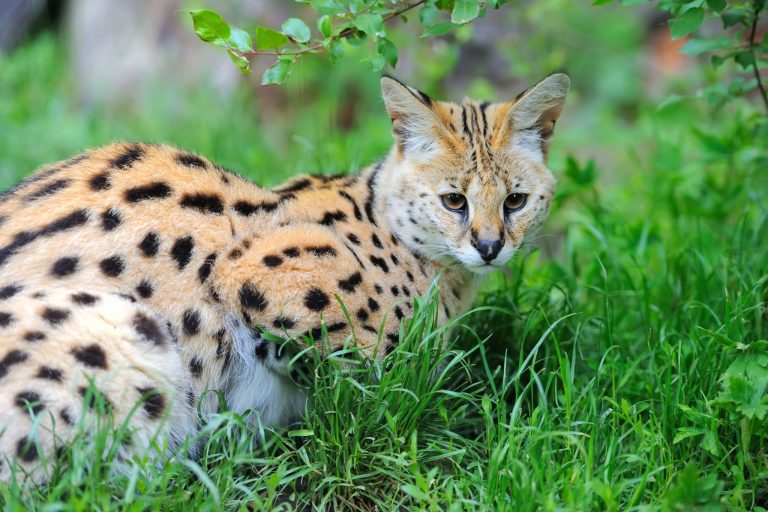
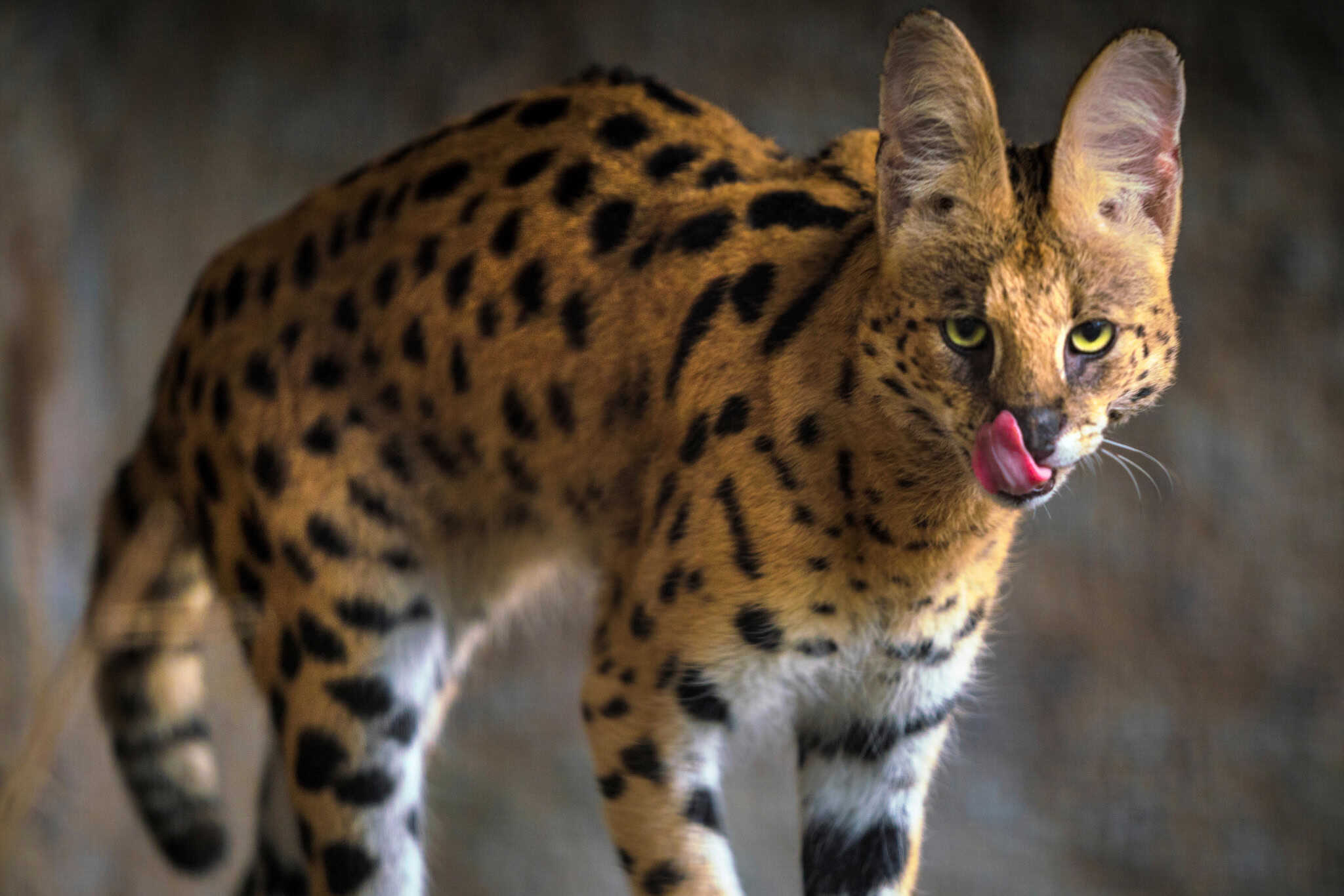
Servals are among the most captivating exotic cats on the planet and are an increasingly popular exotic pet choice amongst animal lovers. With their long legs, large ears, and striking spotted coats, these miniature cheetahs bring the beauty of the African savannah right into your home.
Servals are not easy pets, but for dedicated and educated keepers, owning a serval can be an enriching experience – but with that privilege comes a huge responsibility to care for these wild cats correctly and mimic their natural lifestyle as closely as possible.
One of the most critical aspects of serval care is diet. And when it comes to a pet serval’s diet nothing beats the health benefits of feeding quality whole prey.
In this article we’ll explore why feeding whole prey is the gold standard for servals, how it supports their physical and mental health, and how exotic pet owners can responsibly implement this natural diet into their pet serval’s care routine.

What Is Whole Prey Feeding?
Whole prey feeding refers to providing your pet serval with entire prey animals (such as mice, chicks, quail, guinea pigs, or rabbits) in their unprocessed form – bones, organs, fur, feathers, and all stays on the prey item and is offered whole to your serval.
Whole prey diets are designed to mimic what they would naturally eat in the wild. Feeding your serval a whole prey diet offers the benefits of being both nutritionally complete and a great form of enrichment.
Servals are obligate carnivores. Whole prey isn’t just an option – it’s a biological necessity.
Why Whole Prey Foods are Ideal for Servals
1. Biologically Appropriate Nutrition
Servals are true obligate carnivores. This means that in the wild they hunt and consume a wide range of prey including rodents, birds, frogs, and insects. These prey items supply wild servals with not just meat but also essential:
- Calcium from bones
- Taurine and amino acids from organ meats
- Fiber and roughage from fur and feathers
- Vitamins A, D, E, and K in bioavailable forms
Pet servals don’t have the opportunity to hunt on a daily basis, but that doesn’t mean their foods shouldn’t mimic a natural diet. A whole prey diet ensures balanced species appropriate nutrition – something commercial cat food can’t fully replicate.
Feeding servals whole prey isn’t just about nutrition. Whole prey also offers essential enrichment and allow pet servals to engage in natural behaviors like stalking, tearing, and chewing – activities that ground meat diets simply can’t replicate.
But what about ground meat mixes made for big cats?
At first glance premade ground meat diets formulated for carnivores or big cats might appear to be a convenient option for feeding servals. While some keepers may have short-term success with these diets, they are not ideal as a long-term food source due to their ingredients.
Servals in the wild primarily hunt and consume small prey, with rodents (particularly rats) being the most commonly documented food item in dietary studies. However many commercial exotic carnivore diets are made with horse meat, beef, or meat by-products – none of which reflect a serval’s natural diet.
2. Supports Natural Hunting Behaviors
Servals are incredibly active and instinct driven hunters. In the wild they have an impressive hunting success rate of over 50%, far surpassing lions who succeed only about 20% of the time (even with the help of a pride).
This remarkable efficiency is fueled by their agility, sharp senses, and lightning fast reflexes. One of the serval’s most iconic abilities is its vertical leap, allowing it to snatch prey right out of the air and this extraordinary skill plays a vital role in their wild hunting strategy.
To thrive in human care, servals need opportunities to express these natural hunting behaviors – especially during feeding time.
Feeding whole prey allows pet servals to:
- Engage in natural feeding and tearing behaviors
- Satisfy instinctual drives like stalking, pouncing, and chewing
- Experience mental and physical stimulation during mealtime
Eating whole prey isn’t just fun for servals – it’s essential for their long term well-being.
3. Promotes Dental Health
Chewing through feathers, fur, bones, and tendons helps keep a serval’s teeth clean and strong. Unlike soft muscle meat or ground meat, whole prey foods require servals to really chew which:
- Prevents tartar buildup and gingivitis
- Strengthens jaw muscles
- Reduces the risk of dental diseases – unfortunately this is common in cats on inappropriate diets
Dental issues are not only painful but can also lead to serious health problems. Prevention through diet is key to keeping pet servals healthy.
4. Better Digestion and Stool Quality
Pet servals fed whole prey often show improved digestion and gut health. Unlike commercial cat foods, whole prey does not contain fillers, grains, or additives that can irritate a carnivore’s digestive system. The natural enzymes and fiber from fur and bones contribute to:
- Healthier gut flora
- More efficient nutrient absorption
- Firm low-odor stools that are easier to manage
5. Reduced Risk of Obesity and Nutritional Deficiencies
Many exotic pet owners struggle with overfeeding or imbalanced homemade diets, especially when relying on cuts of muscle meat or commercial cat foods. These foods lack vital nutrients and are inappropriate longterm diets for servals.
Implementing a Whole Prey Diet for Servals
Feeding a pet serval takes commitment but it is entirely feasible and incredibly rewarding. Here’s how to get started:
Choose Prey Types That Mimic Their Wild Diet
Offer a variety of prey animals to ensure complete nutrition and enrichment:
- Mice and rats
- Day-old chicks and quails
- Rabbits (appropriately portioned)
- Insects such as crickets or mealworms for enrichment
Always Feed Raw and Whole (Never Cooked)
Remember never to cook bones meant for your serval. Cooking bones can cause them to splinter and become dangerous.
Servals are naturally equipped to thrive on raw diets. Their digestive systems are specifically adapted to handle raw meat and whole prey. As long as proper food storage and safe handling practices are followed to prevent contamination, feeding your serval raw whole prey items is safe.
Handle and Store Whole Prey Safely
- Always source prey from ethical disease-free breeders
- Keep whole prey frozen until you are ready to use it, then let it thaw in the refrigerator (not on the counter)
- Use gloves or feeding tongs to handle raw whole prey
Don’t Forget the Supplements
It’s always a good idea to consult with your serval’s veterinarian about whether your serval may benefit from additional supplements like taurine and calcium. For those seeking added convenience and peace of mind, there are specially formulated whole prey supplements designed for carnivores that can be easily mixed into your serval’s meals to support optimal health.
Addressing Common Concerns
Isn’t it cruel to feed whole animals?
It’s completely natural. Prey animals that are bred for feeding are humanely euthanized and raised for this purpose. Servals are naturally obligate carnivores. Whole prey is the type of food nature designed them to eat.
What if I’m squeamish about feeding whole prey?
Many owners feel this way at first. Start slowly – try using pre-skinned whole prey or mixing with familiar food until you become more comfortable. Keep your serval’s health in mind as your motivation.
Can I feed just meat and supplements instead?
It’s risky. Homemade diets without whole prey often lack essential nutrients, even with supplementation. A whole prey diet offers more than just muscle meat. It’s a complete nutritional package that provides bones, meat, organs, and connective tissues that work together to support your serval’s overall health.
Instead of formulating a diet on your own, it’s best to work closely with your serval’s veterinarian to develop a feeding plan that meets their specific needs.
Embrace Your Serval’s Wild Heart
Servals are not housecats. They are majestic, intelligent, high-energy creatures that thrive when treated with respect for their wild heritage.
Feeding servals a whole prey diet supports better health, cleaner teeth, and a more balanced temperament. Most importantly it allows servals to live as naturally as possible – even as pets in captivity.
For responsible exotic pet owners, this is the kind of care that bridges the gap between wild and domestic – offering your serval a life where they don’t just live, but where these beautiful cats can thrive.