Pet Iguana Health Problems What Every Owner Should Know (and How to Prevent Them)
Learn the most common pet iguana health issues, from metabolic bone disease to respiratory infections, plus the husbandry habits that prevent them.
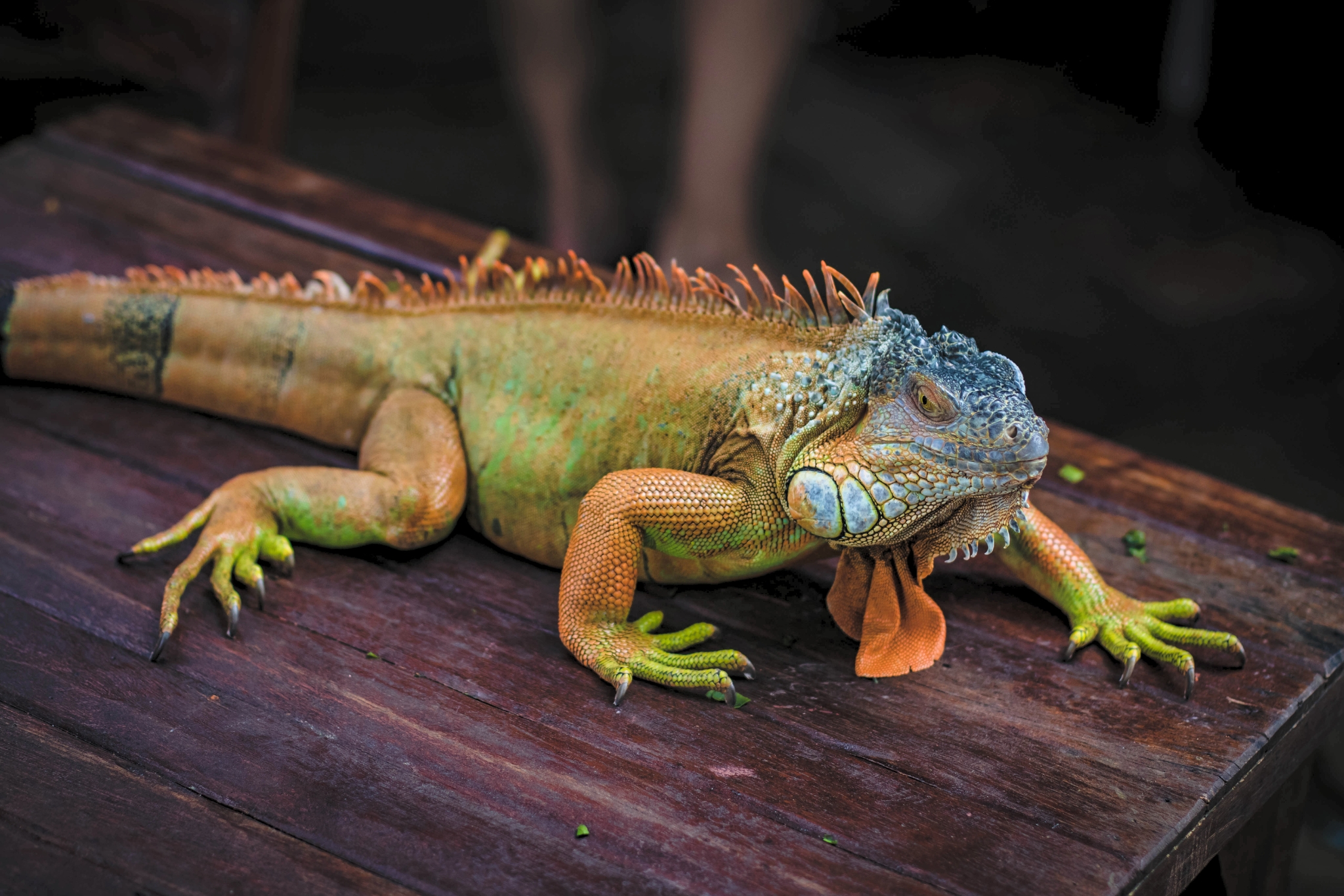
Most health problems in pet iguanas aren’t just bad luck… they’re actually usually caused by improper care.
Iguanas are hardy reptiles that can live 15 to 20 years when properly cared for—but they need the right lighting, temperature, and diet to stay healthy—and when those needs aren’t met, iguanas can develop serious health problems.
But the good news is that keeping your iguana healthy doesn’t have to be complicated. When you understand their basic needs and recognize early signs of illness, you can prevent most health problems before they become serious.
Why Iguanas Hide Illness (and Why That Matters)
In the wild, iguanas hide signs of illness because showing weakness can make them an easy target for predators. That’s why, by the time your pet iguana starts looking noticeably sick, the problem may have been developing for weeks or even months.
Prevention and early detection are key with reptiles. Get to know what’s normal for your iguana, from its appetite and energy level to its posture, stool, skin, and basking habits. When you know what’s normal, you’re more likely to notice the little changes that could be early signs that something isn’t right.
The Foundation Husbandry That Prevents Most Problems
Before we get into specific health problems, let’s talk about your iguana’s setup—because the truth is many common health issues can be traced back to problems with lighting, temperature, humidity, space, or diet.
UVB Lighting
UVB lighting is a must for iguanas! It helps them produce vitamin D3, which their bodies need to absorb calcium and keep their bones strong. Keep in mind that sunlight shining through glass or plastic won’t do the trick, since these materials block most UVB rays.
A good option is a quality linear UVB tube, such as a T5 High Output or T8 bulb designed for iguanas. Make sure it’s positioned at the recommended distance and keep it on for about 10 to 12 hours a day.
To make sure your iguana is getting the UVB it needs, replace the bulb every 6 to 12 months, or follow the manufacturer’s recommendations.
Temperature
Iguanas rely on their surroundings to regulate their body temperature, so getting the temperatures right throughout their enclosure is absolutely essential.
Use a digital thermometer or temperature gun to check the enclosure temperatures accurately instead of guessing.
Your iguana also needs a warm basking spot and a cooler area to retreat to whenever it needs to cool down.
At night, aim for around 75°F to 80°F without letting temperatures drop much lower.
Humidity
Aim for humidity levels of around 60% to 80%. If the enclosure is too dry, your iguana may have trouble shedding, and prolonged dehydration can contribute to health problems (including kidney issues).
On the other hand, an enclosure that stays constantly wet can encourage skin problems and respiratory infections. The goal is to maintain good humidity while allowing surfaces and the enclosure to dry appropriately.
Space
Iguanas can grow to an impressive 5 to 6 feet long, so that tiny tank you see in the pet store won’t cut it for long. A cramped enclosure can contribute to stress, limited movement, injuries, and weight problems.
It’s best to plan for your iguana’s adult size from the beginning. A large custom built enclosure or even a dedicated room may be the best option for providing enough space to climb, move around, and behave naturally.
Diet
This is another big one! Iguanas are strict herbivores, meaning they need a plant based diet.
Feeding them the wrong foods or an unbalanced diet can lead to serious health problems. We’ll cover what they should eat, what to avoid, and how to build a healthy diet in more detail below.
Common Pet Iguana Health Issues
Iguanas can develop a variety of health problems, but many can be prevented with proper care and the right environment. Knowing what to look for can help you catch early warning signs and get your iguana the care it needs before things get worse.
Let’s take a look at 10 common iguana health issues, the signs to watch for, and how you can help prevent them:
1. Metabolic Bone Disease (MBD)
Metabolic Bone Disease (or MBD) is one of the most common and serious health problems in pet iguanas. It usually develops when an iguana isn’t getting enough calcium that its body can actually use. This can happen because of poor UVB lighting, an unbalanced diet, or temperatures that are too low for proper digestion.
When calcium levels drop, the body starts taking calcium from the bones to make up for it. Over time, the bones become weak, soft, and more likely to bend or break.
Signs to watch for:
- A soft or rubbery jaw
- Swollen or bumpy limbs or spine
- Tremors, twitching, or shaking
- Low energy or a weak grip
- Difficulty walking or lifting their body off the ground
- Broken bones after minor movements
- Constipation
How to prevent it:
Make sure your iguana has:
- Proper UVB lighting
- The right basking temperature
- And a calcium rich balanced diet
Ask your reptile vet whether a calcium supplement is needed and how often to use it. But be careful not to overdo vitamin D3, since too much can also cause serious health problems.
Early MBD can usually improve with proper care and veterinary treatment.
However, advanced cases may leave permanent deformities.
2. Respiratory Infections
Iguanas can develop respiratory infections when their enclosure is too cold, poorly ventilated, or consistently damp. Temperatures that are too low can also interfere with normal immune function, making it harder for your iguana to fight off infection.
Signs to watch for:
- Wheezing, clicking, or difficult breathing
- Bubbles or discharge around the nose or mouth
- Open mouth breathing when the iguana isn’t regulating its temperature
- Low energy or loss of appetite
How to prevent it:
- Maintain the right temperatures throughout the enclosure
- Provide good ventilation
- And avoid keeping the bedding and surfaces constantly wet
Respiratory infections often require prescription medication and veterinary care, so don’t wait for symptoms to disappear on their own. If your iguana is struggling to breathe, you should seek emergency veterinary care.
3. Kidney Disease and Gout
Kidney problems can develop in iguanas over time, especially when they experience chronic dehydration, an unsuitable diet, or excessive vitamin D3 supplementation.
When the kidneys can’t properly remove waste products, uric acid can build up in the body. This may lead to gout, a painful condition in which uric acid crystals collect in the joints or organs.
Signs to watch for:
- Swollen or painful joints
- Reduced appetite and unexplained weight loss
- Low energy
- Changes in the white urates in their droppings
- Changes in drinking habits
How to prevent it:
- Feed your iguana a balanced plant based diet
- Avoid feeding animal based foods such as insects, cat food, or dog food
- Always provide fresh drinking water
- Maintain suitable humidity
- And offer opportunities to soak when appropriate
4. Parasites
Parasites are another health concern, especially in wild caught iguanas. Common examples include pinworms, coccidia, and other intestinal protozoa.
Some iguanas carry parasites without showing obvious symptoms, but heavy infestations or additional stress can lead to illness.
Signs to watch for:
- Weight loss despite eating
- Loose or unusually foul smelling stool
- Reduced appetite
- Visible worms in the stool
How to prevent it:
When you first bring an iguana home, arrange a checkup with a reptile vet and ask about a fecal test. Follow your vet’s recommendations for repeat testing, including at least annual screening when appropriate.
You should also remove waste promptly and clean the enclosure regularly.
If parasites are found, your vet can recommend the right treatment. Avoid giving deworming medication without veterinary guidance, since the correct treatment depends on the parasite involved.
5. Salmonella (A Risk to You Too)
Salmonella is a little different from the other conditions on this list because it’s primarily a concern for people rather than an illness that makes iguanas visibly sick.
Reptiles can carry Salmonella bacteria in their digestive tracts and shed them in their droppings without appearing unwell. That means even a healthy looking iguana can spread the bacteria to people.
Young children, older adults, pregnant people, and anyone with a weakened immune system should take extra precautions.
How to protect yourself and your family:
- Wash your hands thoroughly with soap and water after handling your iguana or anything in its enclosure.
- Never clean enclosure items in the kitchen sink or bathe your iguana in a bathtub used by people.
- Keep your iguana and its equipment away from food preparation areas.
- Supervise children around reptiles and make sure they wash their hands afterward.
6. Infectious Stomatitis (Mouth Rot)
Mouth rot is a bacterial infection that affects the mouth and can develop following an injury, poor nutrition, or unsuitable living conditions.
Signs to watch for:
- Redness or swelling inside the mouth
- Yellowish cheesy looking material around the gums or mouth
- Drooling or excess saliva
- Reluctance to eat
- An unusual or unpleasant smell from the mouth
How to prevent it:
- Keep your iguana’s enclosure and diet in good condition
- Remove sharp or abrasive objects that could injure its mouth
- If your iguana repeatedly rubs its nose against glass or wire, look for possible causes such as stress, inadequate space, or reflections.
Mouth rot needs veterinary treatment. If left untreated, the infection can spread into deeper tissues, including the jawbone, so have any suspicious mouth changes checked promptly.
7. Skin Problems, Burns, and Shedding Issues
Shedding is a normal part of an iguana’s life. Healthy iguanas typically shed in patches, but problems can develop when the enclosure conditions aren’t right or the skin becomes injured.
Here are a few common issues to watch for:
- Retained shed: Skin that sticks to the toes, tail tip, or around the eyes can become tight and restrict circulation if it builds up.
- Burns: Heat lamps, exposed bulbs, and hot rocks can cause serious burns. Iguanas may not move away from a heat source quickly enough to avoid injury.
- Nose abrasions: Repeatedly rubbing the nose against the enclosure can cause sores, often because of stress, reflections, or insufficient space.
- Blisters and scale rot: Persistently wet or dirty conditions can damage the skin and lead to infection.
How to prevent it:
- Maintain appropriate humidity
- Provide safe opportunities for soaking when needed
- Make sure your iguana can’t touch heating elements
- Avoid hot rocks
- And always protect heat lamps with suitable guards
This can tear the skin or cause injury.
If shedding problems persist, or the skin looks swollen, discolored, or infected, consult your reptile vet.
8. Egg Binding (Dystocia)
Female iguanas can develop eggs even if they’ve never mated with a male. If a female can’t lay her eggs, she may develop egg binding (also called dystocia).
Signs to watch for:
- Restlessness, digging, or repeated pacing
- Loss of appetite
- Straining without producing eggs
- Abdominal swelling or unusual lethargy
How to prevent it:
- Provide a suitable nesting area with deep, moist, diggable substrate when your female is approaching reproductive maturity
- Good nutrition, appropriate calcium levels, and proper temperatures are also important
If your iguana is straining without laying eggs, seems weak, or shows other worrying signs, contact a reptile vet rightaway. Egg binding can quickly become life threatening, so don’t ignore the symptoms or wait for things to improve on their own!
9. Constipation and Impaction
Constipation occurs when an iguana has difficulty passing stool. Impaction is more serious and happens when material becomes stuck in the digestive tract.
Possible causes include dehydration, inadequate temperatures, an unsuitable diet, or swallowing substrate.
How to prevent it:
- Keep the enclosure at the correct temperatures
- Provide fresh water
- Maintain suitable humidity
- Feed a balanced diet rich in appropriate leafy greens
- And choose a safe enclosure floor such as tile or paper, or another substrate recommended by your reptile vet
Keep in mind that you should avoid loose materials that your iguana may swallow (such as sand, crushed walnut shell, or wood chips).
If your iguana stops passing stool, strains repeatedly, develops a swollen abdomen, or becomes lethargic, contact your reptile vet. Don’t give laxatives or attempt to treat a suspected blockage at home without veterinary guidance.
10. Nutritional Disorders and Obesity
A poor diet can cause more than weight gain. Feeding too much fruit, relying on the wrong greens, or providing an unbalanced mix of foods can contribute to obesity, liver problems, and nutritional deficiencies.
One example is hypovitaminosis A, which occurs when the body doesn’t get enough vitamin A. Depending on the severity and underlying cause, it may contribute to eye, skin, and respiratory problems.
How to prevent it:
- Feed a varied balanced plant based diet built around appropriate leafy greens and vegetables
- Keep fruit to a limited amount
- And don’t rely on a single food to meet all your iguana’s nutritional needs
You should also avoid trying to correct deficiencies by adding large amounts of vitamins or supplements on your own, because too much of certain vitamins can be harmful. A reptile vet can help assess your iguana’s diet, body condition, and need for supplementation.
all work together to support your iguana’s long term health
What to Feed A Simple Diet Framework
A healthy iguana diet should be made up mostly of leafy greens, with a variety of vegetables and just a little fruit as an occasional treat.
Foods to limit: spinach, kale, and broccoli, along with fruit in general (these should be offered thoughtfully as part of a varied diet)
Foods to avoid: iceberg lettuce (which offers little nutritional value) as well as animal protein and processed foods
A few simple habits can make a big difference:
- Chop food into manageable pieces
- Offer a variety of fresh produce
- And wash everything thoroughly before serving
And ask your reptile vet whether your iguana needs calcium or multivitamin supplements and how often to use them.
Signs Your Iguana Needs a Vet Right Away
Don’t ignore these warning signs if you notice them in your iguana:
- Refusing to eat for more than a few days
- Open mouth breathing, wheezing, or nasal discharge
- Swollen limbs or jaw, tremors, or difficulty walking
- Straining without passing stool or laying eggs
- Severe lethargy or unresponsiveness
- Burns, wounds, or abscesses
- Sudden, unexplained weight loss
If you notice any of these symptoms, contact a reptile vet as soon as possible. Some conditions can worsen quickly, so it’s always better to be safe than sorry.
One more important tip: Find a veterinarian with reptile experience before you actually need one. Not all general vets treat exotic pets, and knowing who to call ahead of time can save valuable time when your iguana needs help.
Your Iguana Health Prevention Checklist
Keeping your iguana healthy doesn’t have to be complicated, but consistency is key. Here are the essentials to stay on top of:
- Check your UVB lighting: Replace UVB bulbs according to the manufacturer’s schedule and make sure they’re positioned at the correct distance.
- Monitor temperatures: Use reliable thermometers to check both the basking area and the rest of the enclosure.
- Maintain proper humidity: Keep humidity within the recommended range for your iguana’s species and age.
- Provide a healthy diet: Offer a varied plant based diet rich in calcium, along with fresh water every day.
- Create a safe spacious enclosure: Give your iguana plenty of room to climb and move, with suitable furnishings and safe substrate.
- Schedule annual vet visits: Arrange a yearly wellness exam with a reptile experienced veterinarian, including fecal testing when recommended.
- Practice good hygiene: Wash your hands after handling your iguana or cleaning its habitat, and keep reptile supplies away from the kitchen and food preparation areas.
- Watch for small changes: Keep an eye on appetite, behavior, activity levels, and droppings. If something seems unusual, contact your veterinarian.
Frequently Asked Questions
1. How often should a pet iguana see a vet?
Your iguana should see a veterinarian with reptile experience at least once a year for a wellness check and a fecal test. If you notice any changes in appetite, behavior, or appearance, don’t wait for the next annual visit.
2. What is the most common health problem in pet iguanas?
One of the most common concerns is metabolic bone disease (MBD), which is often linked to inadequate UVB exposure, insufficient calcium, or an imbalance in the diet. Proper lighting, nutrition, and veterinary care are essential for prevention.
3. How do I know if my iguana is sick?
Watch for changes such as loss of appetite, unusual tiredness, abnormal droppings, labored breathing, swelling, or changes in posture and skin appearance. Iguanas can hide signs of illness, so even subtle changes are worth taking seriously. Contact a reptile veterinarian if you notice anything unusual.
4. Can iguanas make me sick?
Yes—iguanas can carry Salmonella bacteria (even when they look perfectly healthy). Always wash your hands thoroughly after handling your iguana or cleaning its enclosure, and keep reptile equipment away from areas where food is prepared.
5. Do iguanas need UVB lighting if they get sunlight through a window?
Yes—glass and most window materials block most of the UVB radiation iguanas need to produce vitamin D3 and absorb calcium properly. Sunlight through a window is not a substitute for appropriate UVB lighting. Your iguana needs a suitable UVB source or access to safe unfiltered natural sunlight, with proper temperature and shade.
The Bottom Line
Keeping your pet iguana healthy comes down to getting the basics right every day: proper lighting, the right temperatures, good hydration, and a balanced diet.
Pair that with regular checkups from a veterinarian with reptile experience, and take the time to learn your iguana’s normal behavior (so you can spot small changes before they become bigger problems).
Most common health issues can be prevented with the right care and environment—and a little daily attention goes a long way toward helping your iguana stay healthy, comfortable, and thriving for years to come.
Our content is for general educational purposes and isn’t a substitute for professional veterinary advice. If your iguana seems ill, contact a qualified veterinarian.