Savannah Monitors as Pets What to Really Expect Before You Buy One
Savannah monitors outgrow expectations fast. Get the honest truth on adult size, temperament, lifespan, and hidden costs.
- They Don’t Stay Small
- Their Lifespan Is a Real Commitment
- Temperament Is Not Guaranteed — and It’s Work
- The Feeding Mistake That Causes the Most Problems
- The Real Cost of Owning a Savannah Monitor
- Handling an Adult Savannah Monitor
- They’re Escape Artists and Excavators
- So Who Actually Does Well With One?
- The Bottom Line
Savannah monitors often appear on beginner friendly reptile lists, and it’s easy to understand why. A baby savannah monitor is undeniably adorable—they’re small, curious, active, and usually available at reptile shows for a much lower price than many other monitor species.
For many people, that tiny lizard feels like an exciting and manageable addition to the family.
The challenge is that the baby you bring home is not the animal you’ll be caring for long term. Savannah monitors grow into large powerful reptiles with very specific needs, and their adult care requirements can surprise even experienced reptile owners.
Let’s take an honest look at what sharing your home with a savannah monitor is really like—from the space and daily care they require to the long term commitment and challenges that are easy to miss before bringing one home.
They Don’t Stay Small
A baby savannah monitor starts out surprisingly small, usually around 6 to 8 inches long, which is part of what makes them so tempting.
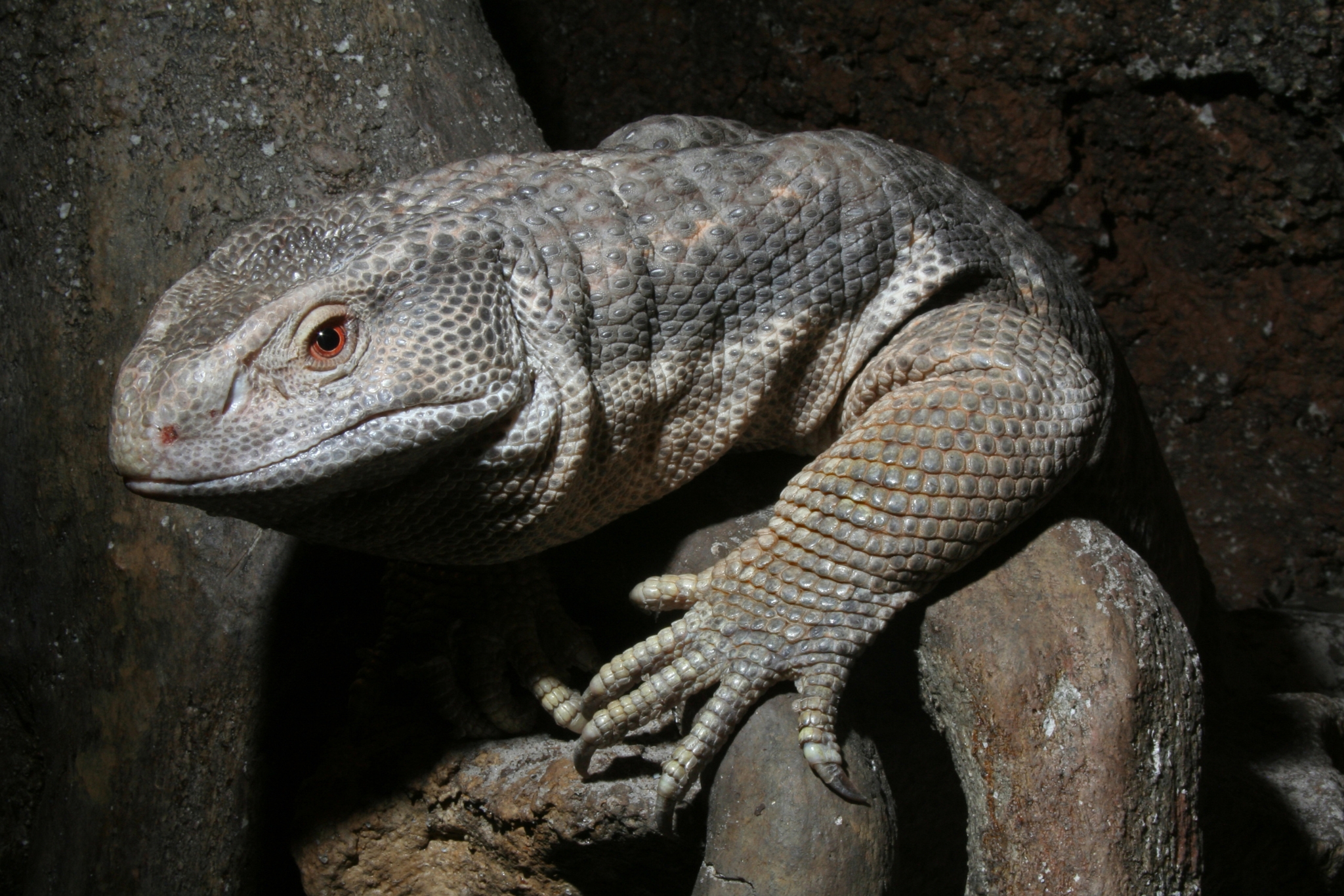
The problem is that they don’t stay that size for long. As adults they can reach 3 to 4 feet from nose to tail, with a thick powerful build that can catch many new owners off guard.
The biggest adjustment for many people is realizing that this isn’t a lizard that can spend its entire life in a standard aquarium-style enclosure.
Adult savannah monitors need a significant amount of space, and many keepers end up building custom habitats—or even dedicating an entire room to their lizard—because commercially available enclosures simply aren’t large enough to meet their needs.
Before bringing one home, it’s important to realistically consider whether you have the room, budget, and ability to provide an enclosure around 6 x 3 x 3 feet or larger.
Their Lifespan Is a Real Commitment
With proper care savannah monitors can live 10 to 15 years or more, which makes bringing one home a serious long term commitment.
They may be reptiles, but their lifespan and care requirements are closer to what many people expect from a dog than a simple low maintenance tank pet.
Before choosing a savannah monitor, it’s worth thinking about your future. Will you still have the space, budget, time, and lifestyle needed to care for a large reptile a decade from now?
Planning for the adult animal—not just the adorable baby stage—is one of the most important parts of responsible ownership.
Temperament Is Not Guaranteed and It’s Work
Savannah monitors are usually considered one of the more manageable monitor species when it comes to temperament.
With regular patient handling, many of them can become calm, curious, and even interactive pets that recognize their owners and enjoy positive interactions.
That said, “docile” doesn’t mean “friendly from day one”—a savannah monitor still has natural defensive instincts, and building trust takes time.
Wild caught and imported reptiles—which are still commonly seen in the pet trade—can be more fearful, defensive, and challenging to work with. Keep in mind that even captive bred monitors have individual personalities, and some of them may always prefer limited handling.
It’s also important to understand that behaviors like hissing, tail whipping, puffing up, and defensive lunging are normal ways a savannah monitor communicates that it feels scared or threatened.
With time, patience, and consistent handling, many of these behaviors can improve. However, they should still be taken seriously—an adult savannah monitor is a powerful reptile and a defensive bite or strike can be painful.
If you’re imagining a lizard you can pick up and casually handle like a friendly bearded dragon right from the start, it’s worth adjusting those expectations before your bring your savannah monitor home. Building a relationship with these lizards is a process, and it’s not something that happens overnight.
The Feeding Mistake That Causes the Most Problems
One of the biggest surprises for new savannah monitor owners is how easy it is to accidentally overfeed them.
In the wild, these lizards are adapted to seasonal changes—they eat heavily when food is available and go through periods where meals are much harder to find. But in captivity, where food is always easily within reach, they don’t have the same natural limits.
Overfeeding is especially common when owners rely too heavily on rodents instead of providing a varied diet that better reflects their natural feeding habits.
Excess weight and poor nutrition can contribute to serious health problems, including fatty liver disease, which is one of the leading concerns in captive savannah monitors.
For many owners, the biggest danger isn’t a rare illness or complicated medical issue—it’s simply offering too much food because they love their pet and want to keep them happy.
With savannah monitors, proper nutrition and portion control are some of the most important parts of keeping them healthy long term.
The Real Cost of Owning a Savannah Monitor
One of the biggest misconceptions about savannah monitors is that the purchase price reflects the true cost of ownership.
Baby savannah monitors are surprisingly affordable, sometimes selling for under $100, which can make them seem like an easy entry into reptile keeping.
The reality is that the expensive part comes later. The long term costs can include:
1. A Large Adult Enclosure
Most owners need to build a custom habitat or make significant modifications to their home as their monitor grows.
2. Specialized Lighting
High output UVB and basking lights need regular replacement to keep working properly.
3. Higher Electricity Bills
Maintaining a large and warm enclosure year round requires consistent heating and energy use.
4. A Proper Diet
Feeding a savannah monitor correctly involves much more than a few feeder insects or occasional rodents. A varied species appropriate diet takes planning and ongoing expense.
5. Exotic Veterinary Care
Reptile veterinarians can be harder to find and often cost more than standard pet care.
|
The initial price for a baby savannah monitor is only a small part of the commitment. The real investment is providing the space, equipment, food, and care they need throughout their entire life. |
Handling an Adult Savannah Monitor
An adult savannah monitor is a powerful animal, and their strength should be respected even when they are calm and well-socialized.
Their claws are designed for digging, their tails can be used defensively, and their size means that handling them requires more than simply picking them up and carrying them around.
Even a tame adult needs confident and careful handling from someone who understands reptile behavior. This isn’t the type of pet that should be casually passed around to children or unfamiliar visitors.
Building trust is possible, but responsible ownership means recognizing that a savannah monitor is still a large strong reptile with natural instincts.
They’re Escape Artists and Excavators
Savannah monitors are incredibly strong diggers and surprisingly good at finding weak spots in their enclosures. Loose doors, unreliable locks, and small gaps near the substrate line can quickly become escape opportunities.
A large savannah monitor getting loose in your home is more than an inconvenience—it can put the animal at risk, create damage to your house, and make recovery much more difficult.
This isn’t an area you don’t want to skimp on—a secure enclosure with sturdy locks is an essential part of responsible ownership and helps keep your lizard safe, comfortable, and protected from the dangers of escaping.
So, Who Actually Does Well With One?
Savannah monitors tend to be a better fit for owners who have:
- Enough space for a large permanent enclosure setup
- Previous reptile experience and confidence with handling larger animals
- Patience for a slow trust building process that can take months rather than days
- A stable living situation and the ability to commit for the next decade or longer
- The discipline to feed appropriately instead of overfeeding out of affection
If that doesn’t describe your current situation, it doesn’t mean you aren’t a good pet owner. It simply means a savannah monitor may not be the right match for your lifestyle at this point.
Recognizing that before bringing one home is one of the most responsible decisions you can make—for both you and the animal.
The Bottom Line
Savannah monitors aren’t bad pets—they’re simply misunderstood by many first time owners.
The biggest surprise for most owners is the gap between the tiny adorable lizard you see at a reptile show and the large demanding reptile that grows into your home over the next few years.
Going into ownership with realistic expectations about their size, cost, lifespan, space requirements, and the time that’s needed to build trust can all make a difference.
With the right preparation, a savannah monitor can be an incredible animal to share your life with for many years. Without that preparation, it’s easy to end up with a reptile that outgrows your original plans.