The Truth About Keeping Geese 10+ Truths Every New Owner Should Hear
Thinking about keeping geese? Get the real story on noise, mess, lifespan, cost, breeds, housing, and personality before you commit.
- Why People Fall in Love With Geese
- Reality Check #1: This Is a Long Term Commitment
- Reality Check #2: Geese Are Loud
- Reality Check #3: The Poop Situation
- Reality Check #4: Yes, They Can Be Aggressive
- Reality Check #5: Geese Need Friends
- Choosing the Best Goose Breed for You
- Housing and Space: What Geese Actually Need
- Water: Do Geese Need a Pond?
- What Do Geese Eat?
- Health and Veterinary Care
- Hot Climates and Cold Climates
- Eggs, Breeding, and Goslings
- How Much Do Geese Cost?
- Are Geese Right for You? Your Quick Checklist
- Frequently Asked Questions About Keeping Geese
- The Bottom Line
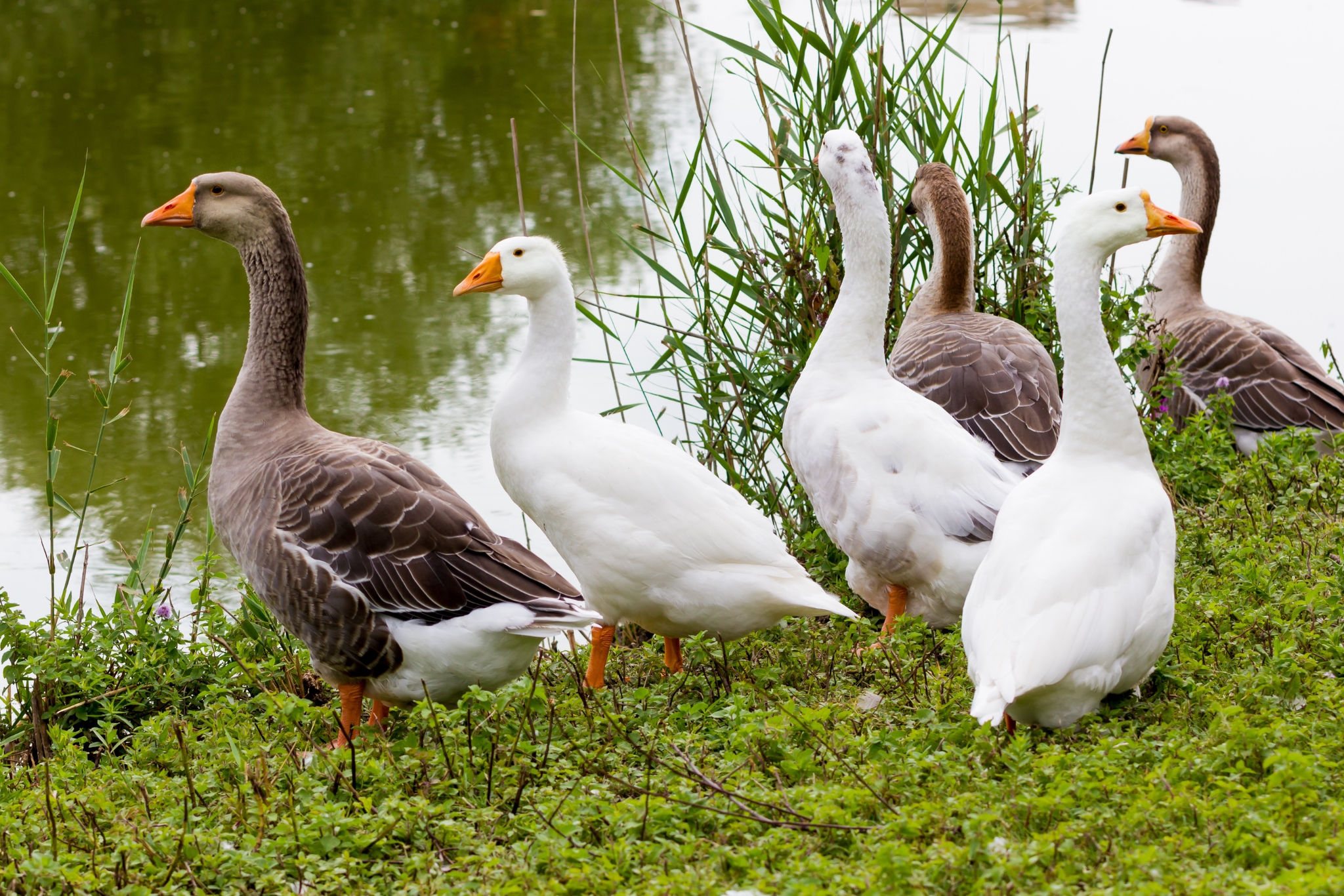
Geese have a bit of a reputation. Some people hear “goose” and immediately picture a flock of honking and hissing birds chasing someone down the driveway, while others picture a fluffy little gosling happily following its person around like a tiny feathered shadow.
The funny thing is, both images can be true. Geese can be sweet, social, and surprisingly affectionate… but they can also be loud, stubborn, and a little intimidating when they decide to protect their space.
Are geese good pets?
For the right person with the right property, yes. They’re intelligent, entertaining, loyal, and surprisingly affectionate.
But they’re also loud, messy, long lived, and very good at making their opinions known.
Why People Fall in Love With Geese
Let’s start with the good news, because there’s actually a lot to love about geese.
🪿 They have big personalities.
Geese aren’t just boring backyard birds—each of them has their own quirks and personalities. They can recognize individual people, form strong bonds, and definitely have favorites.
Many owners say their geese come running when they see them (or hear their footsteps) and happily follow them around the yard. Once a goose decides you’re their person, they can be surprisingly devoted companions.
🪿 They’re great lawnmowers.
Geese love to graze. They’ll happily spend their days munching on grass and weeds around trees, gardens, and even vineyards.
Farmers have used “weeder geese” for generations because geese enjoy tender grass and many types of weeds while typically leaving larger established plants alone. Notice the word often, though. Give a goose access to your favorite hostas, and don’t be surprised if they decide to sample those too.
🪿 They make excellent watchdogs.
Geese are naturally alert and territorial. They’ll let you know when someone is coming, when they hear something unusual, or when something just doesn’t look right. And they’re not shy about making their opinions known (sometimes long before you even realize there’s something to pay attention to).
🪿 They’re surprisingly hardy.
Domestic geese generally handle cold weather quite well and can be pretty tough birds. With proper shelter, clean water, and good care, they tend to handle many common poultry challenges well.
🪿 They live a long time.
This one can be either a wonderful benefit or a serious commitment, depending on how you look at it. A goose may be part of your family for many years—which brings us to the first big reality check….
Reality Check #1 This Is a Long Term Commitment
Domestic geese commonly live 10 to 20 years, and some can live even longer when they’re well cared for. That’s a pretty long time, and it’s longer than many dogs!
So before you fall in love with a bunch of adorable goslings in the spring, it’s worth thinking about the bigger picture.
Ask yourself:
- Will I still be living here 15 years from now?
- Do I have someone I trust to care for my geese when I travel?
- Am I ready to care for them as they get older?
Geese aren’t really a “let’s try it for a season” kind of animal. They’re a long term commitment, and finding a new home for adult geese can be surprisingly difficult.
Keep in mind that many rescues and sanctuaries already have more animals than they can take, and geese that have bonded with each other may not adjust easily to a new home.
Those cute little goslings grow up quickly, so it’s worth making sure you’re ready for the adult geese they’ll become too.
Reality Check #2 Geese Are Loud
Let’s be honest… geese are vocal.
They honk at sunrise, at sunset, when strangers show up, when they spot a squirrel, when a delivery truck pulls in, and sometimes for reasons you’ll never figure out.
Some breeds are definitely louder than others. Chinese and African geese tend to be among the chattiest, while heavier breeds like Embdens and Toulouse are usually a little more moderate. With that said, even the quieter breeds aren’t exactly silent.
Before you bring home your first geese, it’s worth thinking about the people around you too.
- Talk to your neighbors. Seriously. They may not be as excited about your new feathered alarm system as you are.
- Check your local zoning rules and ordinances. Some suburban areas restrict or even prohibit poultry and waterfowl, and the rules for geese may be different from those for chickens.
- Think about how close your neighbors are. Living on a rural property with plenty of space is very different from keeping geese on a small suburban lot where every honk carries.
Dont skip this step! A little planning ahead of time can save you (and your neighbors) a lot of headaches later on.
Reality Check #3 The Poop Situation
If there’s one thing experienced goose owners love to warn newcomers about, it’s that geese poop… like a lot.
You may be surprised by just how much these birds go—estimates commonly put it at around a pound or more per goose each day, and it’s usually wet, green, and somehow always right where you were planning to walk.
And the mess doesn’t stop there. Geese are incredibly good at turning clean water into mud and muck. That beautiful pond, neat patio, or tidy area around their enclosure probably won’t stay that way for long.
But it doesn’t have to be all muck and mess, the good news is that a little planning can make the mess much easier to manage.
- Give them a dedicated outdoor area that’s easy to clean.
- Rotate pasture areas when possible so the grass has time to recover.
- Use plenty of bedding in their shelter and clean it regularly.
- Keep their water setup away from areas you want to keep clean (this can make a surprisingly big difference).
- Keep a pair of “goose yard” shoes (trust us… you’ll be glad you did).
Reality Check #4 Yes, They Can Be Aggressive
This is probably the part that worries people the most, and the honest answer is that aggression really depends on the goose.
Ganders (males) can be very protective (especially during breeding season). When spring rolls around and hormones kick in, even a normally friendly gander may suddenly decide that you or anyone else nearby needs to stay out of his territory.
Geese don’t have teeth, but that doesn’t mean they can’t hurt you. They can grab and pinch with their bills, and they may also strike or beat their wings when they’re upset. A large goose can definitely leave you with a pretty impressive bruise!
A few things can make a big difference in how a goose behaves:
- Breed: Some breeds and bloodlines tend to be calmer than others. Many owners find Pilgrims, Embdens, and Toulouse easier to handle, while African and Chinese geese can be more assertive.
- Handling and socialization: Geese that grow up with calm, positive, and consistent human interaction are often easier to manage as adults.
- Sex and season: Spring and breeding season are when territorial behavior tends to be at its worst.
- How you behave: Respect goes both ways. Chasing, cornering, or rough handling can make an already nervous or defensive goose much more likely to react.
A few practical tips
If a gander is clearly upset, don’t turn your back and run. Give him space and calmly move away. Small children should never interact with geese without close adult supervision.
Some experienced goose owners also keep a lightweight rake, board, or similar object nearby as a barrier or shield when dealing with a particularly protective gander. The goal isn’t to hurt the bird—it’s simply to keep some distance between you and an upset goose.
Most geese aren’t looking for a fight every day. But they are strong, territorial birds, and understanding their body language and giving them appropriate space goes a long way toward keeping everyone happy.
Reality Check #5 Geese Need Friends
Geese are social birds, and they usually do much better when they have other geese around. A single goose can become lonely, stressed, and believe it or not even noisier than keeping more than one.
If you’re thinking about getting geese, plan on keeping at least two, and ideally choose a pair or small group with compatible temperaments.
Another thing to keep in mind is that a single goose without other geese may become extremely attached to a person. At first, that might sound adorable. Having your goose follow you around the yard can be pretty sweet.
But sometimes that bond can go a little too far. A lonely goose may become overly attached to its favorite person and start seeing other family members as competition.
What starts out as a sweet little shadow following you around can turn into a goose that decides nobody else is allowed near you.
Choosing the Best Goose Breed for You
Different goose breeds can have very different personalities, sizes, and care needs, so the best breed for you really depends on what you’re looking for.
Here’s a quick look at some popular domestic breeds:
– Embden
Large, white, and a popular all around choice for backyard flocks. They’re usually calm for their size and heavy enough that they typically can’t fly.
– Toulouse
Big, gray, and known for having a more laid back personality. Exhibition Toulouse can get especially large and tend to be slow moving and easygoing.
– Pilgrim
A medium sized breed with a reputation for being friendly and calm. They’re also autosexing, meaning males and females hatch in different colors, so you can usually tell the sex early on (that can be a big advantage if you’re planning your flock).
– Sebastopol
You’ll recognize these right away thanks to their beautiful, curly, ruffled feathers. They’re eye catching and often sweet natured, but their feathering makes them a little more delicate and better suited to a clean dry environment.
– African
Large impressive geese with a distinctive knob on their bills. They can be quite vocal and confident, and some have a definite “boss of the yard” personality.
– Chinese
Smaller, more elegant than many other breeds, and excellent egg layers. They’re also known for being very loud and alert, which can make them fantastic watchdogs (but maybe not the best choice if you have noise sensitive neighbors).
– Roman Tufted
A smaller compact breed with an adorable head tuft. They’re generally friendly and can be a nice option if you want a smaller goose.
If you’re new to geese, Embdens, Pilgrims, and Toulouse are often good breeds to consider. From there, think about how much space you have, how much noise you’re comfortable with, and what kind of personality you want in your flock.
There’s no single “best” goose breed—the right one is the breed that fits your backyard and your lifestyle.
Housing and Space What Geese Actually Need
Geese are pretty hardy birds, but that doesn’t mean they’re low maintenance. They still need a safe place to sleep, plenty of room to roam, and good protection from predators.
- Shelter: Geese need a secure predator proof place to sleep, especially at night and during severe weather. It doesn’t need to be fancy, but it should be sturdy, well ventilated, dry, and easy to lock up. For larger breeds, a good rule of thumb is to allow around 10 square feet of indoor space per bird.
- Outdoor space: Geese love to graze and wander, so the more room you can give them the better. A few geese can do well on a healthy lawn or pasture, but a small yard with too many birds can turn into mud and bare dirt surprisingly quickly.
- Fencing: Good fencing helps keep your geese where they belong while keeping unwanted visitors out. Regular poultry fencing can work, but make sure it’s also secure along the bottom. Foxes, coyotes, raccoons, dogs, hawks, and owls can all pose a threat (especially when you have young goslings).
- Predator protection is a must: This is one area where you really don’t want to cut corners. Nighttime predators are responsible for countless goose losses, so make it part of your routine to lock your geese safely inside their shelter every evening.
Water Do Geese Need a Pond?
Geese love water, but you don’t need a natural pond to keep them happy. What they really need is access to clean water for drinking, bathing, and keeping their feathers in good shape.
- Fresh drinking water: Their water should be deep enough for them to dunk their entire bill and clear their nostrils (a shallow dish isn’t always enough).
- Water for bathing: Geese love to splash, dunk, and preen, so giving them somewhere to bathe is important. For a small flock, a kiddie pool or large tub can work surprisingly well.
Geese are very good at making clean water dirty, so you’ll probably be changing and cleaning their water more often than you expect.
During hot weather, you’ll want to provide them with plenty of shade and make sure they always have access to cool clean water. In freezing weather, check their water regularly and make sure it hasn’t iced over.
And if you’re lucky enough to have a pond, remember that your geese will quickly make themselves at home in it. They’ll stir up mud, add plenty of droppings, and can noticeably change the pond’s water quality and ecosystem.
What Do Geese Eat?
Geese may eat less than you’d expect when they have plenty of good grass to graze on. But when there isn’t enough forage, they can go through feed surprisingly quickly!
The basics
- Fresh grass and forage should be the foundation of their diet whenever good pasture is available. Geese are natural grazers and can spend a good part of the day happily searching for greens.
- Waterfowl or goose feed helps fill in the gaps, especially during winter or when pasture isn’t providing enough food. Whenever possible, choose a feed made specifically for waterfowl.
- Grit helps geese grind and digest their food, so make sure they have access to an appropriate source.
- Clean water should always be available (especially while they’re eating). Geese often dunk their bills and use water to help wash their food down.
- Goslings have different nutritional needs. Young geese need a quality starter feed formulated for waterfowl. They also need more niacin than chickens, so talk with your feed supplier or a veterinarian familiar with poultry about appropriate supplementation.
What should you avoid feeding?
It can be tempting to share snacks with your geese, especially when they come running the moment they see you, but bread and junk food aren’t good choices. They can fill a goose’s stomach without providing the nutrition it actually needs (and it can contribute to health problems).
It’s also best to avoid moldy feed, avocado, chocolate, very salty foods, and heavily processed foods.
A healthy goose diet doesn’t have to be complicated.
Feed them:
- – Plenty of good forage
- – Appropriate waterfowl feed when needed
- – Clean water
- – The right nutrition for their age
…and you’ll be off to a good start.
Health and Veterinary Care
Geese are generally healthy, but that doesn’t mean they’re immune to all health problems. Like any animal, they can run into issues, especially if their living conditions aren’t ideal.
Some common concerns include:
- Parasites, both internal and external
- Foot problems (including bumblefoot )which can develop from rough, hard, or dirty surfaces
- Angel wing in growing goslings
- Heat stress, especially in hot weather
- Respiratory problems if their shelter is damp, dirty, or poorly ventilated
One of the smartest things you can do is find a vet before you actually need one. Not every general veterinarian treats waterfowl, so look for a poultry or avian vet in your area and ask ahead of time whether they see geese.
What about avian influenza?
Avian influenza, particularly highly pathogenic avian influenza (HPAI), is another concern for anyone keeping domestic waterfowl. Outbreaks can affect both wild and domestic birds, so it’s worth staying informed about what’s happening in your area.
During active outbreaks, avoid unnecessary contact between your geese and wild waterfowl, keep their living areas clean, and follow guidance from your local agricultural or wildlife authorities.
If you find yourself in this situation, you don’t need to panic. Good hygiene, clean housing, healthy nutrition, and keeping an eye on your geese’s behavior can go a long way toward keeping your flock healthy.
Hot Climates and Cold Climates
Geese can usually handle cold weather better than extreme heat. If you live somewhere with hot summers, keeping your geese cool should be a top priority.
In hot weather
Make sure your geese have:
- Deep shade throughout the day. They should always have somewhere cool to escape the sun.
- Plenty of cool fresh water, along with access to a pool or other place to bathe.
- Good airflow in their shelter. A stuffy enclosed shelter can get dangerously hot.
- A quieter midday routine. Try to limit strenuous activity during the hottest part of the day and keep an eye out for signs of heat stress, such as panting or drooping wings.
In cold weather
Cold usually isn’t as much of a problem for geese. Their thick down feathers provide excellent insulation, and healthy geese can handle surprisingly cold temperatures.
But they still need a dry draft-free shelter where they can get out of the wind and stay protected from bad weather. You’ll also need to make sure they always have access to water that hasn’t frozen over.
For geese, cold and dry is much easier to handle than cold, wet, and windy. Focus on keeping them dry, protected, and comfortable, and they can usually handle winter weather quite well.
Eggs, Breeding, and Goslings
If you’re hoping for a steady supply of eggs, geese probably aren’t the best choice.
Geese are seasonal layers, usually laying from late winter through spring, and most breeds produce far fewer eggs than chickens. Many only lay a few dozen eggs a year, although some breeds 9such as Chinese geese) can be more prolific.
With that said, goose eggs are big, rich, and delicious… just don’t expect to collect them every morning like you might with a flock of chickens.
If you’re thinking about hatching goslings, there are a few things to keep in mind:
- Breeding season can bring out their protective side. Ganders may become more territorial and aggressive as hormones kick in.
- Goslings are adorable—but they’re also a lot of work. They need warmth, proper food, clean water, and plenty of attention while they’re growing.
- Goslings imprint strongly. A single gosling (or a small group raised) without adult geese may become very attached to you. That can be incredibly sweet, but it can also lead to a goose that follows you everywhere and thinks you’re part of the flock.
If you’re raising goslings yourself, remember that those tiny fluffy babies won’t stay tiny for long.
Before you hatch them, make sure you’re prepared for the adult geese they’ll eventually become.
How Much Do Geese Cost?
The cost of keeping geese can vary quite a bit depending on where you live, the breed you choose, and how much you already have set up—but the important thing is to look beyond the price of the goslings themselves.
Here’s where your money will usually go:
- The geese themselves: Goslings from hatcheries or breeders are usually reasonably priced, but rare breeds, show quality birds, or proven breeding stock can cost considerably more.
- Getting set up: Fencing, a secure shelter, feeders, water containers, and other supplies can easily cost more than the birds themselves.
- Ongoing expenses: You’ll need to budget for feed, bedding, grit, routine supplies, and veterinary care.
- The unexpected stuff: Predator proofing may need upgrades, and geese can do a number on lawns, gardens, and landscaping. Then there’s the cleanup!
The best way to think about the cost is as a long term commitment, not a one time purchase. You could be caring for your geese for 15 years or more, so make sure the ongoing costs fit comfortably into your budget before bringing them home.
Are Geese Right for You? Your Quick Checklist
So, are geese actually a good fit for your lifestyle? It really comes down to what you’re looking for in a pet.
Geese could be a great fit if you:
- Have plenty of outdoor space and neighbors who don’t mind a little honking—or live far enough away that they won’t hear it.
- Are legally allowed to keep geese where you live.
- Enjoy animals with big personalities and plenty of opinions.
- Are ready for a commitment that could last 10 to 20 years or more.
- Have someone reliable who can care for your geese when you’re away.
- Don’t mind mud, noise, droppings, and daily chores.
Geese probably aren’t the right choice if you:
- Live on a small suburban lot with neighbors right next door.
- Want a quiet, easy, low maintenance pet.
- Have young children who would be around the geese without adult supervision.
- Aren’t sure how long you’ll be living where you are.
- Really value a spotless yard.
Geese can be incredibly rewarding, but they’re definitely not for everyone. The best owners are the ones who go in knowing what they’re signing up for (and are still excited about it).
Frequently Asked Questions About Keeping Geese
1. Are geese good pets for beginners?
They can be! Some breeds (like Embdens and Pilgrims) tend to be calmer and can be a good choice for first time goose owners. Just keep in mind that geese can be noisy, messy, and a pretty big commitment. They’re not exactly low maintenance pets!
2. How long do geese live?
Geese can be surprisingly long lived. Most pet geese live around 10 to 20 years, and some can live even longer when they’re well cared for, so bringing home a goose is definitely a long term commitment.
3. Do geese bite?
They can, especially during breeding season. Ganders can become protective and territorial, and some geese are simply more assertive than others. Gentle handling from a young age and choosing a calmer breed can help, but it’s still important to respect their boundaries.
4. Can geese live without a pond?
Absolutely! You don’t need a pond to keep geese happy, but they do need plenty of clean water for drinking and bathing. A kiddie pool, stock tank, or large tub can work just fine. Just be prepared to clean it regularly… geese have a talent for turning clean water dirty very quickly!
5. Do geese need a friend?
Yes—geese are very social birds and don’t do well living alone. It’s best to keep at least two geese so they have a companion of their own kind.
6. Can you keep geese with chickens or ducks?
Most of the time, yes. Geese can live alongside chickens and ducks, but it really depends on the individual birds. Some geese are easygoing, while others may bully smaller birds. You’ll also need to make sure everyone has enough space and gets the right food, since chickens and waterfowl have different nutritional needs.
7. Can geese fly?
Some of them can (especially lighter breeds). Heavier breeds like Embdens and Toulouse are generally poor flyers and may not be able to get very far off the ground. If you don’t want flying to be an issue, choosing a heavier breed and providing a secure enclosure can make things easier.
8. Are geese noisy?
Yes—geese definitely have something to say! How noisy they are depends on the breed and the individual bird. Chinese and African geese are especially known for being loud, so keep that in mind if you have nearby neighbors.
9. Are geese legal to keep at home?
That depends on where you live. Some cities and neighborhoods have rules about keeping poultry or livestock, even on larger properties. It’s always a good idea to check your local zoning laws and ordinances before bringing home a goose.
The Bottom Line
Keeping geese can be incredibly rewarding, surprisingly funny, and, at times a little frustrating. They’re smart, social, devoted, and full of personality—but they’re also loud, messy, and a long term commitment for many years.
The people who enjoy life with geese the most are usually the ones who know what they’re getting into. They have enough space, realistic expectations, and a setup that works well for both the geese and the people caring for them.
If you have the room, the patience, and a good sense of humor, a few geese might just become the best (and definitely the loudest) part of your homestead.