The Secret Mental Lives of Animals Cognition Research in Zoos
How do animals think? Explore groundbreaking research in animal cognition — from tool using apes to problem solving corvids and self aware elephants — and discover what it reveals about the minds of wildlife.
- Wildlife and Zoo Animal Cognition Research
- What Is Animal Cognition?
- Why Study Cognition in Wildlife and Zoo Animals?
- Leading Examples of Wildlife Cognition Research
- Research Methods in Animal Cognition
- Ethical Considerations in Animal Cognition Research
- The Role of Modern Zoos in Cognition Research
- Recent Breakthroughs in Animal Cognition Research
- Future Directions in Wildlife Cognition Research
- Practical Applications of Cognition Research
- Respecting Intelligence Across Species
Animal cognition research has revolutionized our understanding of intelligence, consciousness, and problem solving abilities across species. This scientific field explores how animals think, learn, remember, and make decisions, challenging long held assumptions about what separates human intelligence from animal minds.
Wildlife and Zoo Animal Cognition Research
Modern cognition research with wildlife and zoo animals combines behavioral observation, experimental psychology, and neuroscience to reveal the remarkable mental capabilities of species ranging from great apes to octopuses.
These studies not only satisfy scientific curiosity but also inform conservation strategies, improve animal welfare, and deepen our appreciation for the natural world.
What Is Animal Cognition?
Animal cognition encompasses the mental processes animals use to acquire, process, store, and act on information from their environment. This includes:
- Memory and learning: How animals remember locations, individuals, and past experiences
- Problem solving: The ability to overcome obstacles and achieve goals
- Social cognition: Understanding relationships, hierarchies, and cooperation
- Communication: Processing and transmitting information between individuals
- Spatial awareness: Navigation, mental mapping, and understanding physical space
- Tool use: Creating and manipulating objects to achieve objectives
- Numerical abilities: Basic counting and quantity discrimination
- Self-awareness: Recognition of oneself as distinct from others
Why Study Cognition in Wildlife and Zoo Animals?
Scientific Understanding
Cognitive research provides insight into the evolution of intelligence by revealing how various environmental pressures shape mental abilities over time. By comparing cognition across species, scientists can identify which traits are widespread and which are unique adaptations to specific ecological challenges.
Conservation Applications
Understanding animal cognition plays a crucial role in shaping effective conservation strategies. Species with advanced cognitive abilities often require specialized environmental enrichment, face greater challenges when habitats are disrupted, and benefit from customized approaches in reintroduction efforts.
Research on animal cognition also guides key decisions in habitat preservation, captive breeding program design, and managing human-wildlife conflicts – ensuring that conservation efforts align with the mental and behavioral needs of the species involved.
Animal Welfare Improvements
Cognition research conducted in zoos has significantly improved the care of animals in captivity. By gaining a deeper understanding of their mental and emotional needs, zoos can design more stimulating enclosures, develop targeted enrichment programs, and better recognize signs of psychological stress.
This science-driven approach helps ensure a higher quality of life for animals living in human care.
Comparative Psychology Insights
Studying a wide range of species reveals the many diverse pathways intelligence can follow. While some animals excel in social cognition, others show remarkable abilities in spatial memory, problem solving, or tool use.
These cross-species comparisons deepen our understanding of how intelligence evolves – and challenge human-centered assumptions about what it means to be “intelligent.”
Leading Examples of Wildlife Cognition Research
Great Apes: Our Closest Cognitive Relatives
Chimpanzees, bonobos, gorillas, and orangutans demonstrate sophisticated cognitive abilities that rival human toddlers in many domains. Research has documented:
Tool use and innovation: Chimpanzees fashion tools from branches to fish for termites and use stone hammers to crack nuts. Orangutans in Sumatra use leaves as gloves to handle spiny fruits and create leaf “napkins” for cleaning.
Theory of mind: Great apes understand that others have thoughts and intentions different from their own, a fundamental aspect of social cognition once thought unique to humans.
Self-recognition: All great ape species pass the mirror self-recognition test, demonstrating self-awareness by using mirrors to inspect parts of their bodies they cannot normally see.
Numerical cognition: Studies show that apes can learn symbolic representations of numbers, perform simple arithmetic, and understand relative quantities.
Corvids: Feathered Geniuses
Ravens, crows, and jays demonstrate cognitive abilities that rival primates despite having dramatically different brain structures. Their achievements include:
Complex tool manufacture: New Caledonian crows craft sophisticated hooked tools from twigs and use multiple tools in sequence to solve problems. They can even bend wire into hooks without prior experience.
Future planning: Western scrub jays cache food strategically, remembering not just where they hid food but also what type of food and how long ago, suggesting episodic-like memory.
Social cognition: Ravens understand third-party relationships, consoling distressed individuals and form complex alliances. They can also attribute mental states to others.
Physical reasoning: Corvids demonstrate understanding of water displacement, using the “Aesop’s Fable” principle by dropping stones into water to raise the level and access floating food.
Elephants: Giants with Giant Minds
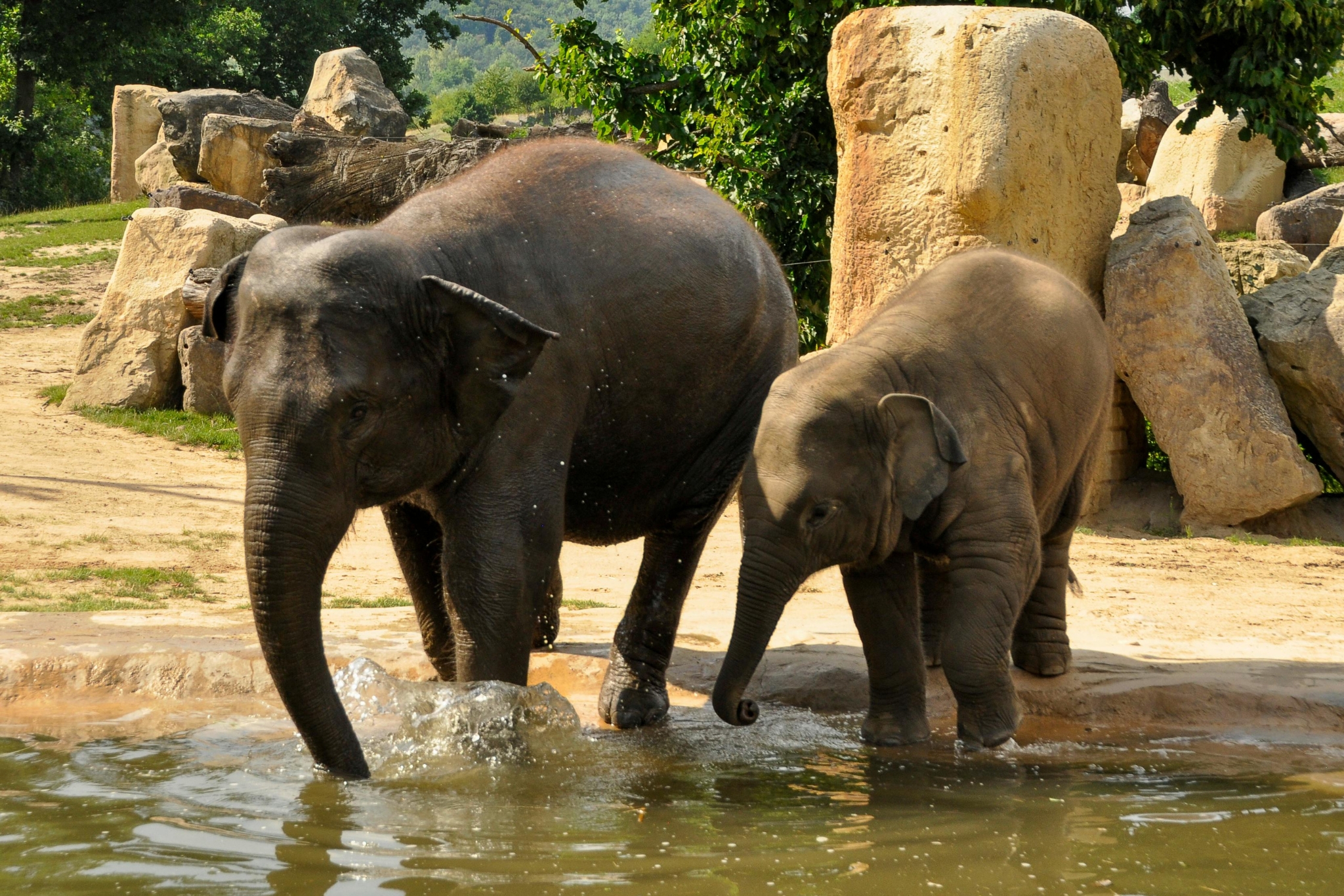
Elephants possess the largest brains of any land animal, and research reveals cognitive abilities matching this impressive neurology:
Long-term memory: Elephants remember individual humans and other elephants for decades. They can recall water source locations across vast landscapes and recognize the calls of over 100 individuals.
Cooperative problem solving: Experiments show elephants understand that cooperation is necessary for certain tasks and will wait for partners before attempting collaborative challenges.
Self-awareness: Elephants pass mirror self-recognition tests and show evidence of death awareness, spending time with deceased family members and returning to their remains.
Tool use: Wild elephants modify branches to use as flyswatters and have been observed using objects to disable electric fences or reach food.
Cetaceans: Cognitive Complexity in the Ocean
Dolphins, whales, and porpoises exhibit cognitive sophistication adapted to their marine environment:
Complex communication: Dolphins use signature whistles as names, calling specific individuals and even referring to absent dolphins in “conversations” with others.
Cultural transmission: Whale populations develop distinct dialects and behaviors passed down through generations, including unique hunting techniques and songs.
Self-recognition: Bottlenose dolphins recognize themselves in mirrors at younger ages than human children, demonstrating early developing self-awareness.
Problem solving innovation: Dolphins in Shark Bay, Australia, use marine sponges as tools to protect their rostrums while foraging on the seafloor, a behavior passed from mothers to daughters.
Other Notable Cognitive Performers
Octopuses: These invertebrates demonstrate remarkable problem solving, can open jars from the inside, recognize individual humans, and show evidence of play behavior and personality.
Parrots: African grey parrots understand concepts like same/different, zero, and can combine labels creatively. Alex, the famous African grey, demonstrated cognitive abilities comparable to a five year old child in some domains.
Dogs: Domestic dogs excel at reading human social cues, understanding pointing gestures better than wolves or even chimpanzees, and can learn hundreds of words.
Pigs: Research reveals that pigs can learn symbolic representations, use mirrors to locate food, and demonstrate sophisticated social strategies including tactical deception.
Research Methods in Animal Cognition
Observational Studies
Researchers observe animals in their natural habitats or zoo enclosures without intervention, documenting spontaneous behaviors that indicate cognitive processing. This method reveals how animals naturally use their cognitive abilities in ecologically relevant contexts.
Advantages: High ecological validity, reveals natural behavioral repertoires, can identify unexpected cognitive abilities.
Challenges: Can be difficult to control variables, hard to determine causation, requires extensive observation time.
Experimental Approaches
Controlled experiments present animals with specific challenges or choices, allowing researchers to test hypotheses about cognitive mechanisms.
Puzzle boxes: Animals must manipulate devices to access rewards, revealing problem solving strategies and learning abilities.
Choice tests: Presenting options allows researchers to understand decision making, preferences, and understanding of quantities, probabilities, or social information.
Touchscreen technology: Modern zoos increasingly use touchscreen computers where animals voluntarily participate in cognitive tests, eliminating stress from restraint or training.
Neuroimaging and Neuroscience
Advanced technologies allow the noninvasive study of animal brains during cognitive tasks:
fMRI studies: Functional magnetic resonance imaging reveals which brain regions activate during different cognitive processes, though few animals can remain still enough for scanning.
EEG measurements: Electroencephalography records brain electrical activity, providing insights into attention, perception, and sleep in various species.
Comparative neuroanatomy: Examining brain structures across species reveals the neural substrates of different cognitive abilities.
Citizen Science and Technology
Modern research increasingly involves public participation and innovative technology:
Camera traps with AI: Artificial intelligence analyzes millions of wildlife photos to identify behaviors indicating cognitive processing.
Zoo visitor participation: Some zoos invite visitors to help collect data, engaging the public while gathering large datasets.
Behavioral apps: Researchers develop applications allowing zoo visitors or wildlife observers to systematically record behaviors.
Ethical Considerations in Animal Cognition Research
Welfare First Principles
All reputable cognition research prioritizes animal welfare. Studies must be designed to minimize stress, avoid harm, and ideally provide enrichment that benefits the subjects. Many zoo-based studies use voluntary participation, where animals choose whether to engage with tests.
The Cognitive Complexity Paradox
Ironically, research revealing advanced cognition raises ethical concerns about how we treat these animals. Discovering that animals possess self-awareness, complex emotions, and rich social lives strengthens arguments for enhanced protection and welfare considerations.
Balancing Research and Conservation
Field research must not disturb natural behaviors or endanger populations. Researchers carefully weigh the value of knowledge gained against any potential impact on wild animals and their habitats.
Informed Design
Ethical cognition research requires understanding each species’ natural history, ensuring that tests are appropriate for their sensory systems, motor abilities, and ecological context. A test appropriate for a primate may be meaningless or stressful for a fish.
The Role of Modern Zoos in Cognition Research
Living Laboratories
Zoos and other professional wildlife facilities serve as important venues for cognition research, providing access to diverse species in controlled environments where animals are habituated to human presence. This allows for systematic study impossible in wild settings while contributing to improved animal care.
Voluntary Participation Models
Progressive zoos and other professional facilities use voluntary participation, where animals choose to engage with cognitive tests. This approach respects animal autonomy, reduces stress, and ensures that motivation is intrinsic rather than forced.
Enrichment Through Research
Well-designed cognitive studies serve as enrichment, providing mental stimulation and problem solving opportunities that enhance welfare. Many zoo animals eagerly anticipate and engage with cognitive tasks.
Public Education
Zoo based research creates opportunities for public education about animal intelligence, fostering appreciation and conservation support. Visitors who watch animals solving problems often develop deeper connections and conservation commitment.
Conservation Breeding Programs
Cognitive research informs conservation breeding by identifying personality traits and cognitive abilities that may affect reintroduction success. Animals with certain cognitive profiles may adapt better to release environments.
Recent Breakthroughs in Animal Cognition Research
Metacognition in Animals
Recent studies suggest that some animals possess metacognition, or thinking about thinking. Experiments show that dolphins, great apes, and some birds can assess their own knowledge, choosing to seek more information when uncertain, a capacity previously attributed only to humans.
Statistical Reasoning
Research demonstrates that several species understand statistical principles. Great apes, for instance, make inferences based on proportions rather than absolute numbers when predicting outcomes, showing sophisticated probabilistic reasoning.
Episodic-Like Memory
Evidence increasingly suggests that various species possess episodic-like memory, remembering not just what happened but where and when. This “mental time travel” appears in corvids, great apes, and even rats, challenging assumptions about uniquely human capabilities.
Cultural Transmission Beyond Primates
Researchers document cultural transmission in diverse species from whales to bumblebees. These findings reveal that culture, once considered a uniquely human or primate trait, is widespread in the animal kingdom.
Cross-Species Communication
Advances in understanding animal communication systems reveal complexity rivaling human language in some domains. Prairie dogs, for instance, have different alarm calls for different predator species, colors, sizes, and even whether a predator carries a gun.
Future Directions in Wildlife Cognition Research
AI and Machine Learning
Artificial intelligence is revolutionizing animal cognition research through automated behavior recognition, pattern analysis in large datasets, and even attempting to decode animal communication systems. These technologies promise to accelerate discoveries exponentially.
Comparative Genomics
Understanding the genetic basis of cognition through comparative genomics reveals how cognitive abilities evolve. Identifying genes associated with specific cognitive traits illuminates the biological mechanisms underlying intelligence.
Virtual Reality for Animals
Researchers are developing virtual reality systems adapted to animal sensory systems, allowing controlled testing of spatial cognition, navigation, and decision making in simulated but realistic environments.
Cross-Institutional Collaborations
Large scale studies involving multiple zoos, aquariums, and research facilities allow researchers to test cognitive abilities across many individuals, populations, and species, providing statistical power impossible in single site studies.
Conservation Technology Integration
Emerging technologies like GPS tracking, bioacoustic monitoring, and environmental DNA analysis combined with cognitive research create comprehensive understanding of how animals think, decide, and behave in wild landscapes.
Practical Applications of Cognition Research
Wildlife Management
Understanding animal cognition improves wildlife management strategies. Knowing that elephants remember negative experiences with humans for decades informs human-elephant conflict mitigation. Recognizing that corvids learn from observing others helps design more effective pest deterrents.
Captive Animal Welfare
Cognition research directly improves zoo and aquarium care through enrichment design, habitat planning, and training methods. Understanding how animals perceive and interact with environments creates more stimulating and appropriate living spaces.
Conservation Planning
Cognitive abilities affect conservation outcomes. Animals with flexible cognition may adapt better to changing environments, while specialists with specific cognitive adaptations may struggle. This knowledge shapes habitat protection priorities and species recovery plans.
Human-Wildlife Coexistence
Understanding how animals perceive and respond to human activity enables better coexistence strategies. Recognizing that some species associate human presence with food helps design interventions preventing problematic behaviors.
Respecting Intelligence Across Species
Animal cognition research has fundamentally transformed our understanding of intelligence, revealing that cognitive sophistication evolved repeatedly across the tree of life in diverse forms adapted to different ecological niches.
The great apes that use tools, the corvids that plan for tomorrow, the elephants that mourn their dead, and the octopuses that solve novel problems demonstrate that rich mental lives exist all throughout the animal kingdom.
This knowledge carries profound implications. Recognizing cognitive complexity in wildlife demands enhanced conservation efforts and improved welfare standards. It challenges us to reconsider our relationship with other species and our responsibilities as the dominant force on Earth.
Modern zoos and wildlife researchers continue expanding the frontiers of cognition science, revealing surprising abilities and deepening our appreciation for animal minds. As research methods advance and more species receive attention, our understanding of intelligence, consciousness, and cognition will continue evolving.
The study of animal cognition ultimately reflects back on humanity, illuminating both what makes us unique and what connects us to the broader community of thinking, feeling beings with whom we share this planet. By understanding how other species think, we gain not only scientific knowledge but also wisdom about our place in the natural world and our obligations to protect it.
Further Resources
For those interested in learning more about animal cognition research:
- Visit professional zoos and aquariums that conduct and share cognition research
- Explore academic journals like Animal Cognition and Animal Behaviour
- Watch documentary series featuring animal intelligence studies
- Support conservation organizations that integrate cognitive research into their work
- Consider citizen science opportunities in wildlife observation and data collection
The field of animal cognition continues to evolve rapidly, with each discovery enriching our understanding of the remarkable minds that populate our planet.
By supporting and engaging with this research, we contribute to a future where all forms of intelligence receive the respect and protection they deserve.