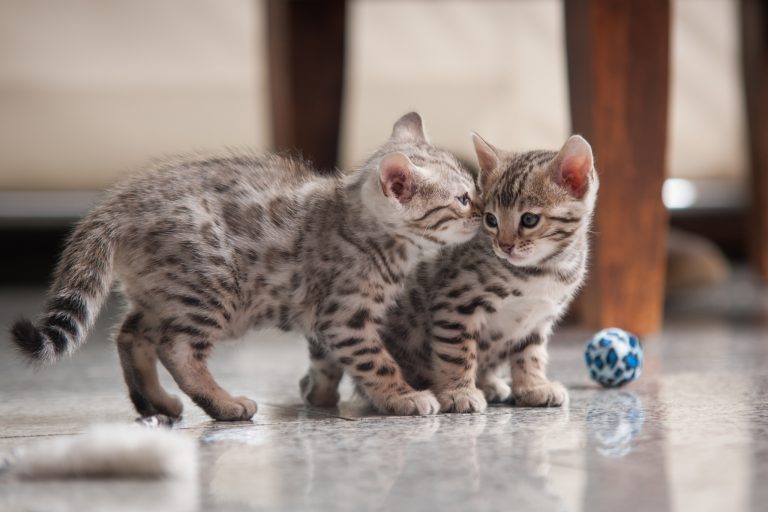
Should You Let Your Bengal Cat Go Outside? Experts Weigh the Pros and Cons on Cat Safety
Bengal cats crave adventure — but is outdoor access safe? Get the expert-backed pros, cons, and best alternatives for keeping your Bengal happy and protected.

Bengal cats are born adventurers. With their boundless energy, sharp intelligence, and natural curiosity, it’s no surprise many cat owners wonder whether their feline explorer should have access to the great outdoors… but is letting a Bengal outside actually safe?
The question sparks plenty of debate among Bengal enthusiasts—while outdoor access can provide stimulation and enrichment, it also comes with risks that every owner should carefully consider.
So, should your Bengal cat go outside? We’re breaking down the expert-backed benefits, potential dangers, and safest alternatives to help you make the best decision for your cat’s health, happiness, and long term safety.
Understanding Your Bengal Cat’s Unique Personality
Before weighing the pros and cons of outdoor access, it helps to understand why this question comes up so often among Bengal owners.
Unlike many domestic cat breeds, Bengals are known for their exceptional energy, intelligence, and athleticism—traits that are inherited in part from their ancestry as descendants of the Asian leopard cat.
Bengals are:
- Exceptionally active — They thrive on daily exercise, play, and mental challenges
- Endlessly curious — Few things escape a Bengal’s attention, and they’re eager to investigate every corner of their environment
- Natural escape artists — When under-stimulated, many Bengals will look for opportunities to roam and explore
- Remarkably athletic — With powerful bodies and impressive agility, they can leap, climb, and navigate spaces with ease
These traits often leave owners wondering whether outdoor access is the best way to satisfy their cat’s adventurous spirit. After all, Bengals crave stimulation and thrive on new experiences.
But while the outdoors may seem like the perfect outlet for their energy, it also introduces a unique set of risks. Before making a decision, it’s important to consider both the benefits and the potential drawbacks for your cat.
The Case FOR Letting Your Bengal Cat Outside
For a breed as adventurous, athletic, and intelligent as the Bengal, it’s easy to see the appeal of outdoor access. Beyond simply giving them more space to roam, the outdoors can provide forms of enrichment that are difficult to fully recreate indoors.
Here are some of the most common benefits of outdoor access for Bengals:
1. Mental Stimulation and Enrichment
One of the strongest arguments in favor of outdoor time is the incredible variety of sights, sounds, scents, and experiences it offers your cat.
Bengals are highly intelligent cats that thrive on novelty and challenge. Without enough mental stimulation, they can become bored—and a bored Bengal often finds its own entertainment, whether that’s scaling the curtains, opening cabinets, or racing through the house at full speed in the middle of the night.
The outdoors naturally engages a Bengal’s senses. From watching birds and tracking insects to exploring new smells and climbing elevated perches, outdoor environments provide constant opportunities for learning and discovery.
Animal behavior specialists note that insufficient enrichment can contribute to stress, anxiety, and unwanted behaviors in cats. For highly active breeds like Bengals, safe opportunities to explore can play an important role in their overall wellbeing.
2. Increased Physical Exercise
Bengals are built for movement. Their muscular frames, agility, and stamina make them one of the most athletic domestic cat breeds.
While interactive toys and indoor play sessions are essential, outdoor environments often encourage more varied forms of exercise including climbing, sprinting, balancing, and jumping. These natural activities help support healthy muscle tone, weight management, and overall physical fitness.
For many Bengals, the ability to move freely through a larger environment provides a level of physical engagement that’s difficult to replicate entirely indoors.
3. A Chance to Express Natural Behaviors
Like all cats, Bengals are natural predators and explorers. Outdoor access allows them to engage in instinctive behaviors such as stalking, chasing, climbing, surveying territory, and investigating new environments.
Even when they’re not actively hunting, the opportunity to observe wildlife, patrol their surroundings, and interact with the world around them can be deeply satisfying.
The Case AGAINST Letting Your Bengal Cat Outside
Of course, outdoor access isn’t all sunshine and enrichment. Before you decide to let your Bengal roam, it’s important to consider the very real risks that come with life beyond the safety of your home.
1. Outdoor Dangers Are Real and Significant
The strongest argument against free roaming outdoor access comes down to one main thing: safety.
No matter how smart, athletic, or capable your cat may be, the outside world is still full of hazards that can be impossible to predict or control. Common risks include:
- Traffic and vehicles — one of the leading causes of injury and premature death in outdoor cats
- Predators — coyotes, hawks, foxes, and even large dogs can pose serious threats, including in suburban and urban areas
- Toxic plants and chemicals — fertilizers, pesticides, antifreeze, and many common garden plants can be dangerous or even fatal if ingested
- Fights with other animals — encounters with other cats can lead to painful injuries, infections, and the transmission of diseases such as feline immunodeficiency virus (FIV)
The difference in lifespan between indoor and outdoor cats is one of the main reasons many veterinarians recommend keeping cats indoors whenever possible. While every cat’s situation is unique, outdoor living is generally associated with greater exposure to accidents, illness, and injury.
2. Bengals Are a Target for Theft
A legitimate concern that’s often overlooked is just how recognizable Bengals are.
With their striking coat patterns and exotic appearance, Bengals attract attention wherever they go. Unfortunately, that visibility can also make them vulnerable to theft. And because the breed is highly sought after and often carries a significant price tag, an unsupervised Bengal outdoors may be at greater risk than the average domestic cat.
Even in neighborhoods that feel safe and familiar, this is an important factor for owners to consider before letting their cat outside.
3. Their Adventurous Nature Can Work Against Them
Bengals are famous for their confidence, curiosity, and determination—qualities that make them wonderful companions but can create challenges outdoors.
A fascinating scent, a fleeing squirrel, or an unfamiliar sound can quickly send a Bengal exploring far beyond their usual territory. Their strong prey drive and fearless personality mean they’re often more willing to venture into unfamiliar environments, cross busy roads, or investigate potentially dangerous situations.
Unlike some cats that stay close to home, some Bengals may roam surprisingly far, increasing their chances of becoming lost, injured, or unable to find their way back home.
4. Wildlife and Environmental Concerns
There’s also a broader environmental consideration with letting your cat ho outside. Even well-fed domestic cats retain strong hunting instincts, and Bengals are no exception.
Birds, lizards, small mammals, and other wildlife can become targets for an outdoor cat, regardless of whether they’re hunting for food or simply following natural instincts.
Conservation groups and wildlife experts have long raised concerns about the impact free roaming cats can have on local ecosystems, particularly in areas with vulnerable native species.
For owners who value both animal welfare and environmental stewardship, this is another important piece of the outdoor access conversation.
The Middle Ground Safe Outdoor Options for Bengal Cats
If you’re drawn to the benefits of outdoor access but worried about the risks, there’s good news: it doesn’t have to be an all or nothing decision.
Many Bengal owners—along with the veterinarians and behaviorists who work with them—favor supervised or contained outdoor experiences that provide valuable enrichment without exposing cats to the dangers of free roaming.
These are some options that offer the stimulation your Bengal craves while helping keep them safe and protected:
Option 1: Leash and Harness Training
Believe it or not, many Bengals take remarkably well to leash training.
Thanks to their intelligence, confidence, and curiosity, Bengals are often more willing than other cat breeds to explore the world alongside their owners. With patience and consistency, many learn to enjoy regular outdoor walks, giving them the opportunity to experience new sights, sounds, and scents in a controlled environment.
Don’t rush the process. Begin with short indoor harness sessions and let your Bengal build confidence before their first outdoor excursion. A properly fitted, escape resistant harness is non-negotiable for safe adventures.
Option 2: Build a Catio
For many Bengal owners, a catio is the ultimate compromise.
A catio—or cat patio—is an enclosed outdoor space that allows cats to enjoy fresh air, sunshine, bird-watching, and other outdoor enrichment without the risks associated with free roaming. Designs range from compact window enclosures to elaborate multi-level structures complete with climbing shelves, tunnels, and observation platforms.
A thoughtfully designed catio can provide indoor cats hours of daily stimulation while giving owners peace of mind. For a breed that loves to climb, explore, and observe, it’s one of the most rewarding investments you can make.
Option 3: Create a Cat-Safe Garden
Some owners opt for a secure outdoor space equipped with specialized cat-proof fencing systems, such as roller bars or angled barriers that help prevent climbing and escape attempts.
While no setup is completely foolproof—especially when a determined Bengal is involved—these systems can significantly reduce the risk of wandering and allow cats to enjoy more freedom within a controlled environment.
If you’re considering this route, regular inspections and maintenance are important to make sure your enclosure remains secure.
Option 4: Supervised Outdoor Adventures
Many Bengal owners choose to accompany their cats outdoors, allowing them to explore a yard, patio, or garden while remaining under close supervision.
This approach provides plenty of enrichment while giving owners the ability to quickly intervene if a cat becomes frightened, overly adventurous, or interested in something potentially dangerous.
As an added bonus, supervised outdoor time can become a great bonding activity—one that satisfies your Bengal’s curiosity while strengthening your relationship in the process.
What Vets and Cat Behavior Experts Generally Recommend
So, where do the experts land on the indoor versus outdoor debate?
The general consensus among feline veterinarians and certified cat behaviorists is that an indoor first lifestyle, paired with enriched, supervised, or securely contained outdoor experiences, offers the best balance of safety and wellbeing—especially for intelligent, active breeds like Bengals.
Here are the key points experts consistently emphasize:
- Indoor living is the safest option. Cats that are kept primarily indoors face fewer risks from traffic, predators, disease, toxins, and other outdoor hazards.
- Enrichment is essential. Bengals aren’t a breed that can happily thrive on a quiet windowsill alone. Daily play sessions, climbing opportunities, puzzle feeders, interactive toys, and plenty of mental stimulation are critical for their physical and emotional wellbeing.
- Structured outdoor access can be highly beneficial. Options such as leash walks, catios, and secure outdoor enclosures allow Bengals to enjoy fresh air and exploration while significantly reducing many of the risks associated with free roaming.
- Preparation matters. If your Bengal spends any time outdoors, even under supervision, experts recommend ensuring they are microchipped, fully vaccinated, protected against fleas, ticks, and parasites, and wearing a properly fitted breakaway collar with up to date identification
So, Should You Let Your Bengal Cat Outside?
So, should your Bengal cat go outside?
The answer isn’t a one size fits all solution—it depends on your cat’s personality, your lifestyle, and the environment you live in.
However, when it comes to unrestricted, free roaming outdoor access, most veterinarians and feline behavior experts agree that the risks often outweigh the benefits.
What is clear is that Bengals have exceptional needs for stimulation, exercise, and enrichment. They’re a breed that thrives when given opportunities to climb, explore, problem solve, and engage with the world around them.
Whether that enrichment comes from leash walks, a thoughtfully designed catio, supervised outdoor adventures, interactive play sessions, or a combination of all of the above, the goal remains the same: creating an environment that keeps your Bengal physically active, mentally challenged, and emotionally fulfilled.
At the end of the day, the best approach is the one that balances your cat’s adventurous nature with their long term safety and wellbeing. For many Bengal owners, that means finding creative ways to embrace their cat’s wild spirit while minimizing unnecessary risks.
After all, a happy Bengal isn’t necessarily one with unlimited freedom—it’s one whose need for exploration, activity, and enrichment is thoughtfully met every day.