How to Build a Topline (and a Mindset) Before Backing Your Young Horse
Discover how to condition a young horse before you start them under saddle — from hand walking to topline building exercises that set them up for lasting soundness.
Getting a young horse ready for their first ride starts long before a saddle ever comes into the picture. The work you put in on the ground—building strength, balance, confidence, and body awareness—creates the foundation they’ll rely on throughout their entire ridden career.
Pre-saddle conditioning isn’t about pushing a young horse too soon or trying to “prepare” them by doing more and more. It’s about thoughtful, age appropriate exercises that help their body develop, improve coordination, and set them up to carry a rider comfortably when the time comes.
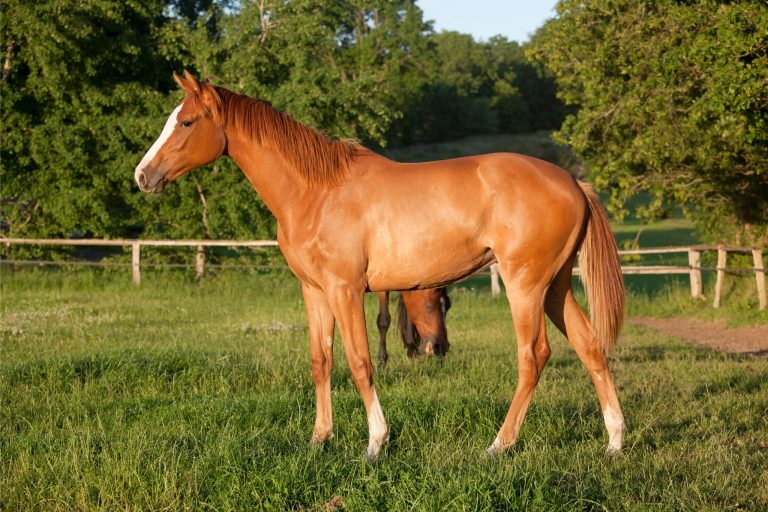
If you have a yearling, 2 year old, or even a green 4 year old and you’re wondering how to build fitness while respecting their growing body, you’re in exactly the right place.
Why Pre-Backing Conditioning Matters
A young horse’s body needs time to grow and develop before taking on the full physical demands of ridden work.
Their skeleton and growth plates continue maturing for several years, with many horses reaching full skeletal maturity somewhere around 4 to 6 years old depending on breed, size, and individual development.
That doesn’t mean a young horse should simply stand around waiting for that day to arrive—it means the work you do should be thoughtful and age appropriate.
The goal is to build strength, balance, and coordination gradually while respecting the fact that your horse’s body is still growing.
Smart, unmounted conditioning gives your young horse the chance to develop the strength, coordination, balance, and body awareness they’ll need when they’re eventually ready to carry a rider. It also helps build the muscles and supporting structures they’ll rely on, while still allowing their growing body to develop at an appropriate pace.
Think of it like training for any athletic goal—you wouldn’t ask someone to hike a mountain carrying a heavy backpack before they’ve built up their strength and stamina first. You’d create the foundation, then gradually add more challenge.
A young horse follows that same principle. By building strength, balance, coordination, and confidence gradually, you’re creating a stronger foundation for the day they’re ready to begin ridden work.
Start With Long, Slow Distance Work
Before adding anything more advanced, your young horse needs the basics: steady cardiovascular fitness and consistent, low impact movement that helps build strength in their tendons, ligaments, and supporting muscles over time.
Hand walking and ponying are two incredibly valuable tools that are often overlooked. Walking your horse out by hand—especially over different types of terrain—encourages them to think about where they place their feet, develop body awareness, and build strength in a slow, controlled way.
Ponying from a calm, experienced horse can also be a great confidence builder. It allows your young horse to cover more ground while safely being introduced to new experiences like trails, traffic, different environments, and other horses without the pressure of being ridden.
A good starting point is around 15 to 20 minutes a few times per week, gradually increasing as your horse becomes stronger and more comfortable.
The goal isn’t to rush the process—it’s to build a foundation that lasts.
Add Lunging and Long Lining (Thoughtfully)
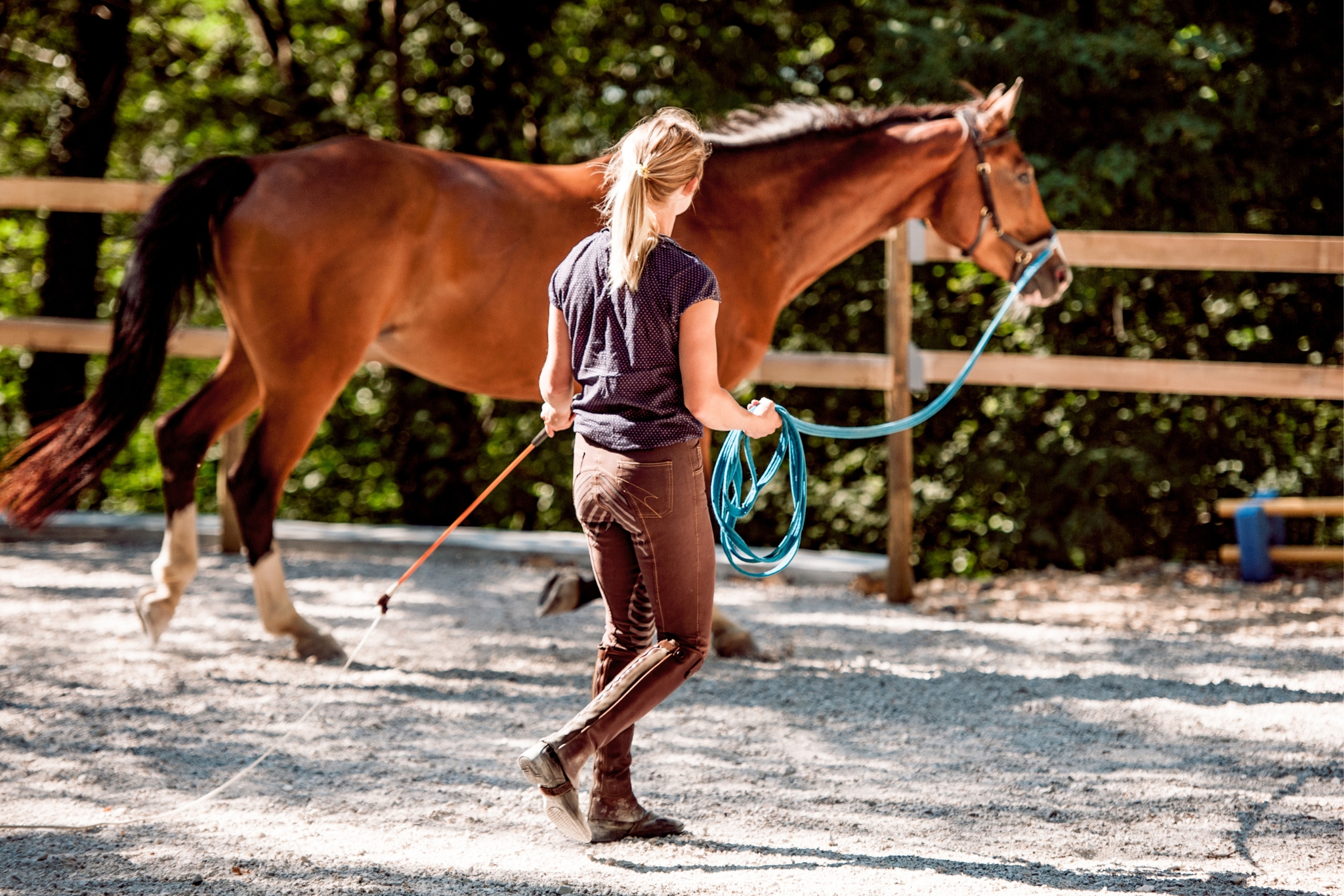
Once your horse is comfortable wearing tack, accepting a cavesson, and moving forward confidently from the ground,
lunging and long lining become incredibly valuable tools for the next stage of their education.
A few things to keep in mind:
1. Bigger Circles are Kinder Circles
Small tight circles put more strain on developing joints. Whenever possible, use the largest circle your space allows to encourage balanced movement.
2. Keep Sessions Short
For a young horse that’s still learning, 5 to 10 minutes per direction is plenty. The goal is quality, not tiring them out.
3. Choose Variety Over Endless Repetition
Mix in transitions, changes of direction, and straight line work on long lines to help develop a balanced body rather than overworking the same muscles.
4. Pay Attention to Footing
Deep, slippery, uneven, or overly hard surfaces can be more demanding on growing joints, so choose your training area thoughtfully.
|
Build a Topline Before You Put the Saddle On
One of the biggest mistakes people make with young horses is rushing the transition to being backed before their body is truly ready.
Carrying a saddle—and eventually a rider—is a big physical job that requires strength through the back, core, and hindquarters. Without that foundation in place, a young horse may hollow their back, brace, or have trouble finding their balance.
It’s not a sign of a bad attitude or unwillingness—it simply means their body hasn’t developed the strength and stability needed for the task yet.
Before saddle work begins, there are plenty of ways to encourage a strong topline:
1. Hill Work
Hill work in hand is one of the most effective ways to develop strength. Walking up and down gentle slopes encourages your horse’s hindquarters, back, and core to work together in a way flat ground can’t.
2. Ground Poles
Ground pole work (using poles during in-hand or long-line exercises) encourages a horse to lift through the shoulders, engage their core, and become more aware of where they place their feet.
3. Stretching
A relaxed stretchy frame during groundwork helps teach healthy movement patterns. Encouraging a low and forward posture through patience and positive reinforcement—not forcing or relying on gadgets—helps your horse learn to carry themselves correctly from the beginning.
Don’t Skip Mental and Proprioceptive Fitness
Physical strength is only one part of preparing a young horse. They also need to develop body awareness—the ability to understand where their feet are, how their body moves, and how to adjust their balance.
This becomes incredibly important once a rider’s weight and movement are added into the picture.
Some great ways to build coordination and confidence include:
1. Obstacles
Obstacle courses with things like tarps, raised platforms, different surfaces, and simple pole patterns. These encourage curiosity while helping your horse become more comfortable navigating new situations.
2. Backing Up
Backing exercises in hand that teach your horse to shift their weight, engage their body, and think through movement rather than simply moving forward.
3. Turning
Light turns on the haunches and forehand introduced from the ground to improve coordination and build the foundation for more advanced movements later on.
These exercises aren’t about drilling your young horse—they’re about helping them become more balanced, confident, and aware of their own body.
A Sample Weekly Framework
Every young horse develops at their own pace, but a balanced week during the pre-backing stage might include a mix of fitness, coordination work, and plenty of recovery:
- Hand walking or ponying to build a steady cardio foundation and encourage strength through consistent movement
- Lunging or long-lining with transitions, changes of direction, and thoughtful exercises to improve balance and coordination
- Hill work or pole work to help develop their topline, hindquarters, and overall body awareness
- Obstacle work or groundwork sessions to build confidence, focus, and a better understanding of their body
- Multiple rest days built in because growing horses need time to recover, process, and come back stronger
Remember, the goal isn’t to fill every day with training. It’s about creating a balanced routine that helps your young horse build strength, confidence, and good habits at the right pace.
A strong foundation takes time—and that patience is what sets them up for success later on.
A Few Things to Keep in Mind
A few extra details make a big difference when you’re conditioning a young horse:
1. Always Include a Warm Up and Cool Down
Even when the work is done from the ground, your horse’s young muscles, joints, and connective tissues benefit from a gradual increase and decrease in activity.
2. Pay Attention to Fatigue, Not Just Willingness
Young horses are often eager to please and may keep trying even when they’re getting tired. Short, consistent sessions are usually much more beneficial than longer workouts spaced too far apart.
3. Keep Your Vet or Equine Bodyworker Involved
A baseline soundness check before starting a conditioning program can be incredibly helpful, and regular check-ins can catch small concerns before they turn into bigger problems.
4. Don’t Overlook Nutrition
Exercise is only one piece of the puzzle. A growing horse in light work still needs the right nutrients to support development and handle the new physical demands being placed on their body.
Your vet or an equine nutritionist can help make sure their diet matches their stage of growth and workload.
|
The Payoff
Young horses that go through a thoughtful pre-backing conditioning program usually begin their first rides with a stronger physical and mental foundation.
The time you put into preparation truly makes a difference. A horse with a stronger body, better balance, and greater awareness is more likely to move with confidence, stay relaxed through new experiences, and better understand what’s being asked of them.
Remember, building that kind of foundation takes time. A strong topline, good coordination, and a confident mindset can’t be rushed—they’re developed through consistent thoughtful work.
Every walk, hill, pole, and groundwork session is another small step toward building the horse they’re becoming. The strength, trust, and confidence you create now will carry forward into their ridden career and help shape the partnership you’ll share for years to come.