What Vaccines Do Ferrets Need? Schedule, Types & Costs Explained
Ferret vaccines aren’t optional. Learn the rabies and distemper schedule, ferret specific brands, and how to avoid vaccine reactions.
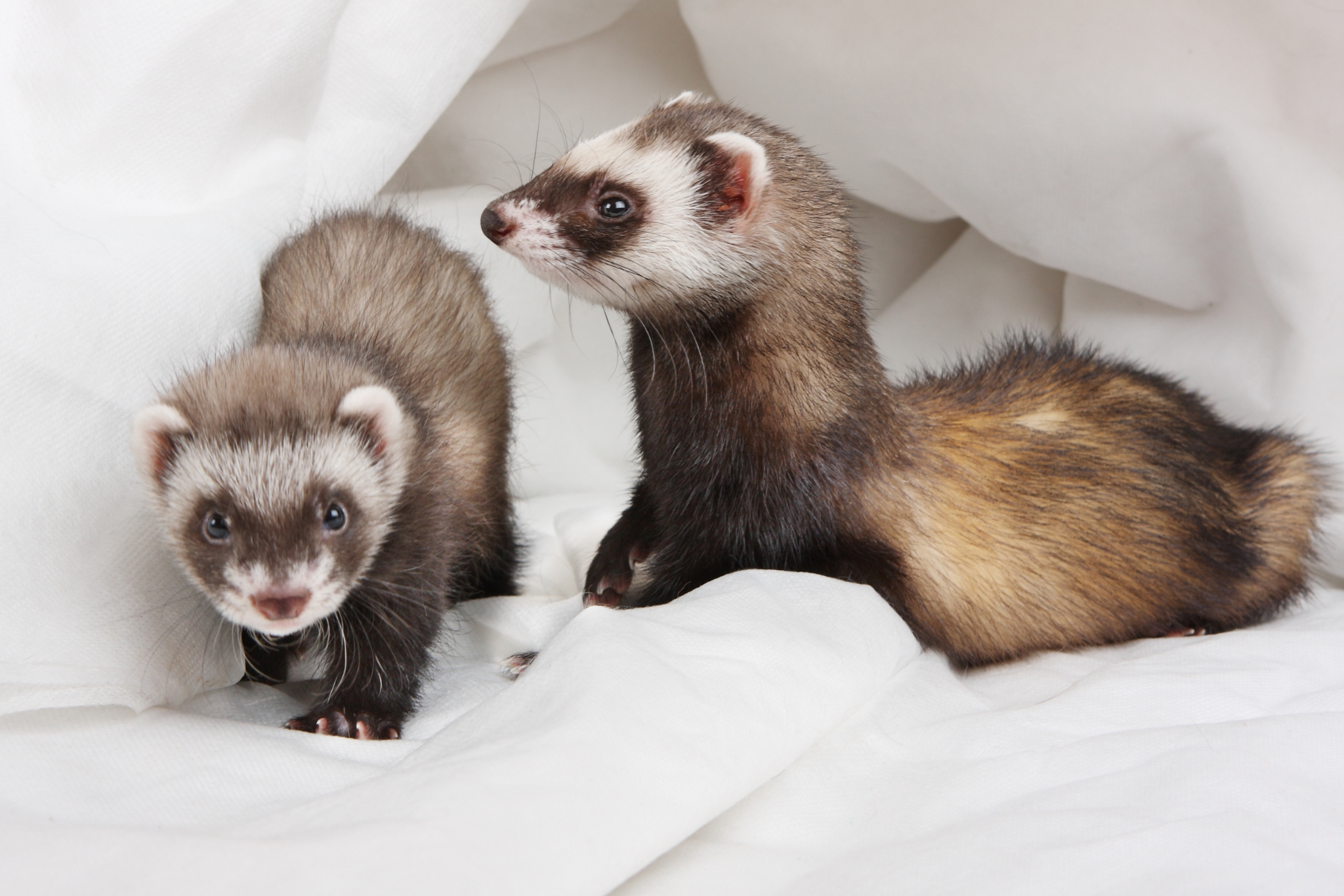
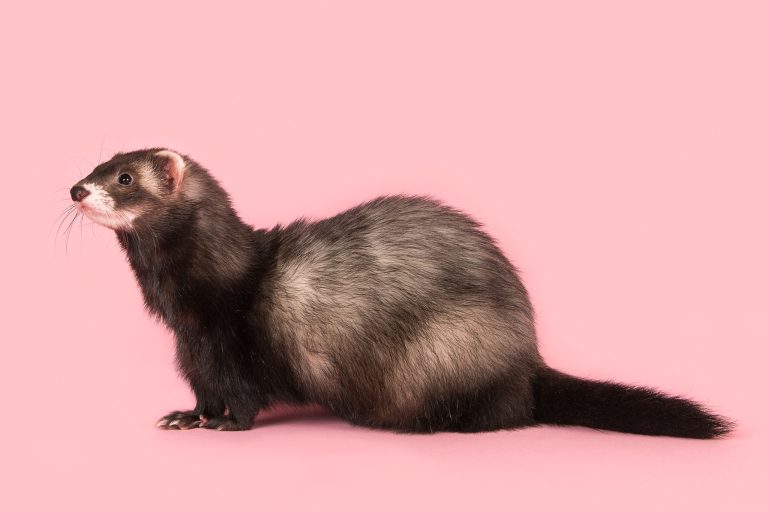
When it comes to caring for a pet ferret, vaccinations are one of the most important health decisions you’ll make—but unlike dogs and cats, ferrets only need protection against two major diseases: rabies and canine distemper.
Understanding the recommended vaccination schedule, why they’re important, and what to watch for afterward can help you make the best decisions for your ferret’s health.
Why Ferret Vaccines Are Non-Negotiable
Ferrets are especially vulnerable to 2 serious diseases: rabies and canine distemper.
While these illnesses are rare in vaccinated pets, they are almost always fatal once a ferret begins showing symptoms—but the good news is that both diseases are preventable through vaccination.
And unlike some vaccines that are recommended only for certain pets or lifestyles, rabies and canine distemper are considered core vaccines for ferrets.
Whether your ferret spends all of their time indoors or occasionally goes outside, these vaccines are an important part of protecting their long term health.
The 2 Core Vaccines
1. Canine Distemper Vaccine
Despite its name, canine distemper doesn’t just affect dogs.
Ferrets are extremely susceptible to this virus, and for unvaccinated ferrets it is almost always fatal.
One of the reasons this disease is so dangerous is that it spreads easily. The virus can be carried on clothing, shoes, or hands, and it can also be brought into your home by other pets.
That means even ferrets that never go outside can still be exposed.
It’s also important to use the right vaccine—it’s important that owners never assume a distemper vaccine made for dogs is safe for a ferret.
In the United States, Purevax Ferret Distemper and NeoVac FD are the only USDA approved vaccine specifically labeled for use in ferrets.
Don’t risk it—using vaccines intended for other species can increase the risk of serious vaccine reactions.
2. Rabies Vaccine
Rabies is the second core vaccine recommended for ferrets, and in many U.S. states it’s also required by law.
Although indoor ferrets have a lower risk of exposure, rabies is a fatal disease that can affect both animals and people. Because it can be transmitted to humans, vaccinating your ferret helps protect your entire household as well.
The USDA approved rabies vaccine for ferrets is
- Imrab 3 – an inactivated (killed) vaccine specifically labeled for ferret use
- Imrab 3 TF (thimerosal free)
- Defensor 1 or 3
- Nobivac 1-Rabies
Ferret Vaccination Schedule
Just like puppies and kittens, ferrets begin receiving vaccinations when they’re still young—and keeping up with booster shots is important for lifelong protection.
|
pet Ferret
Vaccination Schedule
|
|
||
|
||
|
||
|
If you adopt an adult ferret and aren’t sure whether they’ve been vaccinated, don’t worry. Your veterinarian will usually recommend starting a new vaccination series rather than trying to guess what protection your ferret may or may not have.
This will help make sure they’re fully protected going forward. Your veterinarian can also adjust the schedule if your ferret has missed vaccines or has special health considerations.
Why Ferrets React Differently to Vaccines
One thing every ferret owner should be aware of is that ferrets are more likely than dogs or cats to have a vaccine reaction, especially after the canine distemper vaccine.
While serious reactions are uncommon, they can happen within minutes of vaccination, so it’s important to know what to watch for.
|
Warning Signs
of a Vaccine Reaction
If you notice any of these symptoms, contact your veterinarian immediately.
|
Because of this, many exotic animal veterinarians recommend taking a few extra precautions:
- Schedule vaccine appointments earlier in the day so your ferret can be monitored afterward.
- Stay at the veterinary clinic for 20 to 30 minutes after the vaccination so staff can respond quickly if a reaction occurs.
- Ask about spacing out vaccines. In some cases, your veterinarian may recommend giving the distemper and rabies vaccines on separate visits to reduce the risk of a reaction.
- Know what to do at home. Your veterinarian may provide instructions—including whether it’s appropriate to keep diphenhydramine (Benadryl) on hand and how to use it if needed—but you should never give medication unless your veterinarian has provided specific dosing instructions for your ferret.
While vaccine reactions can sound concerning, they’re uncommon and most can be successfully treated when they’re recognized early.
It’s important not to skip your ferret’s vaccinations out of fear of a rare reaction. The risks posed by rabies and canine distemper are far greater than the small chance of a vaccine reaction. By working with an experienced veterinarian and taking a few simple precautions during vaccine appointments, you can help keep your ferret safe while giving them the protection they need.
Finding a Ferret Savvy Vet
Not every veterinarian treats ferrets on a regular basis, so it’s worth finding one with experience caring for these unique pets. An exotic animal veterinarian or a clinic that regularly sees ferrets will be more familiar with their vaccination needs and how to manage potential reactions.
When choosing a veterinarian, consider asking:
- Do you carry the USDA approved ferret vaccines? Specifically, ask whether they use Purevax Ferret Distemper and Imrab® 3 or one of the other approved vaccines.
- How do you monitor for vaccine reactions? A clinic experienced with ferrets will typically recommend keeping your pet for an observation period after vaccination and have a plan in place if a reaction occurs.
- How much experience do you have with ferrets? Look for a veterinarian or clinic that specifically lists exotic animal or ferret care rather than simply stating they treat “all pets.”
Finding a veterinarian who regularly works with ferrets can give you added confidence that your pet is receiving care that’s tailored to their unique needs.
Do Indoor Ferrets Still Need Vaccines?
Yes—even ferrets that spend their entire lives indoors should receive their recommended vaccinations.
One of the biggest misconceptions is that indoor ferrets aren’t at risk. In reality, canine distemper can be brought into your home on clothing, shoes, or other pets that have been outside.
Rabies vaccination is also required by law in many states, even for ferrets that are kept indoors only.
Because both diseases are preventable through vaccination and are almost always fatal once symptoms develop, keeping your ferret up to date on their vaccines is one of the most important things you can do to protect their health.
Quick Reference
|
Quick Reference
Ferret Vaccine Checklist
|
|
1
|
Distemper series starting at 6 to 8 weeks — 3 doses total |
|
2
|
Rabies vaccine starting around 12 to 16 weeks — 1 dose |
|
3
|
Annual boosters for both, for life |
|
4
|
Use only ferret approved vaccines |
|
5
|
Plan a 20 to 30 minute observation window after each vaccine visit |
|
6
|
Confirm your state’s rabies vaccination requirements for ferrets |
The Bottom Line
Vaccinations are one of the most important parts of keeping your ferret healthy.
By staying up to date on the recommended rabies and canine distemper vaccines—and working with a veterinarian who has experience treating ferrets—you can protect your pet from two diseases that are almost always fatal but largely preventable.
A few simple veterinary visits each year can go a long way toward giving your ferret the best chance at a long, healthy, and happy life filled with curiosity, play, and plenty of mischievous adventures.