How to Safely Handle Frozen-Thawed Prey for Pet Reptiles
Learn how to properly handle frozen-thawed feeding for snakes, monitors, and other reptiles, including how to thaw prey safely, store it correctly, and offer it in a way that encourages your reptile to eat while keeping the feeding process clean and safe.
- Why Frozen-Thawed Prey Is the Standard
- Sourcing: Start Safe Before You Ever Reach the Freezer
- Storage: Keeping Prey Safe Until Feeding Day
- The 3 Safe Thawing Methods
- Warming Prey to Feeding Temperature
- Food Safety and Hygiene: Handle Prey Like You Would Raw Meat
- Feeding Technique: Presenting Frozen-Thawed Prey
- Species Specific Notes
- Common Mistakes That Compromise Safety
- The Bottom Line
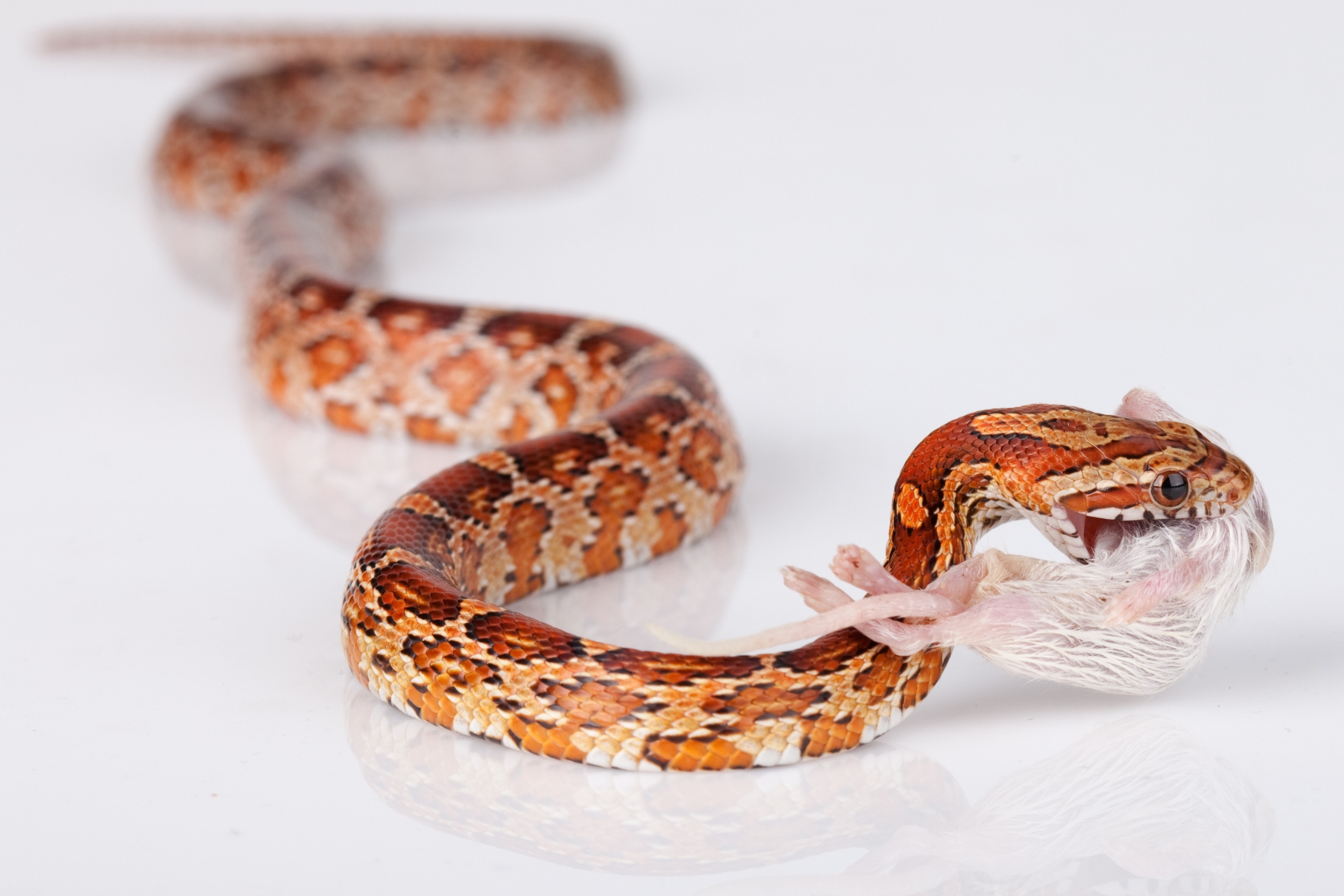
If you have a pet a snake, monitor, or another carnivorous reptile, you’ve probably heard the basic rule: feed frozen-thawed prey instead of live whenever possible.
The truth is that it’s safer for your reptile, safer for you, and it’s the approach commonly recommended by veterinarians and experienced reptile keepers.
But “feed frozen-thawed” is really just the starting point. The important part is knowing how to thaw, handle, store, and offer the prey properly.
Those details make a big difference when it comes to reducing bacterial contamination, preventing spoilage, and making sure your reptile gets a safe and nutritious meal.
This article walks you through the entire process, from taking prey out of the freezer to offering it to your reptile. We’ll cover safe thawing and handling, proper storage, common mistakes that can create problems, and some species specific considerations for snakes, monitors, and other reptiles.
Why Frozen-Thawed Prey Is the Standard
Before getting into the actual feeding technique, it helps to understand why frozen-thawed feeding is recommended in the first place.
1. It protects your reptile.
Live rodents can bite or scratch and cause serious injuries, especially if a reptile doesn’t strike immediately, is going into shed, or simply isn’t feeling its best.
What seems like a minor bite can turn into a serious wound or infection, so eliminating that risk is a major advantage of feeding frozen-thawed prey.
2. It’s better for the prey animal.
Frozen-thawed feeding is generally considered a more humane option because the feeder animal is euthanized before it ever reaches the reptile’s enclosure. That avoids putting a live prey animal into a situation where it may experience prolonged stress or injury during the feeding process.
3. It can reduce some parasite and pathogen risks.
Proper freezing for an appropriate amount of time can kill many parasites that may be present in feeder rodents, although it doesn’t eliminate every possible pathogen or parasite.
For that reason, feeding frozen-thawed should still be treated as a food safety issue, with careful handling and storage.
4. It’s way more convenient.
Frozen prey can be purchased in bulk and stored for months, so you can have appropriately sized meals ready whenever your reptile needs them. For many keepers, that’s considerably easier and less expensive than maintaining live feeders or making frequent trips to buy them.
Sourcing Start Safe Before You Ever Reach the Freezer
Feeding frozen-thawed safely actually starts before the prey ever makes it into your freezer. The quality and handling of the prey you buy can have a big impact on how safely you can store and feed it later.
✔️ Buy from a reputable feeder supplier.
Look for companies that have clear health and sanitation practices for their feeder colonies, use appropriate freezing methods, and keep the prey properly frozen throughout shipping.
A reliable cold chain from the supplier to your freezer is important!
✔️ Check the packaging when it arrives.
Prey should be individually sealed or clearly organized and labeled by size.
Avoid packages where the prey is loose, heavily covered in ice crystals, or showing significant freezer burn, since those can be signs that the temperature fluctuated during storage or shipping.
✔️ Inspect the shipment before putting it away.
If anything arrives partially thawed, unusually soft, discolored, or smelling abnormal, don’t feed it. Contact the supplier and ask about a replacement rather than taking a chance with questionable prey.
Storage Keeping Prey Safe Until Feeding Day
Once you’ve bought your frozen prey, proper storage is just as important as how you thaw and feed it.
Never refreeze prey that has fully thawed.
Once prey has thawed, especially if it has been sitting at room temperature, refreezing it can increase food safety risks.
If you’re unsure how long it has been thawed or how warm it became, it’s safer to discard it.
Use a dedicated freezer (if you can).
Ideally, keep feeder prey separate from the freezer you use for human food. If that isn’t practical, store the prey inside a sealed, clearly labeled container or bin to reduce the risk of cross contamination.
Keep the freezer at 0°F (-18°C) or colder.
A basic freezer thermometer is an inexpensive way to make sure you’re actually maintaining a safe temperature instead of relying on the freezer’s built-in setting.
Use older prey first.
Label packages with the purchase date and follow a first in, first out system so older feeders get used before newer ones.
Properly stored frozen rodents are commonly kept for up to a year, but keep in mind that quality and nutritional value can gradually decline with longer storage.
The 3 Safe Thawing Methods
There are 3 common ways to thaw feeder prey, and all of them can work when done properly. The best option depends on how far ahead you plan your feedings and how many reptiles you’re feeding.
1. Refrigerator Thawing (Safest and Slowest)
For the most controlled thaw, move the frozen prey into a sealed bag or container and place it in the refrigerator, separate from human food. Ideally, do this about 12–24 hours before feeding.
The slow, consistent temperature makes refrigerator thawing one of the safest options because it keeps the prey cold while it gradually thaws, limiting bacterial growth.
Best for: Keepers who have a predictable feeding schedule and can plan ahead.
2. Room Temperature Thawing (Convenient but Requires More Attention)
If you need to thaw prey the same day, you can place it in a sealed bag or container on the counter for a limited period while it thaws. The downside is that room temperature allows bacteria to multiply more quickly, particularly in a warm room.
If you use this method, don’t leave the prey sitting out unattended for hours. Once it has thawed, it should be fed promptly rather than left at room temperature.
Best for: Same-day feedings when you didn’t thaw the prey in the refrigerator ahead of time.
3. Warm Water Bath (Fast and Practical)
A warm-water bath is a popular option for keepers who want to thaw prey relatively quickly while keeping it contained. Keep the prey sealed in its original packaging or place it inside a leak-proof bag before putting it in the water.
Use warm, not hot, water, generally around 90–100°F (32–38°C). If the water cools significantly during thawing, replace it with fresh warm water.
Smaller prey, such as mice, may thaw fairly quickly, while larger rats or rabbits can take considerably longer depending on their size. Make sure the prey is completely thawed before feeding.
Never Thaw Prey This Way
Extremely hot water can begin cooking the outside of the prey while the center remains frozen, creating uneven temperatures and potentially encouraging bacterial growth.
Microwaves can heat prey unevenly, creating extremely hot spots that could burn your reptile’s mouth. They can also damage the food and make it difficult to control the final temperature.
Frozen prey shouldn’t be left at room temperature for extended periods. Once thawed, prolonged exposure to warmer temperatures increases bacterial growth and food safety risks.
Warming Prey to Feeding Temperature
Just because frozen prey has completely thawed doesn’t necessarily mean it’s at the ideal temperature for feeding.
Many reptiles respond more strongly to prey that’s been warmed slightly above room temperature. For some species, especially snakes that use heat sensing abilities to locate prey, the warmth can act as an important feeding cue.
After the prey has thawed, you can give it a brief dip in warm water around 90°F to 100°F (32°C to 38°C) right before offering it. This can be useful even when the prey was thawed slowly in the refrigerator.
That small temperature boost can make the prey more noticeable and appealing, and for some reptiles it can be the difference between eagerly striking at a meal and completely ignoring it.
Food Safety and Hygiene Handle Prey Like You Would Raw Meat
This is one of the areas where reptile keepers sometimes underestimate the importance of good hygiene. Once prey has thawed, you want to treat it much like you would raw chicken in your kitchen.
Proper handling helps reduce the risk of spreading bacteria to yourself, your reptile, or surfaces around your home.
- Wash your hands thoroughly. Wash before and after handling feeder prey, and wash again before and after handling your reptile if you’ve had contact with the prey.
- Keep feeding equipment separate. Have a dedicated set of feeding tongs, containers, and any cutting surfaces used only for reptile food. Never use those items for preparing human food.
- Clean and disinfect anything the prey touches. Use a disinfectant appropriate for reptile environments or a properly diluted bleach solution, and rinse surfaces thoroughly afterward so no residue remains.
- Don’t leave thawed prey sitting around. Once the prey is fully thawed and warmed, offer it promptly. If your reptile doesn’t eat it within roughly 15 to 20 minutes, remove it rather than leaving it in the enclosure where it can spoil or create a sanitation problem.
- When in doubt, throw it out. Don’t refreeze thawed prey, and don’t save an uneaten item for the next feeding. Once prey has been thawed and offered, discard it if your reptile refuses it.
Feeding Technique Presenting Frozen-Thawed Prey
The way you present the prey can make a real difference in both feeding success and safety. A properly thawed meal still needs to be offered in a way that feels natural to your reptile.
Tong Feeding
This is the go-to method for many keepers. Use long feeding tongs or forceps to hold the prey and give it a little natural looking movement.
Keeping your hands away from the enclosure also helps your reptile distinguish between feeding time and normal handling, which can reduce the chance of an accidental bite when you reach into their enclosure later.
Leave-In feeding
Some monitors and other reptiles prefer to approach and investigate their food on their own. In those cases, you can place the thawed prey in the enclosure and give the reptile some space.
Just don’t leave the prey sitting there indefinitely—remove it within a reasonable amount of time if it isn’t eaten.
Scenting
If a picky eater refuses a new type of prey, scenting can sometimes help. Rubbing the preferred prey against the new food can transfer familiar scent cues and make the unfamiliar item more appealing.
This can be particularly useful when transitioning a reluctant snake to a different prey type.
Feed in a Familiar Environment
Whenever possible, offer meals in the enclosure your reptile normally lives in. If you use a separate feeding enclosure, keep that routine consistent. Moving a reptile around unnecessarily immediately after eating can increase stress and may contribute to regurgitation in some animals.
Species Specific Notes
Not every reptile approaches frozen-thawed feeding in exactly the same way. The type of prey, portion size, and feeding schedule should all be adjusted to the species and the individual animal.
Snakes, including Colubrids, Pythons, and Boas:
Frozen-thawed rodents and rabbits are standard food items for many commonly kept snake species. As a general guideline, choose prey that’s appropriately sized for your snake rather than simply going by age or weight.
Prey that is significantly wider than the snake’s thickest point can increase the risk of regurgitation and other feeding problems.
Monitors and larger lizards:
Many monitor species eat a more varied diet that can include frozen-thawed rodents along with insects and other appropriate foods.
Their feeding schedule and portion sizes should be based on the specific species, age, size, and nutritional needs rather than following a generic rodent feeding schedule.
Reptiles that initially refuse frozen-thawed prey:
Some individual animals, especially wild caught reptiles or particularly selective eaters, may take longer to accept thawed prey. For some animals it can take several attempts, so don’t assume the transition has failed after one refusal.
Adjusting the prey temperature, using familiar scent cues, and offering food during the reptile’s normal active period can sometimes make the difference.
Common Mistakes That Compromise Safety
A few mistakes come up again and again with frozen-thawed feeding, and most are easy to avoid once you know what to watch for.
❌ Leaving prey at room temperature for too long: Don’t leave frozen prey sitting on the counter for hours just to save time. As it warms, bacterial growth becomes a bigger concern.
❌ Reusing the same warm water: If you’re using a warm water bath to thaw or warm prey, replace the water between feeding sessions rather than repeatedly reusing the same batch.
❌ Skipping the final warm-up: A fully thawed prey item can still be too cold to trigger a strong feeding response in some reptiles. Briefly warming it before offering it may make it more appealing.
❌ Cross contaminating food preparation areas: Keep feeder prey, thawing containers, tongs, and other reptile feeding equipment completely separate from surfaces and utensils used for human food.
❌ Refreezing thawed prey: Once prey has thawed, don’t put it back in the freezer if your reptile refuses it. Discard it instead.
❌ Using questionable prey: If a thawed feeder has an unusual odor, significant discoloration, or other obvious signs of spoilage, don’t feed it. When something looks or smells wrong, it’s not worth taking the chance.
The Bottom Line
Frozen-thawed feeding is generally the safer, more humane, and more practical option for most pet reptile keepers—but those benefits depend on handling the prey properly from start to finish.
Safe feeding really comes down to a few simple habits:
- Thawing the prey in a controlled way
- Keeping everything clean
- And offering the meal promptly once it’s ready
Once you get into a routine, the whole process becomes pretty straightforward. Thaw the prey in the refrigerator ahead of time or use a warm water bath when you need it sooner, give it a brief warm-up before feeding, and use clean hands and dedicated feeding tools when you offer it.
Most importantly, don’t let thawed prey sit around longer than necessary, and discard anything that has been thawed and refused rather than trying to save it for later.
It may sound like a lot of steps at first, but after a few feedings it becomes second nature—and those simple habits go a long way toward keeping your reptile and your household safe.