9 Betta Fish Feeding Mistakes And How to Fix Them for a Healthier Happier Fish
Overfeeding, the wrong food, the wrong tank parameters and more. Learn the most common betta fish feeding mistakes and exactly how much, how often, and what to feed your betta.
- The Quick Answer: How Should You Feed a Betta Fish?
- Mistake #1: Overfeeding
- Mistake #2: Feeding the Wrong Type of Food
- Mistake #3: Feeding the Same Food Every Day
- Mistake #4: Not Soaking Dry and Freeze Dried Foods
- Mistake #5: Leaving Uneaten Food in the Tank
- Mistake #6: Feeding on an Irregular Schedule (or Too Often)
- Mistake #7: Ignoring Water Temperature
- Mistake #8: Mistaking Begging as Hunger
- Mistake #9: Overlooking Special Situations
- What a Healthy Betta Feeding Plan Looks Like
- Frequently Asked Questions
- The Bottom Line
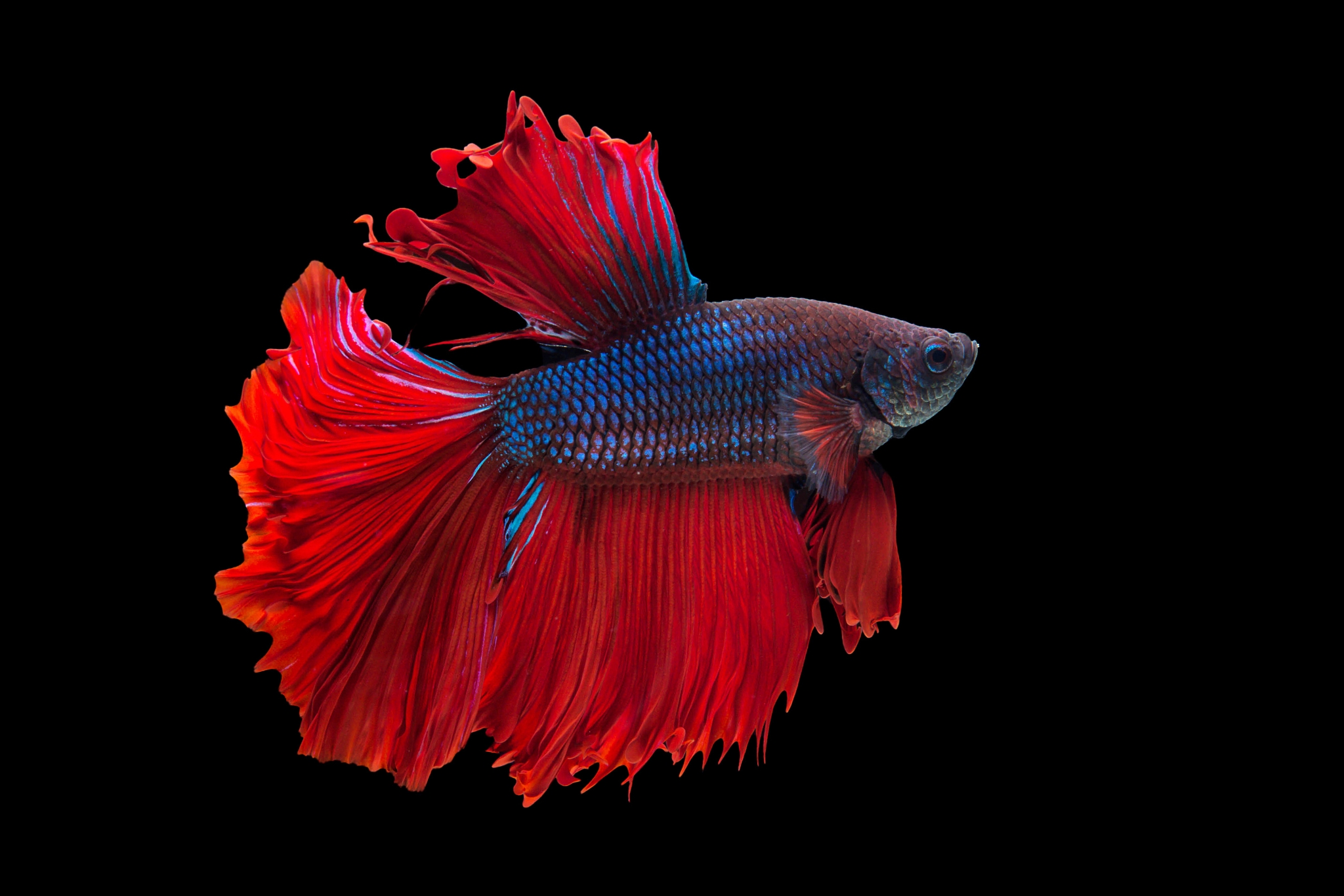
If you’ve ever watched your betta fish flare up and beg at the front of the tank the moment you walk into the room, you know how convincing they can be. That little face makes it seem like they haven’t eaten in days, even if their last meal was only twenty minutes ago!
Feeding is one of the most common areas where betta owners go wrong, and it’s an easy mistake to make. Bettas are hardy fish, but they’re also small carnivores with specific dietary needs, and overfeeding can quickly lead to digestive problems and poor water quality. And issues like bloating, sluggishness, and cloudy tank water can sometimes be traced back to what you’re feeding your fish and how much you’re giving them.
But feeding your betta properly doesn’t have to be complicated. Once you understand their nutritional needs and know which common mistakes to avoid, it becomes way easier to keep them healthy and thriving.
The Quick Answer How Should You Feed a Betta Fish?
If you’re short on time, here’s the quick guide to feeding your betta:
Use a high quality protein rich betta pellet as the main food, with frozen or properly prepared freeze dried foods for variety.
Start with around 2 to 4 small pellets per feeding, adjusting for pellet size and your betta’s needs.
Feed adult bettas once or twice a day, offering only what they can comfortably eat in a short feeding session. Remove any uneaten food promptly.
Some keepers include an occasional fasting day, but it isn’t necessary for every betta.
Consistent appropriately sized meals are what matter most
Now, let’s look at why these feeding guidelines matter and how they help keep your betta healthy…
Mistake #1 Overfeeding
This is the big one—because overfeeding is one of the most common betta feeding mistakes, and it can cause a range of health issues and water quality problems.
A betta’s stomach is tiny (often compared to the size of its eye) and that means even a portion that looks small to you can be too much for your fish.
Bettas are also opportunistic feeders, and in the wild they snap up insects and larvae whenever they’re available, so they may eagerly eat more than they actually need.
What overfeeding can cause:
- Bloating and constipation: Too much food can lead to digestive discomfort and a swollen belly.
- Swim bladder problems: Your betta may float sideways, sink, or struggle to maintain a normal swimming position.
- Lethargy: Your fish may become less active than usual.
- Poor water quality: Uneaten food and excess waste break down in the tank and can cause harmful ammonia levels.
How to fix it:
- Measure portions instead of guessing. Start with around 2 to 3 appropriately sized pellets per feeding, adjusting for pellet size and your betta’s needs.
- And don’t forget to remove any uneaten food promptly to prevent spoilage!
If food regularly sinks to the bottom untouched, you may be offering too much.
A noticeably round or swollen belly can also be a reason to reassess feeding, although bloating can have other causes.
If your betta seems otherwise healthy, briefly withholding food may help if overfeeding is responsible.
If the swelling persists or your fish has trouble swimming, seek advice from an aquatic veterinarian.
Mistake #2 Feeding the Wrong Type of Food
Bettas are carnivores with a natural diet centered on insects and other small aquatic animals. They need a protein rich diet, yet some foods marketed for bettas contain large amounts of plant based ingredients and fillers that may not provide the best nutritional balance.
Foods to be cautious about include:
- Generic tropical fish flakes: These aren’t necessarily harmful, but they don’t provide the ideal nutritional balance for bettas.
- Goldfish food: Goldfish have different dietary needs, so their food isn’t the best choice as a regular staple for a betta.
- Low quality pellets: Foods that rely heavily on inexpensive fillers are less suitable than a well formulated betta diet.
- Human food scraps: Bread, crackers, and other human foods aren’t appropriate for bettas and can contribute to digestive or water quality problems.
How to fix it:
- Read the ingredient list when choosing betta food. Look for a product specifically formulated for bettas, with identifiable animal protein sources such as fish, shrimp, krill, or insect larvae near the top of the list.
- A protein content around 35% to 45% can be a useful starting point, but the overall nutritional balance matters more than any single number.
Choose appropriately sized pellets that your betta can eat easily without leaving lots of crumbs behind.
You can also offer frozen foods, such as brine shrimp or daphnia, for variety.
Mistake #3 Feeding Only One Kind of Food Forever
Even a high quality betta pellet can benefit from a little variety. Feeding the same food day after day can limit dietary variety, and some bettas may even become picky about what they’re willing to eat.
How to fix it:
Mix things up a few times a week by offering suitable alternatives alongside your betta’s regular food. You can try:
- Frozen foods: Bloodworms, brine shrimp, daphnia, and mysis shrimp are popular options. Thaw a small portion before feeding, and never add frozen food directly to the tank.
- Freeze dried foods: These are convenient and easy to store, but rehydrate them according to the package instructions before feeding to help prevent them from expanding after being eaten.
- Live foods: Daphnia and other suitable live foods can provide variety and encourage natural hunting behavior. Buy from a reputable supplier to reduce the risk of introducing parasites or disease.
Mistake #4 Not Soaking Dry and Freeze Dried Foods
This one surprises many betta owners, but freeze dried foods (such as bloodworms and brine shrimp) can absorb water after being eaten. Although the risk of food swelling enough to cause a blockage isn’t well established, feeding overly dry or hard food may be less comfortable for some fish (especially those prone to digestive issues).
How to fix it:
- Rehydrate freeze dried foods in a small cup of aquarium water for a minute or two (or follow the product’s instructions) before offering them to your betta. This softens the food and makes it easier to eat.
Some owners also choose to soak pellets, particularly if they’re very hard or their fish has had trouble eating them. However, soaking isn’t necessary for every pellet, so check the manufacturer’s recommendations and avoid leaving food in water long enough for its nutrients to leach out.
Mistake #5 Leaving Uneaten Food in the Tank
Even when you offer the right amount of food, your betta might not finish every bite. Leftover food sinks to the bottom, breaks down, and contributes to waste in the aquarium. This can lead to ammonia buildup, which is toxic to fish, especially in smaller tanks or those with inadequate filtration.
Signs that leftover food may be affecting your tank include:
- Cloudy or smelly water: Excess food and waste can contribute to poor water quality.
- Rising ammonia levels: Decaying food can add to the ammonia produced in the aquarium.
- Algae growth: Excess nutrients may contribute to algae problems.
- Signs of stress: Poor water quality can contribute to fin damage, hiding, and unusual behavior.
How to fix it:
- Watch your betta during feeding and remove any uneaten food after a few minutes using a small net or turkey baster.
- If you regularly find leftovers, try reducing the portion you feed at each meal.
Snails and shrimp may help clean up some food debris, but they produce waste of their own and aren’t a substitute for proper feeding, filtration, and regular water maintenance.
Mistake #6 Feeding on an Irregular Schedule (or Too Often)
Bettas benefit from a consistent feeding routine. Random mealtimes, accidentally feeding twice because two family members both think it’s their turn, or offering extra food whenever your fish looks hungry can quickly lead to overfeeding.
How to fix it:
- Choose a schedule and stick to it. Most adult bettas do well with 1 or 2 small feedings a day, such as in the morning and evening.
- If multiple people care for your fish, assign one person to handle feeding or use a simple checklist to avoid doubling up.
Some betta owners choose to include an occasional fasting day, but it isn’t necessary for every fish. A healthy adult betta can generally handle a missed meal, but there’s little evidence that fasting once a week helps prevent constipation or improve digestion. What matters most is providing balanced nutrition and appropriate portions consistently.
The goal is to establish a routine that keeps your betta well fed without giving them more food than they need.
Mistake #7 Ignoring Water Temperature
This one can be easy to overlook because it doesn’t seem like a feeding problem. But bettas are tropical fish, and water temperature affects their metabolism and digestion.
When the water is too cold, their activity and digestive processes can slow down, potentially contributing to sluggishness, reduced appetite, and digestive issues even when you’re feeding the right portions.
How to fix it:
- Keep your betta’s tank at a stable temperature of around 78°F to 80°F (25.5°C to 26.5°C) using a reliable aquarium heater and thermometer to monitor conditions.
- Avoid sudden temperature changes, which can stress your fish.
If your fish suddenly loses its appetite or seems unusually sluggish, check the water temperature along with the other water quality parameters.
Mistake #8 Mistaking Begging as Hunger
Bettas can learn to recognize the person who feeds them. They may swim up to the glass, flare their fins, wiggle excitedly, or follow you around the tank. It’s adorable, but these behaviors don’t necessarily mean your fish is hungry!
How to fix it:
- Stick to your feeding schedule rather than giving extra food every time your betta puts on a show.
If you want to give your fish some extra attention without adding more food, try offering enrichment instead. You could rearrange a few decorations, add a betta-safe floating log or leaf hammock, or introduce simple target training using a feeding stick. Just make sure any new items are aquarium-safe and won’t damage your betta’s delicate fins.
Bettas really do benefit from mental stimulation and an interesting environment. Sometimes, a little enrichment is a better response to that eager face than another meal!
Mistake #9 Overlooking Special Situations
Not every betta has the same feeding requirements. Age, health, travel plans, and even tank mates can affect how you manage mealtimes. Here are a few situations where it helps to adjust your approach:
- Vacations: Healthy adult bettas can usually go a day or two without food, so a short trip doesn’t necessarily require a pet sitter. If you’ll be away longer, arrange for someone you trust to feed your fish measured portions. Preparing meals in labeled containers or ziplock bags ahead of time can help prevent overfeeding. Be cautious with vacation feeder blocks, since they can break down in the water and negatively affect water quality.
- Young bettas: Juvenile bettas are still growing and may need smaller more frequent meals than adults. Choose a suitable protein rich food formulated for their needs, and follow the feeding guidance for their age and size.
- Sick or bloated bettas: If your betta appears bloated but is otherwise behaving normally, briefly withholding food may help if overfeeding is the cause. Once feeding resumes, offer a small portion of appropriate food. Avoid relying on home remedies, such as peas, which aren’t a natural food for bettas. If bloating persists, your fish stops eating, or you notice raised scales that resemble a pinecone, seek advice from an aquatic veterinarian. These signs can indicate a more serious health problem.
- Bettas with tank mates: Other fish or shrimp may steal food before your betta gets a chance to eat, or your betta may be bullied away from feeding areas. Watch mealtimes closely to make sure your betta is getting enough food and that all tank inhabitants are eating appropriately.
What a Healthy Betta Feeding Plan Looks Like
Here’s a simple weekly feeding routine you can adjust to suit your betta’s needs:
following the feeding guidelines for your specific food.
Replace 1 meal with frozen or properly rehydrated freeze dried foods (such as brine shrimp or daphnia) for variety.
Consider skipping a feeding if your betta is healthy and prone to overeating. A fasting day isn’t necessary for every fish.
The key is to:
- Feed appropriate portions
- Maintain warm clean water
- Stick to a consistent routine
- Keep an eye on your betta’s body condition and activity
- And adjust portions as needed to keep them healthy and thriving
Frequently Asked Questions
1. How often should I feed my betta fish?
Most adult bettas do well with 1 or 2 small feedings each day, while younger growing bettas may need more frequent meals. The key is to offer appropriate portions without overfeeding.
2. How many pellets should I feed my betta?
As a general guideline, start with 2 to 4 small pellets per feeding, adjusting based on the pellet size and your betta’s needs. Keep in mind that overfeeding can cause digestive issues and pollute the water. Always check the food’s feeding instructions, and remember to remove any uneaten food to prevent spoilage.
3. Can bettas eat fish flakes?
Yes, bettas can eat flakes, but high quality betta pellets are usually a better staple because they’re formulated for their nutritional needs and are easier to portion. Frozen foods (such as brine shrimp and bloodworms) can also be provided for variety as part of a balanced diet.
4. Why does my betta look bloated?
Bloating in bettas can result from overfeeding, constipation, or an underlying health issue. If your fish looks bloated, check their feeding routine, remove any uneaten food, and make sure the water temperature and quality are within the appropriate range.
If your betta is otherwise acting normally, briefly withholding food may help if overfeeding is the cause. However, don’t assume bloating is always due to constipation.
If it persists or you notice other symptoms (such as lethargy, difficulty swimming, raised scales, or loss of appetite) consult an aquatic veterinarian.
5. How long can a betta go without eating?
A healthy adult betta can usually go a day or two without food, but longer periods without feeding aren’t ideal. If you’re planning a trip, you should arrange for someone to feed your fish if you’ll be away for several days. For a short overnight trip, a healthy adult betta will generally be fine without a meal.
6. Do bettas need live food?
No, bettas don’t need live food to stay healthy. High quality betta pellets can provide a solid nutritional foundation, while frozen foods like brine shrimp and daphnia add variety to their diet. Live foods can also be offered as a treat, but choose a reliable source to reduce the risk of introducing parasites or disease into your aquarium.
7. Can I feed my betta human food?
Please don’t! It’s best to avoid it, since bettas are carnivorous fish that need a diet rich in appropriate animal protein. Most human foods aren’t nutritionally balanced for them and may be difficult to digest. Stick to food formulated for bettas and suitable aquatic invertebrate foods.
The Bottom Line
Most betta feeding problems come down to overdoing it, whether that means too much food, too many treats, or giving in every time your fish seems hungry.
To keep your betta healthy, stick to small appropriately sized portions of nutritious food that is offered consistently in warm clean water. This simple routine can help your betta stay healthy, active, and thriving for years to come.
Start with the basics
Pay attention to your fish’s behavior and condition
Adjust as needed