What is a Keystone Species? What You Need to Know About Nature’s VIPs
Learn what makes a keystone species so important for biodiversity. Explore famous examples like gray wolves and sea otters, plus discover how these critical animals shape entire ecosystems.
- What is a Keystone Species? The Simple Definition
- Why Are Keystone Species So Important?
- Types of Keystone Species
- Famous Keystone Species Examples
- How Do Scientists Identify Keystone Species?
- The Difference Between Keystone Species and Other Ecological Categories
- Conservation Implications of Keystone Species
- Threats to Keystone Species
- How You Can Help Protect Keystone Species
- The Bottom Line on Keystone Species
Have you ever wondered why some animals seem to punch way above their weight when it comes to their importance in an ecosystem?
That’s exactly what keystone species are all about, and trust me, once you understand this concept, you’ll see nature in a completely different light!
What is a Keystone Species? The Simple Definition
A keystone species is an organism that has a disproportionately large impact on its ecosystem relative to its abundance.
Think of it like the keystone in an archway – that central stone at the top that holds everything together. Remove it, and the whole structure could collapse. Similarly, remove a keystone species from an ecosystem, and you might see dramatic changes throughout the entire food web.
The term “keystone species” was coined by ecologist Robert Paine in 1969, and it’s become one of the most important concepts in conservation biology.
These remarkable animals maintain the structure of their ecological communities, and their presence (or absence) can determine which other species thrive or disappear.
Why Are Keystone Species So Important?
Here’s the thing about keystone species – they’re absolutely essential for maintaining biodiversity and ecosystem health. When a keystone species is removed from an environment, the effects ripple through the entire system like dominoes falling. You might see:
- Dramatic increases or decreases in certain plant or animal populations
- Changes in habitat structure and available resources
- Loss of biodiversity as some species thrive while others decline
- Altered ecosystem functions like nutrient cycling and water filtration
- Complete transformation of the landscape over time
The importance of keystone species extends far beyond just the plants and animals living in that ecosystem. These species often provide benefits to humans too, like maintaining water quality, controlling pest populations, or preserving landscapes we love.
Types of Keystone Species
Not all keystone species play the same role! Let’s break down the different types:
1. Predators
Keystone predators keep prey populations in check, preventing any single species from dominating. By controlling herbivore numbers, these predators indirectly protect plant communities and maintain ecosystem balance. Apex predators often fill this crucial role.
2. Ecosystem Engineers
These species physically modify their environment in ways that create or maintain habitats for other organisms. They’re literally the architects of their ecosystems, building structures or changing landscapes that countless other species depend on.
3. Mutualists
Some keystone species are important because of their symbiotic relationships with other organisms. When these mutualistic relationships involve many species, the keystone species becomes essential for the survival of numerous other organisms in the ecosystem.
4. Plants
Certain plant species serve as keystone species by providing critical food resources, especially during times when other food sources are scarce. These plants might produce fruits, nectar, or shelter that many animals depend on for survival.
Famous Keystone Species Examples
Let’s look at some rock star examples of keystone species in action!
Sea Otters
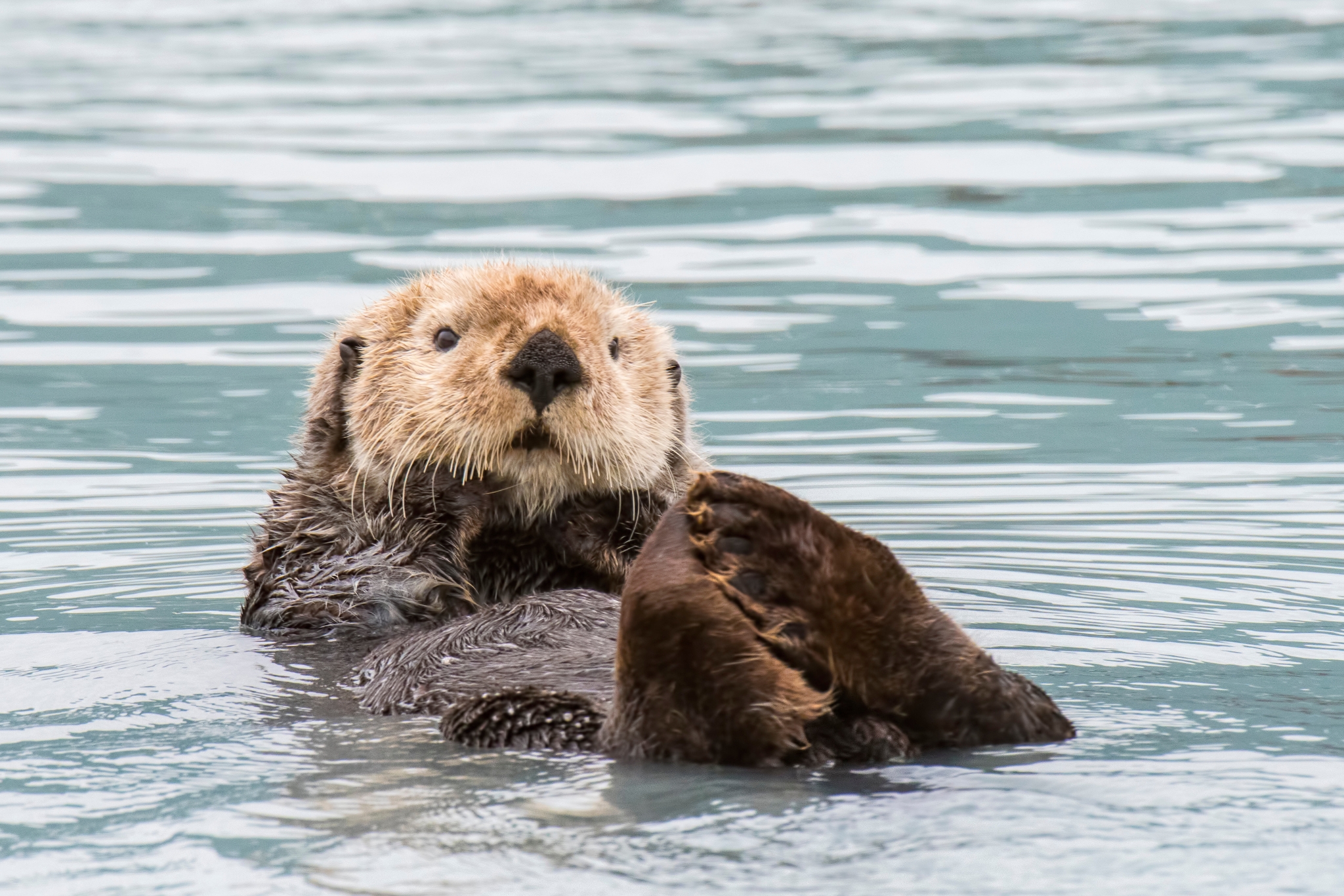
Sea otters are perhaps one of the most celebrated keystone species examples. These adorable marine mammals feed on sea urchins, keeping their populations under control.
Without sea otters, sea urchin populations explode and decimate kelp forests by overgrazing. When sea otters are present, kelp forests thrive, providing habitat for hundreds of other species. It’s a perfect example of a keystone predator maintaining ecosystem structure.
Gray Wolves
The reintroduction of gray wolves to Yellowstone National Park is a textbook case of keystone species importance. When wolves returned in 1995 after being absent for 70 years, they created a trophic cascade – a series of ecological effects flowing down the food chain.
Wolves controlled elk populations, which allowed willow and aspen trees to recover. This vegetation recovery stabilized riverbanks and created habitat for birds and beavers. Even the physical geography changed as vegetation held soil in place more effectively!
Beavers
Speaking of beavers – these industrious rodents are quintessential ecosystem engineers! By building dams, beavers create wetlands that support incredible biodiversity.
Their ponds provide habitat for fish, amphibians, waterfowl, and countless invertebrates. Beaver wetlands also filter water, store carbon, and provide flood control. One beaver family can transform an entire valley ecosystem!
African Elephants
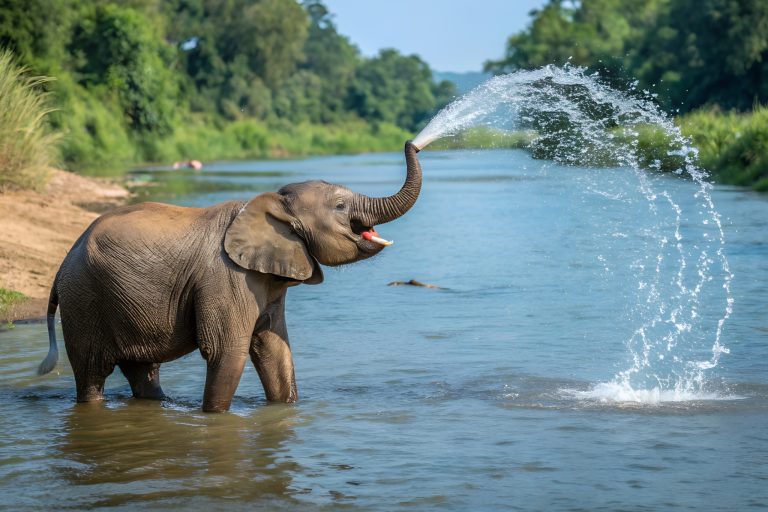
African elephants shape their savanna and forest habitats in major ways. They knock down trees, dig waterholes, create trails, and disperse seeds over vast distances.
Their activities maintain the balance between grassland and forest, creating a mosaic of habitats that support diverse wildlife communities. Without elephants, many African ecosystems would look completely different.
Fig Trees
In tropical forests, fig trees are keystone plant species because they produce fruit year round when other food sources might be scarce. Hundreds of animal species (from birds and bats to monkeys and insects) depend on figs for survival.
These animals then disperse seeds throughout the forest, making fig trees essential for maintaining tropical biodiversity.
How Do Scientists Identify Keystone Species?
Pinpointing a keystone species isn’t always simple, but ecologists rely on several key methods:
- Observing natural changes in ecosystems when a species disappears or newly arrives.
- Running controlled removal experiments to see how the system responds.
- Using mathematical models to predict the ripple effects of a species’ loss.
- Studying food webs to track how shifts in one population affect others throughout the ecosystem.
The key indicator is disproportionate impact – if removing a relatively rare or modest sized population causes massive ecosystem changes, you’ve likely identified a keystone species.
The Difference Between Keystone Species and Other Ecological Categories
It’s easy to get confused with all the ecology terminology, so let’s clarify a few distinctions:
Keystone Species vs. Dominant Species:
Dominant species are the most abundant or have the most biomass in an ecosystem, but they don’t necessarily have disproportionate effects. Keystone species might be relatively rare but still critically important.
Keystone Species vs. Indicator Species:
Indicator species signal environmental conditions or ecosystem health, but they don’t necessarily play a critical role in maintaining the ecosystem. Keystone species actively shape their environments.
Keystone Species vs. Foundation Species:
Foundation species (like kelp or redwood trees) create the physical structure of ecosystems through their sheer presence and abundance. Keystone species can be much less abundant but still critically important through their specific ecological roles.
Conservation Implications of Keystone Species
Understanding keystone species is essential for effective conservation – and here’s why it matters:
- Protecting a keystone species offers an exceptional return on investment. Because their influence supports entire ecosystems, conserving one keystone species can help safeguard countless other plants and animals. When conservation resources are limited (as they often are), focusing on these species can create the greatest overall impact.
- Many of the world’s most successful conservation efforts center on keystone species. Saving wolves, sea otters, or elephants isn’t just about protecting iconic animals – it’s about preserving whole ecological communities and the vital services those ecosystems provide.
- The loss of a keystone species can destabilize or even collapse an ecosystem, reducing biodiversity, reshaping landscapes, and diminishing natural resources that humans rely on.
- On the other hand, restoring a keystone species can spark a powerful recovery, helping ecosystems rebound and regenerating habitats that have been degraded over time.
Threats to Keystone Species
Unfortunately, many keystone species face serious threats:
- Habitat loss and fragmentation reducing available territory
- Climate change altering ecosystems faster than species can adapt
- Human-wildlife conflict, especially with large predators
- Overhunting and poaching for animal parts or perceived threats
- Pollution affecting health and reproductive success
- Disease and invasive species disrupting ecological relationships
The loss of keystone species has already caused significant ecosystem damage in many parts of the world, making their protection increasingly urgent.
How You Can Help Protect Keystone Species
Want to make a difference? Here are some meaningful ways to support keystone species conservation:
- Support conservation organizations working to protect keystone species and their habitats.
- Reduce your environmental footprint by making sustainable choices in consumption and energy use.
- Advocate for policies that protect wildlife corridors and critical habitats.
- Spread awareness by educating others about the importance of keystone species.
- Choose sustainable and ethical products that don’t contribute to habitat destruction.
- Participate in citizen science projects that monitor wildlife populations.
Even small actions add up when we all work together to protect these critical species!
The Bottom Line on Keystone Species
Keystone species are nature’s linchpins – relatively small populations with outsized importance for ecosystem health and biodiversity. From wolves reshaping entire landscapes to sea otters protecting kelp forests, these remarkable organisms demonstrate how interconnected nature truly is.
Understanding keystone species helps us appreciate the complexity of ecosystems and the importance of every organism within them. It also shows us that conservation efforts focused on key species can have cascading positive effects throughout entire ecosystems.
As we face mounting environmental challenges, protecting keystone species isn’t just about saving individual animals or plants – it’s about preserving the intricate web of life that sustains our planet and ultimately supports human wellbeing too.
The next time you hear about conservation efforts for wolves, elephants, or sea otters, remember: we’re not just protecting charismatic animals. We’re preserving the keystones that hold entire ecosystems together!