12 Mind-Blowing Polar Bear Facts That Sound Fake But Aren’t
Discover incredible facts about polar bears that might surprise you. From their black skin hidden beneath white fur to their ability to swim more than 100 miles, these Arctic giants are truly remarkable. Learn what makes them one of the most fascinating animals on Earth.
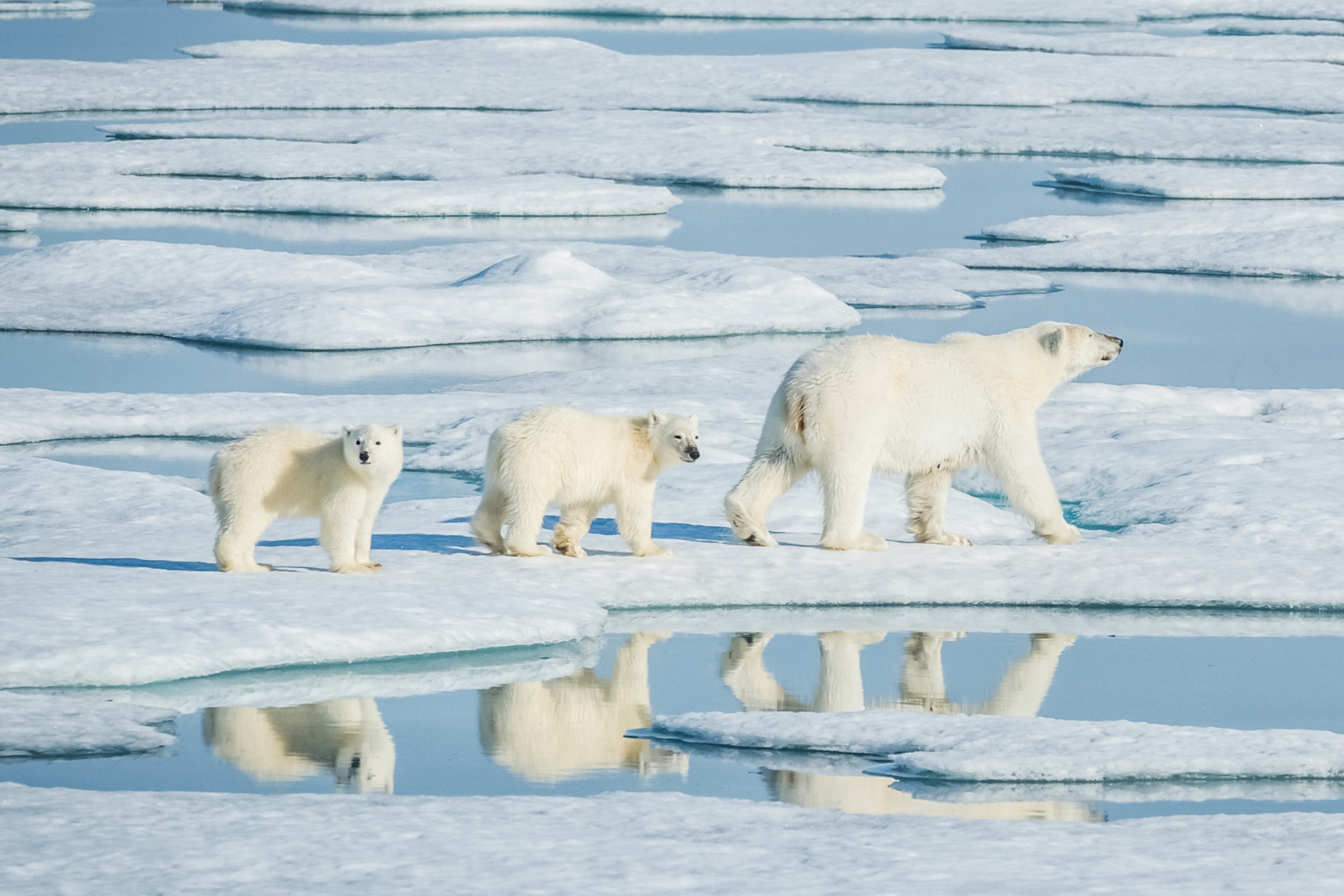
Polar Bear Facts That’ll Make You Say “Wow”
Hey there, wildlife enthusiasts! If you think you know everything about polar bears, think again. These magnificent Arctic creatures are so much more fascinating than just being adorable white giants.
Get ready to have your mind blown with some seriously cool polar bear facts that’ll make you the most interesting person at your next dinner party!
Mind-Blowing
Polar Bear Facts
Their Fur Isn’t Actually White
Each hair is transparent and hollow, only appearing white because it reflects visible light. Underneath? Their skin is jet black — absorbing heat from the sun. Nature’s clever design.
Polar Bears Are Marine Mammals
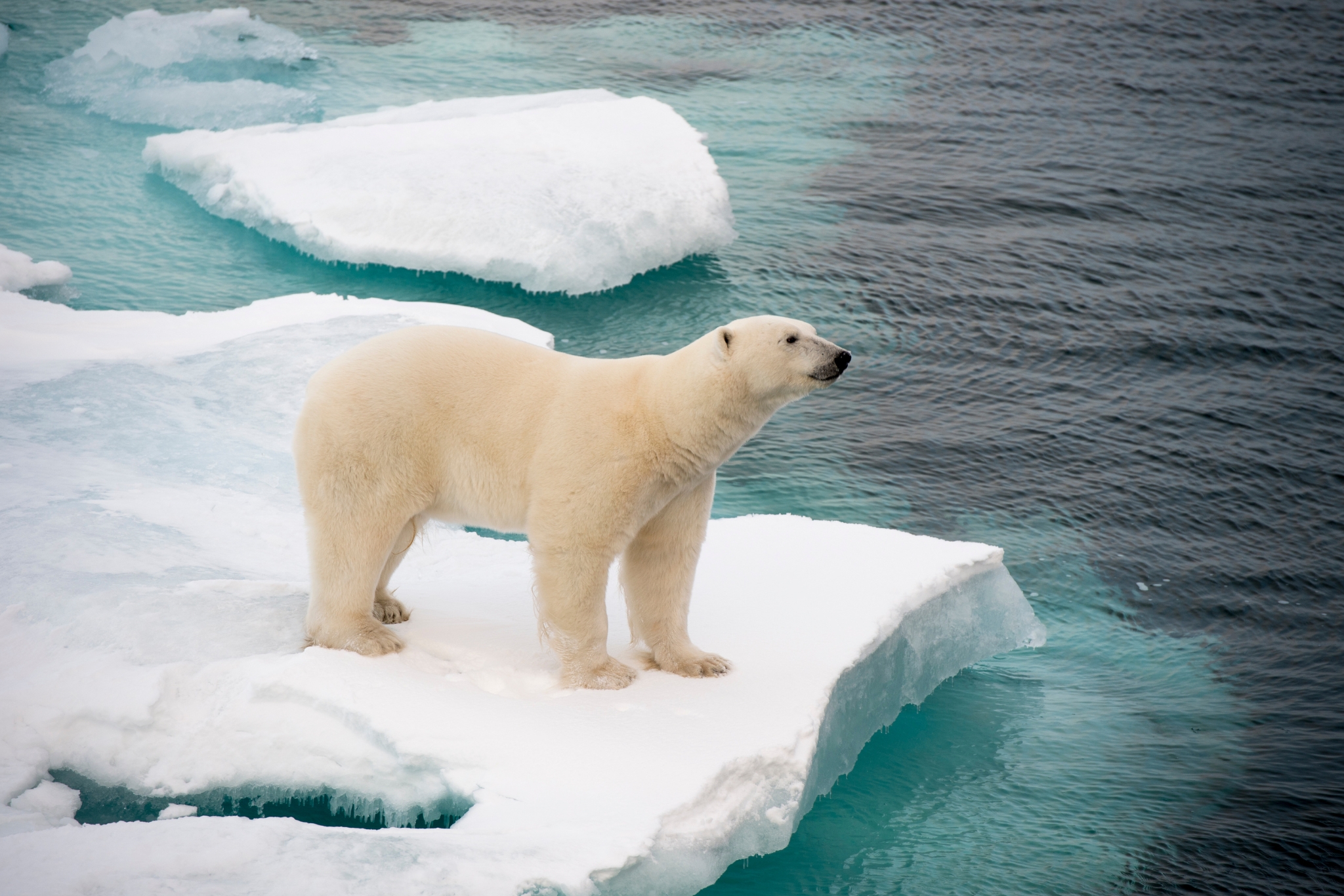
The Latin name Ursus maritimus means “sea bear.” These powerful swimmers can paddle at up to 6 mph and have been spotted hundreds of miles from shore, using their front paws as paddles and back legs as rudders.
They Can Smell Seals From a Mile Away
Polar bears can detect seals from up to one mile away — and can smell them beneath three feet of compacted snow. In a vast white landscape where visual hunting is nearly impossible, this superpower is everything.
Their Liver Is Toxic to Humans
A polar bear’s liver contains dangerously high levels of vitamin A — enough to cause hypervitaminosis A, leading to serious illness or death in humans. Indigenous Arctic peoples have known this for centuries.
The Largest Land Carnivores on Earth
Adult males typically weigh 900 to 1,600 lbs, with some recorded at over 2,200 lbs. Standing on their hind legs, they reach 10 feet tall. Move over, grizzlies.
Polar Bears Don’t Really Hibernate
Only pregnant females den up for extended periods — males and non-pregnant females remain active all winter, hunting across sea ice. And it isn’t true hibernation: body temperature and heart rate don’t drop significantly.
Their Paws Are Perfectly Designed
Nature thought of everything:
- Partially webbed toes for efficient swimming
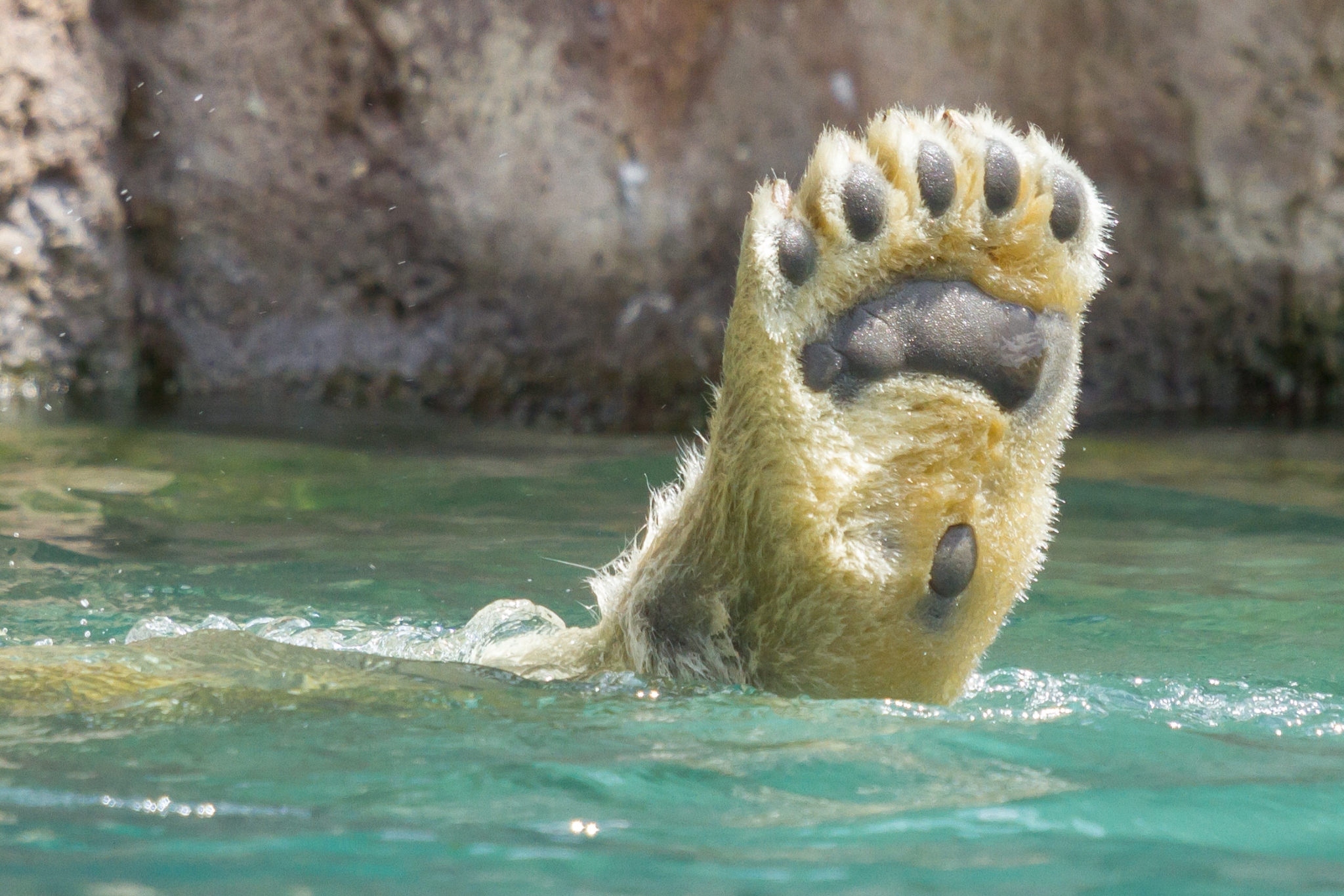
- Small papillae bumps on the sole — like built-in snow tires on ice
- Paws up to 12 inches wide, distributing weight across thin ice
Polar Bears Are Surprisingly Fast
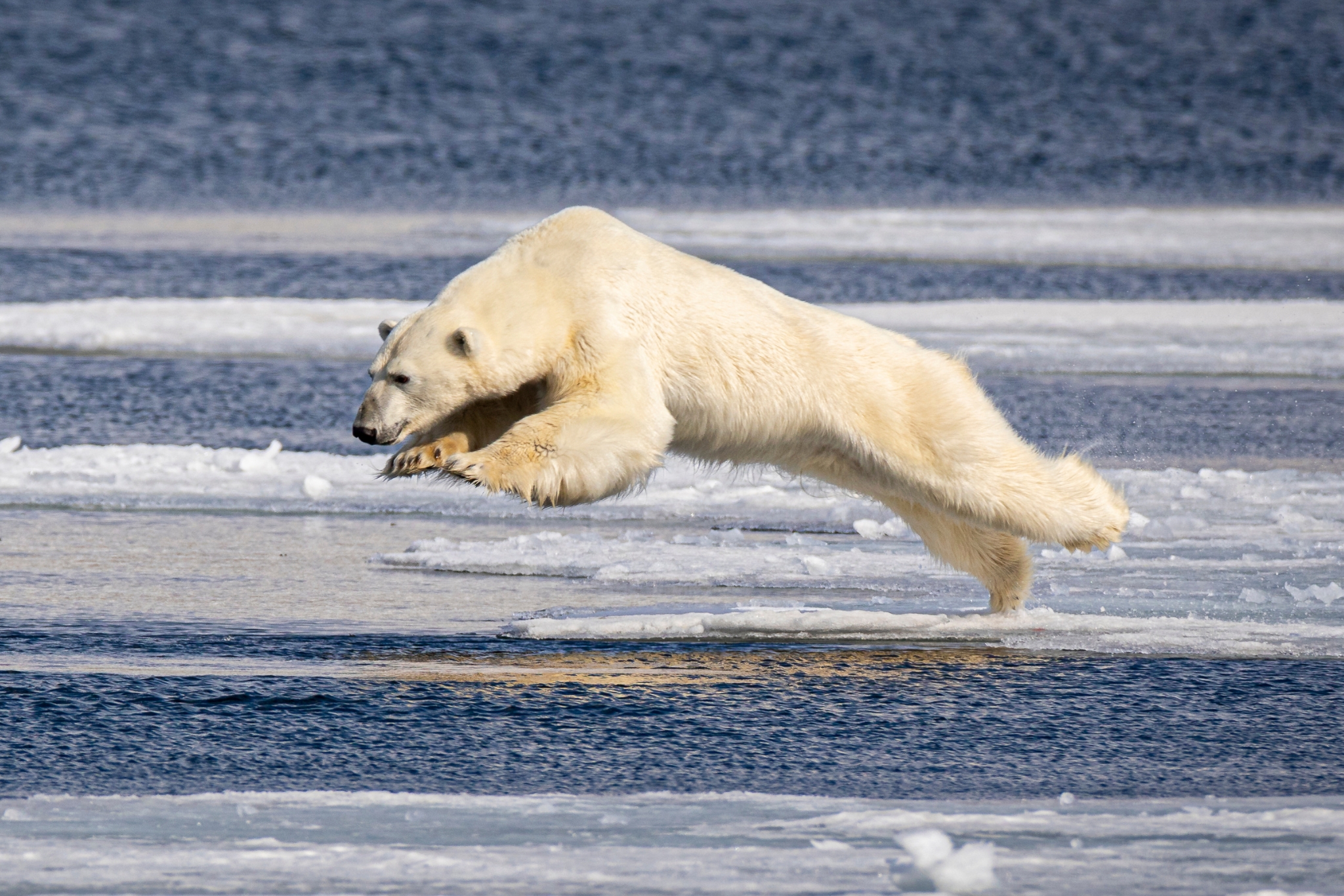
Don’t let the cuddly appearance fool you. On land they can run up to 25 mph in short bursts — faster than the average human sprint. Combined with their swimming ability, they’re formidable predators.
They Can Go Months Without Eating
When food is scarce, polar bears slow their metabolism and live off fat reserves for months. Some go up to eight months without substantial food. When they do catch a seal? They can consume 100 lbs of blubber in a single sitting.
Cubs Are Born Incredibly Tiny
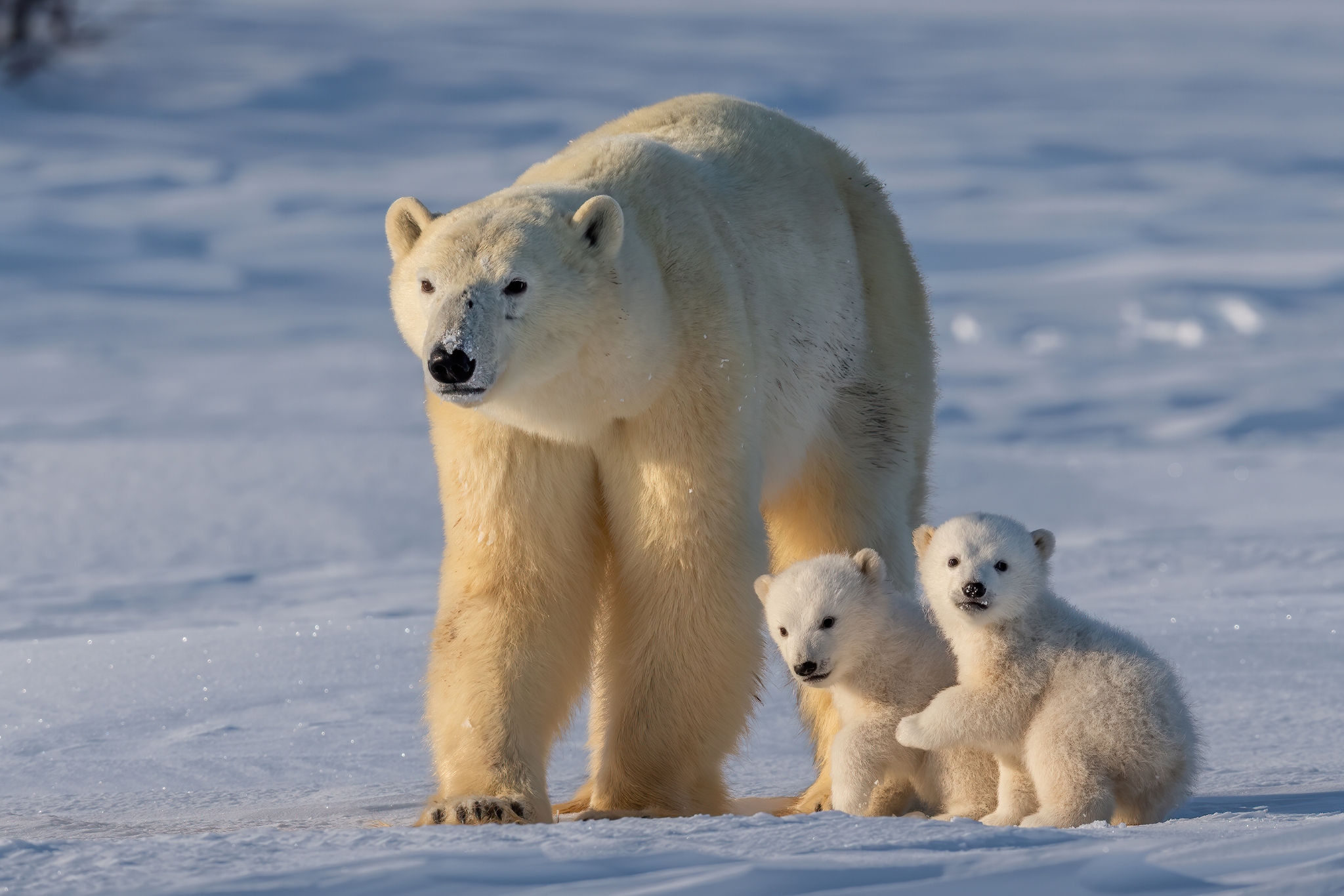
For such massive animals, cubs are born about the size of a guinea pig — just over one pound, blind and toothless. They nurse in the den for months before emerging at 20–30 lbs, ready to face the Arctic.
They Have an Extra Eyelid
A nictitating membrane — a third eyelid — sweeps across the eye from side to side, protecting against harsh Arctic winds and snow glare while keeping vision clear. Built-in snow goggles.
Polar Bears Can Overheat
Sounds impossible for an Arctic animal — but their thick fur and dense blubber insulate so well that running too hard for too long causes overheating. They move slowly by design, not laziness. Conservation of energy is survival.
Why Polar Bear Facts Matter
Understanding these amazing creatures isn’t just about satisfying curiosity – it’s about recognizing what we stand to lose. Polar bears face significant challenges from climate change, as melting sea ice reduces their hunting grounds and makes it harder to find food.
By learning about and appreciating these incredible animals, we’re better equipped to support conservation efforts that protect them.
Whether you’re a wildlife enthusiast, a trivia buff, or just someone who appreciates nature’s most impressive creatures, polar bears never fail to amaze. Now go forth and share these fun facts with everyone you know!