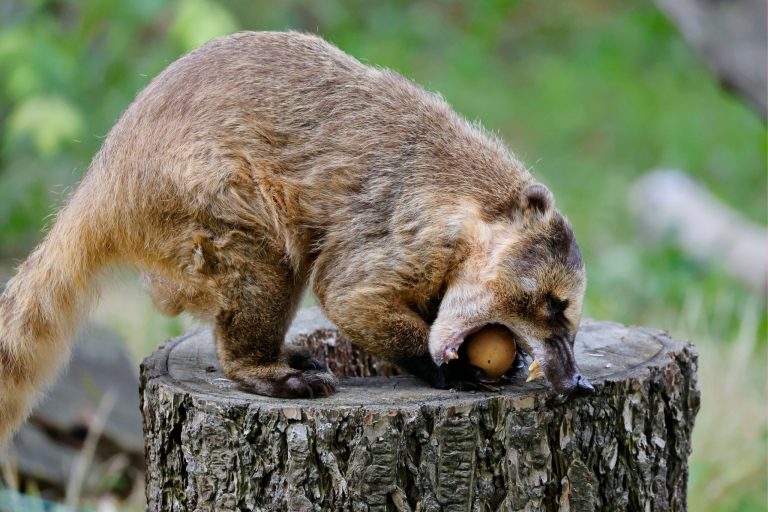
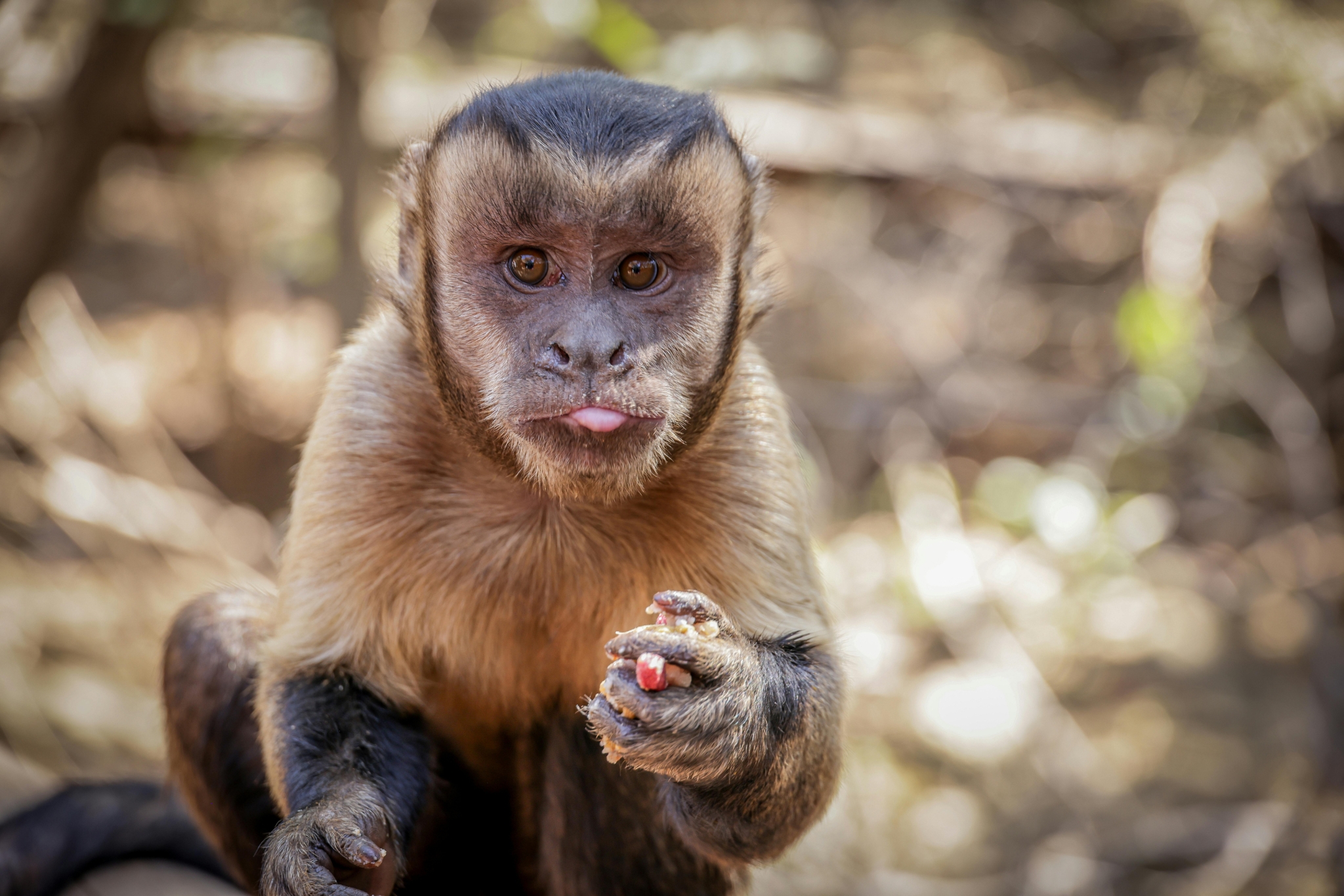
Pet Capuchin Lifespan Are You Ready for a 40 Year Commitment?
Pet capuchin monkeys can live 40 to 50 years — that’s a half century commitment! Learn about their lifespan, essential care factors, and whether ownership is right for you.
If capuchin monkeys have ever stolen your heart with their big eyes and clever personalities, you’re not alone.
But before anyone even thinks about bringing one home, there’s a crucial question to understand: How long do capuchin monkeys actually live?
Let’s break it down.
How Long Do Capuchin Monkeys Live?
When it comes to lifespan, capuchins tell two very different stories depending on where they live… in the wild vs. in captivity.
In the Wild
In their natural rainforest homes across Central and South America, capuchins typically live 15 to 25 years. Life out there is tough: predators, seasonal food shortages, competition, and environmental challenges all influence how long they survive.
In Captivity
Here’s where things get really eye-opening.
With stable food, shelter, veterinary care, and no predators, capuchins can live 35 to 40 years on average… and some even reach 45 to 50 years or more with exceptional care!
Yes, you read that right:
👉 Owning a capuchin is essentially a 50 year commitment.
The dramatic difference in lifespan between wild and captive capuchins comes down to several factors: consistent access to food, protection from predators, regular veterinary care, and a controlled environment free from the harsh elements of jungle life.
What This Means for Potential Pet Owners
Before you fall completely head over heels for that sweet baby capuchin face, it’s time for some real talk about what a decades long lifespan truly means.
It’s a Lifelong Commitment (Literally!)
Picture your life 30, 40, even 50 years from now.
Will you still be able to meet the daily demands of caring for a highly intelligent and high maintenance primate?
Many people bring home capuchins in their 20s or 30s, which means their monkey may outlive them… or outlive their ability to provide proper care. Yes, estate planning becomes a real part of responsible capuchin ownership when you’re talking about a pet that can live half a century.
A Serious Long Term Financial Investment
A long lifespan also means decades of consistent expenses, including:
- Specialized, nutrient balanced diets
- Regular veterinary check-ups, vaccinations, and care
- Lots of enrichment items (these smart cookies get bored easily!)
- Safe, species appropriate housing, with regular maintenance and upgrades over time
- Emergency medical care when things go sideways
Those costs quickly add up over 40+ years, which is why long term financial planning isn’t optional… it’s absolutely essential.
Factors That Influence Pet Capuchin Lifespan in Captivity
If you want your pet capuchin to live their longest, happiest, healthiest life, there are a few major factors that make all the difference:
1. Diet and Nutrition
Capuchins are omnivores with surprisingly complex diets – think fruits, nuts, seeds, insects, and the occasional small vertebrate.
In captivity, it’s important to provide a balanced diet that mirrors what they’d eat in the wild. Most experts recommend a high quality commercial primate diet paired with plenty of fresh produce and appropriate protein sources.
Get the balance wrong, and the consequences can be serious:
- Too much food = obesity and other problems
- Too little or poorly balanced food = nutritional deficiencies
Dialing in the right diet is absolutely essential for long term health and longevity.
2. Healthcare and Veterinary Attention
Capuchins can catch many of the same illnesses humans do, so routine vet care isn’t optional – it’s vital. They need regular checkups, vaccinations, and preventative screenings.
The catch? You must have access to an experienced exotic animal veterinarian, ideally one familiar with primates. And those specialists aren’t available everywhere.
Consistent healthcare and early detection of issues can dramatically extend a pet capuchin’s lifespan and improve their quality of life.
3. Mental Stimulation and Enrichment
Capuchins are considered the most intelligent New World monkeys… and that big brain needs constant enrichment. Without it, they can become depressed, anxious, destructive, or aggressive.
In the wild, capuchins spend their days foraging, socializing, problem solving, and exploring. Recreating this level of engagement in captivity requires serious dedication, creativity, commitment, and a whole lot of ongoing effort.
4. Social Needs
Capuchins are extremely social. In nature, they live in lively troops of 10 to 35 members. A capuchin kept alone can develop loneliness, anxiety, and psychological distress, all of which can shorten their lifespan.
Many experts recommend keeping them in pairs or small groups… but that also multiplies the care, cost, and complexity of ownership.
Should You Actually Get a Pet Capuchin? Reality Check
Okay, let’s get real for a moment. Yes, capuchins are unbelievably cute, clever, and full of personality… but the reality of owning one is far more intense than most people imagine.
Legal Considerations
First things first: laws matter.
Many U.S. states ban pet monkeys entirely, while others require strict permits, licenses, or inspections. Only a small handful allow pet capuchins without any special paperwork – and regulations change all the time.
Before you even think about bringing a capuchin home, you must research your state, county, and city laws thoroughly.
Behavioral Changes
Here’s something many potential owners don’t realize: a capuchin’s personality can change significantly once they reach sexual maturity.
They often become more territorial, demanding, unpredictable, and sometimes aggressive. Managing an adult capuchin requires an enormous amount of expertise, time, training, enrichment, and behavioral understanding – far more than the average person can provide.
These primates are brilliant, energetic, and constantly testing boundaries. Socializing and raising a well-adjusted capuchin takes years of consistent, skilled effort.
Why Experts Say “Just Don’t”
Most animal experts strongly advise against keeping monkeys as pets, and here’s why:
- They retain powerful wild instincts – they are not domesticated animals.
- Their care needs are specialized, intensive, and extremely difficult to meet in the average home environment.
- They can transmit diseases to humans, and humans can transmit illnesses to them.
- They require rich, complex social lives with other capuchins… not just human companionship.
- They can become unpredictable or aggressive, especially after maturity.
- Their intelligence works against casual owners – they can open locks, escape enclosures, dismantle items, and outsmart safety measures.
Think of capuchins as the extreme primate equivalent of a working line Belgian Malinois: incredibly smart, high energy, demanding, and only suitable for extremely experienced caregivers. They are not the primate version of a golden retriever that fits into the average household.
Better Alternatives for Primate Lovers
If you adore capuchins but the realities of ownership feel overwhelming (and honestly, they should), there are plenty of amazing ways to appreciate these primates without bringing one home:
- Volunteer at a wildlife sanctuary or zoo where you can learn from professionals and safely interact with primates.
- Support capuchin conservation projects that protect wild populations and their habitats.
- Join educational programs or behind the scenes tours at reputable facilities.
- Dive into documentaries, books, and research to better understand their behavior, intelligence, and ecology.
These options let you enjoy capuchins without the decades long, highly specialized commitment they require.
The Bottom Line on Capuchin Monkeys
Capuchin monkeys can live an incredibly long time in captivity… we’re talking 35 to 50+ years. Their longevity shows how well they can thrive with the right care – but it also highlights just how serious and long term this responsibility truly is.
These aren’t puppies that’ll be with you for 10 to 15 years. These are long lived, highly intelligent primates who demand constant enrichment, expert care, and significant resources for potentially half a century. That’s longer than many marriages, mortgages, and careers!
If you’re seriously considering capuchin ownership, ask yourself:
- Am I truly prepared for a 40 to 50 year commitment?
- Can I meet their complex social, emotional, dietary, and environmental needs?
- Do I have access to an experienced exotic animal veterinarian?
- Do I have the space, time, financial stability, and schedule flexibility needed for a pet capuchin?
For most people, the honest answer points toward admiring these amazing primates from a respectful distance – whether in the wild, at accredited sanctuaries, or through educational content.
And honestly? That’s usually the best choice for both humans and capuchins.
Safe & Toxic Plants for Pet Monkeys
What to Grow and What to Avoid
Not all plants are safe around primates. Discover which plants you can safely include in your monkey’s enclosure for enrichment, which ones to use with caution, and which are dangerously toxic.