Turn Your Passion Into Your Profession 15 Best Careers for Animal Lovers
Discover 15 of the best careers for animal lovers — complete with salary ranges, education requirements, and expert insider tips. It’s time to turn your passion into a paycheck and land the dream job you actually love.
If you’re the type of person who lights up around furry friends, feathered companions, or scaly creatures, you’ve probably dreamed about turning that passion into a into a career.
The good news? There are plenty of rewarding jobs for animal lovers that let you work with animals every day.
Whether you’re exploring career options for the first time or thinking about a change, this article will walk you through some of the best animal related careers available.
Why Choose an Animal Related Career?
Working with animals is more than just a job… it’s deeply fulfilling.
Animal focused careers give you the chance to make a meaningful difference in the lives of creatures who can’t speak for themselves.
Research also shows that working with animals can reduce stress, increase job satisfaction, and provide a strong sense of purpose – something many people struggle to find in traditional career paths.
Top Careers for Animal Lovers
1. Veterinarian
What You’ll Do: Veterinarians diagnose and treat sick and injured animals, perform surgeries, prescribe medications, and provide preventive care. You might work with household pets, farm animals, exotic species, or even wildlife.
Education Required: Doctor of Veterinary Medicine (DVM) degree, which typically takes 4 years after completing a bachelor’s degree. You’ll also need to pass licensing exams.
Average Salary: $100,000 to $120,000+ per year
Best For: Those who love science, have excellent problem solving skills, and are comfortable making difficult medical decisions.
2. Veterinary Technician
What You’ll Do: Vet techs are the nurses of the animal world. You’ll assist veterinarians during exams and surgeries, take X-rays, collect lab samples, administer medications, and provide hands-on care to animals.
Education Required: Each US state has its own requirements, but an Associate’s degree in veterinary technology (2 years) and state certification is typically required
Average Salary: $35,000 – $45,000+ per year
Best For: Animal lovers who want hands-on patient care without the extensive education required for veterinary school.
3. Wildlife Biologist
What You’ll Do: Study animals in their natural habitats, conduct research on wildlife populations, track migration patterns, and work on conservation efforts to protect endangered species.
Education Required: Bachelor’s degree in biology, zoology, or wildlife science (minimum); many positions require a master’s or Ph.D.
Average Salary: $60,000 to $70,000+ per year
Best For: Outdoor enthusiasts who love research, data analysis, and making a difference in conservation.
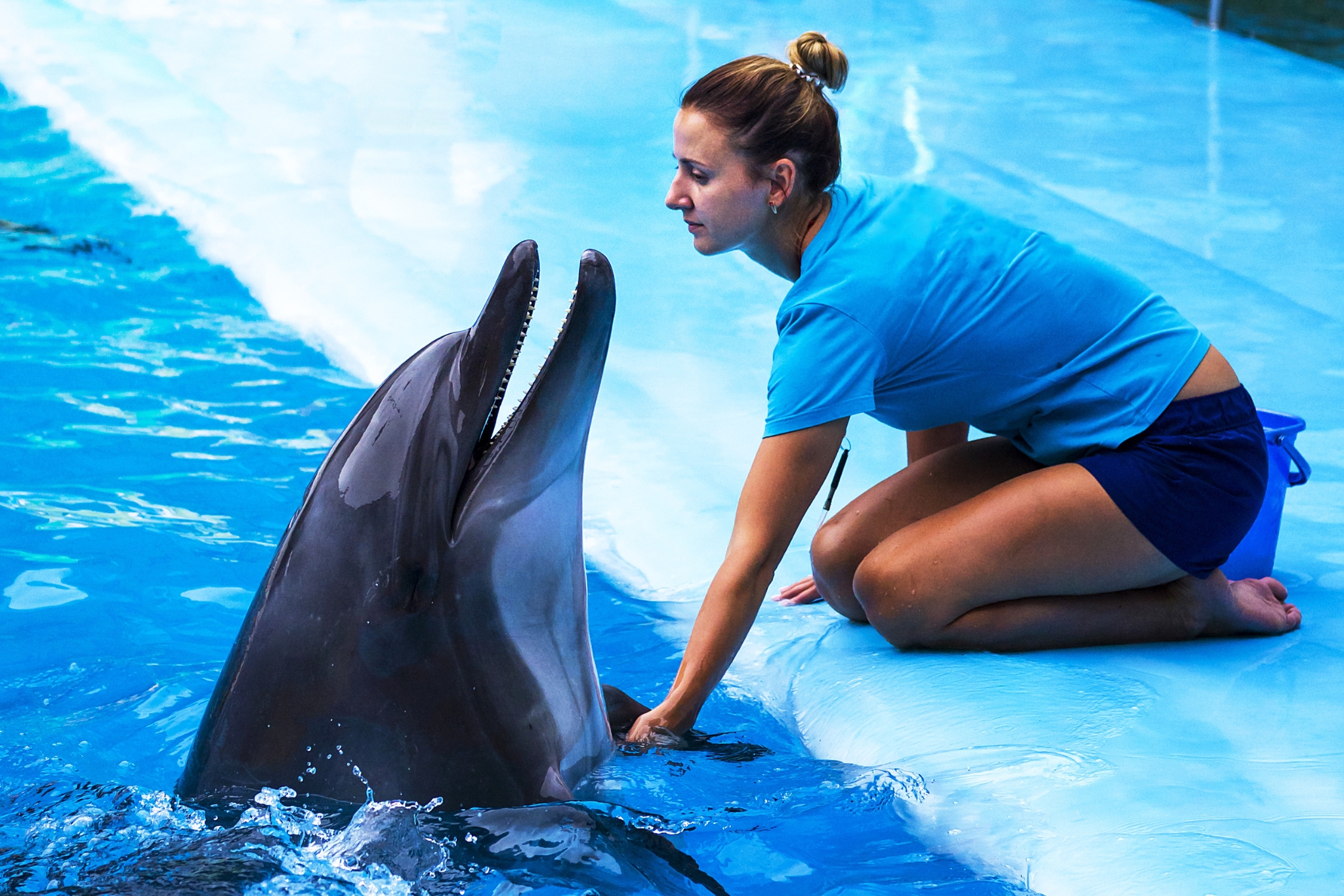
4. Animal Behaviorist or Trainer
What You’ll Do: Work with animals to modify problematic behaviors, train service animals, prepare animals for film or performance, or help pets adjust to new environments. You might specialize in dogs, horses, marine mammals, or exotic animals.
Education Required: Varies widely – from certification programs to master’s degrees in animal behavior or psychology
Average Salary: $35,000 to $75,000+ per year
Best For: Patient, observant individuals who love understanding the psychology behind animal behavior.
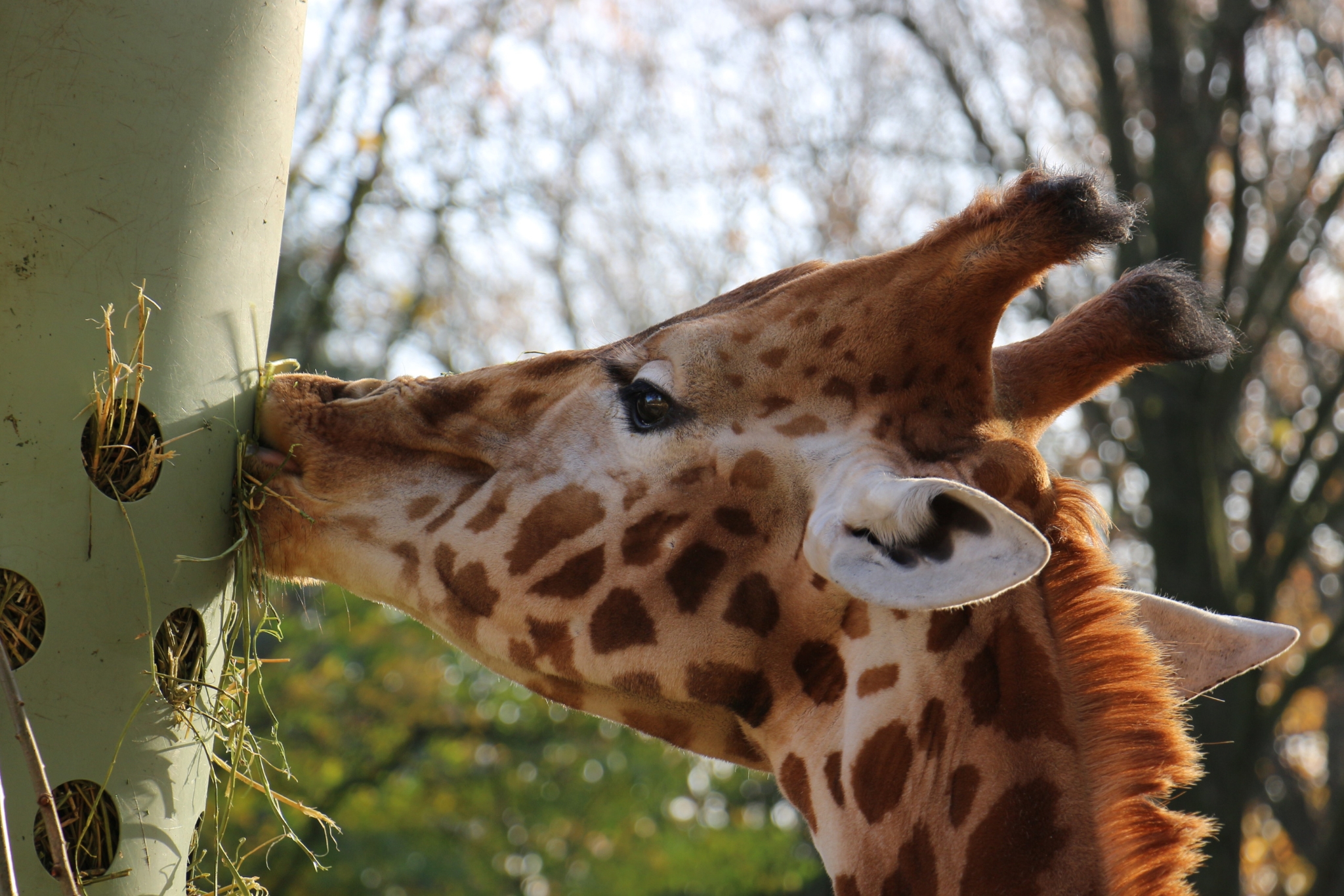
5. Zookeeper
What You’ll Do: Care for animals in zoos and aquariums by preparing food, cleaning habitats, monitoring health, enriching environments, and educating visitors about conservation.
Education Required: Bachelor’s degree in biology, zoology, or a related field is typically preferred
Average Salary: $30,000 to $40,000+ per year
Best For: People who don’t mind physical labor and want to work with exotic species while educating the public.
6. Marine Biologist
What You’ll Do: Study ocean ecosystems, marine life, and underwater environments. You might research coral reefs, track whale migrations, study fish populations, or work on ocean conservation projects.
Education Required: Bachelor’s degree minimum; graduate degrees open more opportunities
Average Salary: $50,000 to $80,000+ per year
Best For: Ocean lovers who enjoy diving, research, and protecting marine ecosystems.
7. Pet Groomer
What You’ll Do: Bathe, trim, and style pets (primarily dogs and cats), maintain their hygiene, check for health issues, and make animals look and feel their best.
Education Required: Vocational training or apprenticeship (often 6 months to 1 year)
Average Salary: $30,000 to $50,000+ per year (experienced groomers can earn significantly more)
Best For: Creative individuals with steady hands and patience who love making pets look fabulous.
8. Animal Control Officer
What You’ll Do: Respond to calls about stray, injured, or dangerous animals, enforce animal welfare laws, investigate cases of abuse or neglect, and work to reunite lost pets with owners.
Education Required: High school diploma minimum; some agencies prefer a bachelor’s degree
Average Salary: $35,000 to $50,000+ per year
Best For: Problem solvers with strong communication skills who want to protect both animals and the community.
9. Pet Photographer
What You’ll Do: Capture beautiful images of pets for owners, create pet portraits, photograph animals for adoption agencies, or work with animal related businesses.
Education Required: No formal education required, but photography skills and business acumen are essential
Average Salary: $30,000 to $60,000+ per year (highly variable)
Best For: Creative professionals with photography skills and patience to work with unpredictable subjects.
10. Equine Careers: Farrier, Riding Instructor, Equine Therapist, Etc.
What You’ll Do: Work specifically with horses – shoeing them, teaching riding lessons, using horses for therapeutic purposes, training horses, or managing equine facilities.
Education Required: Varies by specialty – from apprenticeships to degrees in equine science
Average Salary: $30,000 to $70,000+ per year
Best For: Horse enthusiasts who want to combine their love of equines with a stable career.
11. Animal Shelter Manager or Worker
What You’ll Do: Care for homeless animals, coordinate adoptions, manage volunteers, handle intake and medical care, and work on community outreach programs.
Education Required: High school diploma for entry level positions; management roles often require a degree
Average Salary: $25,000 to $60,000+ per year (depending on position)
Best For: Compassionate individuals who want to help animals find forever homes.
12. Pet Sitter or Dog Walker
What You’ll Do: Provide care for pets while owners are away or at work, including feeding, exercising, administering medications, and providing companionship.
Education Required: None required, but certifications help
Average Salary: $20,000 to $40,000+ per year (more if you build a robust client base)
Best For: Flexible and reliable individuals who want to set their own schedules and work independently.
13. Conservation Officer or Game Warden
What You’ll Do: Enforce wildlife protection laws, patrol natural areas, investigate poaching cases, educate the public about conservation, and manage wildlife populations.
Education Required: Bachelor’s degree in wildlife management or related field
Average Salary: $45,000 to $65,000+ per year
Best For: Outdoorsy individuals who want to combine law enforcement with wildlife protection.
14. Animal Nutritionist
What You’ll Do: Develop specialized diets for animals, work with pet food companies, advise zoos and farms on feeding programs, or consult with pet owners about optimal nutrition.
Education Required: Bachelor’s degree in animal science or nutrition; advanced degrees for specialized roles
Average Salary: $50,000 to $70,000+ per year
Best For: Science minded individuals interested in the intersection of nutrition and animal health.
15. Animal Physical Therapist or Rehabilitation Specialist
What You’ll Do: Help animals recover from injuries or surgeries through therapeutic exercises, hydrotherapy, massage, and other rehabilitation techniques.
Education Required: Varies – often requires veterinary technician certification plus additional rehabilitation certification
Average Salary: $40,000 to $60,000+ per year
Best For: Patient, detail oriented individuals who love helping animals heal.
How to Choose the Right Animal Career for You
Picking the perfect animal career comes down to a few key considerations.
- Start with education and training. Think about your current education level and how much additional schooling you’re willing to pursue. Some careers (like becoming a veterinarian) require years of education, while others (such as pet sitting or animal care roles) have much lower barriers to entry.
- Consider your ideal work environment. Would you rather work indoors in a clinic, outdoors in nature, or split your time between the two? Also think about the animals you’re most drawn to, whether that’s domestic pets, wildlife, farm animals, or marine life.
- Factor in your personality and strengths. Some animal careers involve emotional challenges, such as caring for sick or injured animals, while others are physically demanding. Consider whether you prefer working independently or as part of a team.
- Be realistic about income expectations. Many animal careers are fueled by passion rather than high salaries. Make sure your chosen path can realistically support your lifestyle and long term goals.
By weighing these factors carefully, you’ll be better equipped to choose an animal career that’s both fulfilling and sustainable.
Getting Started in Animal Careers
Ready to pursue your dream of working with animals? Here are some practical steps to help you get started:
- Volunteer: Gain hands-on experience at animal shelters, wildlife rehabilitation centers, veterinary clinics, wildlife sanctuaries, or animal rescues. Volunteering helps you build skills and discover which animal career best fits your interests.
- Get Educated: Research the education or training requirements for your chosen path and start planning accordingly. Look for scholarships and grants designed specifically for animal related fields.
- Network: Join professional organizations, attend industry events or conferences, and connect with people already working in your field of interest. The animal community is often welcoming and eager to share advice.
- Gain Diverse Experience: If you’re unsure which direction to pursue, work with different species and settings. Exposure to a variety of roles can help you find your niche.
- Consider Certifications: Even when formal education isn’t required, certifications can boost your credibility and show your commitment to professional growth.
Taking these steps will set a strong foundation for a rewarding career working with animals.
The Reality of Working with Animals
Working with animals can be incredibly rewarding, but it’s important to have realistic expectations.
Many animal related careers involve physical labor, irregular hours, and emotionally challenging situations, and pay in some fields may be lower than comparable roles in other industries.
You may face difficult moments – caring for sick or injured animals, working with limited resources, or making tough decisions.
Still, for true animal lovers, the rewards often outweigh the challenges. Few experiences compare to helping an animal recover, reuniting a lost pet with its family, or contributing to conservation and welfare efforts.
Ready to Make Your Animal Career Dreams a Reality?
The world needs passionate, dedicated people who care deeply about animal welfare.
Whether you dream of performing surgery on pets, studying dolphins in the wild, or simply spending your days grooming and caring for animals, there’s a career path that fits your interests and skills.
The most fulfilling animal careers align with your values, utilize your strengths, and bring you genuine fulfillment. Explore different options, gain diverse hands-on experiences, don’t be afraid to follow your passion.
Your perfect animal career is out there waiting for you – and the animals who will benefit from your care are counting on it.