Best Places in the World to See Elephants (The Ethical Way)
Your ultimate guide to responsible elephant encounters that put conservation first — and make for the most unforgettable travel stories of your life.
- Why Ethical Elephant Tourism Matters
- Amboseli National Park, Kenya — The Gold Standard Safari Experience
- Chobe National Park, Botswana — Where the Herds Are Simply Staggering
- Elephant Nature Park, Chiang Mai, Thailand — The Sanctuary That Changed the Game
- Udawalawe National Park, Sri Lanka — Underrated and Utterly Spectacular
- Hwange National Park, Zimbabwe — Africa’s Hidden Treasure
- Minneriya National Park, Sri Lanka — The Gathering
- Kaziranga National Park, India — Indian Giants in Jungle Wilderness
- How to Spot an Ethical Elephant Experience: Your Quick Checklist
- The Bigger Picture: Traveling With Intention
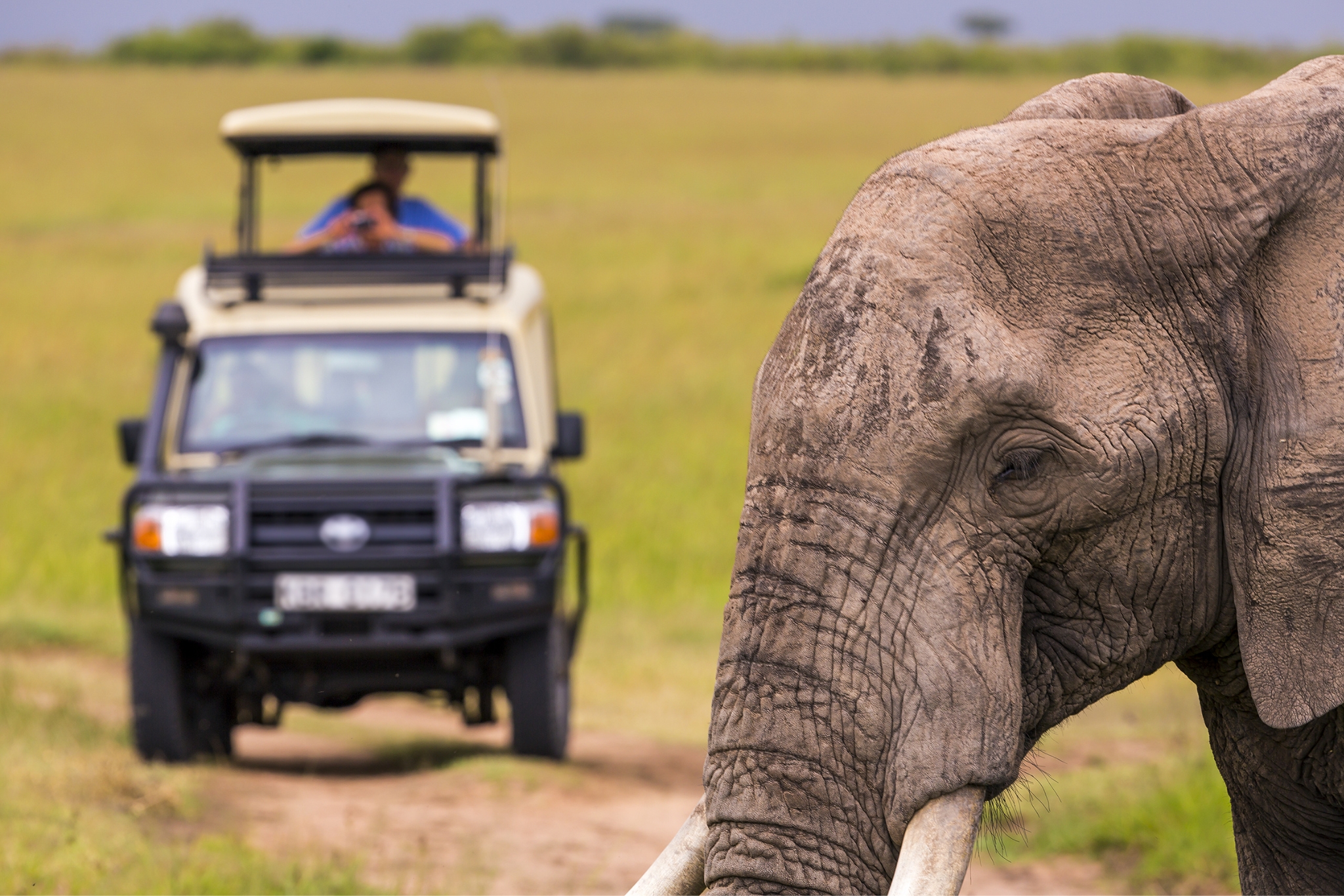
If spotting an elephant in the wild is on your travel bucket list, you’re definitely not alone. These incredible animals have fascinated travelers, wildlife lovers, and adventurers for generations—and seeing one in its natural habitat is an experience you’ll never forget.
Fortunately, the most meaningful elephant experiences are also the most ethical. Instead of rides or staged performances, you’ll have the chance to watch elephants roam freely, splash through rivers, care for their young, and interact with their herds—just as they would in the wild.
Experiencing elephants this way is truly more authentic and an unforgettable way to see these incredible animals up close.
Whether you’re planning the safari of a lifetime or dreaming about your next adventure, here’s your guide to some of the world’s most breathtaking places to see elephants—responsibly.
Why Ethical Elephant Tourism Matters
Before diving into the destinations, it’s worth talking about why choosing an ethical elephant experience matters—because your choices can have a real impact on elephant conservation.
Wild elephant populations have declined significantly due to habitat loss, poaching, and the illegal ivory trade. Today, the Asian elephant is listed as Endangered, while the African forest elephant is classified as Critically Endangered by the IUCN.
While elephants continue to face serious challenges in the wild, there’s some reason to be hopeful. Responsible tourism can play an important role in protecting these incredible animals.
By visiting ethical parks and reserves, you’re helping support conservation efforts, empower local communities, and create a future where elephants are valued for living freely in their natural habitats—not for entertaining visitors.
As you plan your trip, keep one simple rule in mind: observe, don’t interfere.
The most rewarding elephant encounters happen when these incredible animals are free to roam, socialize, forage, and live naturally—without rides, performances, or forced interactions.
That’s the kind of experience you’ll remember long after your trip is over.
With that in mind, here are some of the best places in the world to see elephants living wild and free:
Amboseli National Park The Gold Standard Safari Experience
Amboseli
National
Park
Where the herd meets
the mountain
Wild African elephant herds against the iconic backdrop of Mount Kilimanjaro
If you’ve ever seen a postcard-perfect image of an elephant silhouetted against Africa’s most famous peak, it was almost certainly taken in Amboseli. This Kenyan gem is home to some of the most studied and best-protected elephant populations on the continent, thanks in large part to the Amboseli Elephant Research Project — the longest-running elephant study in the world, running since 1972.
Amboseli’s elephants are remarkably relaxed around game vehicles — not because they’re habituated in a harmful way, but because decades of protection have created genuine coexistence. You’ll witness everything from matriarchs leading their herds to water sources to young calves testing the patience of their aunties.
Kenya has some of Africa’s strongest anti-poaching laws, and park fees directly fund conservation. Book with a lodge that is a member of the Long Run Worldwide network or holds Eco-Rating accreditation.
Chobe National Park Where the Herds Are Simply Staggering
Chobe
National
Park
Where the river belongs
to the elephants
Sheer elephant numbers and river safari experiences
Botswana is arguably the elephant capital of the world, with an estimated 130,000 African elephants — the largest population on the planet. Chobe National Park, in the country’s northern corner, is where this abundance becomes almost overwhelming in the best possible way. It’s not unusual to see herds of 50, 100, even several hundred elephants converging on the Chobe River at sunset. Watching them swim, play, and rumble in the fading golden light is the kind of experience that rearranges your priorities.
Botswana has deliberately pursued a high-value, low-volume tourism model, which means fewer tourists, higher standards, and far less environmental pressure than other destinations. Game drives are conducted by knowledgeable guides in small groups, and river cruises offer a uniquely intimate vantage point as elephants wade right past your boat.
Botswana banned trophy hunting of elephants in 2014 (with some controversial recent reversals, so it’s worth checking current policy), and the country’s conservation record is genuinely world-class. Look for lodges affiliated with Wilderness Safaris or &Beyond, both of which invest heavily in community conservation.
Elephant Nature Park The Sanctuary That Changed the Game
Elephant
Nature
Park
The sanctuary that
changed everything
Close encounters with rescued Asian elephants in a genuine sanctuary setting
Let’s be clear: seeing Asian elephants in Thailand requires considerably more due diligence than African safari experiences, because the exploitation of captive elephants in Thai tourism has been widespread and well-documented. But Elephant Nature Park, founded by the remarkable Lek Chailert, is genuinely the gold standard.
The park rescues elephants from logging operations, street begging, and abusive tourist camps, providing lifetime care in a setting where the animals can roam, socialize, and rehabilitate on their own terms. Visitors observe, feed, and walk alongside elephants — but there is no riding, no chains, no bullhooks, and no performances. What you get instead is real elephant behavior: watching a rescued elephant reunite with an old herd companion, or witnessing the extraordinary bond between a blind elephant and her devoted caretaker. It is, without question, more moving than any forced show could ever be.
Elephant Nature Park is a registered nonprofit. Your visit fee directly funds rescue operations, veterinary care, and community programs. Lek has been recognized by Time magazine as one of Asia’s Heroes for her conservation work.
Udawalawe National Park Underrated and Utterly Spectacular
Udawalawe
National
Park
Asia’s best-kept
elephant secret
Wild Asian elephant herds with an off-the-beaten-path atmosphere
Sri Lanka doesn’t always make the top of the elephant tourism conversation, and that’s a genuine shame — because Udawalawe offers some of the most reliable wild elephant viewing in all of Asia. The park is home to around 500 wild elephants who are frequently spotted in open grasslands, making photography and observation particularly excellent. Unlike the dense jungle environments of some other Asian parks, Udawalawe’s landscape means you can actually see what the elephants are doing.
The Elephant Transit Home, run by the Sri Lanka Wildlife Conservation Society, is adjacent to the park and rehabilitates orphaned elephant calves with the goal of releasing them back into the wild — a beautiful, rigorous program that has successfully returned dozens of elephants to their natural habitat.
Udawalawe is 100% wild. There are no captive elephant interactions on offer here, which is exactly the point. Stick to reputable jeep safari operators who follow park speed limits and respectful distancing guidelines.
Hwange National Park Africa’s Hidden Treasure
Hwange
National
Park
Africa’s most rewarding
hidden safari
Intimate, uncrowded safari experiences with large elephant populations
Zimbabwe’s Hwange National Park is one of Africa’s great underrated destinations, partly because the country’s complicated political history has kept tourist numbers lower than in neighboring Botswana or Kenya. For conservation-minded travelers, that actually translates into a more exclusive, less commodified experience — and Hwange’s elephant population of approximately 45,000 is one of the largest in Africa.
The park’s network of waterholes, many of them artificially maintained during dry season, creates extraordinary wildlife viewing opportunities. You’ll often find yourself watching dozens of elephants at a single waterhole with no other vehicles in sight — a rarity in more saturated safari markets.
Several lodges in Hwange, including the legendary Somalisa Camp, work directly with conservation organizations and anti-poaching units. Zimbabwe is slowly rebuilding its conservation infrastructure, and responsible tourism dollars play a meaningful role.
Minneriya National Park The Gathering
Minneriya
National
Park
Three hundred elephants.
Simultaneously.
One of the greatest wildlife spectacles on Earth
During the dry season between August and October, Minneriya National Park hosts what is known simply as “The Gathering” — an annual congregation of Asian elephants around the ancient Minneriya tank (reservoir) that has been called one of Asia’s greatest wildlife spectacles. At peak season, it is possible to see upwards of 300 wild elephants in a single viewing session. Three hundred. Simultaneously.
The behavior on display during The Gathering is extraordinary: young males testing dominance, mothers nursing calves at the water’s edge, playful youngsters getting stuck in the mud. It is pure, unscripted, wild elephant life — and it’s the kind of thing that makes you put your camera down and just watch.
Minneriya is a national park with no captive elephant element whatsoever. Use a registered, licensed jeep safari operator and ensure your guide respects elephant space and doesn’t encourage vehicles to cut off herds.
Kaziranga National Park Indian Giants in Jungle Wilderness
Kaziranga
National
Park
Where elephants share
the wild with giants
Wild Asian elephants alongside India’s extraordinary biodiversity
India has an estimated 27,000 wild Asian elephants, many of them living in the forests of Kaziranga National Park in Assam. Kaziranga is better known as a stronghold for the Indian one-horned rhinoceros, but the park’s dense forests shelter significant elephant populations, and the experience of tracking them through tall elephant grass with a naturalist guide is genuinely thrilling.
It’s worth noting that India has a complex relationship with captive elephants — temple elephants, for example, are a deeply embedded cultural tradition. For the purposes of ethical wildlife tourism, focus exclusively on wild elephant encounters in national parks and steer clear of any commercial elephant riding offerings, which still exist in parts of the country.
Kaziranga is a UNESCO World Heritage Site with strong conservation infrastructure. Book through lodges that partner with the Wildlife Trust of India.
How to Spot an Ethical Elephant Experience
As ethical wildlife tourism has become more popular, many attractions have started calling themselves “sanctuaries”—even when their practices don’t put animal welfare first.
That’s why it’s important to know what truly makes an elephant experience ethical before you book.
Here’s what to look for—and what to avoid…
How to Spot an Ethical Elephant Experience
Not all sanctuaries are what they claim. Here’s what to look for — and what to walk away from.
- Elephants roam freely in large natural spaces
- Contact with humans is minimal and on the elephants’ terms
- No riding, no chains, no bullhooks
- The operation is transparent about funding and conservation outcomes
- Local communities benefit economically
- Riding is offered in any form
- Elephants are made to perform tricks, paint, or entertain
- Animals appear lethargic, thin, or repetitively swaying
- The space is small and overcrowded
- Staff use negative reinforcement tools
- How are your elephants sourced?
- What is your anti-poaching contribution?
- Are community members employed at living wages?
- What happens to animals that can no longer participate in tourism?
Traveling With Intention
At the end of the day, ethical elephant tourism is about making thoughtful choices.
It’s about choosing experiences that put the elephants’ well-being first, even if that means keeping your distance or skipping the perfect photo opportunity.
The most memorable moments aren’t staged—they’re the ones you can’t script. Watching elephants care for their calves, communicate with one another, forage, or simply move through their natural habitat offers a much deeper appreciation for these intelligent, social animals than any ride or performance ever could.
By supporting responsible operators, you’re helping protect elephants, their habitats, and the communities working to conserve them for future generations.
Now it’s time to start planning your adventure. The elephants are out there—and seeing them in the wild is an experience you’ll never forget.