Horse Pre-Purchase Exam What It Includes, What It Costs, and When You Need One
What is a horse PPE and do you really need one? Get the complete buyer’s guide to pre-purchase vet exams, costs, and what findings mean.
- What Is a Horse Pre-Purchase Vet Exam?
- Who Hires the Vet — and Who Pays?
- What Does a Standard Pre-Purchase Exam Include?
- Optional Add-Ons: When to Go Further
- How Long Does a Pre-Purchase Exam Take?
- How Much Does a Horse Pre-Purchase Exam Cost?
- When Do You Need a Pre-Purchase Exam?
- When Might You Skip a Pre-Purchase Exam?
- What Happens After the Exam?
- Your Most Valuable Tool
Buying a horse is exciting—but it’s also a major financial commitment. Whether it’s your first trail horse or a high-level sport horse, a pre-purchase veterinary examination (PPE) is a crucial step to protect both your investment and the horse’s welfare.
Despite its importance, some buyers skip the exam to save money or rely solely on intuition. A PPE provides a professional, unbiased assessment of a horse’s health, soundness, and suitability for your intended use. This guide covers what a pre-purchase exam involves, its limitations, and when scheduling one is the right choice for you.
What Is a Horse Pre-Purchase Vet Exam?
A horse pre-purchase exam—also called a PPE, vetting, or pre-buy exam—is a thorough evaluation conducted by a licensed equine veterinarian before you commit to a purchase. The purpose is to assess the horse’s health, uncover any existing issues, and determine if it is physically suited for your intended use.
Importantly, a PPE is not a pass/fail test. The veterinarian’s role is to provide objective, detailed information—not to tell you whether to buy the horse.
The results are context-dependent: a minor lameness might rule out an upper-level competition prospect but be irrelevant for a leisure trail horse. Essentially, a PPE equips you with the knowledge to make an informed decision based on your goals.
Who Hires the Vet — and Who Pays?
The buyer typically hires and pays for the pre-purchase veterinarian, which is a key point: the vet works for you, not the seller. Choosing your own veterinarian helps avoid conflicts of interest, since a seller’s regular vet may have existing ties or financial incentives.
If you are buying a horse remotely (which is increasingly common), you can hire a local equine vet in the horse’s area to conduct the exam on your behalf. Whenever possible, participate via video call so you can ask questions, see findings firsthand, and feel confident in the evaluation.
What Does a Standard Pre-Purchase Exam Include?
Pre-purchase exams can vary in scope depending on the buyer’s needs and budget, but most standard examinations include the following components:
1. Medical History Review
The vet will review the horse’s available medical records, including past illnesses, injuries, surgeries, medications, and vaccination and deworming history. This background context is essential for understanding current findings and assessing long-term soundness.
2. General Physical Examination
This is a head-to-tail assessment of the horse at rest. The vet will evaluate:
- Eyes, ears, and teeth
- Cardiovascular and respiratory systems (heart and lungs via stethoscope)
- Skin, coat, and body condition
- Musculature and conformation
- Lymph nodes and gastrointestinal sounds
- Reproductive organs if relevant
- Neurological status and behavior
3. Lameness and Musculoskeletal Evaluation
This is often the most detailed and telling component of the exam. The vet will observe the horse moving at a walk and trot on a straight line and circle, on both hard and soft surfaces. They will typically perform flexion tests on each limb—briefly holding a joint in a flexed position and then asking the horse to trot off—to detect subtle lameness or joint soreness that might not be obvious at rest.
4. Upper Respiratory Evaluation
The vet will listen to the horse’s breathing at rest and may ask for the horse to be exercised and then evaluated immediately after, or may use a rebreathing bag to assess respiratory function more thoroughly. This can help identify conditions like recurrent airway obstruction (heaves) or laryngeal hemiplegia (roaring).
5. Hoof and Lower Limb Examination
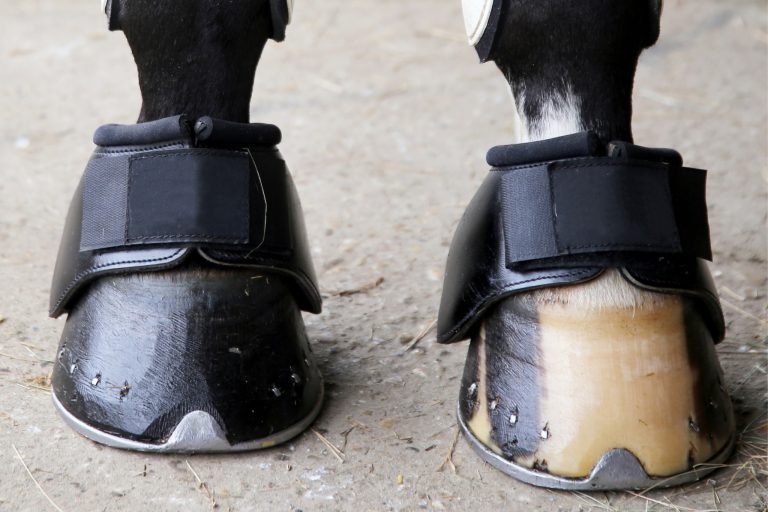
Hooves will be assessed for balance, conformation, and quality. The vet will hoof test to look for areas of sensitivity and examine the lower limbs for swellings, bony changes, or soft tissue abnormalities.
Optional Add-Ons: When to Go Further
A basic pre-purchase exam can be expanded significantly with additional diagnostics. Whether or not these are warranted depends on the horse’s intended use, purchase price, and any concerns raised during the initial examination.
Radiographs (X-Rays)
Radiographs are the most common add-on to a PPE. They allow the vet to visualize bony structures and identify changes such as arthritis, navicular disease, bone chips, developmental abnormalities, or old injuries. Common areas radiographed include the feet (navicular bones and coffin joints), hocks, stifles, and fetlocks. Radiographic findings must always be interpreted in context—some horses perform at the highest levels with changes that look alarming on an X-ray, while others with “clean” films may still go lame.
Ultrasound
Ultrasound is useful for evaluating soft tissue structures such as tendons and ligaments, which don’t show up on standard X-rays. If a horse has a history of tendon injury or if the vet palpates any abnormality in the soft tissues during the physical exam, ultrasound imaging can provide valuable detail about the extent and healing stage of any damage.
Blood Work
A basic blood panel can assess organ function, red and white blood cell counts, and metabolic health. A drug screen—testing for sedatives, pain medications, or corticosteroids—can also be run at the buyer’s request to ensure the horse has not been chemically altered to perform better or mask pain during the exam. Many buyers don’t think to ask for this, but it’s a worthwhile precaution, particularly when buying through a dealer or auction.
Endoscopy
A scope of the upper airway can diagnose conditions like laryngeal hemiplegia, soft palate displacement, or other abnormalities that affect breathing and performance. This is particularly relevant for horses intended for racing, eventing, or any discipline requiring sustained cardiovascular effort.
Reproductive Evaluation
For mares intended for breeding, a reproductive exam including rectal palpation, ultrasound, and uterine culture may be recommended. For stallions being purchased as breeding animals, a breeding soundness evaluation (BSE) is a distinct and specialized examination.
How Long Does a Pre-Purchase Exam Take?
A basic pre-purchase exam without additional diagnostics typically takes 1 to 2 hours. When radiographs, ultrasound, or other diagnostics are added, plan for 2 to 4 hours or more. The timeline can also depend on how cooperative the horse is, how many findings require further investigation, and how much time the vet takes to explain findings to you.
How Much Does a Horse Pre-Purchase Exam Cost?
The price of a PPE depends on location, the vet’s experience, and the thoroughness of the exam:
- Basic exam (no X-rays): $250 to $500+
- Standard radiographs included: $500 to $1,500+
- Comprehensive evaluation (full X-rays, ultrasound, scoping, bloodwork, drug testing): $2,000 to $3,500+
While this may seem costly, it is small compared to the potential price of buying a horse with an undetected issue. A $500 exam can prevent a $10,000+ veterinary or rehabilitation expense later.
When Do You Need a Pre-Purchase Exam?
The short answer: almost always—but here’s a more nuanced breakdown of when a PPE is especially important:
When the Horse Is an Expensive Investment
If you’re spending $5,000, $15,000, or $100,000 on a horse, the cost of a thorough PPE is a tiny fraction of your overall investment. The higher the purchase price, the more you have to lose by skipping it.
When the Horse Has an Unknown History
If you don’t know the horse’s medical background—its injury history, past medications, or prior use—a pre-purchase exam is essential. Without that context, you’re flying blind.
When the Horse Will Be Used for Competition
Sport horses are subjected to significant physical demands. If you’re buying a horse for jumping, dressage, eventing, barrel racing, endurance riding, or any other competitive discipline, knowing the state of their musculoskeletal system is critical. Subtle changes in joints or soft tissues that are insignificant for a trail horse can end a competitive career prematurely.
When You’re a First-Time Buyer
New horse owners are especially vulnerable to buying horses with hidden issues—not because sellers are always dishonest, but because inexperienced buyers don’t always know what to look for. A PPE provides a layer of professional protection and education.
When You’re Buying Remotely
Buying a horse you’ve never ridden or seen in person is increasingly common in today’s market, where high-quality horses are advertised nationally and internationally. When you can’t personally evaluate the horse in person, a thorough pre-purchase exam by a trusted vet is not optional—it’s mandatory.
When the Horse Will Be Insured
Many equine insurance companies require a pre-purchase examination—particularly with radiographs—before they will issue a mortality or major medical policy. If you plan to insure your horse (which is another smart financial decision for a significant purchase), get the PPE done before finalizing the sale.
When Might You Skip a Pre-Purchase Exam?
There are very limited scenarios where skipping a PPE might be a reasonable decision:
- Very low-cost horses — If you’re acquiring a companion animal or a horse of minimal monetary value, the cost of a full PPE may not be proportionate to the risk.
- Horses being taken on as rescues or donations — If cost is not a factor in the decision and you’re prepared for any outcome, a full exam may be less critical (though a basic health check is still recommended).
- Horses you know extremely well — If you’ve been working with, caring for, or leasing a horse for a significant period of time and you and your vet have a thorough understanding of its health history, you may have enough information already.
Even in these cases, a basic veterinary health check is still a worthwhile step.
What Happens After the Exam?
After the exam is complete, the veterinarian will walk you through their findings in detail. They should explain what they observed, what it means, what the potential implications are for your intended use, and whether the findings are typical or unusual for a horse of that age and background.
Based on the findings, you have several options:
- Proceed with the purchase if findings are minimal or acceptable for your needs
- Negotiate the price based on findings that add risk or may require future veterinary management
- Request additional diagnostics before making a final decision
- Walk away if findings are significant enough to make the horse unsuitable for your intended purpose
A professional vet provides objective information, leaving the ultimate decision in your hands.
Your Most Valuable Tool
A horse pre-purchase exam is one of the smartest investments any buyer can make. While it cannot guarantee a problem-free future, it provides the clearest snapshot of the horse’s health at the time of sale.
In a fast-moving market where past issues may not be fully disclosed, a thorough PPE protects you from costly and heartbreaking mistakes. Whether it’s your first horse or your fifteenth, hiring a qualified equine veterinarian before finalizing the purchase is essential responsible horsemanship.