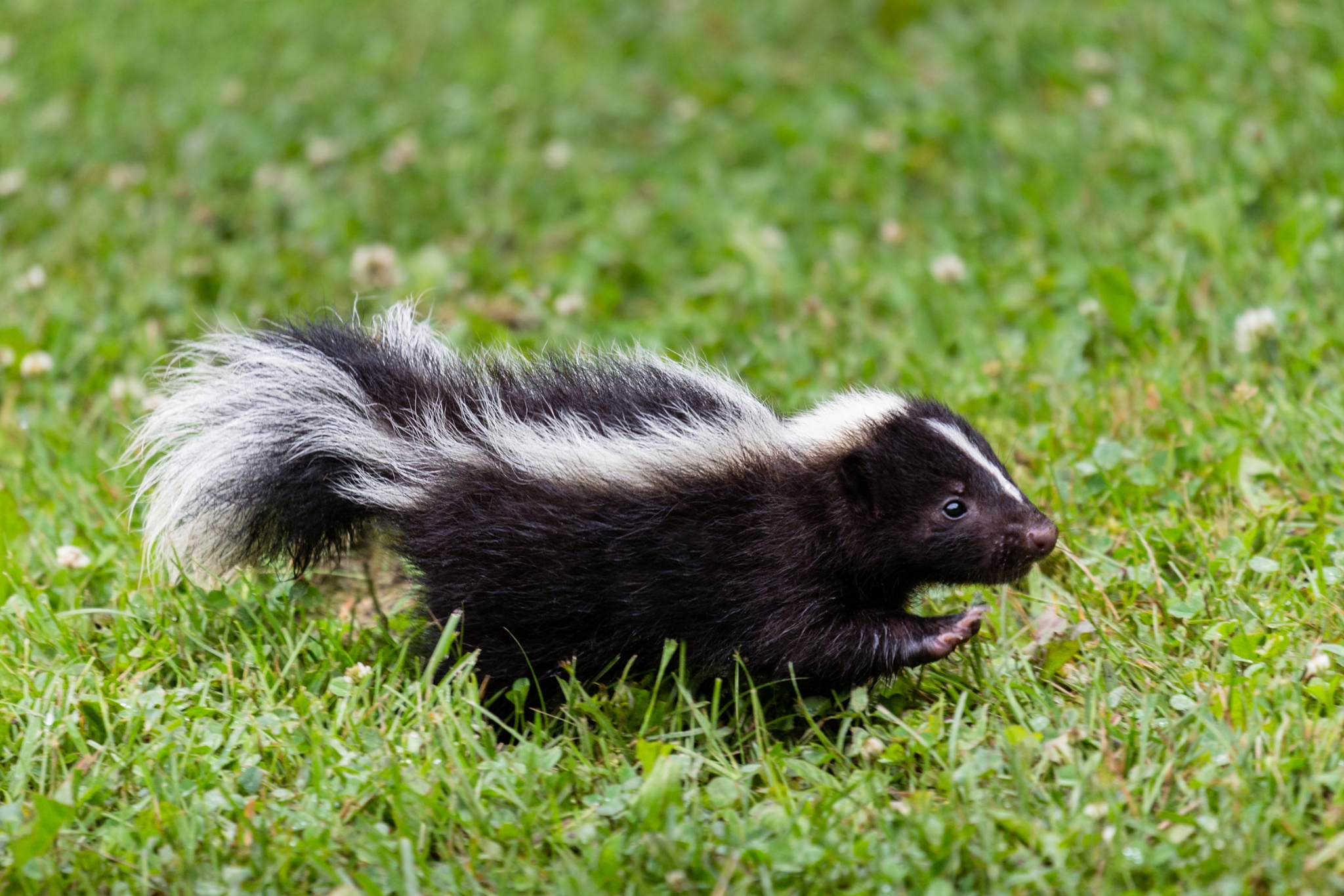
Is It Safe to Feed Carrots to Skunks? – What You Should Know
If you’re a pet skunk owner or considering adopting one of these unique animals, you’re probably wondering about their dietary needs. One common question that comes up is: Do pet skunks eat carrots?
The short answer is yes – when fed properly, carrots can be a healthy and nutritious part of your pet skunk’s diet.
Carrots are safe, nutritious, and can provide several health benefits for your skunk. However, like all foods, they should be offered in moderation as part of a balanced diet rather than as a primary food source.
Skunks are omnivores in the wild, meaning they eat both plant and animal matter. This natural dietary flexibility makes them relatively easy to feed in captivity, but they still have specific nutritional requirements that need to be met.
Nutritional Benefits of Carrots for Pet Skunks
Carrots offer several nutritional advantages for pet skunks:
1. Vitamin A: Carrots are exceptionally rich in beta-carotene, which converts to vitamin A in the body. This vitamin supports eye health, immune function, and skin health.
2. Fiber: The dietary fiber in carrots aids digestion and helps maintain healthy bowel movements, which is particularly important for pet skunks who can be prone to digestive issues.
3. Low in Calories: As a low calorie vegetable, carrots provide a nutritious treat without the risk of weight gain. This is especially important since pet skunks have a tendency to become overweight in domestic settings where their food intake and activity levels differ from their wild counterparts.
4. Dental Health: The crunchy texture of raw carrots can naturally help clean your skunk’s teeth and reduce plaque buildup.
5. Hydration: With their high water content, carrots can help support your pet skunk’s daily hydration needs.
How to Feed Carrots to Your Pet Skunk
When adding carrots to your skunk’s diet, keep the following tips in mind:
Preparation Methods
- Raw Carrots: Most skunks enjoy raw carrots, which offer the highest nutritional value and the greatest dental benefits.
- Cooked Carrots: Lightly steaming or boiling carrots makes them softer and easier to digest – these are ideal for young skunks, seniors, or those with dental issues.
- Grated Carrots: Finely grated carrots can be mixed into their regular meals, making it simple to incorporate more vegetables into their diet.
IMPORTANT: Do not add butter, salt, or any seasonings. Serve carrots (and all foods for your skunk) plain for their safety and health.
Portion Sizes
Carrots should make up only a small portion of your skunk’s total diet. As a guideline, vegetables (carrots included) should account for roughly 30% to 40% of their daily food.
For an adult skunk, this generally comes out to about 1 to 2 tablespoons of chopped carrots per day, depending on their size and activity level.
Frequency
Carrots can be offered daily as part of a rotating mix of vegetables. Just be sure to vary the types of vegetables you serve so your skunk receives a broad spectrum of nutrients.
Signs Your Skunk Enjoys Carrots
If your skunk likes carrots, they’ll usually make it obvious. You may notice them:
- Rushing over when you present a carrot
- Picking out the carrots from their food bowl first
- Looking for more once they’ve finished their serving
If your skunk doesn’t seem interested, don’t force it. Try offering the carrots in a different form (like raw, cooked, or grated) or simply provide other vegetables they prefer.
Other Vegetables Pet Skunks Can Eat
Beyond carrots, there are plenty of other safe vegetable options for your pet skunk, including:
- Leafy greens like kale and spinach
- Bell peppers
- Zucchini and summer squash
- Cucumber
- Green beans
- Sweet potato (cooked)
- Peas
Monitoring Your Skunk’s Health
Whenever you introduce a new food (including carrots) keep an eye on your skunk for any negative reactions. Look for:
- Changes in stool consistency or color
- Signs of digestive issues, such as vomiting or diarrhea
- Possible allergic reactions (rare with carrots)
- Changes in energy levels or behavior
If you observe anything concerning, stop offering the new food and consult with a veterinarian who specializes in exotic pets.
Working with an Exotic Animal Veterinarian
Because pet skunks have unique dietary needs, it’s important to work with a veterinarian who is experienced with exotic animals. They can help you:
- Develop a personalized diet plan for your skunk
- Recommend any necessary supplements
- Track your skunk’s weight and overall health
- Address dietary questions or concerns
Regular veterinary check-ups will help ensure your skunk stays healthy and that their diet continues to meet their nutritional needs as they grow and age.
Ready to Add Carrots to Your Skunk’s Menu?
So, can pet skunks eat carrots? Absolutely!
Carrots are a safe, nutritious, and often enjoyed addition to a skunk’s diet. They provide essential vitamins, fiber, and hydration while offering a satisfying crunch that many skunks enjoy.
As with any food, moderation and variety are key.
By offering a wide range of wholesome foods and working closely with an exotic animal veterinarian, you’ll help ensure that your pet skunk stays healthy, happy, and thriving.