11 Reasons These Misunderstood Animals Make Great Companions
So you’re thinking about getting a pet skunk? You’re not alone! While these unique mammals might seem like an unconventional choice, domesticated skunks have been winning hearts for over 60 years.
Sure, they come with some unique challenges (we’ll talk about those too), but if you’re looking for a pet that’s equal parts adorable, intelligent, and entertaining, a skunk might just be your perfect match.
Let’s dive into why these curious critters are popular among exotic pet enthusiasts.
1. They’re Surprisingly Affectionate and Cuddly
Here’s something that might surprise you: When properly socialized from a young age, skunks can form strong attachments with their owners at a level that’s similar to dogs and cats.
They’re social animals who genuinely enjoy spending time with their human family members, and many skunk owners report that their fuzzy friends love nothing more than curling up on the couch for cuddle sessions.
2. Incredibly Intelligent and Curious
If you love a pet with personality, you’ll absolutely adore skunks. These animals are inquisitive, friendly, and extremely curious. They’re problem solvers who love exploring their environment, which means you’ll never have a dull moment.
Skunks are also highly curious and adept at getting into cabinets and pretty much anything else that piques their interest. This intelligence means they can learn tricks, adapt to household routines, and even figure out how to open that “pet-proof” cabinet you installed.
You’ll need to skunk-proof your home, but watching their clever antics is endlessly entertaining.
3. Playful and Entertaining Personalities
Get ready for some serious entertainment! Skunks have wonderfully playful temperaments that will keep you laughing.
You might catch your skunk doing adorable backward scoots while dragging off blankets to make a cozy nest, or see them express happiness through lip-smacking (yes, really!).
Each skunk has its own distinctive personality, and you’ll discover your pet’s unique quirks over time.
DID YOU KNOW? When a de-scented pet skunk does a charge, stomp, and squeal, it’s actually a sign of play rather than aggression.
4. Generally Gentle and Non-Aggressive
Despite their notorious reputation, skunks are actually calm and non-confrontational animals that would much rather keep their distance than cause conflict. They’re typically quiet, mild-mannered, and intent on staying out of harm’s way.
Domesticated skunks that have had their scent glands removed (standard practice for pet skunks in the U.S.A.) lose their main defense but keep their sweet disposition. They’re far more focused on exploring, playing, and cuddling than creating any kind of trouble.
5. Relatively Affordable Compared to Other Exotic Pets
Let’s talk budget. Pet skunks are surprisingly accessible financially.
A standard black and white baby skunk typically costs around $300, while rarer color variations like lavender or albino run between $500 to $800. Compare that to many purebred dogs or exotic pets, and skunks are quite reasonable.
Plus, their ongoing care costs are manageable when you know what you’re doing. They also don’t require expensive specialized equipment or elaborate setups.
6. Fascinating Range of Colors and Patterns
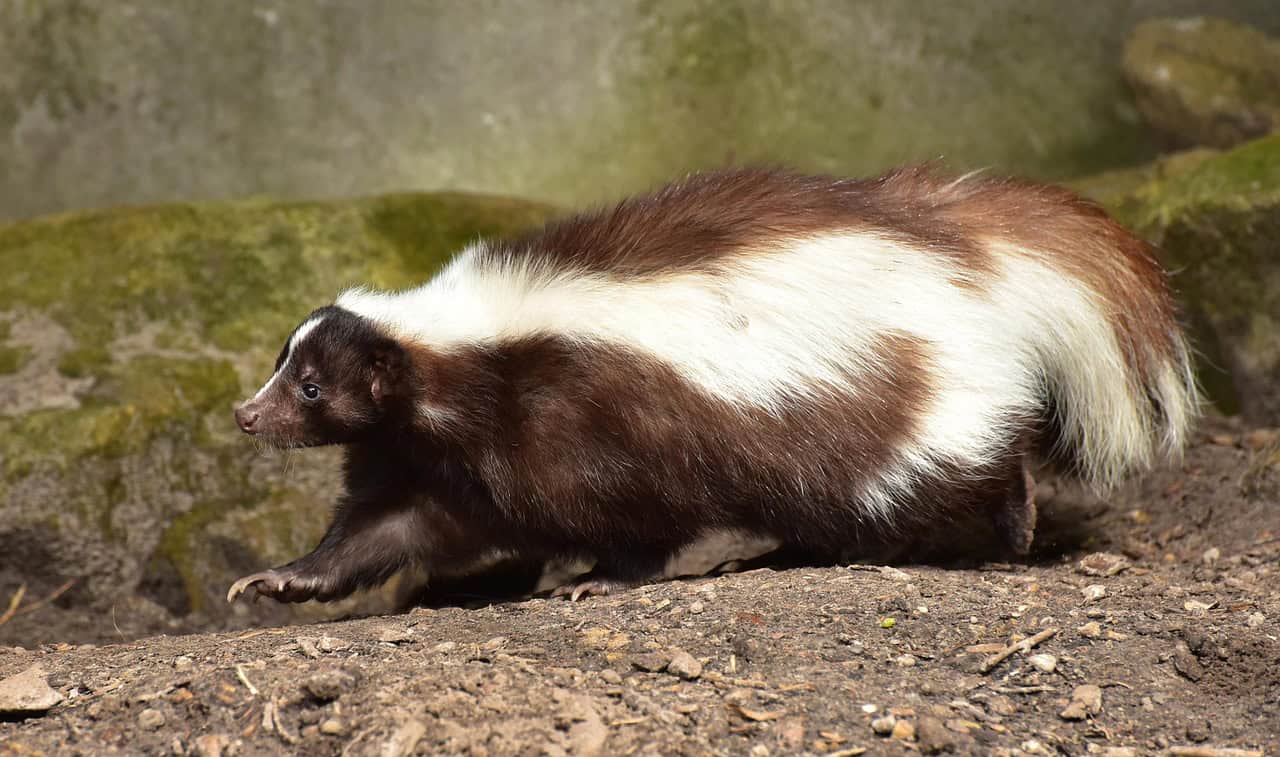
Forget plain black and white! While the classic striped pattern is iconic, domesticated skunks come in a stunning variety of colors that have been developed through selective breeding.
You can find cream, apricot, chocolate, lavender, and even albino skunks. It’s like having a walking work of art in your home!
This variety means you can choose a skunk whose appearance really speaks to you, making your pet even more special.
7. They Can Get Along with Other Pets
Good news for multi-pet households! Skunks can bond with other pets in your home, including cats and gentle dogs. With proper introductions and supervision, your skunk can become part of your happy animal family.
The key is careful socialization and monitoring (especially initially). You should avoid pairing skunks with small animals that are part of their natural diet, like rodents or small birds, but they often do wonderfully with larger companion animals.
8. Low Odor (When Descented)
Let’s address the elephant (or should we say skunk?) in the room. Domesticated pet skunks have their scent glands removed, so they’re unable to release that notorious skunk spray.
Skunks do have a natural musk, but with routine bathing and good hygiene, they stay clean and your home stays odor free.
Many owners say their descented skunks smell no stronger than ferrets or similarly musky pets. With proper care, odor concerns are minimal to nonexistent.
9. Long Lifespan Means Years of Companionship
When you commit to a skunk, you’re signing up for a long term relationship.
With proper care, nutrition, and veterinary attention, pet skunks can live 10 to 15 years. That’s a substantial period to build memories and enjoy their company.
This longevity also means your investment in training, bonding, and creating the perfect environment pays off for years to come.
10. Truly Unique Conversation Starter
Let’s be real: how many people do you know with a pet skunk? Owning one makes you part of an exclusive club. Your skunk will turn heads at vet visits and generate endless fascination from friends and family.
Beyond the novelty factor, having a pet skunk teaches you about animal behavior, challenges assumptions, and connects you with a passionate community of fellow skunk enthusiasts who share tips, stories, and support.
11. Surprisingly Adaptable to Domestic Life
Here’s what really sets skunks apart from other exotic pets: they can thrive in the average home.
Unlike big cats, primates, or venomous reptiles that require professional level expertise and specialized facilities, pet skunks can do really well in a typical household environment.
Sure, they need more attention and specialized care than your average tabby cat or golden retriever, but they don’t require elaborate temperature controlled habitats, giant custom enclosures, or years of specialized training to handle safely. You don’t need a wildlife rehabilitation license or a degree in zoology.
You just need dedication, research, and a genuine commitment to meeting their needs.
Skunks adapt beautifully to indoor living. They can be litter trained (though not as reliably as cats), they adjust to household routines, and they’re perfectly content in a standard home – no need to convert your garage into a mini zoo or build outdoor compounds.
Many skunks happily roam the house like a cat, sleep in cozy beds, and integrate into family life without requiring their owners to make extreme lifestyle changes.
This adaptability makes them one of the most accessible exotic pets for dedicated exotic pet owners.
You’re not in over your head if you’re willing to put in the work. The learning curve is manageable, the community support is strong, and the reward of successfully raising a happy, healthy skunk is absolutely achievable for average pet lovers who are ready to step outside the traditional dog and cat box.
The Challenges: What You Need to Know
Now for the honest part. Pet skunks aren’t for everyone, and it’s crucial to understand the challenges before committing.
– Legal Restrictions
- Currently, skunks are legal as pets in only 17 U.S. states.
- Some states allow ownership without permits, while others require special licensing, applications, home inspections, or fees.
- Always check both state and local laws before getting a pet skunk, as some cities have additional restrictions even in legal states.
– No Approved Rabies Vaccine
This is perhaps the biggest challenge. There is no government approved rabies vaccine or quarantine period for skunks in the United States.
If your skunk bites someone and it’s reported, authorities will likely seize and euthanize your pet for testing, even if you’re certain it doesn’t have rabies. This means extreme caution around guests and never allowing strangers to pet your skunk.
– Bite, Scratch, or Injury Risks
This cannot be stressed enough… if your skunk bites, scratches, or injures someone in any way, the state has the legal right to confiscate your pet and euthanize them for rabies testing.
Even a minor scratch reported to authorities can result in losing your beloved companion. This makes socialization tricky and means you must be extremely vigilant about supervision, especially around children, guests, or anyone unfamiliar with your skunk.
Many owners choose to keep their skunks away from visitors entirely to eliminate this risk.
– Limited Veterinary Care
Most veterinarians have limited understanding of pet skunk care, so depending on where you live, finding qualified exotic animal vets can be challenging.
You’ll need to research and establish a relationship with a vet experienced with skunks before bringing one home.
– Specialized Diet
Skunks need a varied and balanced diet that requires more planning than typical pet food.
They thrive on proteins (such as fish, chicken, and beans), fresh organic fruits and vegetables, and proper nutritional supplements to prevent health issues like metabolic bone disease.
While their dietary needs aren’t difficult once you get the hang of them, it does take time to shop for fresh ingredients each week and prepare meals daily – and the costs can quickly add up if you’re on a tight budget.
– Digging and Destruction
Skunks are natural diggers, and that instinct can easily translate into torn carpet, scratched furniture, and other household damage.
To keep both your home and your skunk happy, you’ll need to offer safe designated digging areas and make sure your space is skunk-proofed. Their curiosity also means securing cabinets and removing anything that could become a hazard.
– Escape Artists
Skunks are incredibly clever and determined when they want to explore. They can squeeze through surprisingly small spaces, open doors, and find weaknesses in fencing or barriers.
You’ll need secure enclosures for outdoor time and must be vigilant about doors and windows. Their curiosity combined with their problem solving skills means they’re always looking for their next adventure.
– No Homing Instinct
Unlike cats or dogs, skunks don’t have a natural homing instinct, so if they slip outside, they’re unlikely to find their way back… they’ll simply keep wandering.
Because descented skunks have no natural defense, an outdoor escape can be extremely dangerous and life threatening. Vigilance and secure housing are essential to prevent them from getting out.
– Spaying/Neutering Required
Both male and female skunks can develop biting or other unwanted behaviors as their hormones change. To prevent this, males should be neutered between 3 to 4 months of age, and females spayed between 4 to 6 months.
This step is essential (not optional) for maintaining a calm well-adjusted pet and a peaceful household.
– Biting Phase
Many young skunks go through a biting stage that requires consistent training and patience. With proper correction and time-outs, most skunks can be broken of this habit, but it does require dedication, patience, and an understanding of positive reinforcement techniques.
– Stinky Droppings
Let’s talk about something most pet skunk articles skip… their poop.
Skunk droppings may be small, but they deliver a surprisingly strong pungent odor.
Litter training can help manage the mess, but you’ll still need to stay diligent with cleaning – and expect a few accidents (especially early on while you’re still potty training).
Consistent cleanup is key to keeping your home smelling fresh.
– Finding Pet Care is Nearly Impossible
Planning a vacation or business trip? Good luck finding a pet sitter.
Most professional pet sitters and boarding facilities won’t accept skunks due to liability concerns, lack of experience, and the rabies testing requirements if something goes wrong. Even some friends and family member may be hesitant to watch your skunk given the serious consequences if an injury occurs.
This means your travel plans will be significantly limited, or you’ll need to find a very dedicated (and educated) skunk savvy friend who’s willing to take on the responsibility.
Many skunk owners simply don’t travel without their pets.
Making It Work: Tips for Pet Skunk Success
If you’re ready to take on these challenges, here’s how to set yourself up for success:
- Research your local laws thoroughly and obtain all necessary permits before purchasing
- Find an exotic animal veterinarian willing to treat skunks in your area
- Purchase only from USDA licensed breeders to ensure you’re getting a healthy captive bred animal
- Skunk-proof your home before bringing your new pet home
- Commit to proper nutrition and learn about pet skunk dietary needs
- Plan for spaying/neutering at the appropriate age
- Socialize early to develop a well-adjusted and friendly companion
- Never allow strangers to pet your skunk due to rabies protocol concerns
- Join skunk owner communities for support and advice from experienced owners
Is Skunk Ownership Right for You?
Are skunks easy pets? Absolutely not. Are they rewarding and fascinating companions for the right person? One hundred percent yes!
If you’re someone who enjoys a little challenge, appreciates unique animals, and can provide the specialized care skunks require, you’ll find these intelligent and affectionate creatures incredibly rewarding.
They’re not impulse pets, but for dedicated exotic animal enthusiasts in states where they’re legal, skunks offer a truly special pet ownership experience.
Just remember: With great cuteness comes great responsibility. Do your homework, understand the commitment, and if a skunk is right for you, get ready for years of cuddles, entertainment, and unforgettable moments with one of nature’s most misunderstood animals.

Pet Skunk Diet Guide: What to Feed Your Skunk
Read More →
Can Pet Skunks Eat Carrots? Safe Foods & What to Avoid
Read More →
7 Essential Skunk Training Tips Every Owner Should Know
Read More →