How Long Do Pet Rabbits Live? What to Expect & How to Help Them Live Longer
Wondering how long your rabbit will live? Get the real numbers on rabbit lifespan, plus the diet, care, and environment tips that matter most.
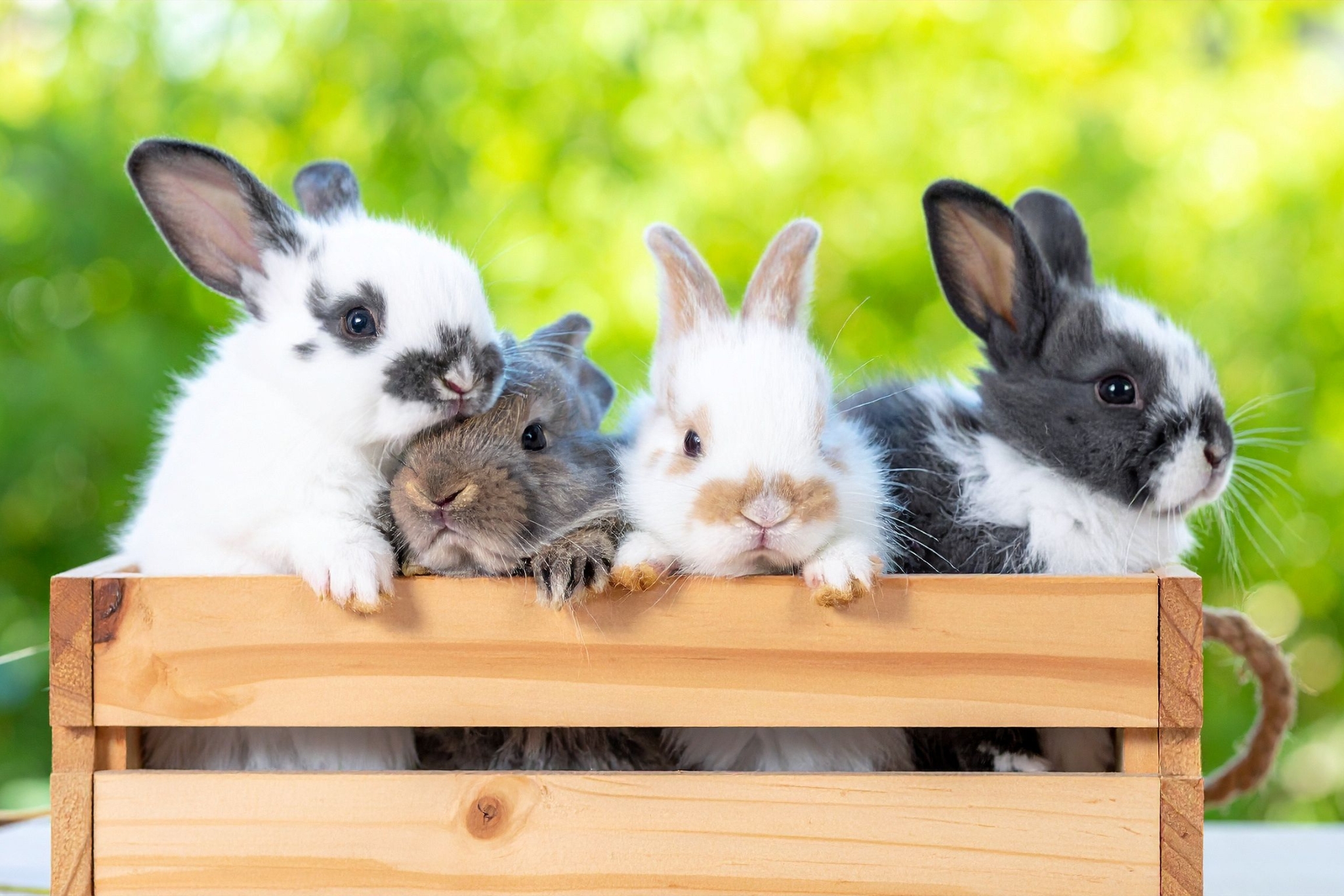
Rabbits are one of the most popular small pets, and it’s easy to see why! These fluff balls are curious, playful, and full of personality.
But one thing that surprises many first time owners is just how long a healthy rabbit can live.
Whether you’re thinking about welcoming a bunny into your family or you already have one happily hopping around your home, understanding their lifespan is an important part of providing the best care possible.
Average Lifespan of a Pet Rabbit
On average, pet rabbits live 8 to 12 years, and with excellent care, many happily reach 10 years or beyond.
That’s much longer than many people expect—especially when compared to other popular small pets like hamsters, which typically live 2 to 3 years, or guinea pigs, which average 5 to 7 years.
In fact, some rabbits have lived well into their teens. The oldest recorded pet rabbit reached over 18 years of age, showing that with proper nutrition, regular veterinary care, and a safe, enriching environment, rabbits can be a wonderful long term companion..
Factors That Affect Rabbit Lifespan
While genetics do play a role, a rabbit’s daily care has one of the biggest impacts on how long they live. Everything from their diet and living environment to regular veterinary care can influence their overall health and longevity.
Here are some of the most important factors that can help your bunny live a long, happy life:
1. Spaying or Neutering
Spaying or neutering is one of the best things you can do for your rabbit’s long term health.
Unspayed female rabbits have a very high risk of developing reproductive cancers, especially uterine cancer, as they age. Spaying greatly reduces this risk, while neutering can also help minimize hormone driven behaviors and contribute to a healthier, happier life.
2. A Healthy, Fiber Rich Diet
A rabbit’s digestive system is designed to process fiber almost constantly.
The foundation of their diet should be high quality hay, making up about 80% to 90% of what they eat.
Fresh leafy greens, clean water, and a limited amount of pellets also help provide balanced nutrition and support healthy digestion, reducing the risk of serious conditions like GI stasis.
3. Indoor vs. Outdoor Living
In general, indoor rabbits tend to live longer than outdoor rabbits.
Living indoors protects them from predators, harsh weather, parasites, and many common diseases. It also makes it much easier to notice subtle changes in appetite, behavior, or health so problems can be addressed early.
4. Breed
A rabbit’s breed can also influence its lifespan. Smaller breeds, such as Netherland Dwarfs and Mini Rex, often outlive giant breeds like the Flemish Giant. Just as with dogs, larger rabbits typically have shorter average lifespans than their smaller counterparts.
5. Regular Veterinary Care
Routine checkups with a rabbit savvy or exotic animal veterinarian are an important part of keeping your bunny healthy.
Rabbits naturally hide signs of illness, so regular exams can help detect dental problems, parasites, and other health concerns before they become more serious.
6. A Safe and Enriching Environment
Happy rabbits are active rabbits. Plenty of space to hop, explore, and play helps keep both their bodies and minds healthy.
Mental enrichment through toys, tunnels, and foraging activities, along with companionship from another bonded rabbit or regular interaction with you, can reduce stress and improve overall well-being.
Signs of a Healthy, Long Living Rabbit
- Bright clear eyes with no discharge or cloudiness
- A healthy appetite and regular, well-formed droppings
- A soft, clean, well-groomed coat with no bald patches or matting
- An active and curious personality, including normal hopping, exploring, and those adorable binkies (happy jumps!)
- A healthy body condition, and maintaining a good weight without appearing too thin or overweight teeth that aren’t overgrown
Tips to Help Your Rabbit Live a Longer
Giving your rabbit the best care possible can make a huge difference in both their lifespan and overall quality of life. Here are a few simple habits that can help keep your bunny happy and healthy for years to come.
1. Offer unlimited hay every day.
High quality timothy or another grass hay should make up the majority of your rabbit’s diet and should always be available.
2. Spay or neuter your rabbit.
This not only helps prevent unwanted litters but also greatly reduces the risk of serious health problems, especially in female rabbits.
3. Provide a safe living environment.
Indoor rabbits generally live longer, but if your rabbit spends time outside, make sure they’re in a secure, predator-proof enclosure.
4. Schedule regular veterinary checkups.
An annual visit is recommended for most rabbits, while senior rabbits often benefit from checkups every 6 months.
5. Make time for daily exercise.
Rabbits need plenty of room to hop, run, stretch, and explore outside of their enclosure to stay physically and mentally healthy.
6. Watch for early signs of illness.
A loss of appetite, smaller droppings, lethargy, or changes in behavior can signal a medical emergency in rabbits and should never be ignored.
7. Consider a bonded companion.
Rabbits are naturally social animals, and they thrive with a compatible rabbit friend, along with plenty of love and interaction from their owners.
Final Thoughts on Pet Rabbit Lifespan
Rabbits can make wonderful companions, and with the right care, they’ll be by your side for many years.
Their average lifespan of 8 to 12 years means bringing home a bunny is a long term commitment—much like adopting a cat or dog.
By providing a nutritious diet, regular veterinary care, plenty of exercise, and a safe, enriching environment, you’ll give your rabbit the best chance at a long, happy, and healthy life. A little extra care really does go a long way in helping your bunny thrive.