Cork Bark for Reptiles The Ultimate Natural Habitat Guide
Discover the different types of cork bark, amazing benefits, creative setup inspo, and easy care tips to design a safe, natural habitat your reptile will totally thrive in.
- What Is Cork Bark?
- Why Cork Bark Is Perfect for Reptile Enclosures
- Types of Cork Bark for Reptile Habitats
- Reptiles That Love Cork Bark
- How to Use Cork Bark in Your Reptile Enclosure
- Cork Bark Maintenance and Care
- Cork Bark vs. Other Terrarium Materials
- Tips for Choosing the Right Cork Bark
- Common Questions About Cork Bark for Reptiles
- Ready to Transform Your Terrarium?
Hey, reptile lovers! If you’re looking to create an absolutely stunning and functional habitat for your scaly friends, let me tell you about one of the most versatile materials in the reptile keeping world: cork bark.
Once you start using it, you’ll quickly see why so many keepers swear by it… and you may never decorate a terrarium without it again.
What Is Cork Bark?
Cork bark is the natural outer layer of the cork oak tree (Quercus suber), most commonly harvested in Mediterranean regions such as Portugal and Spain.
Here’s the really cool part: harvesting cork bark doesn’t harm the trees at all! The bark naturally grows back, making cork bark a highly sustainable and eco-friendly option for reptile enclosures.
For decades, reptile keepers have relied on cork bark for its durability, lightweight nature, and realistic appearance. It instantly adds a natural, wild look to any terrarium or vivarium.
Why Cork Bark Is Perfect for Reptile Enclosures
Why Cork Bark is a Terrarium Essential5 Reasons Reptile Keepers Love It
Cork bark is one of the most popular and practical materials in reptile keeping — and for good reason. Here’s why keepers love it:
Natural and Safe
Cork bark is completely non-toxic — safe for reptiles to climb on, hide under, or even taste test. Unlike some artificial decor, it contains no harmful chemicals. Just pure, natural material straight from the source.
Versatile Design Options
Works for bearded dragons, crested geckos, ball pythons, tortoises and more. Use it as hides, climbing structures, basking spots, background features, or floating décor in aquatic setups. The design options are nearly endless.
Excellent Insulation Properties
Cork’s natural insulating properties help maintain stable temperatures inside hides and sheltered areas — especially useful for reptiles that rely on thermoregulation throughout the day.
Moisture Resistant
Cork naturally resists mold and mildew, making it ideal for humid tropical terrariums. It can absorb some moisture but dries quickly and won’t rot like regular wood — a huge win for maintenance!
Lightweight but Strong
Despite its sturdy structure, cork bark is surprisingly lightweight — easy to position, secure, and rearrange, while still being strong enough to support climbing and exploring reptiles.
Types of Cork Bark for Reptile Habitats
Cork Bark Flats
Cork bark flats are large flat pieces perfect for creating backgrounds, basking platforms, or leaning against enclosure walls to create hiding spots. They’re super popular for arboreal species that love vertical space.
Cork Bark Rounds (Cork Tubes)
Cork rounds are hollow, tube shaped pieces that make fantastic hides and tunnels. Terrestrial reptiles absolutely love these! They come in various diameters to accommodate different species sizes.
Cork Bark Branches
These irregular branching pieces are ideal for climbing reptiles like chameleons, crested geckos, and tree boas. They add a wonderfully natural aesthetic while providing essential enrichment.
Granulated Cork Bark
Finely ground cork makes an excellent substrate component or can be used in bioactive setups. It’s particularly useful in the drainage layer of naturalistic terrariums.
Reptiles That Love Cork Bark
Cork bark works beautifully for a wide variety of reptile species, including:
- Arboreal Species: Crested geckos, day geckos, chameleons, tree pythons, and green tree frogs love climbing on cork bark branches and flats.
- Terrestrial Species: Bearded dragons, leopard geckos, blue tongue skinks, and tortoises appreciate cork bark rounds as hides and basking spots.
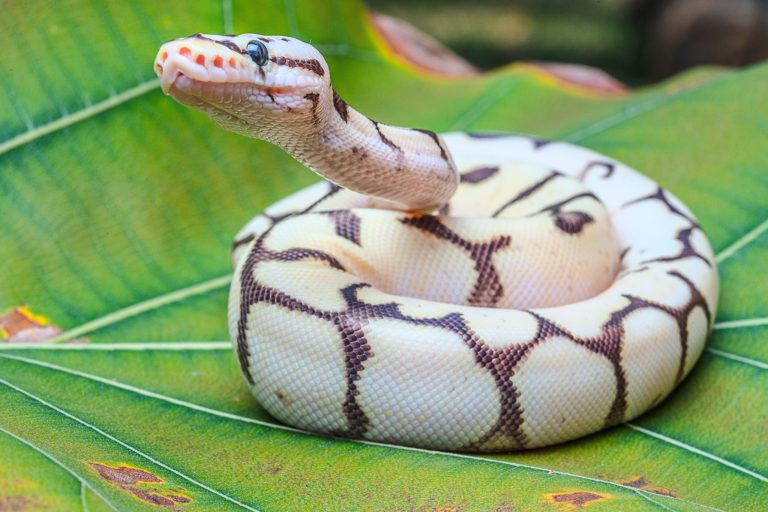
- Semi-Arboreal Species: Ball pythons, corn snakes, and king snakes utilize both the climbing opportunities and hiding spaces cork provides.
- Amphibians: Dart frogs and salamanders thrive in humid terrariums enhanced with cork bark decor.
How to Use Cork Bark in Your Reptile Enclosure
How to Use Cork Bark in Your EnclosureCreative Ideas for Every Setup
Creating Hides and Shelters
Cork bark makes creating hides effortless. Place cork rounds directly on the substrate for instant shelter, or lean cork flats against enclosure walls to form larger, more open hiding spaces.
Always provide hides in both the warm and cool areas of the enclosure so your reptile can regulate its temperature comfortably.
Build Climbing Structures
Stack and secure pieces using aquarium-safe silicone to create sturdy multi-level structures. Especially important for arboreal species, which rely on vertical space to feel secure, stay active, and exhibit natural behaviors.
Design Natural Looking Backgrounds
Attach cork bark flats to the back wall using silicone for a visually stunning natural background. This upgrade also adds valuable climbing and resting surfaces your reptile will actually use.
Enhance Bioactive Setups
Cork bark is a must-have in bioactive terrariums. It provides shelter for cleanup crew invertebrates, blends seamlessly into naturalistic designs, and is completely safe around live plants — helping support a balanced, thriving mini-ecosystem.
Cork Bark Maintenance and Care
Initial Preparation
While cork bark is generally clean when purchased, it’s always a good idea to give new pieces a quick inspection. Remove any loose debris and consider giving them a gentle scrub with hot water if needed. Some keepers prefer to bake cork bark at 200°F for 30 minutes to sterilize it, though this is usually unnecessary for commercially sold pieces.
Regular Cleaning
Cork bark in reptile enclosures should be spot cleaned regularly to remove feces and shed skin. Every few months, remove the cork bark and clean it with reptile-safe disinfectant or a vinegar-water solution. Rinse thoroughly and allow it to dry completely before returning it to the enclosure.
Longevity
With proper care, cork bark can last for years in your reptile habitat! Its natural resistance to moisture and decay makes it a durable, low maintenance, and cost effective choice for long term use.
Cork Bark vs. Other Terrarium Materials
Cork Bark vs. Wood
Natural wood branches look amazing, but in humid environments they’re prone to rotting and may harbor mites or parasites. Cork bark, on the other hand, is far more moisture resistant and more reliable straight out of the box.
Cork Bark vs. Plastic Décor
Plastic hides and decorations are easy to clean, but they lack the natural texture and realistic appearance of cork bark. Many reptiles also seem to prefer natural materials, which can better support natural behaviors and thermoregulation.
Cork Bark vs. Rock
Rocks add visual interest but can be heavy and potentially dangerous if they shift or fall. Cork bark offers a safer alternative – it’s lightweight, stable, and still provides structure and enrichment without the added risk.
Tips for Choosing the Right Cork Bark
Selecting the Right Cork Bark5 Things to Keep in Mind
When selecting cork bark for your reptile enclosure, keep these points in mind:
Choose the Right Size
Select pieces that suit your reptile’s size and the dimensions of the enclosure.
Check for Sharp Edges
Smooth any rough or sharp areas with sandpaper to prevent injury before placing in the enclosure.
Consider Your Species
Arboreal reptiles benefit from flats and branch-like pieces, while terrestrial species often prefer cork rounds.
Think About Humidity
Thicker pieces retain moisture better and work well in tropical setups where humidity levels are higher.
Buy Quality Products
Invest in properly harvested, pesticide-free cork bark from reputable suppliers to keep your reptile safe.
Common Questions About Cork Bark for Reptiles
Is cork bark safe for all reptiles?
Yes! Cork bark is non-toxic and safe for virtually all reptile species.
Will cork bark grow mold?
Cork is naturally resistant to mold, but in extremely humid enclosures with poor ventilation, mold can develop. Proper airflow and routine cleaning help prevent this.
Can I boil cork bark?
Boiling smaller pieces is possible, but usually unnecessary and may cause the cork to become waterlogged. Scrubbing with hot water or baking is typically sufficient.
How often should cork bark be replaced?
With proper care, cork bark can last for many years. Replace it only if it becomes damaged, excessively soiled, or develops a persistent odor.
Ready to Transform Your Terrarium?
Cork bark is one of the best upgrades you can make to a reptile habitat. It’s natural, sustainable, versatile, and widely appreciated by reptiles of all kinds.
Whether you’re setting up your first terrarium or upgrading an existing enclosure, cork bark adds both functionality and natural beauty that your reptile will absolutely appreciate.
Best of all, it helps create a more enriching, naturalistic environment that encourages natural behaviors and supports your reptile’s well-being.
Ready to transform your reptile’s habitat? Add some cork bark and start building a habitat your reptile will truly thrive in. Happy herping!