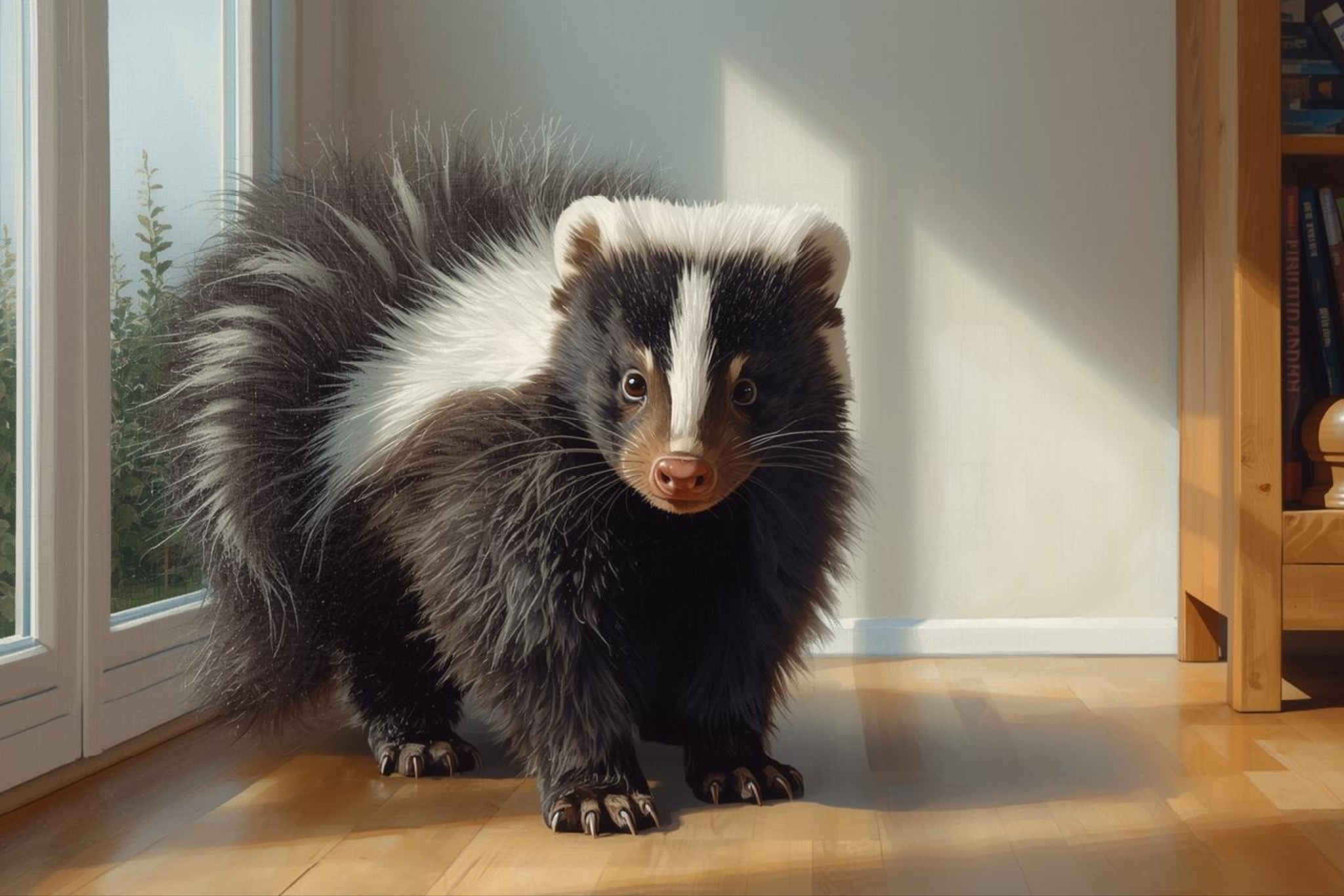
Skunk Enrichment How to Keep Your Pet Skunk Happy and Out of Trouble
Discover fun and effective skunk enrichment ideas to keep your pet skunk mentally stimulated, active, and out of trouble. Tips on toys, games, and more!
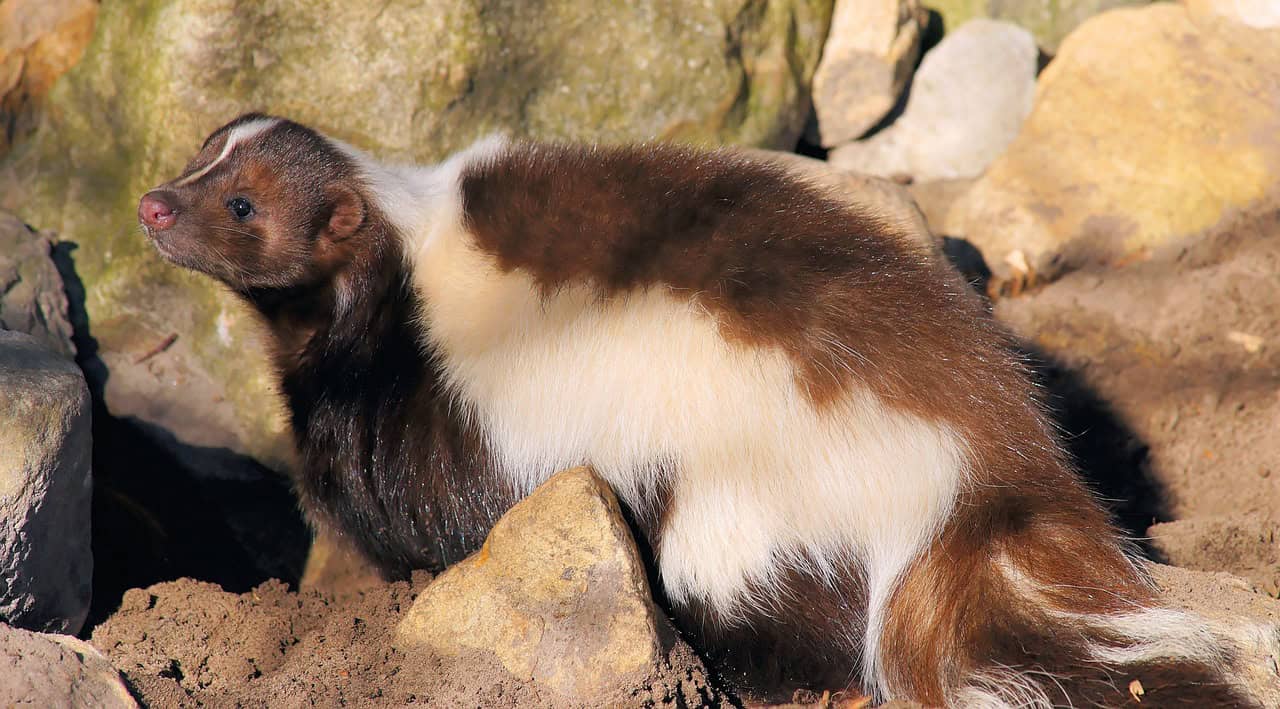
So, you’ve welcomed a pet skunk into your life – or maybe you’re seriously thinking about it. Congrats! You’re about to discover what it’s like to live with one of the most curious, clever and surprisingly cuddly exotic pets out there.
But here’s the thing about skunks: they’re smart. Like, really really smart. And bored skunks? Well…they can become carpet diggers, cabinet raiders, and sock thieves in the blink of an eye.
That’s where skunk enrichment comes in.
A proper skunk enrichment plan doesn’t just keep your pet entertained. Species specific enrichment also supports their mental and physical health, prevents destructive behavior, and deepens your bond with your little waddling shadow.
Let’s dive into what skunk friendly enrichment looks like and how to make it a part of your daily routine.
What Is Enrichment, Exactly?
Enrichment is anything that taps into your skunk’s natural behaviors – like foraging, playing, digging, sniffing, exploring and problem-solving. If it’s safe for your skunk and they enjoy it – then that’s enrichment and it counts!
Skunk enrichment can be physical, like going for a walk outdoors on a harness and leash, or mental, like teaching your pet skunk fun tricks and commands. The goal is to keep their curious minds and active bodies engaged – you do not want a bored skunk. Enrichment is important!
Think of enrichment as mental and physical exercise. You wouldn’t expect a dog to stay sane without walks or toys, right? Skunks need their own kind of fun too!
Skunk Enrichment Ideas
1. Foraging Fun
Skunks are natural scavengers, spending much of their time in the wild snuffling through leaves, logs and underbrush in search of tasty bugs, grubs and other yummy snacks.
So how do we recreate that experience for a pet skunk living in a safe domestic environment?
The answer is simple (and fun) – say hello to foraging. Foraging is the act of searching for food and this is one of those instinctual behaviors that can not be trained out of skunks.
To help you skunk relive some boredom in captivity and behave just like they would in the wild, we can mimic this by hiding food in toys, boxes, paper bags, blankets or snuffle mats – anything that encourages your skunk to use their nose and brain to “hunt” for their meal will work.
Foraging will not only satisfy their natural curiosity but it will also help keep them mentally and physically stimulated.
2. Dig Boxes and Sensory Bins
Skunks LOVE to dig. Just like foraging, you will not be able to “train” their digging instinct out of them. Your bedding, carpet, couch and laundry will all be fair game.
Instead of letting your skunk tear up your house, a better option would be to give them a safe outlet for digging.
3. Toys, Tunnels and Climbing
Skunks aren’t agile climbers like cats, but much like ferrets they love to crawl into, under and through anything they can squeeze into.
You might be surprised to learn that many common dog and cat products that are readily available at pet stores also work great for skunks and can be easily repurposed for their unique style of play.
Avoid toys with small pieces that can be chewed off and swallowed — always inspect enrichment items for loose parts before giving them to your skunk.
4. Scent Enrichment
Did you know that skunks have poor eyesight and rely heavily on their sense of smell? This means that adding scent based experiences to your skunk’s day can be enjoyable and super stimulating for them.
Try Introducing:
- A drop of vanilla or lavender (on a towel – please don’t put any directly on your skunk!)
- Hidden catnip toys (some skunks love these!)
- Used T-shirts or blankets from their favorite humans
Change up scents every few days to keep it novel — skunks have a powerful sense of smell and love discovering something new!
5. Playtime with You
Skunks are social and form strong bonds with their humans. Believe it or not but time with you is enrichment, too.
Ways to Engage:
- Gentle chase or tug-of-war with soft toys
- Training sessions using clickers and treats
- Grooming and cuddles (on their terms)
- Letting your skunk explore outside on a harness and leash
Be careful not to go overboard with treats. Pet skunks are prone to obesity and they’re not great at self-regulating — if food is available, they’ll keep eating.
How Often Should You Offer Enrichment?
Pet skunks should have enrichment every single day. A good rule of thumb is to give your skunk no less than 60 minutes of enrichment activity each day.
Whether you’re setting up foraging opportunities, letting your skunk exploring a new toy or just playing together, enrichment needs to be a consistent part of your care routine.
Keep in mind that 60 minutes of enrichment each day is a great starting point, but it’s not a strict rule. If your skunk is digging up the carpet or engaging in other unwanted behaviors that’s a sign that they need more mental and physical stimulation.
Boredom leads to mischief so don’t be afraid to increase your skunk’s enrichment time as needed.
Rotating toys and activities every few days will help avoid boredom. Even simple changes like rearranging furniture or offering a cardboard box with shredded paper can spark your skunk’s curiosity and help relieve boredom.
Swap materials, toys, and surprises weekly to keep things fresh and interesting — a curious skunk is a happy skunk!
A Happy Skunk Is a Busy Skunk
If you’re seriously committed to exotic pet ownership, incorporating various enrichment for your pet skunk should be a regular part of your routine.
Watching your skunk explore a new tunnel, snuffle out hidden treats or cuddle up happily with you after a “busy” day is one of the most rewarding parts of being a skunk parent.


7 Essential Skunk Training Tips Every Owner Should Know
Read More →
11 Reasons Skunks Make Awesome Pets
Read More →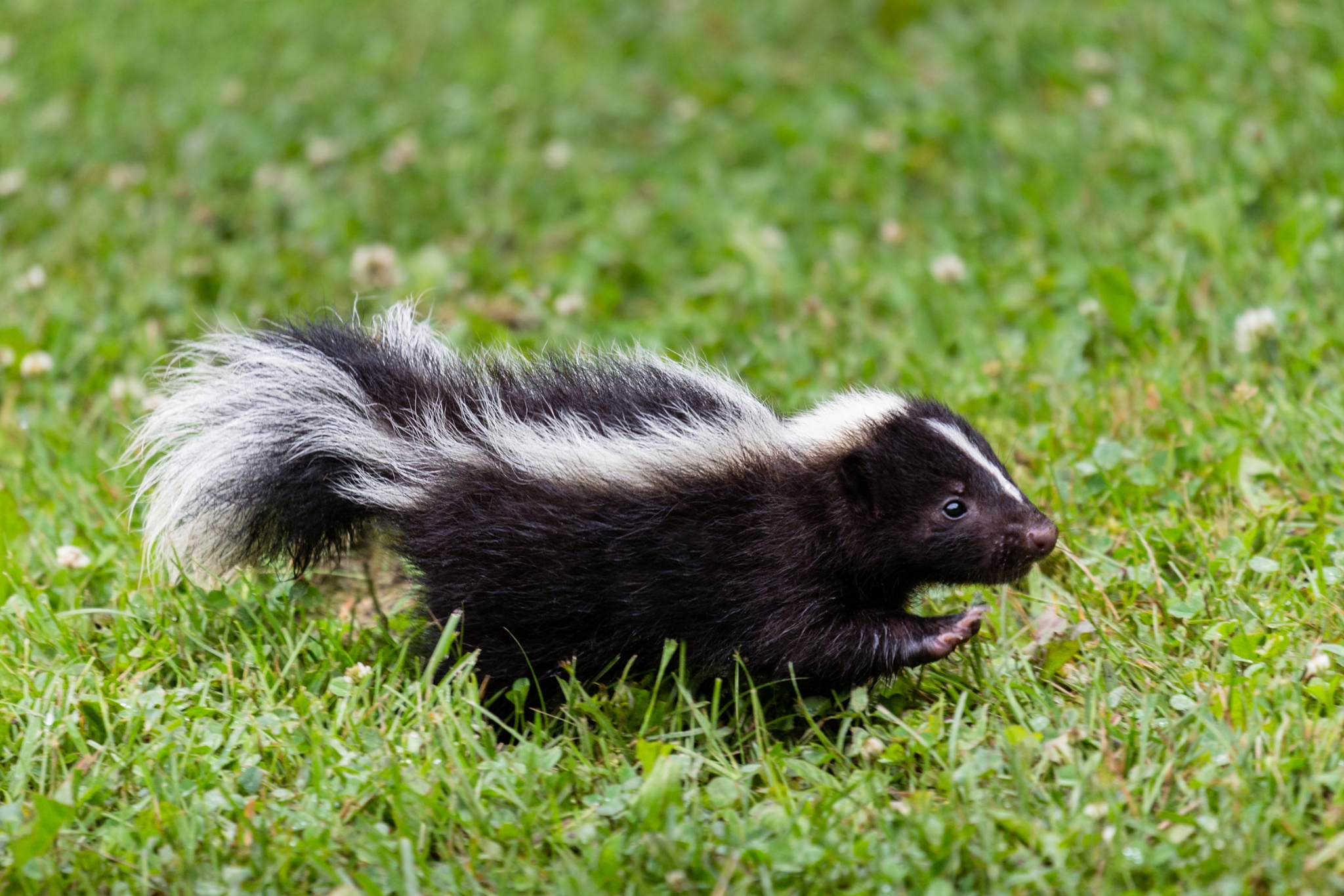
Can Pet Skunks Eat Carrots? Safe Foods & What to Avoid
Read More →