Rainbow Lorikeets as Pets The Good, Bad, & Ugly Truth
Thinking about a pet rainbow lorikeet? Get the full picture on diet, noise, mess, lifespan, and legality before you commit.
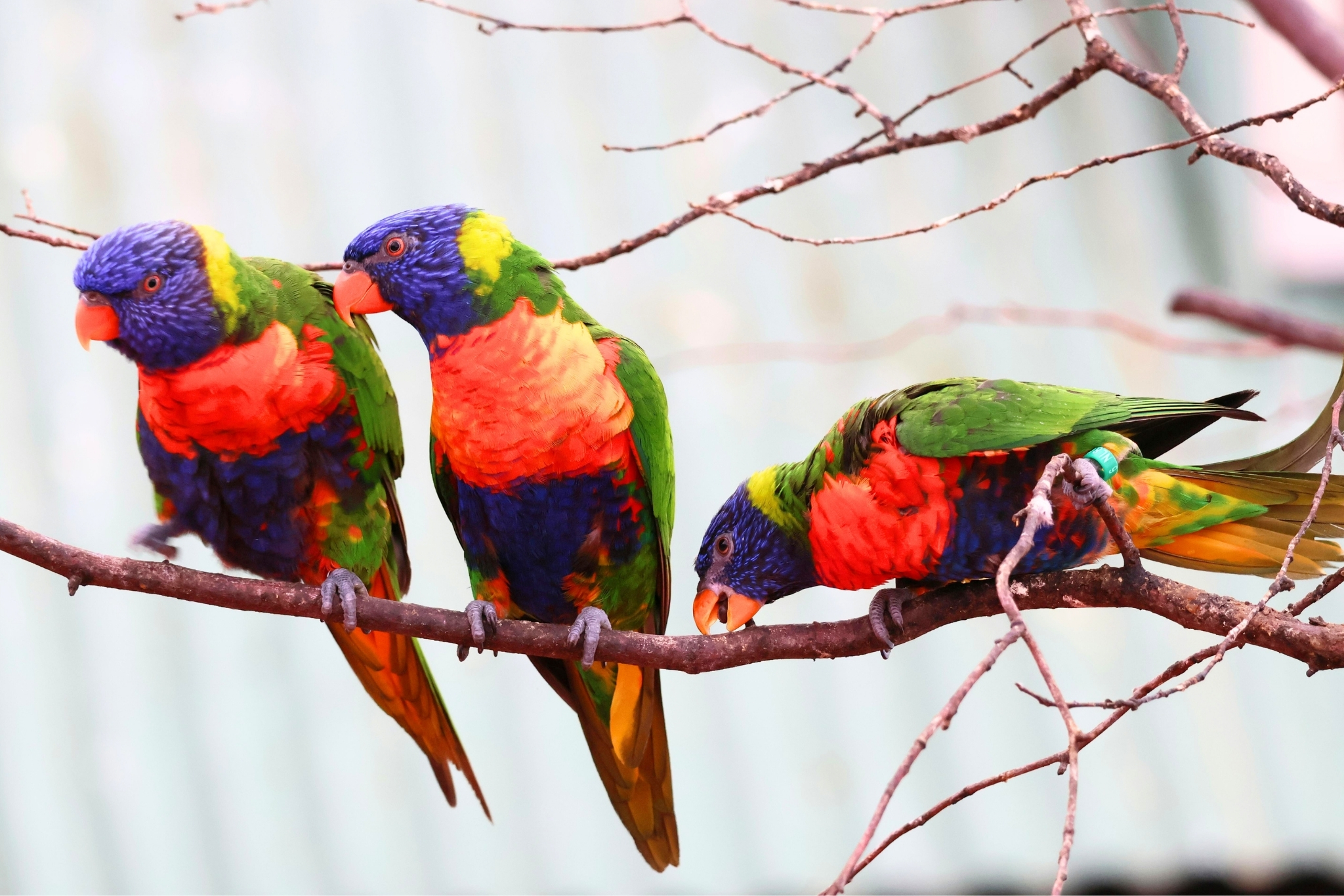
Few birds stand out quite like a rainbow lorikeet. With bright blue heads, green wings, orange-red chests, and yellow-green bellies, they almost look like they were painted by hand. It’s easy to see why these colorful Australian parrots have become such popular companion birds.
But there’s a lot more to living with a rainbow lorikeet than those incredible colors. They’re energetic, intelligent, noisy, and surprisingly messy, and their specialized diet can catch new owners off guard.
If you’re thinking about getting a rainbow lorikeet, this article gives you a realistic look at what life with one is actually like, from the fun and rewarding parts to the challenges and the things you probably won’t hear about at the pet store.
What Is a Rainbow Lorikeet?
The rainbow lorikeet (Trichoglossus moluccanus) is a medium sized parrot native to Australia, as well as parts of Indonesia and the South Pacific. In the wild, these birds travel in loud fast moving flocks and feed mostly on nectar, pollen, and fruit.
Their natural diet is one of the biggest things to understand before bringing a rainbow lorikeet home. It affects almost every part of their care, from the food they need to the surprisingly watery droppings they produce.
Lorikeets are part of a specialized group of parrots called “brush tongued” parrots. Their tongues have tiny hair like structures that work almost like a little brush, allowing them to collect nectar and soft fruit. It’s a fascinating adaptation that makes them perfectly suited to their natural diet, but it also plays a big role in why these colorful birds are such messy pets.
The Good Why People Fall in Love With Lorikeets
Rainbow lorikeets have a lot going for them, and it’s easy to understand why they attract so many bird lovers. They’re beautiful, playful, intelligent, and full of personality. Of course, that big personality also comes with plenty of energy and attention needs, but for the right owner, that’s part of the appeal.
Huge Personalities
Rainbow lorikeets are known for being affectionate, playful, and downright funny. They usually form strong bonds with their owners, enjoy attention and cuddling, and have a goofy energetic personality that can keep you entertained for hours. Some owners even say living with one feels more like having a dog or toddler around than a typical pet bird.
Incredibly Beautiful
There’s nothing subtle about a rainbow lorikeet. Their bright saturated colors, glossy feathers, and constant movement make them one of the most eye catching companion birds you can own.
Smart and Trainable
Lorikeets are quick learners and can pick up tricks, new behaviors, and even some vocalizations with consistent reward based training. But the catch is that all that intelligence needs something to do—a bored lorikeet usually finds a way to make its own entertainment, and it’s rarely a quiet one.
Strong Bonds With Their People
Well socialized lorikeets can form close bonds with several people in the household instead of attaching themselves to just one person. They can also do well around gentle children, as long as interactions are supervised and the bird is handled appropriately.
Compact Size, Big Presence
Rainbow lorikeets are small enough to be manageable, but they still have plenty of personality. At roughly 10 to 12 inches long and around 100 to 150 grams, they’re much easier to accommodate than larger parrots like macaws or cockatoos. But their smaller size doesn’t mean they’re low energy—they’re active and playful birds with a big presence.
The Bad The Realities That Catch New Owners Off Guard
Rainbow lorikeets can be incredibly rewarding pets, but they also come with some challenges that aren’t always obvious at first. Their specialized diet, loud voices, high energy, and long lifespan mean they require more time and commitment than their colorful appearance might suggest.
Their Diet Takes Some Work
Because lorikeets naturally eat nectar, they can’t be fed a typical parrot diet. Their food needs to include a specially formulated nectar or “wet” lorikeet mix (usually prepared fresh each day) along with appropriate fruits, greens, and other dietary supplements.
Feeding a lorikeet properly takes more time and can cost more than feeding many other common parrots. Their specialized food also isn’t always easy to find at local pet stores, so you may need to order it online or from an avian specialty retailer.
They’re Loud—Like Really Loud
Rainbow lorikeets aren’t the best choice for an apartment or a home where noise is a big concern. Their calls are naturally loud and carry across the treetops to help keep the flock connected. Inside the house, that can translate into sharp piercing calls, especially when they’re excited or around dawn and dusk. For some owners, the noise eventually becomes too much, and it’s one of the reasons lorikeets sometimes end up being rehomed.
They Can Get Nippy
Lorikeets have a reputation for being a little more “bitey” than some other parrots their size. Their sharp beaks are designed for handling fruit, and hormonal periods can make even a well socialized bird more territorial or nippy, especially around their cage or favorite person.
Check the Laws Where You Live
Lorikeet ownership is restricted in some parts of the USA because escaped or released birds can potentially establish populations and compete with native species. Before buying one, check your state and local exotic pet laws to make sure they’re legal to own where you live.
The Ugly What Nobody Tells You Before You Buy One
Rainbow lorikeets are colorful, entertaining, and full of personality, but some of their less charming habits can come as a real surprise. The mess, noise, specialized diet, and long term commitment aren’t minor details—they’re everyday parts of living with one of these beautiful birds.
The Droppings Can Be a Lot
This is probably the biggest shock for many first time lorikeet owners. Because they eat a liquid heavy diet of nectar and fruit, their droppings tend to be thin, watery, and frequent.
During active periods, they may go roughly every 15 to 20 minutes. That means regular cage liner changes and protecting the walls, floors, and furniture around the cage can become part of your daily routine.
With a lorikeet, the mess isn’t an occasional inconvenience—it’s something you need to actively plan for.
Screaming Can Become a Habit
Lorikeets are naturally loud, but some can also develop attention seeking or separation related screaming, particularly if they’re left alone for long periods.
They’re highly social birds, so a bored or lonely lorikeet may become louder and more demanding rather than simply settling down. Consistent enrichment, interaction, and training can help prevent that behavior from becoming difficult to manage.
Their Diet Needs to Be Handled Carefully
A lorikeet isn’t the kind of bird where you can simply fill the bowl and forget about. Since they have such a specialized diet, their meals take a little more planning and consistency than those of many other parrots.
Nectar and fruit are naturally high in sugar, so it’s important to get the balance right and avoid overfeeding them. Too much sugar or an otherwise unbalanced diet can contribute to obesity, fatty liver disease, and other health problems.
Feeding a lorikeet properly takes more than just keeping food available—it means paying attention to what they’re eating and how much.
They Can Be Challenging to Rehome
The combination of noise, mess, specialized dietary needs, high social demands, and a long lifespan can make lorikeets difficult for some owners to manage long term. That’s something worth thinking about before buying one. Make sure your home, noise tolerance, schedule, and long term plans are realistically compatible with the species.
Escaped Birds Can Create Problems
In some places in Australia and parts of New Zealand, introduced or escaped lorikeets have established wild populations. These birds can compete with native species for food and nesting sites. That adaptability is impressive, but it’s also one reason some areas have restrictions on keeping or releasing them.
Is a Rainbow Lorikeet Right for You?
A rainbow lorikeet can be an amazing companion for the right household. If you want a highly social, incredibly colorful bird and you’re prepared for their specialized diet, plenty of noise, frequent cleaning, and a commitment that can last 15 to 20 years or more, they can be incredibly rewarding.
But they’re definitely not a low maintenance pet. And they aren’t a good fit for someone looking for a quiet easygoing bird, especially if you live in an apartment, have noise sensitive neighbors, or don’t want to deal with a fair amount of daily mess.
Before bringing one home, spend some time around lorikeets in person if you can. Visit a reputable breeder, avian rescue, or bird specialty store so you can experience their noise level and mess firsthand. Videos don’t always give you a realistic idea of what living with one is actually like. It’s also important to check your state and local laws beforehand, since lorikeet ownership rules can vary depending on where you live.
For the right owner, all that extra work can be completely worth it. But for the wrong household, those same challenges can quickly become overwhelming and are often what leads to these birds being rehomed.